
Tips for Driving in Heavy Rain in New Zealand
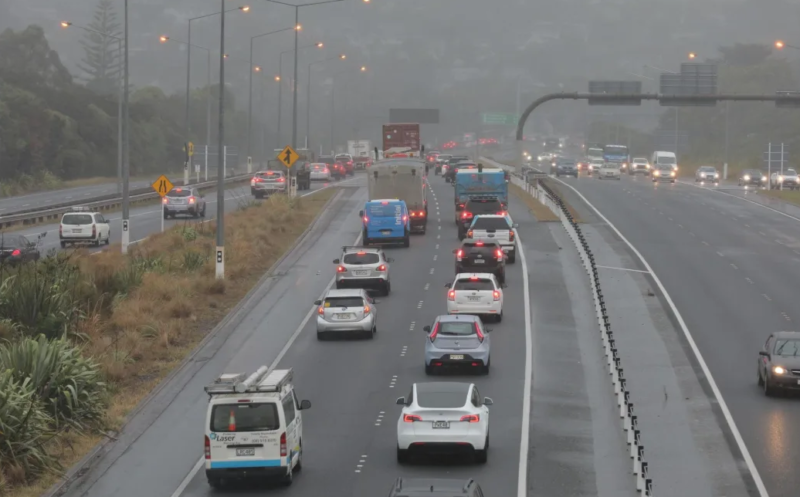
Driving in New Zealand’s heavy rain demands heightened caution due to rapidly changing conditions and winding roads. Reduced visibility and slippery surfaces increase stopping distances, while aquaplaning poses a sudden risk. Locals recommend lowering speed, using headlights, and maintaining a safe gap from other vehicles.
Beware of flooded areas never drive through flowing water. Ensure your tyres have sufficient tread depth and wipers are in top condition.
By staying calm, avoiding harsh maneuvers, and planning your route with weather updates, you can navigate these challenges safely. Mastering these techniques is essential for any road trip in New Zealand’s unpredictable climate.
Top 5 Essential Tips for Driving in Heavy Rain in New Zealand
Driving in New Zealand during heavy rain demands heightened vigilance due to rapidly changing road conditions, reduced visibility, and the risk of hydroplaning. To ensure your safety, always reduce your speed significantly and maintain a greater following distance from the vehicle ahead.
Use your headlights at all times even during the day to increase your visibility to other drivers. Be especially cautious on unsealed or winding rural roads, where water pooling and loose gravel can create treacherous surfaces. Avoid sudden braking or sharp turns, as these can cause your vehicle to skid.
If the rain becomes too intense, it is safer to pull over to a safe location (away from ditches or flood-prone areas) and wait for conditions to improve.
How to Handle Hydroplaning on Wet New Zealand Roads
Hydroplaning occurs when a layer of water builds between your tires and the road surface, causing a loss of traction. In New Zealand’s heavy rain, this can happen at surprisingly low speeds, especially on worn pavement or in areas with poor drainage.
If you feel your car start to hydroplane, do not slam on the brakes; instead, ease off the accelerator steadily and keep the steering wheel straight.
Let your vehicle slow down naturally until the tires regain contact with the road. To prevent hydroplaning, ensure your tires have adequate tread depth (at least 3mm) and are properly inflated, and always slow down before entering large puddles or standing water.
Essential Vehicle Checks Before Driving in Heavy Rain
Before heading out in wet conditions, perform a quick inspection of your vehicle to minimize risks. First, check that your windshield wipers are in good condition and not leaving streaks, as worn blades significantly impair visibility. Test your headlights, taillights, and brake lights to ensure they are all functioning being seen is critical in rain.
Verify that your defroster and air conditioning work properly to keep the windshield clear of fog. Additionally, check your tire pressure and tread; underinflated or bald tires greatly increase stopping distances and the chance of skidding. Finally, top off your windshield washer fluid with a rain-specific cleaner to clear mud and grime from the road.
This content may interest you! Best Driving Techniques for Wet New Zealand Roads
Safe Driving Techniques for New Zealand’s Rainy Highways
On New Zealand’s highways, heavy rain can create aquaplaning zones and reduce friction on curves. Drive with your low-beam headlights on high beams reflect off rain and worsen visibility. Increase your following distance to at least four to five seconds to give yourself more reaction time.
When approaching bends or downhill sections, brake gently before the curve rather than while turning. Be aware of flood-prone areas (often marked with signs) and never drive through flowing water; turn around if unsure.
Avoid using cruise control, as it can prevent you from reacting quickly to changing traction. If the rain is so heavy that you cannot see lane markings, pull into a rest area or service station and wait for the downpour to subside.
| New Zealand Regional Rain Risks | Primary Hazard | Recommended Precaution |
|---|---|---|
| North Island (Auckland, Waikato) | Standing water on highways | Reduce speed by 20-30 km/h |
| South Island (Coastal regions) | Landslides and road flooding | Check local traffic alerts |
| Mountain passes (e.g., Desert Road) | Sudden fog and ice with rain | Carry chains and wait for clearing |
Mastering Visibility: Essential Lighting and Wiper Techniques
In New Zealand's heavy rain, proper use of your vehicle's lighting and wipers is critical for safety. Always turn on your headlights, even during the day, to increase your visibility to other drivers, as heavy rain can reduce visibility to under 100 meters.
Use low beams instead of high beams because high beams reflect off rain droplets, creating glare that worsens your vision. Ensure your windshield wipers are in top condition; replace worn blades regularly to prevent streaking.
Activate your rear fog lights when visibility is severely limited, but turn them off when conditions improve to avoid dazzling drivers behind you. Additionally, clean your headlights and taillights before driving, as dirt and grime can significantly dim their output during downpours.
Slowing Down and Increasing Following Distance
Reduce your speed significantly when driving in heavy rain, as wet roads reduce tire traction, increasing stopping distances by up to four times. On New Zealand's winding and often narrow roads, driving slower allows you to better react to sudden hazards like standing water or fallen debris.
Double your normal following distance—ideally to 4 seconds or more—to give yourself ample time to brake safely. Remember that aquaplaning (hydroplaning) can occur at speeds as low as 50 km/h, where your tires lose contact with the road; slower speeds greatly reduce this risk. Always adjust your speed to match the road conditions, not the posted limit.
Avoiding Standing Water and Flooded Areas
Never drive through standing water if you cannot see the road surface beneath it, as just 15 centimeters of moving water can float a small car.
Heavy rain in New Zealand often causes localized flooding, especially in low-lying areas and near streams. If you must cross shallow water, drive slowly in first gear to maintain engine revs and avoid stalling, keeping the vehicle moving steadily. Watch for hidden hazards like submerged potholes, rocks, or debris that can damage your tires or undercarriage.
Turn around if the water seems deep it's better to wait out the rain than risk your safety and your vehicle's engine.
This content may interest you! How to Drive Safely on New Zealand Gravel Roads
Maintaining Tire Health and Traction
Check your tire tread depth regularly; New Zealand law requires a minimum of 1.5 mm, but 4 mm or more is recommended for heavy rain to effectively channel water away. Worn or under-inflated tires significantly increase the risk of aquaplaning, where a layer of water separates your tires from the road.
Maintain proper tire pressure as per your vehicle's manual, as low pressure reduces traction on wet surfaces. Consider using all-season or rain-specific tires for better grip in New Zealand's frequent downpours. Inspect your tires for cracks or sidewall damage before long journeys, especially in wet conditions.
Handling Sudden Gusts and Strong Winds
Be prepared for unexpected gusts during heavy rain, particularly on open highways, coastal routes, and mountain passes like the Desert Road or Lewis Pass. Grip the steering wheel firmly with both hands to maintain control when wind pushes your vehicle sideways, especially larger vehicles like utes or vans.
Reduce your speed further in windy conditions, as gusts can cause you to drift into other lanes or off the road. Watch for swaying trees or debris on the road as indicators of strong wind pockets. Keep a safe distance from high-sided vehicles like trucks, which can be affected more by wind and may create turbulence.
Emergency Preparedness: Pulling Over Safely
If the rain becomes too severe to see the road or other vehicles amid blinding sheets of water, pull over to a safe location away from traffic preferably a rest area or lay-by. Never stop on the shoulder of a highway unless it's an absolute emergency and you can turn on your hazard lights.
Once stopped, keep your engine running and your lights on to remain visible, and avoid exiting the vehicle unless you're well clear of traffic.
Turn on your hazard lights to alert other drivers, but note that some regions advise using only parking lights when stopped. Wait for the rain to ease before resuming, and check local weather reports via radio or a weather app to avoid continuing into worsening conditions.
Frequently Asked Questions
What should I do to prepare my car for driving in heavy rain in New Zealand?
Check your tires have at least 3mm tread depth to prevent hydroplaning on wet roads. Ensure windshield wipers are in good condition and replace them if they streak. Test your headlights, brake lights, and indicators to guarantee visibility. Keep your windows clean inside and out to reduce fogging. Additionally, top up the windshield washer fluid with a winter-grade solution. These simple checks help maintain control and visibility during New Zealand’s sudden heavy downpours.
How should I adjust my driving speed during heavy rain?
Reduce your speed significantly below the posted limit, as wet roads reduce tire traction. In New Zealand, it’s recommended to drive at 20-30 km/h slower than usual, especially on highways prone to aquaplaning. Always brake gently and early to avoid skidding. Use the two-second rule but extend it to four seconds for following distance. Slower speeds give you more reaction time for unexpected hazards like standing water or debris.
What are the risks of driving through floodwaters in New Zealand?
Never drive through floodwaters deeper than 15 cm, as even shallow water can stall your engine or cause loss of control. In New Zealand, unseen hazards like debris, collapsed road edges, or strong currents exist. If you must cross, drive slowly in first gear at idle speed. However, it’s safest to turn around and find an alternative route. Flood damage often voids insurance, and preventing costly repairs is better than risking your safety.
How can I stay safe when visibility is severely reduced by heavy rain?
Immediately turn on your low-beam headlights and fog lights to improve your visibility to other drivers. Avoid using high beams, which reflect off rain and worsen glare. If rain becomes torrential, pull over to a safe area away from traffic, such as a rest stop or petrol station. Do not stop on the hard shoulder or under bridges where water may accumulate. Wait until visibility improves before resuming your journey.
This content may interest you! Seasonal Car Maintenance Checklist for Kiwi Drivers
Leave a Reply