
How to Reduce Tyre Wear While Driving
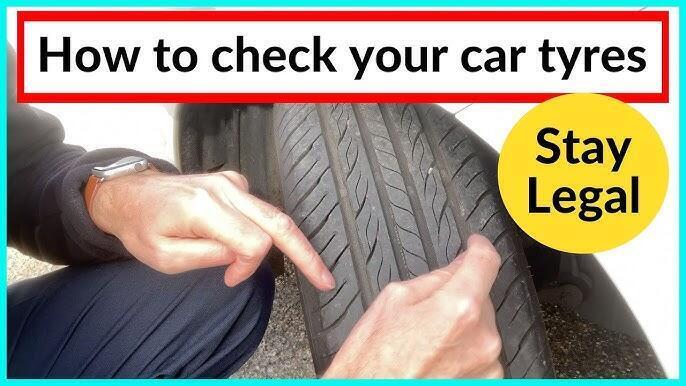
Driving habits significantly influence the longevity of your tyres, directly impacting both safety and costs. Tyre wear is an inevitable consequence of friction and road contact, but adopting mindful practices can substantially slow this process.
From maintaining optimal tyre pressure to mastering smooth acceleration and braking, small adjustments to your driving style yield considerable benefits. Understanding how road conditions, vehicle load, and alignment affect tread depth empowers drivers to make informed choices.
This article explores practical techniques to minimise wear, extending tyre life and enhancing fuel efficiency. By integrating these strategies, you not only protect your investment but also promote safer journeys.
How to Reduce Tyre Wear While Driving
Reducing tyre wear while driving starts with adopting smoother driving habits. Avoiding sudden acceleration, hard braking, and aggressive cornering can significantly extend the life of your tyres. When you drive gently, the rubber contacts the road more evenly, preventing premature wear on the edges.
Additionally, maintaining a steady speed and anticipating traffic flow reduces friction, which is the primary cause of tread loss. You should also ensure your vehicle is not overloaded, as excess weight increases rolling resistance and heat buildup, accelerating tyre degradation.
By being mindful of your driving style, you can minimize wear and maximize the mileage you get from each set of tyres.
Maintain Proper Tyre Pressure
Keeping your tyres inflated to the correct pressure is one of the most effective ways to reduce uneven wear. Under-inflated tyres cause the sidewalls to flex more, leading to excessive heat and wear on the outer edges, while over-inflated tyres wear down the center tread.
Check your tyre pressure monthly, especially before long trips, using a reliable gauge. Adjust the pressure according to your vehicle manufacturer's specifications, not the maximum rating on the tyre sidewall. Proper inflation also improves fuel efficiency and handling, making it a simple but critical step in preserving your tyres.
Rotate Tyres Regularly
Regular tyre rotation ensures that all four tyres wear evenly over time, as front and rear tyres face different stresses during driving. Front tyres typically wear faster due to steering and braking forces, while rear tyres may wear more evenly. Rotating them every 5,000 to 8,000 miles, as recommended by your vehicle's manual, helps extend overall tyre life.
This practice also allows you to inspect each tyre for hidden damage or alignment issues. When you rotate, follow a specific pattern based on whether your car is front-wheel, rear-wheel, or all-wheel drive to maximize benefits.
Perform Regular Wheel Alignments
Wheel alignment is crucial for preventing uneven tyre wear caused by misaligned suspension components. When your wheels are out of alignment, the tyres may scrub against the road at an angle, leading to feathering or scalloping on the tread. Schedule an alignment check annually or whenever you notice your vehicle pulling to one side.
Driving over potholes or hitting curbs can knock alignment out of spec, so inspect alignment after any significant impact. Correct alignment not only reduces wear but also improves steering response and stability, making your drive safer and more comfortable.
| Driving Habit | Effect on Tyre Wear | Best Practice |
|---|---|---|
| Hard Braking | Causes flat spots and rapid tread wear | Brake smoothly and gradually |
| Sharp Cornering | Wears down outer edges unevenly | Reduce speed before turns |
| Rapid Acceleration | Scuffs tread and increases heat | Accelerate gently from stops |
| Excessive Speed | Generates heat and faster tread loss | Stay within speed limits |
Mastering Driving Habits to Minimize Tyre Wear
Adopting smooth driving techniques is the single most effective method to prolong the life of your tyres. Avoiding sudden acceleration, harsh braking, and sharp cornering drastically reduces the friction and heat that cause rapid tread degradation.
By anticipating traffic flow and maintaining a steady speed, you allow the tyre's contact patch to grip the road evenly, preventing uneven wear patterns and premature balding. This approach not only saves money on replacements but also enhances vehicle safety and fuel efficiency.
Maintain Correct Tyre Pressure
Keeping your tyres inflated to the manufacturer's recommended pressure is crucial for even wear distribution. Under-inflation causes the outer edges to wear faster due to increased flexing, while over-inflation leads to accelerated wear in the center tread.
Check pressure monthly and before long trips, especially when the tyres are cold, to ensure optimal contact with the road surface, which reduces rolling resistance and heat buildup.
Rotate Tyres Regularly
Tyre rotation is essential to compensate for the different wear rates between the front and rear axles. Front tyres typically wear faster due to steering and braking forces. By following a pattern (e.g., front-to-back, cross-rotation) every 5,000 to 8,000 miles, you ensure all four tyres wear at a similar rate, extending their collective lifespan and maintaining balanced handling.
Avoid Overloading Your Vehicle
Carrying excessive weight puts extra strain on your tyres, causing them to overheat and wear out faster. Each tyre has a maximum load rating stamped on its sidewall. Exceeding this limit increases flexing and friction, leading to rapid tread loss and potential structural damage. Distribute cargo evenly and remove unnecessary items to lighten the load and reduce tyre stress.
Check Wheel Alignment and Balancing
Misaligned wheels cause tyres to wear unevenly, creating scalping or feathering on the tread edges. Symptoms include the vehicle pulling to one side or a vibrating steering wheel. Proper alignment ensures all four wheels point in the same direction, while dynamic balancing prevents wobbling.
Schedule these checks annually or after hitting potholes to maintain even wear and stable driving.
Drive at Moderate Speeds
High-speed driving generates excessive heat and friction, drastically accelerating tyre degradation. Hard cornering and sudden lane changes at speed cause the tread to scrub laterally, leading to rapid edge wear.
Keeping your speed within legal limits and avoiding aggressive maneuvers reduces thermal stress, allowing the rubber compound to maintain its integrity and wear uniformly over time.
Frequently Asked Questions
1. How does maintaining proper tire pressure reduce wear?
Keeping your tires inflated to the manufacturer’s recommended pressure ensures even contact with the road. Underinflation causes the outer edges to wear faster due to increased friction, while overinflation wears the center. Check pressure monthly when tires are cold to avoid uneven abrasion and extend tread life by up to 25%.
2. Why does smooth driving prevent excessive tire wear?
Hard acceleration, sharp turns, and abrupt braking create unnecessary friction that grinds down tread rubber. Smooth steering, gradual speed changes, and gentle stops reduce heat buildup and skidding forces. This consistent motion distributes pressure evenly across the tire surface, minimizing localized wear and prolonging durability significantly.
3. How does proper wheel alignment affect tire longevity?
Misalignment causes tires to tilt inward or outward, leading to angled contact that wears one side faster. Regular alignment checks keep wheels perpendicular to the road, ensuring even tread wear. Correct alignment also reduces rolling resistance and strain on suspension, preventing premature replacement and saving fuel.
4. Does rotating tires help reduce uneven wear?
Yes, rotating tires moves each wheel to a different position every 5,000-8,000 miles. Front tires often wear faster due to steering and braking forces, while rears bear more weight. Rotation redistributes these stresses evenly across all tires, balancing tread depth and maximizing lifespan. Follow your vehicle’s pattern for best results.
This content may interest you! Best Tyre Pressure for New Zealand Driving Conditions
Leave a Reply