
Best Tyre Pressure for New Zealand Driving Conditions
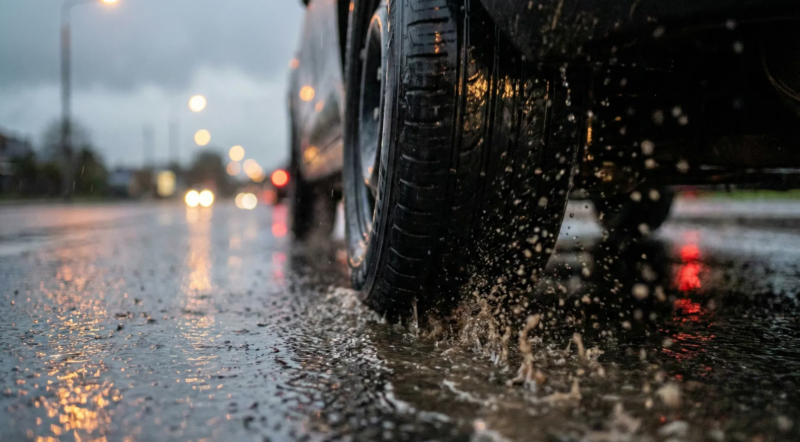
Driving in New Zealand presents unique challenges, from winding coastal roads and alpine passes to sudden temperature shifts and variable road surfaces. The correct tyre pressure is not a one-size-fits-all figure but a dynamic adjustment influenced by load, weather, and terrain.
Under-inflation risks poor handling on wet asphalt, while over-inflation can compromise grip on gravel. This guide explores manufacturer recommendations versus real-world demands, considering factors like towing campervans on South Island gradients or navigating urban motorways.
Achieving the optimal balance ensures safety, extends tread life, and improves fuel efficiency across New Zealand’s diverse driving conditions.
- The Optimal Tyre Pressure for New Zealand's Diverse Driving Conditions
- Adjusting Tyre Pressure for New Zealand’s Unique Terrain and Climate
- Understanding the Manufacturer’s Recommended PSI for New Zealand Cars
- Effects of New Zealand’s Summer Heat on Tyre Inflation
- Winter and Wet Weather Tyre Pressure Recommendations for New Zealand
- Ideal Tyre Pressure for Gravel, Corrugated, and Unsealed Roads
- How Vehicle Load Affects Tyre Pressure in New Zealand’s Motorhomes and SUVs
- Frequently Asked Questions
The Optimal Tyre Pressure for New Zealand's Diverse Driving Conditions
New Zealand's unique driving environment, ranging from twisty coastal highways to gravel back roads and alpine passes, requires a tailored approach to tyre pressure.
The best pressure is not a fixed number; it is the balance between the manufacturer’s recommended PSI for your vehicle and the specific load and road surface conditions you face. Maintaining the correct pressure is crucial for safety, fuel efficiency, and tyre longevity, especially when navigating the varied terrain of the North and South Islands.
How to Find Your Official Baseline Pressure
Your vehicle’s official recommended tyre pressure is the absolute starting point, typically found on a sticker inside the driver's door jamb, on the fuel filler cap, or within the owner’s manual. This number, which often differs between the front and rear axles, is calculated for your car’s specific weight and standard tyre size.
Always use a reliable pressure gauge to check tyres when they are cold (car has been parked for over three hours or driven less than 2 km), as driving heats up the air and gives a falsely high reading.
Adjusting Pressure for Different NZ Road Surfaces
For sealed roads and motorways, sticking to the manufacturer’s recommended PSI ensures maximum stability and fuel economy. However, for gravel roads common in rural areas, dropping the pressure by 4-6 PSI can improve traction and ride comfort by allowing the tyre to conform to loose surfaces.
Conversely, when tackling long, high-speed stretches in summer heat, you might need to increase pressure slightly to prevent overheating. Never reduce pressure on sealed roads as it increases rolling resistance and the risk of a blowout.
Load and Towing Considerations for Kiwi Drivers
New Zealanders frequently tow boats, caravans, or load up for road trips, which significantly changes the best tyre pressure. When your vehicle is fully loaded or towing, the rear tyres (and sometimes front tyres) must be inflated to the full load or towing pressure specified in your manual.
This is usually 4-6 PSI higher than the standard setting. Under-inflation while towing is dangerous as it can lead to excessive heat buildup, tyre failure, and poor trailer stability, especially on long, winding roads.
| Driving Condition | Pressure Adjustment | Key Benefit |
|---|---|---|
| Sealed Highway & City | Manufacturer's Recommended PSI | Optimal fuel economy & safe handling |
| Gravel & Unsealed Roads | Reduce by 4-6 PSI | Better traction & reduced punctures |
| Heavy Load & Towing | Increase by 4-6 PSI (rear) | Prevents overheating & ensures stability |
| High Speed (Summer) | Slight increase (2-4 PSI) | Prevents excessive flex & blowouts |
Adjusting Tyre Pressure for New Zealand’s Unique Terrain and Climate
New Zealand’s driving conditions vary dramatically from winding coastal roads to gravel backcountry tracks and mountain passes with rapid temperature shifts. For optimal safety and tyre longevity, check pressure monthly and before long trips, adjusting for load and surface.
Underinflated tyres on hot asphalt can lead to blowouts, while overinflation on rough gravel reduces grip. The manufacturer’s recommended PSI is a baseline, but lowering pressure by 2–4 PSI on soft, unsealed roads improves traction, and increasing it by 3–5 PSI for fully loaded vehicles on highways prevents overheating.
This content may interest you! Essential Spare Parts Every New Zealand Driver Should Keep
Understanding the Manufacturer’s Recommended PSI for New Zealand Cars
Your vehicle’s sticker on the driver’s door jamb or owner’s manual lists the optimal cold tyre pressure for factory-fit tyres. This figure is calibrated for average loads and moderate climates, but New Zealand’s mix of urban motorways and rural gradients may require slight adjustments.
Always use this as a starting point, never exceed 40 PSI for passenger cars, and check when tyres are cool (before driving or after 1–2 km) for accurate readings.
Effects of New Zealand’s Summer Heat on Tyre Inflation
During January–March when road temperatures can exceed 50°C, tyre pressure rises naturally by 1–2 PSI per 5°C increase. Overinflation reduces the contact patch, leading to uneven wear and higher risk of punctures on hot chip-seal surfaces.
To compensate, reduce pressure by 1–2 PSI from the recommended setting when driving in sustained heat, especially on long journeys from Auckland to Rotorua or Christchurch to Queenstown.
Winter and Wet Weather Tyre Pressure Recommendations for New Zealand
Rain-soaked roads and black ice in the South Island Alps demand lower tyre pressure for maximised grip. Drop 3–4 PSI below the summer setting to widen the tread footprint, but avoid going under 28 PSI to prevent sidewall flex and hydroplaning risk.
In snow or mud, reducing to 25–26 PSI can aid traction on gravel driveways or ski-field access roads, but re-inflate to normal once back on sealed surfaces.
Ideal Tyre Pressure for Gravel, Corrugated, and Unsealed Roads
When tackling New Zealand’s 50% of rural roads that are unsealed or corrugated gravel like the Ninety Mile Beach or Paparoa Track, lower pressure to 30–32 PSI for standard passenger tyres.
This increases cushioning against rocks, reduces bouncing, and lowers the chance of sidewall damage. For light trucks or SUVs like a Toyota HiLux or Ford Ranger, 34–36 PSI works best. Always check pressure again before hitting tarmac.
How Vehicle Load Affects Tyre Pressure in New Zealand’s Motorhomes and SUVs
New Zealand’s popular motorhome rentals (e.g., Britz or Maui) and fully loaded SUVs for ski trips require a pressure increase of 4–6 PSI on rear tyres when weighing near maximum capacity. Underinflation under heavy load generates excess heat, leading to blowouts on long descents like the Lindis Pass.
Use the vehicle’s load chart (often in the fuel cap) to set front and rear axle pressures independently, and re-check at halfway of your journey.
Frequently Asked Questions
What is the recommended tyre pressure for most cars in New Zealand?
For typical New Zealand driving conditions, most passenger car manufacturers recommend a tyre pressure between 30 and 35 PSI (pounds per square inch). This range balances fuel efficiency, tyre wear, and safety on local roads. Always check your vehicle's owner manual or the sticker inside the driver's door jamb for the exact specification, as optimal pressure varies by vehicle weight and tyre size.
How does New Zealand's changing weather affect tyre pressure?
New Zealand's variable weather causes tyre pressure to fluctuate significantly. For every 10°C change in ambient temperature, tyre pressure can alter by approximately 1-2 PSI. Cold mornings in winter reduce pressure, while hot summer afternoons increase it. This means you should check your tyre pressure monthly during seasonal transitions. Under-inflation in cold weather can reduce grip on wet roads, which are common in New Zealand.
Should I adjust tyre pressure for New Zealand's mountainous and winding roads?
When driving on New Zealand's many winding, mountainous roads—like the Desert Road or Arthur's Pass—slightly higher tyre pressure can improve handling and stability. Increasing pressure by 2-3 PSI above the standard recommendation helps maintain tyre shape during hard cornering. However, never exceed the maximum pressure printed on the tyre sidewall. For long descents, properly inflated tyres prevent overheating and reduce the risk of blowouts.
This content may interest you! Ford Ranger 3.2 Engine Problems: Common Faults, Symptoms, and Solutions
What is the correct tyre pressure for carrying heavy loads in New Zealand?
When loading your vehicle for a road trip across New Zealand, increase rear tyre pressure by 3-5 PSI to accommodate extra weight from luggage or towing a trailer. Overloaded tyres without adjusted pressure overheat quickly, especially on long drives between cities like Auckland and Wellington. Check the partial load versus full load recommendations in your owner's manual. Always re-check pressure when the tyres are cold, before starting your journey.
Leave a Reply