
How to Drive Efficiently in Hybrid SUVs
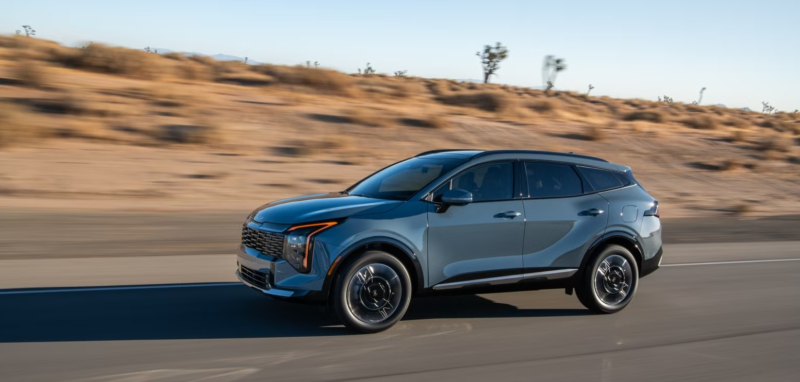
Hybrid SUVs combine the power of a traditional engine with the efficiency of an electric motor, offering significant savings when driven correctly. To maximize fuel economy, understanding your vehicle’s unique systems is key. Efficient driving hinges on smooth acceleration, strategic braking to regenerate energy, and anticipating traffic flow to minimize idle time.
By mastering techniques like coasting, using Eco mode, and maintaining steady speeds, you can reduce fuel consumption and extend battery life. This guide explores practical tips to transform your hybrid SUV into an economical powerhouse, saving you money while reducing your environmental footprint.
How to Drive Efficiently in Hybrid SUVs
Driving a hybrid SUV efficiently requires a shift in mindset from traditional gas-only vehicles. Unlike conventional cars, hybrid SUVs are designed to seamlessly switch between an internal combustion engine and an electric motor. To maximize fuel economy, you must learn to anticipate traffic flow, use regenerative braking, and monitor your energy consumption.
The key is to drive smoothly and avoid aggressive acceleration, allowing the electric motor to handle low-speed cruising and stop-and-go traffic. By mastering pulse-and-glide techniques and using the vehicle's eco-driving mode, you can significantly reduce your fuel consumption and extend your driving range.
Mastering Regenerative Braking for Energy Recovery
The most critical skill for efficient hybrid SUV driving is utilizing regenerative braking to its full potential. Every time you slow down or coast, the electric motor works as a generator to capture kinetic energy and store it in the battery. Instead of braking abruptly, anticipate stops and apply the brakes gently and gradually.
Many hybrids offer a B mode or paddle shifters to increase regenerative braking force. This allows you to slow the vehicle without using the friction brakes, turning your momentum into free stored electricity for later use, especially in city traffic.
Optimizing Your Speed and Acceleration Patterns
Hybrid SUVs achieve peak efficiency at lower speeds, typically between 30 and 50 mph (48-80 km/h). On highways, wind resistance becomes a major factor, drastically reducing electric-only range. To conserve fuel, maintain a steady speed using cruise control as much as possible.
Avoid rapid acceleration from a standstill, which forces the gas engine to engage. Instead, practice gentle, gradual acceleration, allowing the electric motor to assist initially. When traffic allows, use the pulse and glide technique: accelerate gently (pulse) to a higher speed, then coast (glide) with the engine off.
Leveraging Eco-Modes and Climate Control Settings
Modern hybrid SUVs come equipped with specific driving modes that optimize performance for fuel efficiency. Activate Eco or EV mode whenever possible, as this recalibrates the throttle response and transmission shift points for maximum economy. Additionally, your HVAC system is a significant drain on the hybrid battery.
Minimize air conditioning usage by pre-cooling the cabin while plugged in (if a plug-in hybrid) or using the seat ventilation instead of full AC. On cold days, rely on heated seats and steering wheel rather than blasting the cabin heater, as this reduces the engine's need to run for warmth.
Optimizing Regenerative Braking in Hybrid SUVs
Mastering regenerative braking is key to maximizing fuel efficiency in hybrid SUVs. Unlike conventional vehicles, hybrids capture kinetic energy during deceleration and convert it into electrical energy to recharge the battery. To leverage this, anticipate stops by lifting off the accelerator early, allowing the electric motor to slow the vehicle without engaging the friction brakes.
The regenerative braking system is most efficient at moderate speeds, so avoid abrupt stops, which waste energy through heat dissipation. Use the brake coach feature if available, as it provides real-time feedback on braking efficiency.
Over time, practicing smooth deceleration can enhance battery charge retention, reducing reliance on the gasoline engine and improving overall MPG by up to 20% in city driving conditions.
This content may interest you! Tesla Model Y Long Distance Driving Guide
Maintaining Steady Acceleration
Aggressive acceleration drains the battery and forces the gasoline engine to work harder. Instead, apply gentle pressure to the accelerator pedal, aiming for a smooth increase in speed. Hybrid SUVs often feature an ECO mode that softens throttle response for better efficiency.
Use this mode during city driving to minimize fuel consumption—rapid acceleration can reduce mileage by 10-15%. Focus on keeping the power meter in the "Eco" zone, which indicates optimal electric motor usage.
Using Cruise Control on Highways
On flat highways, adaptive cruise control can maintain a constant speed, reducing unnecessary acceleration and deceleration. Hybrid SUVs optimize fuel use when the gas engine operates at steady RPMs. However, avoid cruise control on hilly terrain, as it may cause the engine to rev unnecessarily.
Instead, manually modulate the accelerator to preserve battery charge during ascents, allowing the electric motor to assist without abrupt power spikes.
Monitoring Battery Charge Levels
Hybrid SUVs perform best when the battery is not fully depleted or fully charged. Keep the battery between 20% and 80% charge for optimal efficiency.
Avoid deep discharges by using the electric motor for low-speed driving when possible, such as in parking lots or traffic jams. The EV mode button can be engaged when the battery is sufficiently charged, allowing short trips without burning fuel.
Anticipating Traffic Flow
Reading the road ahead reduces unnecessary braking and acceleration. Look for traffic patterns like red lights or merging lanes well in advance.
By coasting to a stop instead of braking late, you allow the regenerative system to capture more energy. In stop-and-go traffic, maintain a following distance that enables you to keep momentum without touching the brakes, which conserves battery life and improves fuel economy.
Reducing Excess Weight and Drag
Every extra pound reduces hybrid efficiency. Remove unnecessary cargo from the SUV, especially roof racks or carriers that create aerodynamic drag.
At highway speeds, drag from roof racks can decrease MPG by 10-25%. Keep tires properly inflated according to the manufacturer's recommendation, as under-inflated tires increase rolling resistance and force the hybrid system to work harder, lowering your overall fuel savings.
Frequently Asked Questions
How can I maximize fuel efficiency when driving my hybrid SUV in the city?
To maximize fuel efficiency in city driving, focus on smooth acceleration and braking. Use the ECO mode if available, as it optimizes throttle response. Anticipate stops and coast to decelerate, allowing the regenerative braking system to recharge the battery. Avoid hard acceleration, which engages the gas engine unnecessarily. Maintain a steady speed and leverage electric-only low-speed zones when possible, such as in traffic or parking lots, to reduce fuel consumption significantly.
What driving techniques help maintain battery charge in a hybrid SUV on highways?
On highways, maintain a consistent speed using cruise control to prevent frequent battery drain from acceleration changes. Keep your speed around 55-60 mph, as higher speeds increase aerodynamic drag and fuel use. Use the EV mode only at lower speeds or when coasting downhill to save battery. Avoid rapid lane changes and heavy loads, which strain the engine. Gently pulse and glide by accelerating slightly then coasting to recharge the battery efficiently.
How does regenerative braking affect driving efficiency in hybrid SUVs?
Regenerative braking converts kinetic energy into electrical energy stored in the battery, improving overall efficiency. To optimize it, anticipate stops early and brake gently, allowing the system to capture more energy. Avoid abrupt braking, which wastes energy as heat. Use the B mode or regenerative paddles to increase regen effect when descending hills. This reduces reliance on the gas engine, especially in stop-and-go traffic, extending your electric range and saving fuel.
This content may interest you! How Regenerative Braking Works in the Tesla Model Y
What role does tire pressure play in fuel efficiency for hybrid SUVs?
Proper tire pressure is critical for hybrid SUV efficiency because underinflated tires increase rolling resistance, forcing the engine to work harder and consume more fuel. Check tire pressure monthly and maintain it at the manufacturer’s recommended level, usually found in the owner’s manual or driver’s door jamb. Overinflation can reduce traction but saves marginal fuel. Balanced tires also ensure smooth driving, maximizing the hybrid system’s regenerative and electric capabilities for optimal MPG.
Leave a Reply