
How Regenerative Braking Works in the Tesla Model Y
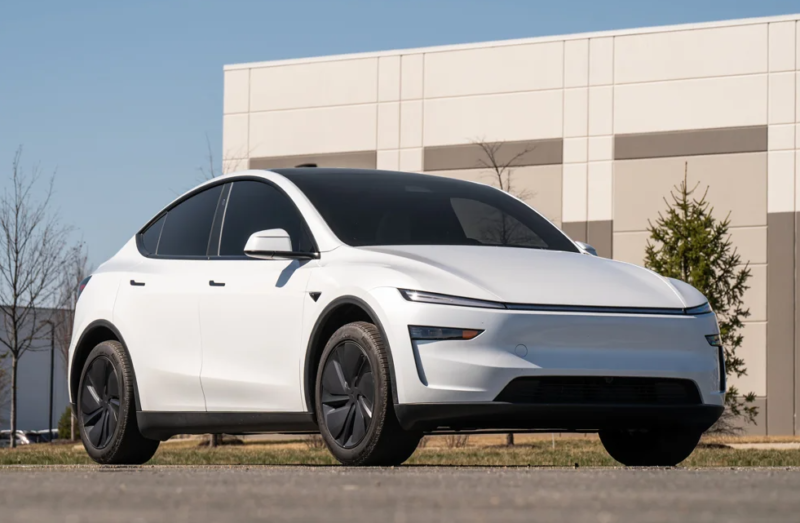
Regenerative braking represents a pivotal innovation in electric vehicle efficiency, and the Tesla Model Y offers a refined implementation of this technology. Unlike conventional friction brakes, which dissipate kinetic energy as wasted heat, the Model Y’s system captures that energy when the driver lifts off the accelerator.
By reversing the electric motor’s role into a generator, it converts motion back into electricity, which is then stored in the battery pack for later use. This process not only extends driving range, reducing the need for frequent charging, but also minimizes wear on brake pads.
The seamless one-pedal driving experience transforms deceleration into a recovery mechanism, fundamentally redefining how energy flows within the vehicle.
How Regenerative Braking Works in the Tesla Model Y
Regenerative braking in the Tesla Model Y is a key feature that captures kinetic energy during deceleration and converts it into electrical energy, which is then stored in the high-voltage battery. Unlike traditional friction brakes that dissipate energy as heat, the Model Y’s electric motor acts as a generator when you lift your foot off the accelerator.
The motor’s resistance slows the vehicle, while the generated electricity replenishes the battery, improving overall energy efficiency by up to 30% in city driving.
The system is seamlessly integrated with the vehicle’s drive-by-wire controls, allowing for one-pedal driving the driver can accelerate and decelerate using only the accelerator pedal, reducing brake wear and extending range.
Energy Conversion: From Motion to Electricity
When the driver releases the accelerator pedal in a Tesla Model Y, the electric motor’s rotor continues to spin due to the vehicle’s momentum. The inverter then reverses the current flow, turning the motor into a generator that produces alternating current (AC).
This AC is then rectified into direct current (DC) and sent to the battery pack, where it is stored. The amount of energy recovered depends on factors like battery state of charge and speed—if the battery is full or cold, the system reduces regenerative braking capacity to protect the cells.
Driver Controls and Adjustability
Tesla offers users adjustable regenerative braking settings through the vehicle’s touchscreen, typically with options like “Standard” (maximum deceleration and efficiency) and “Low” (reduced deceleration, simulating a traditional coasting feel).
Additionally, the Model Y’s Autopilot and Adaptive Cruise Control automatically use regenerative braking to maintain speed and following distance. In cold weather, the system may precondition the battery to optimize regenerative braking efficiency, though this is managed automatically by the vehicle’s thermal management system.
Integration with Friction Brakes
While regenerative braking handles most deceleration, the Model Y also integrates traditional hydraulic disc brakes for stronger stops or emergency situations.
Tesla’s Blended Braking System seamlessly combines both systems: the friction brakes activate only when regenerative braking can’t provide enough force, such as during hard braking or when the battery is too cold. This integration reduces wear on brake pads and rotors, often allowing them to last over 100,000 miles.
The brake pedal feel remains consistent regardless of regenerative braking availability, ensuring driver confidence.
| Component | Function | Role in Regenerative Braking |
|---|---|---|
| Electric Motor | Converts electrical energy to mechanical motion | Acts as a generator during deceleration |
| Inverter | Converts DC to AC (and vice versa) | Rectifies AC current from motor to DC for battery |
| High-Voltage Battery | Stores electrical energy for vehicle use | Receives and stores regenerated energy |
| Brake Pedal Sensor | Detects driver’s braking input | Determines blend between regenerative and friction brakes |
| Thermal Management System | Regulates battery temperature | Preconditions battery for optimal regeneration in cold weather |
The Mechanics of Regenerative Braking in the Tesla Model Y
In the Tesla Model Y, regenerative braking works by reversing the electric motor's role from a propulsion system to a generator. When you lift your foot off the accelerator, the vehicle's inertia spins the rotor within the stator, creating a magnetic field that induces an electric current.
This process converts kinetic energy into electrical energy, which is then fed back into the high-voltage battery pack. The system applies resistance to the drivetrain, slowing the car down while simultaneously recharging the battery, effectively capturing energy that would otherwise be lost as heat through traditional friction brakes.
The Role of the Electric Motor as a Generator
The Model Y uses a permanent magnet synchronous motor (PMSM) or an induction motor depending on the variant. When regenerative braking is active, the motor's controller (inverter) adjusts the voltage and frequency to ensure the rotor turns slower than the rotating magnetic field.
This creates a negative torque by allowing the magnetic field to pull the rotor backward. The resulting electromotive force (EMF) pushes electrons through the motor windings, generating AC electricity that the inverter converts to DC for storage in the battery.
Energy Recovery and Battery Charging Efficiency
The Tesla Model Y's regenerative braking system typically captures between 60% to 70% of the vehicle's kinetic energy during deceleration, depending on driving conditions and battery state of charge (SoC). When the battery is cold or nearly full, the system reduces regenerative power to prevent overcharging or lithium plating.
The Battery Management System (BMS) monitors temperature, voltage, and current flow to optimize energy absorption, sending surplus power to the auxiliary 12V battery if needed.
Driver Interaction and Adjustable Regenerative Settings
Tesla allows drivers to choose between "Low" and "Standard" regenerative braking levels through the vehicle's touchscreen. In "Standard" mode, lifting the accelerator causes a strong deceleration similar to engine braking in a manual transmission car, enabling one-pedal driving.
The "Low" setting reduces resistance, allowing the car to coast further. The system also integrates regenerative blending with friction brakes; if you apply the brake pedal, the car prioritizes regenerative force first and only uses the hydraulic brakes when needed.
Regenerative Braking Under Different Environmental Conditions
Extreme temperatures and low battery charge can limit regenerative braking performance. In cold weather, the system may initially apply reduced regen until the battery warms up. Tesla displays a dotted line on the energy bar to indicate limited regen availability.
On steep downgrades, the Model Y can maintain a constant speed using regenerative braking alone, but if the battery becomes full, the system automatically activates friction brakes to prevent over-revving the motor. Snow and ice-covered roads can also cause the system to modulate regen to maintain traction.
Comparison with Friction Brakes and System Longevity
Traditional friction brakes wear down from heat and friction during deceleration, while regenerative braking is wear-free because it uses magnetic resistance instead of physical contact. The Model Y's regenerative system extends the lifespan of the brake pads and rotors, often lasting 100,000 miles or more before replacement.
However, the friction brakes still engage for emergency stops or low-speed maneuvers. The brake-by-wire system ensures seamless transition between regen and friction, providing consistent pedal feel while maximizing energy recovery efficiency.
Frequently Asked Questions
How does regenerative braking work in the Tesla Model Y?
Regenerative braking in the Tesla Model Y captures kinetic energy during deceleration. When you lift your foot off the accelerator, the electric motor reverses into a generator, converting motion into electricity. This energy is stored in the high-voltage battery for later use. The system creates resistance that slows the vehicle without traditional brake pads.
Can you adjust regenerative braking strength in the Model Y?
Yes, Tesla allows adjustments in earlier software versions, but newer models have simplified settings. You can choose between 'Standard' and 'Low' modes. Standard provides maximum energy capture and strong deceleration, while Low reduces the effect for a more coasting feel. However, recent updates often default to Standard to maximize efficiency.
Does regenerative braking work in cold weather?
Regenerative braking efficiency decreases in cold conditions because the battery chemistry becomes less receptive to charging. The Tesla Model Y may show limited or reduced regenerative braking power until the battery warms up. The system still functions but captures less energy. Preconditioning the battery via the app before driving helps improve performance in winter.
Does regenerative braking affect overall driving range?
Yes, regenerative braking significantly improves range by recovering energy that would otherwise be lost as heat from friction brakes. In stop-and-go traffic, it can extend range by up to 10-20% depending on driving habits. The Model Y prioritizes this system to minimize brake wear and maximize efficiency, making it a key feature for long-distance travel.
This content may interest you! Tesla Model Y Long Distance Driving Guide
Leave a Reply