
Kia Cerato Engine Problems: Common Issues, Symptoms, Causes, and Fixes
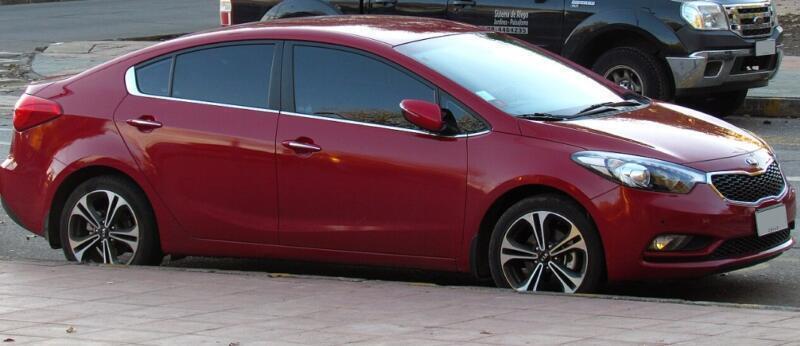
The Kia Cerato has built a solid reputation as a practical, affordable compact car, but no engine is completely immune to trouble. As these cars accumulate kilometers, certain Kia Cerato engine problems can begin to appear, ranging from harmless rattles and worn ignition parts to oil consumption, overheating, or serious internal engine damage.
The tricky part is that not every Cerato uses the same engine. Depending on the country, year, trim, and generation, we can find various petrol engines, including 1.6-liter and 2.0-liter units, along with different injection and engine-management systems. A problem associated with one engine or production period does not automatically apply to every Kia Cerato on the road.
That distinction matters.
If our Cerato suddenly starts ticking, consuming oil, shaking at idle, losing power, or illuminating the check-engine light, guessing can become expensive surprisingly fast. Think of an engine warning sign like smoke coming from a kitchen: sometimes it is just burnt toast, but we still want to find the source before assuming everything is fine.
In this guide, we will explore the most common Kia Cerato engine complaints, the symptoms worth watching, possible causes, repair considerations, and what we should inspect before buying a used example.
- Are Kia Cerato Engines Reliable?
- Most Common Kia Cerato Engine Problems
- Excessive Oil Consumption
- Engine Knocking or Ticking Noise
- Kia Cerato Rough Idle
- Engine Vibration
- Check Engine Light Problems
- Ignition Coil Problems
- Spark Plug Problems
- Kia Cerato Engine Hesitation During Acceleration
- Loss of Engine Power
- Kia Cerato Overheating Problems
- Coolant Loss With No Obvious Leak
- Oil Leaks Around the Engine
- Engine Stalling
- Kia Cerato Hard Starting
- Carbon Buildup
- Timing Chain and Timing System Concerns
- Fuel Injector Problems
- Oxygen Sensor and Air-Fuel Problems
- Crankshaft and Camshaft Sensor Issues
- PCV System Problems
- Does the Kia Cerato Have Serious Engine Failure Problems?
- Warning Signs of Serious Internal Engine Damage
- What Causes Premature Engine Wear?
- Which Kia Cerato Engines Should We Inspect Most Carefully?
- How Long Can a Kia Cerato Engine Last?
- How to Prevent Kia Cerato Engine Problems
- Kia Cerato Engine Oil Matters More Than We Think
- Should We Use Engine Flushes or Additives?
- How to Inspect a Used Kia Cerato Engine
- Used Cerato Test Drive Checklist
- Should We Get a Pre-Purchase Inspection?
- Compression Testing Explained
- When Is Engine Repair Worth It?
- Can We Drive With an Engine Problem?
- Kia Cerato Engine Replacement Cost Considerations
- Rebuilt Engine vs Used Engine
- Are Kia Cerato Engine Problems Expensive to Fix?
- Cerato Engine Problems vs Normal Aging
- Final Thoughts on Kia Cerato Engine Problems
- Frequently Asked Questions
Are Kia Cerato Engines Reliable?
Broadly speaking, many Kia Cerato engines can provide long service lives when maintained properly. Plenty of owners drive them for years without experiencing catastrophic engine trouble.
However, reliability depends heavily on several variables:
- Engine version
- Model year
- Maintenance history
- Oil-change frequency
- Driving conditions
- Previous overheating
- Quality of replacement parts
- Whether earlier warning signs were ignored
A Cerato driven mostly on long highway journeys may age very differently from one spending every day crawling through heavy traffic.
Short trips are particularly demanding because the engine repeatedly heats up and cools down. Oil may not remain at full operating temperature long enough to evaporate moisture and fuel contamination, while stop-and-go driving adds countless low-speed heat cycles.
So rather than asking whether all Kia Ceratos are reliable, we should ask a better question:
Has this particular Cerato been maintained properly?
That tells us far more about its future than the badge on the boot.
Most Common Kia Cerato Engine Problems
Although exact failures differ between generations, several complaints repeatedly appear when Cerato engines age.
Common issues can include:
- Excessive engine oil consumption
- Knocking or ticking noises
- Rough idle and engine vibration
- Check-engine warning lights
- Ignition coil and spark-plug failures
- Engine overheating
- Reduced acceleration or hesitation
- Oil leaks
- Engine stalling
- Starting difficulties
- Carbon buildup on some engines
- Timing-related noises
- Cooling-system faults
- Sensor failures
- In severe cases, internal engine damage
Some of these problems are relatively inexpensive to resolve. Others can become painfully costly when left untreated.
Let's examine them more closely.
Excessive Oil Consumption
One complaint that deserves attention on any aging Cerato is increasing engine oil consumption.
A healthy engine will naturally use a small amount of oil between services, but needing frequent top-ups can indicate something more serious.
Symptoms of High Oil Consumption
We might notice:
- Oil level dropping between services
- Low-oil warning light appearing
- Blue exhaust smoke
- Burning-oil smell
- Oil-fouled spark plugs
- Rough running
- Reduced compression
- Catalytic-converter problems
Sometimes there is no visible smoke at all. The oil simply disappears gradually.
That is why checking the dipstick matters.
Why a Cerato May Burn Oil
Possible causes include worn piston rings, cylinder-wall wear, hardened valve-stem seals, crankcase ventilation problems, or extended oil-change intervals.
Oil quality matters too.
Engine oil is not merely lubricant floating around inside the engine. It cleans, cools, protects, and suspends contaminants. Running old or degraded oil is somewhat like asking someone to run a marathon while wearing shoes with no soles—the job technically continues, but damage accumulates.
What Should We Do About Oil Consumption?
First, establish exactly how much oil the engine consumes.
Check the level regularly using the correct procedure and record the distance traveled between top-ups.
A technician may then investigate:
- External leaks
- PCV system operation
- Spark-plug condition
- Compression
- Cylinder leakage
- Exhaust smoke
- Internal deposits
Never allow the engine to operate below the safe oil level. Even if the consumption itself seems manageable, oil starvation can turn a modest problem into a destroyed engine.
Engine Knocking or Ticking Noise
An unusual metallic sound instantly raises our blood pressure, and understandably so.
But engine noises have many possible sources.
A light ticking may come from valvetrain components, injectors, or accessories. A deep knock that changes with engine speed deserves considerably more concern.
Cold-Start Ticking
Some engines sound noisier immediately after starting, especially after sitting overnight.
If the noise disappears quickly, possible causes include delayed oil pressure, worn components, oil viscosity issues, or ordinary injector operation.
Persistent ticking should not be dismissed.
Check:
- Oil level
- Oil condition
- Correct viscosity
- Accessory pulleys
- Timing components
- Valve train
- Exhaust leaks
Deep Engine Knock
A heavy metallic knocking sound can indicate bearing or internal rotating-assembly problems.
This is not the sort of symptom we continue driving with while turning up the radio.
If the knocking becomes louder under acceleration or follows engine RPM, stop unnecessary driving and have the vehicle inspected.
Continued operation could dramatically increase repair costs.
Kia Cerato Rough Idle
A Cerato should generally idle smoothly once warmed up.
If the steering wheel begins shaking like a washing machine with one shoe inside it, something deserves attention.
Potential causes include:
- Worn spark plugs
- Faulty ignition coils
- Vacuum leaks
- Dirty throttle body
- Fuel injector problems
- Engine-mount wear
- Intake deposits
- Sensor faults
- Low compression
Rough Idle Only When Cold
Cold-start roughness may point toward ignition problems, air-fuel mixture issues, fuel delivery, intake leaks, or carbon buildup.
The engine management system enriches the mixture while cold, so small faults can become much more noticeable during those first few minutes.
Rough Idle With Air Conditioning On
If vibration increases substantially whenever the air conditioning engages, we should consider both engine performance and worn engine mounts.
The compressor adds load to the engine.
A healthy engine-control system compensates. Weak mounts, dirty throttle components, or marginal ignition performance may suddenly become obvious under that additional load.
Engine Vibration
Not every vibration indicates internal engine damage.
In fact, worn engine or transmission mounts are common suspects when the engine itself seems to run normally.
How Engine Mount Problems Feel
Typical signs include:
- Vibration at idle
- Clunk when shifting into Drive or Reverse
- Excessive engine movement
- Vibration through the steering wheel
- Thump during acceleration or braking
Mounts contain rubber or fluid-filled sections designed to isolate vibration from the cabin.
When they deteriorate, normal engine movement suddenly feels dramatic.
Engine Misfire Versus Bad Mounts
These two conditions can feel surprisingly similar.
A misfire usually affects the way the engine itself runs. We may notice hesitation, power loss, irregular exhaust sound, or a flashing check-engine light.
A bad mount often creates vibration despite the engine maintaining reasonably steady RPM.
This content may interest you! Audi A3 ESP Fault: Causes, Symptoms, Diagnosis, and Fixes
Proper diagnosis saves us from replacing parts based on guesswork.
Check Engine Light Problems
The check-engine light is not a diagnosis. It is a request for investigation.
That distinction is important.
The vehicle's computer may detect something involving ignition, emissions, airflow, fuel delivery, sensors, or dozens of other parameters.
Common Reasons the Light Appears
Possible causes include:
- Ignition misfire
- Oxygen sensor problems
- Air-fuel mixture faults
- Catalytic-converter efficiency
- EVAP system leaks
- Intake-air measurement problems
- Throttle-system faults
- Camshaft or crankshaft sensor errors
Reading the diagnostic trouble code is the starting point—not the end of the diagnosis.
A code identifying a lean mixture, for example, does not automatically mean a sensor needs replacement. A vacuum leak could be feeding the sensor perfectly accurate information.
Flashing Check Engine Light
A flashing check-engine light deserves immediate attention.
It commonly indicates an active misfire severe enough to risk damaging the catalytic converter.
Reduce load, avoid continued driving where possible, and have the vehicle diagnosed promptly.
Ignition Coil Problems
Modern Cerato petrol engines commonly use individual ignition coils.
These coils create the high voltage required for the spark plugs.
When one begins failing, we may experience:
- Misfire
- Rough idle
- Poor acceleration
- Check-engine light
- Increased fuel consumption
- Difficult starting
- Shuddering under load
Can One Bad Coil Damage the Engine?
Usually, a failed ignition coil itself does not mechanically destroy the engine.
But prolonged misfiring is not harmless.
Unburned fuel can enter the exhaust and overheat the catalytic converter. Fuel may also contaminate cylinder walls and engine oil under certain circumstances.
Therefore, a persistent misfire should be repaired rather than tolerated.
Spark Plug Problems
Spark plugs are humble components doing remarkably violent work.
Each plug produces thousands of sparks during even a short journey.
Eventually they wear.
Symptoms of worn plugs may include:
- Slow starting
- Misfire
- Rough idle
- Higher fuel consumption
- Weak acceleration
- Engine hesitation
Replacing plugs at the proper maintenance interval can prevent unnecessary stress on ignition coils.
Always use plugs of the correct specification.
The cheapest plug on the shelf is not automatically a bargain if it causes poor running later.
Kia Cerato Engine Hesitation During Acceleration
You press the accelerator, expect movement, and receive a brief pause instead.
That hesitation can come from several systems.
Possible causes include:
- Weak ignition coil
- Worn spark plugs
- Dirty injectors
- Fuel-pressure problems
- Throttle-body contamination
- Air-intake faults
- Sensor problems
- Restricted exhaust
- Transmission-related behavior
Notice that the last item is not technically an engine fault.
That matters because drivers sometimes describe any acceleration problem as an “engine problem” even when the transmission or drivetrain is responsible.
Hesitation Under Heavy Load
A misfire that appears mainly while accelerating uphill or overtaking often points us toward ignition components.
Cylinder pressures rise under load, making it harder for a weak ignition system to produce a reliable spark.
A coil that behaves normally at idle may reveal its weakness when the engine is working hard.
Loss of Engine Power
A Cerato that feels progressively weaker may have a restriction, combustion issue, fuel-delivery fault, or electronic problem.
We should investigate rather than automatically assume the engine is “worn out.”
Possible causes include:
- Clogged air filter
- Ignition problems
- Fuel delivery faults
- Exhaust restriction
- Throttle issues
- Incorrect sensor readings
- Low compression
- Engine-management protection mode
Limp Mode
Modern vehicles can intentionally limit engine performance when the computer detects certain faults.
Drivers often describe the car as suddenly refusing to accelerate normally.
This protective strategy is commonly called limp mode.
Switching the engine off and restarting may temporarily restore performance, but that does not mean the problem vanished.
Stored diagnostic codes may reveal why the system intervened.
Kia Cerato Overheating Problems
Overheating ranks among the engine problems we should never ignore.
High engine temperatures can damage the cylinder head, head gasket, seals, and internal components.
Potential causes include:
- Low coolant
- Coolant leak
- Failed thermostat
- Radiator problem
- Cooling-fan failure
- Water-pump fault
- Blocked coolant passage
- Head-gasket failure
Signs of Overheating
Watch for:
- Temperature gauge rising abnormally
- Overheating warning
- Steam
- Coolant smell
- Coolant disappearing
- Heater suddenly blowing cold air
- Engine power reduction
If the engine is actively overheating, continued driving can turn a cooling-system repair into an engine replacement.
Never Open a Hot Cooling System
Pressurized coolant can cause severe burns.
Allow the engine to cool before inspecting the reservoir or cooling-system components.
Coolant Loss With No Obvious Leak
Coolant that continually disappears deserves investigation even when there is no puddle under the car.
Possible hidden causes include:
- Small hose leak
- Radiator leak
- Water-pump leakage
- Heater-core leak
- Reservoir-cap problem
- Internal engine leak
White exhaust vapor after the engine is fully warm, unexplained overheating, contaminated oil, or bubbles in the cooling system may justify further testing for internal leakage.
Do not immediately assume a head gasket has failed, though. Cooling systems have many less dramatic failure points.
Oil Leaks Around the Engine
Oil leaks become more common as seals and gaskets age.
We may see oil around:
- Valve-cover area
- Oil pan
- Front engine cover
- Oil-filter housing
- Crank seals
- Various sensors or plugs
Small seepage and major leaks are not the same thing.
A light film may remain stable for years, while oil actively dripping onto the exhaust or ground requires attention.
This content may interest you! Nissan Murano Known Issues New Zealand: What Owners and Buyers Should Know
Burning Oil Smell
Oil dripping onto a hot exhaust component can create a strong smell without obvious exhaust smoke.
Inspect the engine bay for fresh oil.
Ignoring a leak also makes future diagnosis harder because everything eventually becomes coated in grime.
Engine Stalling
An engine that shuts off unexpectedly creates both inconvenience and a safety concern.
Possible causes include:
- Crankshaft-position sensor problems
- Camshaft sensor problems
- Fuel supply interruption
- Electrical faults
- Throttle issues
- Severe misfire
- Charging-system problems
Stalling When Coming to a Stop
If the Cerato stalls mainly while slowing or idling, investigate airflow control, throttle-body condition, vacuum leaks, sensors, and related engine-management systems.
However, diagnosis should always be based on symptoms and fault data rather than replacing parts randomly.
The “parts cannon” approach—firing new components at a problem until it disappears—is expensive entertainment.
Kia Cerato Hard Starting
Hard starting can occur whether the engine is cold, hot, or both.
Potential causes include:
- Weak battery
- Fuel-pressure problem
- Worn spark plugs
- Faulty ignition coil
- Crankshaft sensor
- Camshaft sensor
- Fuel injector leakage
- Starter problem
Notice that some starting issues are not engine problems at all.
A tired battery can imitate much more complicated trouble.
Cranks but Does Not Start
If the starter turns the engine normally but combustion never begins, technicians generally investigate whether the engine has:
- Correct fuel delivery
- Adequate ignition spark
- Correct timing signals
- Compression
- Valid immobilizer authorization
That systematic approach is much better than guessing.
Carbon Buildup
Carbon deposits can affect certain modern petrol engines, especially engines using direct fuel injection.
With traditional port injection, fuel passes over the intake valves and can provide some cleaning action. Direct injection places fuel directly into the combustion chamber, meaning the intake valves may receive less washing effect.
Over time, deposits can contribute to:
- Rough idle
- Hesitation
- Misfires
- Reduced performance
- Poor fuel economy
Not every Cerato suffers from serious carbon buildup, and not every engine uses the same injection system.
Engine-specific identification matters before drawing conclusions.
Timing Chain and Timing System Concerns
Many Cerato engines use timing chains rather than traditional timing belts, depending on the engine family and model year.
Chains are often marketed as long-life components, but “long-life” does not mean indestructible.
Problems can involve:
- Chain stretch
- Tensioner wear
- Guide wear
- Low oil pressure
- Poor lubrication
Timing Chain Noise
A brief rattle at startup or persistent metallic noise from the timing-cover area deserves investigation.
Oil condition plays an important role because timing-chain tensioners and related mechanisms rely heavily on proper lubrication.
Extended oil-change intervals can therefore create consequences far beyond simply having dirty oil.
Why Timing Problems Matter
The engine depends on exact synchronization between pistons and valves.
If that relationship becomes seriously incorrect, the engine may run poorly or fail to start.
Severe timing failure can produce internal damage on interference-type engine designs.
Fuel Injector Problems
Fuel injectors must deliver precise quantities of fuel.
A dirty, restricted, leaking, or electrically faulty injector may produce:
- Misfire
- Rough idle
- Hard starting
- Poor fuel economy
- Fuel smell
- Engine hesitation
- Check-engine light
Injector replacement should follow proper testing.
Sometimes ignition trouble produces nearly identical symptoms.
Oxygen Sensor and Air-Fuel Problems
Oxygen sensors monitor exhaust gases and help the engine computer adjust fueling.
As sensors age or become contaminated, we may see poor fuel economy or warning lights.
But remember the earlier rule:
A sensor-related code does not always mean the sensor is defective.
Exhaust leaks, vacuum leaks, fuel-delivery issues, or engine misfires can affect the readings.
Good diagnosis asks why the reading is abnormal.
Crankshaft and Camshaft Sensor Issues
These sensors tell the engine computer where the rotating components are positioned.
Without reliable signals, ignition and fuel injection cannot be synchronized correctly.
Failure can cause:
- Intermittent stalling
- Long cranking
- No-start condition
- Check-engine light
- Poor running
Heat-related sensor faults can be particularly irritating because the car may start perfectly cold, stall after warming up, and then restart after cooling.
Intermittent faults require patience and proper testing.
PCV System Problems
The positive crankcase ventilation system controls gases that escape past the piston rings and enter the crankcase.
A malfunctioning PCV valve or related hose can contribute to:
- Oil consumption
- Vacuum leaks
- Rough idle
- Oil leaks
- Sludge formation
Because PCV components are relatively simple, they are worth inspecting when oil consumption or unusual crankcase pressure appears.
Does the Kia Cerato Have Serious Engine Failure Problems?
Serious engine failures can occur, but we should avoid treating isolated reports as proof that every Cerato engine is destined to fail.
Major engine problems may involve:
- Bearing damage
- Cylinder scoring
- Severe oil starvation
- Broken internal components
- Head-gasket failure
- Overheating damage
- Timing-related damage
The key question is what caused the failure.
Engines rarely wake up one morning and decide to destroy themselves for entertainment.
There is usually a sequence.
Perhaps the oil level dropped. Maybe the engine overheated repeatedly. Perhaps maintenance was neglected. Maybe an internal component genuinely failed prematurely.
Understanding that sequence helps us determine whether another engine is likely to suffer the same fate.
Warning Signs of Serious Internal Engine Damage
Certain symptoms deserve urgent investigation:
- Heavy knocking
- Low oil pressure
- Metal particles in engine oil
- Severe oil consumption
- Constant blue smoke
- Very low compression
- Continuous overheating
- Oil and coolant mixing
- Persistent misfire despite normal ignition components
Metal in Engine Oil
Metallic debris in oil can indicate internal wear.
This content may interest you!Nissan Murano VDC Off Light Stays On: Causes, Diagnosis, and FixesA tiny amount of microscopic metallic material can occur naturally, but visible glitter, flakes, or significant particles deserve professional attention.
Cutting open the old oil filter during inspection can sometimes provide valuable clues.
What Causes Premature Engine Wear?
Several habits dramatically affect engine longevity.
Infrequent Oil Changes
Old oil becomes contaminated and gradually loses its protective properties.
Oil changes are cheap compared with internal engine repairs.
Running Low on Oil
Even excellent oil cannot lubricate the engine when there is not enough of it.
Checking the dipstick between scheduled services is therefore one of the simplest ways to protect the engine.
Repeated Overheating
Every overheating event puts thermal stress on engine components.
Never normalize an engine that “runs a little hot.”
Hard Driving Before Warm-Up
Modern engines do not require lengthy idling before driving, but repeatedly demanding maximum performance immediately after a cold start is unnecessary stress.
Drive moderately until temperatures stabilize.
Which Kia Cerato Engines Should We Inspect Most Carefully?
Rather than creating a blanket list of “bad” engines, we recommend identifying the exact engine code and reviewing its individual history.
Cerato specifications vary significantly across markets.
Australia, New Zealand, Asia, North America, and other regions have not always received identical engines or even identical model names.
A 2.0-liter Cerato sold in one country may therefore not share every component or calibration with a seemingly similar car elsewhere.
Before buying, record:
- Vehicle identification number
- Engine size
- Engine code
- Model year
- Build date
- Country specification
Then investigate issues relevant to that exact combination.
This is far more accurate than relying on generic online claims.
How Long Can a Kia Cerato Engine Last?
There is no universal expiration mileage.
A properly maintained Cerato engine can potentially provide well beyond 200,000 km of service, while a neglected engine may develop serious trouble much earlier.
Mileage alone does not tell the whole story.
Imagine two Ceratos showing 150,000 km.
One received regular oil changes, spent most of its life cruising highways, and was repaired whenever something went wrong.
The other missed services, regularly ran low on oil, spent years idling in traffic, and overheated twice.
The odometers tell the same story.
The engines certainly do not.
How to Prevent Kia Cerato Engine Problems
Prevention is far cheaper than repair.
A sensible maintenance routine includes:
- Change engine oil at the appropriate interval.
- Use oil meeting Kia's required specification.
- Check oil level between services.
- Replace spark plugs when scheduled.
- Never ignore overheating.
- Maintain the cooling system.
- Repair persistent misfires promptly.
- Investigate warning lights.
- Replace contaminated filters.
- Listen for new mechanical noises.
- Address leaks before they become severe.
Check Oil More Often on Older Cars
As mileage rises, check the dipstick more frequently.
Once every few weeks takes roughly a minute.
That single minute can save an engine.
Kia Cerato Engine Oil Matters More Than We Think
Owners sometimes debate oil brands endlessly, but specification and maintenance consistency usually matter more than the logo printed on the bottle.
Use oil with the viscosity and performance specification recommended for the exact engine and climate.
Incorrect viscosity can affect:
- Cold-start lubrication
- Oil pressure
- Fuel economy
- Timing-system operation
- Engine protection
Never assume every Cerato takes exactly the same oil.
Check the owner's manual or official specification for the particular engine.
Should We Use Engine Flushes or Additives?
Be cautious.
An engine flush cannot reverse mechanical wear, repair damaged bearings, restore worn piston rings, or magically rebuild seals.
Likewise, additives claiming to cure every knock, leak, smoke cloud, and existential crisis deserve skepticism.
If an engine has heavy sludge, aggressive cleaning may also create complications by dislodging material.
Maintenance products should supplement good servicing—not replace diagnosis.
How to Inspect a Used Kia Cerato Engine
When buying a used Cerato, inspect it cold whenever possible.
A seller who warms the engine before our arrival can accidentally—or intentionally—hide cold-start noises.
Cold-Start Checklist
Listen for:
- Rattling
- Knocking
- Excessive ticking
- Uneven idle
- Belt squeal
Watch the exhaust.
A brief puff of condensation is normal in cool conditions. Persistent blue smoke is not.
Under-Bonnet Inspection
Look for:
- Fresh oil leaks
- Dried coolant residue
- Missing fasteners
- Improvised wiring
- Damaged hoses
- Signs of recent major dismantling
Check the Fluids
Engine oil should be at the correct level.
Coolant should also be clean and properly filled when checked safely with the engine cold.
Extremely dirty fluids suggest poor maintenance.
Fresh fluids, however, do not automatically prove excellent maintenance. A seller can change oil the day before listing the car.
Service records are better evidence.
Used Cerato Test Drive Checklist
During the drive, evaluate the vehicle under several conditions.
Test:
- Cold idle
- Light acceleration
- Heavy acceleration
- Uphill performance
- Steady cruising
- Stop-and-go traffic
- Hot restart
Watch the temperature gauge.
This content may interest you! Kia Cerato Problems: Common Issues, Reliability, and What Owners Should Know
Listen for knocking.
Pay attention to vibration.
After the drive, inspect underneath for fresh leaks.
If something feels wrong, resist the emotional urge to explain it away because the paint looks beautiful.
Engines do not care how shiny the wheels are.
Should We Get a Pre-Purchase Inspection?
Yes, particularly on higher-mileage cars.
A professional inspection may reveal issues that are easy to miss during a casual test drive.
Depending on the vehicle and symptoms, an inspection can include:
- Diagnostic scan
- Leak inspection
- Cooling-system check
- Oil condition
- Road test
- Compression test
- Cylinder leak-down test
- Borescope inspection
Not every car needs every test.
The mechanic should decide based on what they observe.
Compression Testing Explained
A compression test measures how effectively each cylinder seals during cranking.
We generally care about both the absolute readings and consistency between cylinders.
One cylinder dramatically lower than the others can indicate:
- Valve leakage
- Piston-ring wear
- Head-gasket trouble
- Cylinder damage
A leak-down test can provide additional information by introducing compressed air into the cylinder and identifying where pressure escapes.
When Is Engine Repair Worth It?
Repair economics depend on the vehicle's value and overall condition.
Replacing ignition coils on an otherwise excellent Cerato is straightforward.
Replacing an entire engine in a heavily worn car with transmission problems, suspension damage, and rust may make much less financial sense.
Before approving expensive work, compare:
- Vehicle market value
- Repair estimate
- Remaining loan balance
- Overall condition
- Expected future repairs
- Cost of replacing the car
This turns an emotional decision into a practical one.
Can We Drive With an Engine Problem?
Sometimes, but not always.
Minor symptoms such as a small oil seepage may allow continued driving while arranging repairs.
Others require immediate action.
Stop or limit driving if we have:
- Low oil pressure warning
- Severe overheating
- Heavy engine knock
- Flashing check-engine light
- Major coolant leak
- Significant oil loss
- Severe misfire
The cost of a tow truck often looks cheap beside the cost of an engine.
Kia Cerato Engine Replacement Cost Considerations
Engine replacement costs vary dramatically by country, labor rates, engine type, and whether the replacement engine is new, rebuilt, remanufactured, or used.
We also need to budget for related items.
An engine replacement may involve:
- Engine assembly
- Labor
- Fluids
- Filters
- Gaskets
- Belts
- Mounts
- Spark plugs
- Cooling-system components
A cheap used engine can look attractive, but we should ask about mileage, warranty, compression, oil consumption history, and source vehicle.
Replacing one unknown engine with another unknown engine is hardly progress.
Rebuilt Engine vs Used Engine
A used engine is usually cheaper initially but carries more uncertainty.
A properly rebuilt engine may cost more while providing greater confidence if quality components and workmanship are used.
Neither option is automatically superior.
The decision depends on:
- Vehicle value
- Engine availability
- Warranty
- Repair-shop reputation
- How long we plan to keep the car
Are Kia Cerato Engine Problems Expensive to Fix?
They can range from inexpensive to extremely costly.
Relatively manageable repairs may include:
- Spark plugs
- Ignition coils
- Sensors
- PCV components
- Minor oil leaks
More expensive issues include:
- Timing-system repairs
- Cylinder-head work
- Severe overheating damage
- Internal bearing damage
- Engine replacement
Early diagnosis makes the biggest difference.
A $100 symptom can become a $5,000 consequence if ignored long enough.
Cerato Engine Problems vs Normal Aging
Older cars naturally develop some imperfections.
Slightly increased vibration, minor gasket seepage, and occasional replacement of sensors or ignition components do not necessarily mean the engine is unreliable.
The important distinction is frequency and severity.
An older car requiring routine wear items is normal.
An engine repeatedly overheating, consuming large quantities of oil, misfiring, and knocking is not.
We should judge the complete pattern rather than one isolated repair.
Final Thoughts on Kia Cerato Engine Problems
The Kia Cerato can be a dependable car, but engine reliability is closely tied to maintenance, engine version, driving history, and how quickly developing problems are addressed.
The most useful approach is simple: listen to what the engine is telling us.
A new ticking sound deserves investigation. Falling coolant deserves investigation. Oil disappearing between services deserves investigation. A flashing warning light definitely deserves investigation.
We do not need to panic every time the engine behaves differently, but ignoring warning signs is rarely a winning strategy.
If we already own a Cerato, regular oil checks, proper servicing, cooling-system maintenance, and prompt diagnosis can dramatically improve the odds of long engine life.
If we are buying one used, service history matters more than polished paintwork. Start the engine cold, inspect the fluids, scan for fault codes, perform a thorough road test, and consider a professional pre-purchase inspection.
Ultimately, Kia Cerato engine problems range from ordinary ignition and sensor faults to potentially serious internal failures. Understanding the symptoms early gives us the strongest advantage—and usually keeps considerably more money in our pocket.
Frequently Asked Questions
1. What are the most common Kia Cerato engine problems?
Common complaints can include oil consumption, rough idle, ignition-coil failures, worn spark plugs, engine vibration, oil leaks, overheating, hesitation, sensor faults, and unusual ticking or knocking noises. Exact problems vary by model year and engine.
2. Why is my Kia Cerato engine making a ticking noise?
Ticking can come from injectors, the valve train, low or degraded engine oil, timing components, accessory components, or even an exhaust leak. Check the oil level first and have persistent or worsening noises professionally diagnosed.
3. Why does my Kia Cerato shake at idle?
Shaking can result from worn engine mounts, ignition misfires, dirty throttle components, vacuum leaks, fuel-delivery issues, or worn spark plugs. If the check-engine light flashes while the vehicle shakes, avoid continued driving and diagnose the misfire promptly.
4. How many kilometers can a Kia Cerato engine last?
There is no fixed lifespan, but a well-maintained Cerato can potentially exceed 200,000 km. Maintenance history, oil level, overheating, driving conditions, and engine version often matter more than mileage alone.
This content may interest you!Kia Cerato Engine Capacity: Complete Engine Size Guide5. Is a used Kia Cerato worth buying if it has high mileage?
It can be. A higher-mileage Cerato with complete servicing and healthy compression may be a better purchase than a lower-mileage example with neglected maintenance. Check for oil consumption, cooling-system problems, unusual noises, diagnostic codes, leaks, and service records before buying.
Leave a Reply