
Nissan Murano Not Starting: Causes, Diagnosis, and Fixes
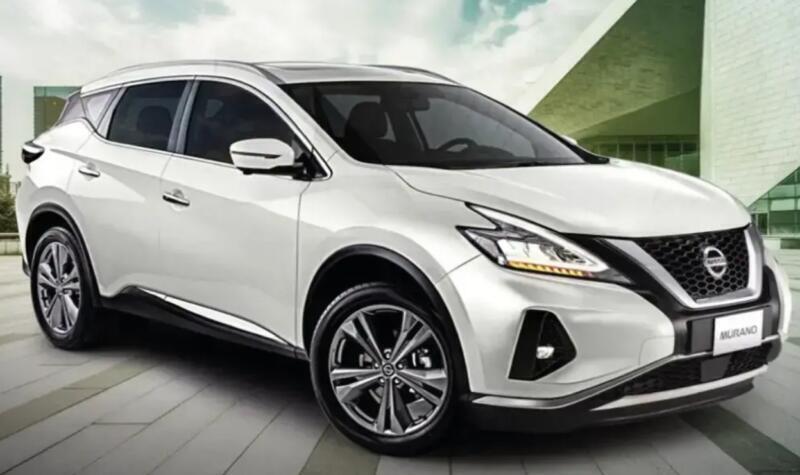
Few things are more frustrating than getting into our Nissan Murano, pressing the start button or turning the key, and getting… nothing. Maybe the dashboard lights up but the engine refuses to crank. Maybe we hear a rapid clicking noise. Perhaps the starter spins normally, yet the engine never actually fires.
A Nissan Murano not starting can have dozens of possible explanations, but the good news is that we usually do not need to treat it like a mystery novel. The symptoms give us clues. Once we separate a dead-battery problem from a fuel, starter, electrical, immobilizer, or engine-management issue, troubleshooting becomes far more manageable.
In this guide, we'll walk through the most common reasons a Nissan Murano won't start, what different sounds and warning lights can tell us, what we can safely check ourselves, and when it's wiser to hand the keys to a technician.
- Why Is My Nissan Murano Not Starting?
- 1. A Weak or Dead Battery Is Often the First Suspect
- 2. Check the Battery Terminals Before Buying Anything
- 3. Nissan Murano Clicking but Not Starting
- 4. A Faulty Starter Motor Can Leave the Murano Silent
- 5. Starter Relay or Fuse Problems
- 6. Nissan Murano Cranks but Won't Start
- 7. Fuel Delivery Problems
- 8. Crankshaft Position Sensor Problems
- 9. Camshaft Position Sensor Failure
- 10. Nissan Murano Key or Immobilizer Problem
- 11. Brake Pedal Switch Problems on Push-Button Models
- 12. Park/Neutral Safety Switch Issues
- 13. Alternator Failure Can Cause a No-Start Later
- 14. Nissan Murano Starts After a Jump but Dies Again
- 15. Parasitic Battery Drain
- 16. Engine Control Module and Electrical Faults
- 17. Could the Check Engine Light Help Diagnose the Problem?
- 18. Nissan Murano Won't Start After Sitting Overnight
- 19. Nissan Murano Won't Start When Hot
- 20. Nissan Murano Won't Start in Cold Weather
- 21. Nissan Murano Starts Then Immediately Dies
- 22. Could a Flooded Engine Be Responsible?
- 23. What About Timing Chain Problems?
- 24. Nissan Murano Not Starting After Battery Replacement
- 25. Nissan Murano Not Starting After Fueling
- 26. Step-by-Step Nissan Murano No-Start Troubleshooting
- 27. What Should We Avoid Doing?
- 28. When Can We Fix the Problem Ourselves?
- 29. When Should We Call a Mechanic or Tow Truck?
- 30. How Much Can Nissan Murano Starting Repairs Cost?
- 31. How to Reduce Future Nissan Murano Starting Problems
- Conclusion: Diagnose the Symptom Before Replacing Parts
- Frequently Asked Questions
Why Is My Nissan Murano Not Starting?
When a Murano refuses to start, we should first determine exactly what "not starting" means. It sounds obvious, but this distinction matters enormously.
A no-start condition generally falls into one of three categories:
- The vehicle has little or no electrical power.
- The engine does not crank when we attempt to start it.
- The engine cranks but does not fire and run.
Those three situations point toward very different suspects.
If the cabin lights barely glow and the dashboard flickers, we should think about the battery or battery connections first. If everything lights up normally but the engine does not turn, the starter circuit becomes more suspicious. If the engine turns enthusiastically but never starts, fuel delivery, ignition, sensors, or immobilizer problems climb higher on the list.
Think of troubleshooting like following breadcrumbs rather than replacing random parts. The behavior of the vehicle is telling us where to look.
1. A Weak or Dead Battery Is Often the First Suspect
Among all Nissan Murano starting problems, a weak 12-volt battery deserves to be checked early.
Modern vehicles depend heavily on stable electrical voltage. Even if the headlights and infotainment system work, the battery may not have enough current available to operate the starter properly.
Signs of a Weak Nissan Murano Battery
Typical symptoms include:
- Rapid clicking when we press the start button
- Slow engine cranking
- Dashboard lights dimming dramatically
- Interior lights becoming weak
- Electrical systems behaving strangely
- The vehicle starting normally after a jump-start
Cold temperatures, frequent short trips, age, corrosion, and leaving electrical accessories operating can all weaken a battery.
A battery that was "fine yesterday" can still fail today. Batteries often behave like old light bulbs—they can deteriorate gradually and then seem to die overnight.
How to Check the Battery
A multimeter gives us much more useful information than simply looking at the battery.
With the engine off, a healthy fully charged 12-volt battery will generally show around 12.6 volts. A substantially lower reading suggests that the battery may be discharged.
Voltage alone does not tell the entire story, though. A deteriorated battery might show acceptable resting voltage yet collapse under starter load. A proper battery load test can confirm its actual condition.
2. Check the Battery Terminals Before Buying Anything
Sometimes the battery itself is fine.
The problem is the connection.
Loose, dirty, or corroded terminals can prevent enough current from reaching the starter. White, green, or powdery deposits around the terminals are an obvious warning sign, but corrosion can also hide between the terminal clamp and battery post.
What We Should Inspect
Check whether:
- Both battery terminals are firmly attached.
- The terminals rotate when pushed by hand.
- There is visible corrosion.
- The negative cable is securely grounded.
- The positive cable appears damaged or overheated.
If a terminal is loose enough to move easily, that alone can produce intermittent no-start symptoms.
Why Bad Connections Can Mimic a Dead Battery
The starter motor demands a large amount of current.
A poor connection works like trying to fill a swimming pool through a drinking straw. Electricity is technically available, but not enough can flow through the restricted connection to perform the job.
3. Nissan Murano Clicking but Not Starting
Clicking noises can tell us quite a lot.
Rapid Clicking
Repeated fast clicking usually points toward insufficient voltage reaching the starter.
Possible causes include:
- Weak battery
- Discharged battery
- Poor battery terminal connection
- Damaged battery cable
- Charging-system problem
Jump-starting the Murano can help distinguish a battery-related problem from another fault.
One Solid Click
A single click followed by silence may indicate a different problem.
Possible suspects include:
- Starter motor
- Starter solenoid
- Starter relay
- Poor electrical connection
- Weak battery under load
A single click does not automatically prove that the starter is bad, so testing should come before replacement.
4. A Faulty Starter Motor Can Leave the Murano Silent
The starter motor physically turns the engine during startup. When it fails, the vehicle may have perfectly normal dashboard lights but refuse to crank.
Starter motors can wear internally after years of use.
Symptoms of a Bad Nissan Murano Starter
We may notice:
- A single clicking sound
- Intermittent starting
- No crank despite a strong battery
- Starting after several attempts
- Grinding or unusual starter noises
A starter can also fail gradually.
Perhaps the Murano starts perfectly nine times out of ten, then suddenly refuses on the tenth attempt. Intermittent behavior like this can make diagnosis annoying because the problem may disappear by the time we reach a workshop.
This content may interest you! Nissan Murano Key Fob Not Working: Causes, Fixes, and Troubleshooting
5. Starter Relay or Fuse Problems
Before condemning an expensive starter, the starter circuit itself should be considered.
A relay acts as an electrically controlled switch. If the relay fails, the starter may not receive the signal or electrical current required to operate.
Likewise, a blown fuse can interrupt the starting system.
Consulting the correct fuse-box diagram for our Murano's specific model year is important because fuse and relay layouts can vary.
Never replace a fuse with one of a higher amperage just to see whether it works. Fuses protect wiring from excessive current, and bypassing that protection can create much larger problems.
6. Nissan Murano Cranks but Won't Start
This symptom changes our investigation completely.
If the starter spins the engine at a normal speed, the battery and starter are probably doing their basic jobs.
Now the engine needs three fundamental things:
- Correct fuel delivery
- Proper ignition
- Correct engine timing and electronic control
Take away one of those, and the engine can crank all afternoon without coming to life.
7. Fuel Delivery Problems
A gasoline engine cannot run without the correct amount of fuel reaching the cylinders.
Possible fuel-related reasons for a Nissan Murano cranking but not starting include:
- Failed fuel pump
- Fuel pump relay problem
- Electrical fault in the fuel-pump circuit
- Low fuel pressure
- Clogged fuel delivery components
- Empty fuel tank
- Faulty fuel-level reading
Yes, the last two sound almost too simple, but they happen.
A malfunctioning fuel gauge or unusually low fuel level can trick us into chasing complicated electrical faults when the vehicle simply lacks usable fuel.
Can We Hear the Fuel Pump?
On many vehicles, the fuel pump can briefly operate when the ignition system is activated.
A technician may check pump operation and fuel pressure rather than simply listening, because silence alone does not confirm failure.
8. Crankshaft Position Sensor Problems
The crankshaft position sensor plays a major role in modern engine management.
It helps the engine-control module understand crankshaft position and speed so ignition and fuel injection can be properly timed.
If the signal disappears, the engine may crank without starting.
Possible Crankshaft Sensor Symptoms
Beyond a no-start situation, we might experience:
- Intermittent stalling
- Rough running
- Difficulty restarting when hot
- Check-engine light
- Hesitation
- Unpredictable starting behavior
Diagnostic trouble codes can help, although a sensor should not be replaced solely because a code mentions it. Wiring, connectors, and related electrical faults can produce similar symptoms.
9. Camshaft Position Sensor Failure
Camshaft position sensors also provide essential engine-timing information.
Depending on the specific failure, a Murano may:
- Take longer to start
- Crank without starting
- Stall unexpectedly
- Run roughly
- Trigger the check-engine light
Because crankshaft and camshaft sensor symptoms overlap, proper diagnosis is much better than guessing.
Replacing whichever sensor sounds most likely can become an expensive game of automotive roulette.
10. Nissan Murano Key or Immobilizer Problem
The Murano's security system can prevent normal starting if it does not recognize the key correctly.
A weak key-fob battery, damaged key, communication issue, or immobilizer fault can interfere with startup.
Signs the Key May Be Involved
Look for:
- Key warning messages
- Security indicator behaving unusually
- "Incorrect Key ID" style messages
- Vehicle responding inconsistently to the start button
- Normal electrical power but no engine start
If we have a spare intelligent key, trying it can provide a useful clue.
What If the Key-Fob Battery Is Dead?
A dead key-fob battery does not necessarily mean we are completely stranded.
Depending on the Murano generation, Nissan provides a backup procedure that allows the vehicle to recognize the intelligent key at close range.
Because procedures vary by model year, the owner's manual should be our reference rather than assuming every Murano works identically.
On push-button-start vehicles, the car normally needs to detect that we are pressing the brake pedal before allowing engine startup.
A faulty brake-light switch or related circuit problem can therefore produce a bizarre situation: the vehicle has power, the key appears present, yet pressing START does not crank the engine normally.
One quick clue is checking whether the brake lights illuminate when the pedal is pressed.
If they do not, the brake switch or associated circuit deserves investigation.
This content may interest you! Toyota RAV4 Hybrid Battery Problems Explained
12. Park/Neutral Safety Switch Issues
Automatic vehicles are designed to start only when the transmission is in Park or Neutral.
If the transmission-range sensor or related switch fails to correctly detect the selected gear, the Murano may refuse to crank.
Try Starting in Neutral
If the vehicle will not start in Park, carefully selecting Neutral and attempting to start it can sometimes reveal a transmission-range detection issue.
If it consistently starts in Neutral but not Park, further diagnosis of the shift-position or range-sensor system is warranted.
13. Alternator Failure Can Cause a No-Start Later
The alternator normally does not start the engine directly.
The battery handles that job.
However, the alternator recharges the battery while the engine runs. If it stops charging correctly, the Murano may continue running temporarily while draining the battery.
Eventually, we park the vehicle and discover that it will not restart.
Possible Alternator Warning Signs
Before the no-start event, we might notice:
- Battery warning light
- Dimming headlights
- Electrical malfunctions
- Repeated dead batteries
- Vehicle stalling while driving
- Battery needing frequent jump-starts
If a newly charged or recently replaced battery keeps becoming discharged, we should test the charging system rather than repeatedly blaming batteries.
14. Nissan Murano Starts After a Jump but Dies Again
This scenario often causes confusion.
If jump-starting works, many of us immediately assume the battery is defective. Sometimes it is.
But if the Murano soon dies or repeatedly needs another jump, we should investigate why the battery is losing charge.
Possible explanations include:
- Failing alternator
- Parasitic electrical drain
- Damaged charging cables
- Loose battery terminals
- Battery unable to hold charge
A charging-system test and parasitic-draw test can separate these possibilities.
15. Parasitic Battery Drain
A parasitic drain occurs when an electrical component continues consuming excessive power while the vehicle is switched off.
Small electrical loads are normal because modern vehicles maintain systems such as alarms, keyless entry, and computer memory.
The problem begins when something consumes far more current than intended.
Potential Sources of Battery Drain
These can include:
- Interior lights staying on
- Accessories plugged into power outlets
- Faulty control modules
- Aftermarket alarms
- Dash cameras
- Audio equipment
- Wiring faults
- Components failing to enter sleep mode
A Murano that starts perfectly after driving but repeatedly has a dead battery after sitting overnight may have a parasitic-drain issue.
16. Engine Control Module and Electrical Faults
Modern vehicles are basically rolling computer networks with an engine attached.
The Nissan Murano relies on numerous control modules, sensors, wiring circuits, grounds, and communication networks. If an essential computer loses power, ground, or communication, the engine may not start.
Electrical problems may arise from:
- Damaged wiring
- Corroded connectors
- Water intrusion
- Poor grounds
- Failed relays
- Module faults
- Previous repair damage
This is where a professional diagnostic scan becomes especially valuable.
17. Could the Check Engine Light Help Diagnose the Problem?
Yes, but it should be treated as evidence rather than a final verdict.
An OBD-II scanner may reveal diagnostic trouble codes related to:
- Crankshaft sensors
- Camshaft sensors
- Immobilizer communication
- Fuel systems
- Electronic throttle control
- Engine-management circuits
However, codes describe detected conditions. They do not always identify the failed component directly.
Suppose a crankshaft sensor code appears. The sensor might indeed be defective, but damaged wiring or a poor connector could also interrupt the signal.
Diagnosis should confirm the cause.
18. Nissan Murano Won't Start After Sitting Overnight
When the vehicle works normally during the day but struggles after sitting for many hours, battery condition and parasitic drain move higher on our list.
A weak battery can recover slightly after driving yet lose usable charge overnight.
What We Can Observe
Ask ourselves:
- Does the starter crank slowly in the morning?
- Does jump-starting immediately solve the problem?
- Does the battery repeatedly test low?
- Have accessories recently been installed?
- Are interior lights staying on?
- Does the vehicle start normally if parked for only an hour?
Patterns matter.
Automotive diagnosis becomes easier when we stop looking at one failure and start looking at when and how that failure occurs.
19. Nissan Murano Won't Start When Hot
A heat-related no-start problem can point toward components that fail once they become hot.
This content may interest you! Toyota RAV4 Transmission Problems You Should Know
Possible causes may include:
- Crankshaft position sensor faults
- Camshaft position sensor faults
- Starter heat-related failure
- Electrical connection problems
- Fuel-delivery problems
Suppose the Murano starts perfectly when cold, runs normally, but refuses to restart after a short stop. Then, after cooling for 30 minutes, it starts again.
That pattern is extremely useful diagnostic information and should be shared with the technician.
20. Nissan Murano Won't Start in Cold Weather
Cold weather places extra stress on batteries and starting systems.
Chemical reactions inside a battery slow as temperatures fall, while the engine itself can require more effort to turn.
A marginal battery that seemed perfectly adequate during warm weather may suddenly appear dead during the first genuinely cold morning.
Other cold-related contributors can include:
- Thick engine oil
- Moisture or electrical problems
- Fuel-related issues
- Poor battery connections
Before winter, battery testing can prevent the classic freezing-morning surprise.
21. Nissan Murano Starts Then Immediately Dies
What if the engine actually fires but shuts down almost immediately?
That is technically different from a pure no-start condition.
Potential causes can include:
- Immobilizer intervention
- Fuel-pressure problems
- Air-intake or throttle-control issues
- Sensor failures
- Engine-management faults
- Electrical power interruptions
Watching the dashboard during those few seconds can provide clues.
Does a security light remain illuminated? Does the check-engine light behave unusually? Does the engine stumble before dying, or does it switch off abruptly as if someone turned the ignition off?
Those details matter.
22. Could a Flooded Engine Be Responsible?
Modern fuel-injected engines are much harder to flood than older carbureted vehicles, but excessive fuel can still occasionally contribute to difficult starting.
Repeated short starting attempts without allowing the engine to run normally may aggravate certain situations.
If we smell strong gasoline after repeated cranking, it makes sense to stop rather than endlessly operating the starter.
Continuous cranking can overheat the starter motor and further discharge the battery.
23. What About Timing Chain Problems?
A serious mechanical timing problem can cause a crank-no-start condition, although it is generally less common than battery, sensor, fuel, or electrical issues.
The Murano's V6 engines use timing chains rather than the routine timing belts found in some vehicles.
If engine timing is severely incorrect, we might notice unusual cranking sounds or compression-related symptoms.
Mechanical timing diagnosis is not something we should guess at based on sound alone. Compression testing, scan data, and mechanical inspection may be required.
24. Nissan Murano Not Starting After Battery Replacement
It can be especially confusing when the vehicle refuses to start immediately after a battery has been replaced.
Start by checking the basics.
Things to Recheck
- Are the positive and negative terminals tight?
- Were terminal covers or protective materials removed?
- Is battery polarity correct?
- Were any connectors accidentally disturbed?
- Does the replacement battery have the correct specification?
- Does the intelligent key work normally?
- Are warning messages appearing?
Sometimes the problem existed before the battery was replaced, and the new battery merely failed to solve it.
That is why testing beats parts swapping.
25. Nissan Murano Not Starting After Fueling
A vehicle that suddenly becomes difficult to start after refueling can sometimes point toward an evaporative-emissions system issue.
One possible culprit on modern vehicles is a purge-control problem that allows excess fuel vapour into the intake.
Typical clues can include:
- Extended cranking immediately after filling the tank
- Rough running after startup
- Check-engine light
- Normal starting at other times
This symptom pattern is worth mentioning to a technician because it narrows the diagnostic field considerably.
26. Step-by-Step Nissan Murano No-Start Troubleshooting
Instead of replacing random components, we can follow a logical sequence.
Step 1: Observe What Happens
Press the start button and listen.
Does the engine:
- Do absolutely nothing?
- Click rapidly?
- Click once?
- Crank slowly?
- Crank normally without starting?
- Start and immediately stall?
That first observation already cuts the problem into useful categories.
Step 2: Check Electrical Power
Look at:
This content may interest you! Kia Cerato Won’t Start: Causes, Diagnosis, and Fixes
- Dashboard brightness
- Headlights
- Interior lights
- Battery terminals
- Battery voltage
If electricity appears weak, start with the battery and connections.
Step 3: Try a Proper Jump-Start
If the Murano starts with external power, investigate battery health and charging performance.
Do not assume a jump-start proves the battery itself is defective.
For push-button-start models, try:
- The spare key
- The emergency intelligent-key starting method
- Confirming the brake lights work
Pay attention to security or key warnings.
Step 5: Try Neutral
If the engine will not crank in Park, attempt a start in Neutral.
A successful Neutral start can point toward the transmission-range system.
Step 6: Scan for Diagnostic Trouble Codes
If the engine cranks but will not run—or if warning lights are present—an OBD-II scan can provide valuable direction.
Step 7: Test Fuel and Engine Signals
At this stage, professional testing may involve:
- Fuel-pressure measurement
- Injector signal testing
- Ignition testing
- Crankshaft/camshaft signal analysis
- Starter voltage-drop testing
- Control-module communication checks
This is far better than throwing replacement parts at the vehicle.
27. What Should We Avoid Doing?
A Murano that refuses to start can make us impatient, but certain responses can make the situation worse.
Avoid:
- Cranking the engine continuously for long periods
- Replacing expensive parts without testing
- Installing larger fuses
- Disconnecting wiring randomly
- Repeatedly jump-starting a battery without finding the cause
- Assuming every no-start problem is a battery issue
Modern vehicles reward methodical diagnosis.
Guessing gets expensive quickly.
28. When Can We Fix the Problem Ourselves?
Some starting issues are quite approachable for experienced DIY owners.
Basic tasks may include:
- Cleaning battery terminals
- Replacing a weak battery
- Changing the key-fob battery
- Checking visible fuses
- Trying a spare intelligent key
- Reading OBD-II trouble codes
Anything involving fuel-pressure diagnosis, starter-circuit testing, immobilizer programming, complex wiring, or internal engine problems may justify professional help.
We should also remember that electrical systems can be damaged by improper testing. A cheap multimeter in knowledgeable hands is useful; random probing is not.
29. When Should We Call a Mechanic or Tow Truck?
Professional diagnosis becomes sensible when:
- The vehicle repeatedly refuses to start.
- Jump-starting does not help.
- The engine cranks normally but never fires.
- We smell fuel strongly.
- There are immobilizer warnings.
- The starter makes grinding noises.
- Major electrical symptoms are present.
- The problem is intermittent and difficult to reproduce.
- The vehicle starts and stalls repeatedly.
If there is any indication of severe mechanical damage, smoke, overheating wiring, or fuel leakage, we should stop attempting to start the vehicle.
30. How Much Can Nissan Murano Starting Repairs Cost?
Repair cost varies enormously because "not starting" describes a symptom, not a single repair.
A basic key-fob battery or corroded terminal may cost very little to fix.
A replacement starter, fuel pump, control module, immobilizer repair, wiring diagnosis, or mechanical engine repair can cost far more.
The most important money-saving step is therefore diagnosis.
Paying for an accurate test can feel less satisfying than buying a shiny new component, but it often prevents us from buying three parts we never needed.
31. How to Reduce Future Nissan Murano Starting Problems
Not every failure can be prevented, but basic maintenance reduces the odds of unpleasant surprises.
A practical routine includes:
- Test an ageing battery periodically.
- Keep battery terminals clean and secure.
- Investigate repeated battery discharge immediately.
- Address warning lights instead of ignoring them.
- Replace damaged key-fob batteries promptly.
- Keep up with scheduled maintenance.
- Diagnose intermittent stalling or hard starting early.
- Avoid leaving aftermarket electronics powered unnecessarily.
A starting problem rarely becomes more convenient by waiting.
Small symptoms are often the vehicle whispering before it starts shouting.
Conclusion: Diagnose the Symptom Before Replacing Parts
When our Nissan Murano is not starting, the temptation is to blame the battery immediately. Sometimes that instinct is correct, but a no-start condition can also come from battery connections, a starter, starter relay, key recognition system, brake switch, transmission-range sensor, fuel system, crankshaft sensor, camshaft sensor, alternator, wiring fault, or engine-management problem.
The fastest route to the answer begins with one simple question: What exactly happens when we try to start it?
Rapid clicking points us in one direction. A single click points somewhere else. Normal cranking without ignition sends us down an entirely different path.
By observing the symptoms, checking the basics, scanning for faults, and testing components rather than guessing, we can usually turn a frustrating no-start into a logical diagnostic process.
And that's exactly what we want. Car problems are stressful enough without turning the parts counter into a casino.
Frequently Asked Questions
1. Why does my Nissan Murano have power but won't start?
If the dashboard and accessories have power but the engine does not crank, possible causes include a weak battery under load, faulty starter motor, starter relay problem, brake-pedal switch fault, transmission-range sensor issue, immobilizer problem, or poor electrical connection. Battery load testing and starter-circuit testing can narrow it down.
This content may interest you! Toyota Voxy Not Starting: Causes, Checks, and Fixes
2. Why does my Nissan Murano click but not start?
Rapid clicking most commonly indicates insufficient voltage reaching the starter, often because of a weak battery or poor battery connection. A single solid click may point toward the starter motor, starter solenoid, relay, wiring, or a battery that collapses under load.
3. Why does my Nissan Murano crank but not start?
If the engine cranks normally but does not fire, possible causes include insufficient fuel pressure, a crankshaft or camshaft position sensor fault, ignition problems, immobilizer issues, wiring faults, or another engine-management problem. Scanning for diagnostic trouble codes is a useful next step.
4. Can a bad key fob stop a Nissan Murano from starting?
Yes. If the vehicle cannot properly recognize the intelligent key, the security system may prevent normal startup. A weak key-fob battery, damaged key, communication problem, or immobilizer fault may be responsible. Trying a spare key can help identify whether the key itself is involved.
5. Why does my Nissan Murano start with a jump but later won't start again?
The battery may be weak, but the problem could also involve the charging system or an electrical drain. If the battery repeatedly loses charge, have the battery, alternator, connections, and parasitic current draw tested rather than repeatedly jump-starting the vehicle.
Leave a Reply