
Toyota RAV4 Transmission Problems You Should Know
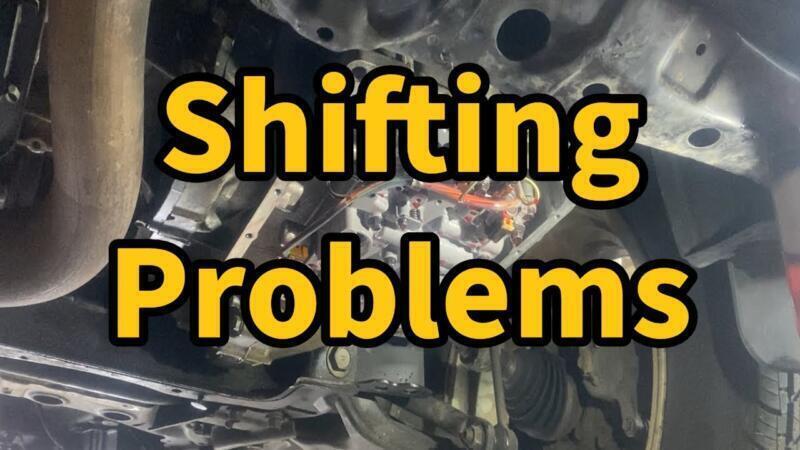
The Toyota RAV4, a perennial favorite in the compact SUV segment, is renowned for its reliability and longevity. However, like any complex machine, it has its flaws. Among the most significant concerns reported by owners involve the vehicle's transmission.
From harsh shifting and hesitation to premature failure, particularly in certain model years, these problems can lead to costly repairs. Understanding these common transmission issues ranging from torque converter shudder to software glitches is crucial for current owners and prospective buyers alike.
This article details the specific problems, their symptoms, and what you need to know to keep your RAV4 running smoothly.
Toyota RAV4 Transmission Problems You Should Know
The Toyota RAV4 is widely regarded as a reliable compact SUV, but like any vehicle, it has experienced its share of transmission issues across certain model years. Understanding these common problems is crucial for current owners and potential buyers, as they can lead to costly repairs if left unchecked.
The most frequent complaints revolve around hesitation, shuddering, rough shifting, and, in severe cases, complete transmission failure.
These issues often stem from the continuously variable transmission (CVT) used in many RAV4 models, particularly between 2014 and 2018, as well as the now-discontinued 6-speed automatic transmission found in earlier versions. Being aware of the symptoms and affected generations can help you address problems early, potentially saving thousands of dollars.
Common Symptoms of a Failing RAV4 Transmission
One of the most noticeable signs of transmission trouble in a Toyota RAV4 is a persistent shudder or vibration during acceleration, especially at low speeds between 20 and 40 mph. This sensation often feels like driving over a rumble strip and is frequently linked to torque converter issues or worn CVT belts.
Additionally, many owners report hesitation or a delay when shifting from Park to Drive or when trying to merge onto a highway, which can be a safety hazard.
Other common indicators include a sudden jerking motion during gear changes, a whining or grinding noise from the transmission area, and in some cases, the vehicle unexpectedly slipping out of gear while driving, often accompanied by the check engine light.
Most Affected Model Years and Recalls
While no generation is entirely immune, certain Toyota RAV4 model years have faced significantly more transmission-related complaints. The 2014 to 2018 models equipped with the CVT are the most notorious for issues, with the 2015 and 2016 RAV4s reporting the highest frequency of transmission shudder and failure in consumer databases.
This content may interest you! Ford Ranger Automatic Transmission Problems
Toyota acknowledged these problems in some cases, issuing a Technical Service Bulletin (TSB) for reprogramming the transmission control module, but this does not always fix physical damage.
Furthermore, specific years like the 2006 and 2007 RAV4s with the 4-speed automatic transmission have known problems with their torque converters, though they are generally more durable than CVTs. It is vital to check your Vehicle Identification Number (VIN) for any open recalls or warranty extensions regarding the transmission.
| Model Year | Primary Issue | Common Repair |
|---|---|---|
| 2006-2007 | Torque converter shudder | Torque converter replacement |
| 2013-2014 | Harsh shifting on 6-speed auto | ECU recalibration |
| 2015-2018 | CVT shudder & belt wear | CVT fluid flush or replacement |
| 2019-2020 | Delayed engagement in Hybrid | Software update |
Preventive Maintenance and Fixes
To extend the life of your Toyota RAV4's transmission, proactive maintenance is your best defense, regardless of the model year. For vehicles with a CVT, it is critical to change the transmission fluid every 30,000 to 40,000 miles, as Toyota’s lifetime fluid claim is often disputed by mechanics who see sludge buildup in older units.
Regular fluid changes can prevent the shudder and early belt failure common in these transmissions. For the 6-speed automatic transmission, using only genuine Toyota WS (World Standard) fluid during a drain-and-fill service is paramount; using aftermarket fluids can accelerate clutch wear.
If you already experience rough shifting, a transmission control module software update from a dealer can sometimes resolve electronic glitches without mechanical repairs, while a complete fluid exchange may clear out contaminants causing hesitation.
Common Symptoms of Toyota RAV4 Transmission Failure
Recognizing the early signs of transmission trouble in your Toyota RAV4 is crucial for preventing costly repairs. The most frequent complaints include a delayed engagement when shifting from Park to Drive or Reverse, often accompanied by a noticeable hesitation or lurching.
Drivers may also experience jerking or shuddering during acceleration, especially at low speeds, which can indicate worn clutches or faulty solenoids.
Additionally, unusual whining or grinding noises while driving, along with a burning smell (often suggesting overheating transmission fluid), are red flags that demand immediate inspection. Ignoring these symptoms can lead to complete transmission failure.
Torque Converter Shudder and Vibration
One of the most reported issues in the Toyota RAV4, particularly in models from 2013 to 2018, is a persistent shudder or vibration occurring at highway speeds, typically between 40 and 60 mph. This is usually caused by a failing torque converter that cannot properly lock up, leading to uncontrolled fluid coupling.
The shudder feels like driving over a rough road and is often accompanied by a slight RPM fluctuation. While a transmission fluid flush might temporarily mask the problem, the definitive fix often requires replacing the torque converter unit.
This content may interest you! Ford Ranger Steering Problems and Solutions
Delayed or Harsh Shifting Between Gears
A noticeable delay when shifting from Park to Drive or Reverse, or a sudden, jolting engagement after a pause, is a classic sign of low hydraulic pressure within the transmission.
This issue is frequently linked to a worn valve body or clogged transmission filter. In many early 2010s RAV4 models, the problem stems from defective shift solenoids that fail to regulate fluid flow correctly. If the shifting becomes consistently harsh, it can rapidly wear down internal clutch packs and bands, leading to the need for a full rebuild.
Fluid Leaks and Low Transmission Fluid Levels
Red or brown fluid puddles under the front of your RAV4 are a direct indicator of a transmission leak. Common leak sources include a cracked transmission pan gasket, a loose drain plug, or damaged cooler lines that connect the transmission to the radiator. Low fluid levels cause the transmission to slip, overheat, and shift erratically.
It is critical to note that many modern RAV4 transmissions are sealed units with no dipstick, making routine fluid level checks difficult. If a leak is suspected, a professional pressure test is often required to locate the exact source.
Gear Slipping and Engine Revving
Gear slipping occurs when the transmission unexpectedly drops out of gear or fails to hold a gear under acceleration, causing the engine to rev loudly without a corresponding increase in speed. This is a symptom of worn clutch packs, a broken one-way clutch, or severe internal hydraulic failure.
For RAV4s equipped with a CVT (Continuously Variable Transmission) , slipping can manifest as a rubber-band sensation where the engine revs high but acceleration feels delayed. Continuing to drive with slipping gears will cause catastrophic internal damage.
Transmission Overheating and Warning Lights
The check engine light or a specific transmission temperature warning illuminated on the dashboard is a serious concern for any RAV4. Overheating is often caused by overloading the vehicle, towing heavy loads without a transmission cooler, or low fluid levels.
In 2019 and newer RAV4 models, a common complaint is the transmission entering "limp mode" or reduced power mode after climbing a steep grade. Overheated transmission fluid loses its lubricating properties, breaking down and causing sludge and varnish to buildup inside the valve body, which can eventually seize the transmission.
Frequently Asked Questions
What are the most common transmission problems in the Toyota RAV4?
The most frequent issues include rough shifting, hesitation during acceleration, and transmission fluid leaks. Many owners report a shuddering sensation when the transmission shifts gears, especially in models from 2013 to 2018. Torque converter problems are also common, causing erratic behavior. Regular maintenance can help, but some defects require professional diagnosis and repair.
At what mileage do RAV4 transmission problems typically appear?
Transmission issues often emerge between 60,000 and 100,000 miles, though some occur earlier. Models with continuous variable transmissions (CVT) may show signs at 40,000 miles if poorly maintained. Neglecting fluid changes can accelerate wear. Pay attention to symptoms like whining noises or delayed engagement, as early detection can prevent costly repairs.
This content may interest you! Common AWD System Problems in the Toyota RAV4
How much does it cost to fix a Toyota RAV4 transmission?
Repair costs vary widely. Minor fixes like fluid flushes or sensor replacements range from $150 to $400. Replacing a faulty torque converter costs $800–$1,500, while a full transmission rebuild or replacement can reach $3,000–$5,000. The exact price depends on your model year, labor rates, and whether you use OEM or aftermarket parts.
Can I prevent Toyota RAV4 transmission problems?
Yes, preventative maintenance is key. Change transmission fluid every 30,000–60,000 miles per your owner’s manual. Avoid harsh acceleration or towing beyond capacity, as added stress wears components faster. Regularly check for leaks and address warning lights promptly. Using genuine Toyota fluid ensures optimal performance. Proactive care extends transmission life significantly.
Leave a Reply