
Common Toyota RAV4 Suspension Issues
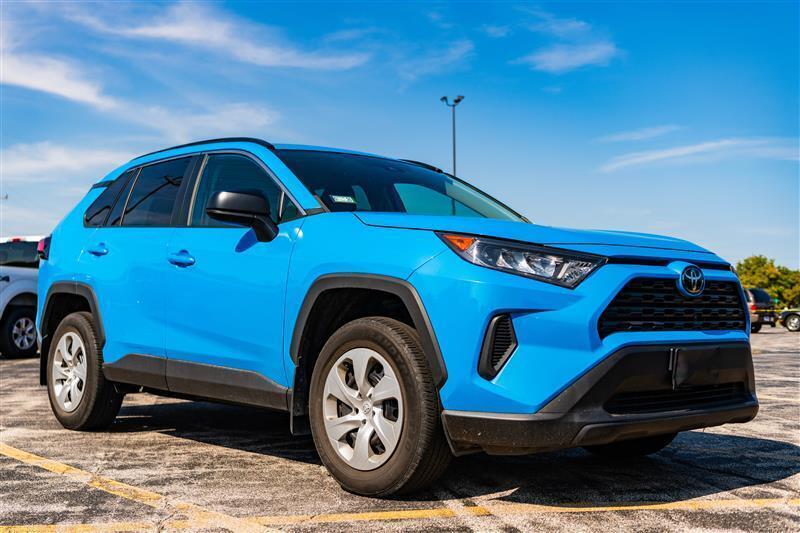
The Toyota RAV4, renowned for its reliability and versatility, can encounter suspension problems as it ages. Common issues include premature wear of struts and shock absorbers, leading to a bouncy ride or excessive nose diving during braking.
Sway bar link failures often produce clunking noises over bumps, while rear coil spring breakage, particularly in certain model years, can cause sagging and compromised handling. Additionally, worn control arm bushings may result in steering vibrations and vague road feel.
Recognizing these symptoms early is crucial for maintaining ride comfort and safety, as neglecting suspension wear can accelerate tire wear and affect overall vehicle stability.
Common Toyota RAV4 Suspension Issues: What Every Owner Should Know
The Toyota RAV4 is renowned for its reliability, but like any vehicle, it is not immune to suspension problems over time. Common suspension issues can affect ride quality, handling, and tire wear due to worn components, rough driving conditions, or manufacturing defects.
Understanding these issues allows owners to identify symptoms early and address them to maintain safety and comfort. This guide explores the most frequent suspension challenges across different RAV4 generations.
Rear Shock Absorber Leaks and Reduced Damping Performance
One of the most reported issues, particularly in the 2006-2012 model years and again in some 2019-2023 models, is premature failure of the rear shock absorbers. Symptoms include a bouncy or unstable rear end, excessive body roll during turns, and visible oil leakage on the shock body.
This is often caused by internal seal wear due to road salt corrosion or continuous heavy loads. Replacing the shocks with OEM or high-quality aftermarket units can restore stability, but owners should also check for worn bushings to prevent recurrence of the issue.
Worn Stabilizer Bar Links Causing Clunking Noises
A classic indicator of suspension wear in the RAV4 is a loud clunking or rattling sound from the front or rear suspension when driving over bumps or turning sharply. This is typically due to worn stabilizer bar (sway bar) end links, which are prone to failure due to their plastic ball joints.
The noise can be easily reproduced by rocking the vehicle or turning the steering wheel at low speeds. Inspection of the links for play or broken boots is crucial, as ignoring this can lead to increased tire wear and reduced cornering stability. Replacement is relatively straightforward and affordable.
Premature Strut Mount Bearing Failure
Another frequent concern, especially in the RAV4 2013-2018 models, involves the front strut mount bearings. When these bearings fail, you may hear a popping or groaning noise when turning the steering wheel while stationary or at low speeds. The issue stems from the bearing deteriorating, which restricts the steering rotation and can cause uneven wear on the tire.
Corrosion and contamination from road debris accelerate this process. Replacing both front strut mounts and bearings, often alongside new struts, resolves the noise and restores smooth steering response.
This content may interest you! Common Problems High-Mileage Ford Rangers Develop
| Suspension Issue | Common Symptoms | Affected Model Years | Typical Repair Approach |
|---|---|---|---|
| Rear Shock Absorber Leaks | Bouncy ride, rear-end sag, visible oil on shocks | 2006-2012, 2019-2023 | Replace rear shock absorbers |
| Worn Stabilizer Bar Links | Clunking noise over bumps, rattling when turning | All generations, common 2001-2023 | Replace stabilizer bar end links |
| Strut Mount Bearing Failure | Popping or groaning noise when turning at low speed | 2013-2018 | Replace strut mounts and bearings |
| Coil Spring Breakage | Unusual knocking, vehicle leaning to one side | 2006-2012, 2019-2023 | Replace coil springs (both sides) |
| Control Arm Bushing Wear | Vibration, imprecise steering, clunking noise | High mileage RAV4s (all years) | Replace control arms or bushings |
Comprehensive Guide to Recognizing Early Symptoms of Toyota RAV4 Suspension Failure
Recognizing common suspension issues in the Toyota RAV4 early can prevent costly repairs. Owners report that premature wear of struts and shocks leads to excessive bouncing, while clunking noises often indicate loose stabilizer links or worn ball joints. Uneven tire wear and a drifting steering wheel typically point to alignment problems stemming from weak coil springs.
Neglecting these signs can compromise vehicle stability and ride comfort, making frequent inspection critical for maintaining the RAV4's reliability.
Worn Struts and Shocks Leading to Nose Diving
Worn struts and shock absorbers are a primary issue in older RAV4 models, causing noticeable nose diving during braking and bottoming out over bumps. This condition decreases tire-to-road contact and increases stopping distances. Drivers may also feel excessive body roll in corners, which accelerates tire wear and reduces steering response.
Clunking Noises from Stabilizer Bar Links
Loose or broken stabilizer bar links produce a distinct metal-to-metal clunking sound when driving over uneven surfaces. This occurs because the rubber bushings degrade, allowing play in the sway bar connection. Over time, this weakens overall chassis stability, leading to more pronounced swaying during lane changes.
Uneven Tire Wear Due to Misaligned Control Arms
Worn lower control arm bushings frequently cause uneven tire wear patterns, such as feathering or cupping on the inside edges. The alignment angles shift, forcing the tires to drag while turning. This issue often masks itself as a vibration at highway speeds and can damage other steering components.
Broken Coil Springs Affecting Ride Height
Corrosion and metal fatigue trigger coil spring breakage in salt-belt regions, leading to a drooped vehicle stance on one side. A ruptured spring also produces scraping sounds from metal rubbing against the strut tower, and the sudden loss of load support makes the RAV4 feel unstable during towing.
Leaking Shock Absorbers Reducing Damping Capacity
Fluid leaks from shock absorbers create greasy residue on the shock body, indicating internal seals have failed. Without proper hydraulic damping, the suspension loses ability to control spring oscillations, resulting in a bumpy ride and poor weight transfer during emergency maneuvers.
Frequently Asked Questions
What are the most common suspension noises in a Toyota RAV4?
The most frequent suspension noises are clunking, creaking, and squeaking sounds. Clunking often comes from worn sway bar links or bushings. Creaking can indicate aging control arm bushings, while squeaking usually points to dry ball joints or strut mounts. These noises typically worsen over bumps or when turning at low speeds.
How long do Toyota RAV4 struts typically last before needing replacement?
Toyota RAV4 struts generally last between 50,000 and 80,000 miles depending on driving conditions. Frequent driving on rough roads or carrying heavy loads can shorten this lifespan significantly. Signs of worn struts include excessive bouncing after bumps, uneven tire wear, and a bouncy ride that feels less controlled than normal.
Why does my RAV4 feel like it's swaying or leaning in turns?
This feeling of swaying or leaning is most commonly caused by worn stabilizer bar links or bushings. These components connect the suspension to the anti-roll bar, which controls body roll. When worn, the vehicle leans more in corners and may feel unstable during lane changes, especially at highway speeds.
What causes uneven tire wear on a Toyota RAV4?
Uneven tire wear is often linked to worn suspension components like control arm bushings, ball joints, or struts that have lost their dampening ability. A misaligned suspension due to worn parts can also cause tires to wear unevenly on the inner or outer edges. Worn shocks or struts that can't hold the tire firmly against the road accelerate this wear pattern.
This content may interest you! Audi A3 ESP Fault: Causes, Symptoms, Diagnosis, and Fixes
Leave a Reply