
Common Problems High-Mileage Ford Rangers Develop
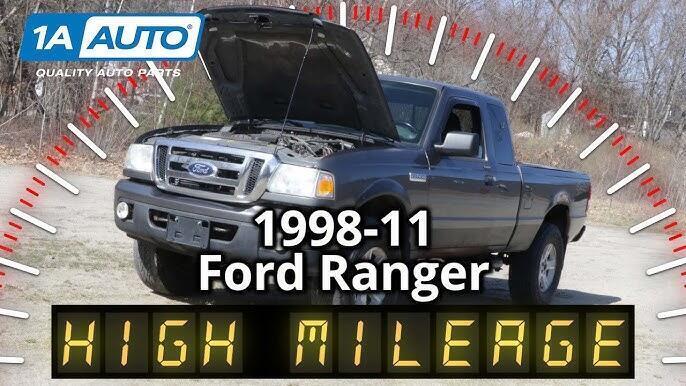
The Ford Ranger has long been celebrated for its durability and versatility, but even the most reliable trucks encounter issues as they accumulate high mileage. Owners of Rangers surpassing 100,000 miles often report recurring problems that stem from wear and tear, design limitations, or neglected maintenance.
From timing chain tensioner failures in the 2.3L and 4.0L engines to transmission shuddering in automatic models, these vehicles develop distinct quirks over time. Rust-prone rear leaf spring shackles, failing camshaft position sensors, and cracked exhaust manifolds are additional concerns that can impact performance and reliability.
Understanding these common faults helps owners anticipate repairs and extend the life of their trusted workhorse.
Common Problems High-Mileage Ford Rangers Develop
As a Ford Ranger accumulates significant mileage, typically over 100,000 miles, specific mechanical and electrical components begin to show wear due to age and stress. These issues are frequently reported by owners and mechanics, ranging from transmission quirks to rust concerns.
Understanding these failure points can help you anticipate repairs and maintain the truck's longevity. The most prevalent problems involve the automatic transmission, timing chain tensioners, and rust on the frame and body panels.
Timing Chain Tensioner Failure
High-mileage Ford Rangers equipped with the 3.0L or 4.0L V6 engines often suffer from a failing timing chain tensioner. Over time, the plastic guides become brittle and can crack, leading to a loose chain. This results in a characteristic rattling noise from the front of the engine, especially on cold starts.
If left unaddressed, a broken chain can cause severe internal engine damage, potentially destroying the valves and pistons. Regular oil changes are critical, as sludge buildup accelerates guide wear.
Automatic Transmission Slipping and Hard Shifts
The 5R55E and 4R44E automatic transmissions in older high-mileage Rangers are notorious for developing hard shifting, slipping between gears, or failing to engage reverse. This is often caused by worn-out internal seals and a clogged valve body, which reduces hydraulic pressure.
Driving habits, such as towing heavy loads without proper transmission cooling, significantly shorten the transmission's lifespan. Replacing the transmission fluid and filter at recommended intervals is essential to delay these symptoms.
This content may interest you! Ford Ranger Steering Problems and Solutions
Frame and Body Rust
Structural rust is a critical issue for high-mileage Ford Rangers, particularly those used in snowy regions where road salt is common.
The rear frame rails, especially behind the rear axle and around the leaf spring hangers, are prone to severe corrosion. This can compromise the vehicle's structural integrity, making it unsafe to drive. While surface rust on the bed and rocker panels is cosmetic, perforated frame sections often require expensive welding repairs or total frame replacement.
| Problem | Primary Cause | Common Mileage Range | Repair Complexity |
|---|---|---|---|
| Timing Chain Tensioner Failure | Worn plastic guides and low oil pressure | 100,000 – 150,000 miles | High (engine disassembly required) |
| Transmission Slipping/Hard Shifts | Worn seals and clogged valve body | 120,000 – 180,000 miles | Moderate to High (rebuild or replacement) |
| Frame and Body Rust | Road salt exposure and lack of undercoating | 100,000+ miles (varies by region) | High (welding or frame replacement) |
Common Transmission Issues in High-Mileage Ford Rangers
As Ford Rangers accumulate high mileage, the transmission system frequently becomes a source of trouble, particularly in automatic models.
The 5R55E and 4R44E transmissions are known for hard shifting, slipping between gears, or delayed engagement, often caused by worn-out solenoids, degraded valve body components, or low fluid levels from neglected maintenance.
Manual transmissions, while generally more durable, can develop clutch wear, synchro failure (especially in 2nd and 3rd gears), and leaking seals that lead to gear oil loss. Regular fluid changes and early diagnosis of shuddering or whining noises are critical to avoid costly rebuilds.
Failed Timing Chain Tensioners
The 2.3L Duratec and 4.0L SOHC V6 engines in high-mileage Rangers are notorious for timing chain tensioner failure. Plastic guides break down over time, causing the chain to rattle against the cover, especially on cold starts. If ignored, this can lead to chain skip and catastrophic engine damage.
Symptoms include a rattling noise from the front of the engine and a check engine light with codes like P0016. Replacing the tensioners and guides with metal-reinforced parts is the only reliable fix.
Cracked Exhaust Manifolds
Frequent exhaust manifold cracking occurs on the 4.0L V6, particularly around the rear cylinder. Thermal cycling and poor casting quality cause hairline fractures that produce a ticking sound that gets louder as the engine warms. This reduces fuel economy and can allow exhaust fumes into the cabin.
Warped flanges and broken studs complicate the replacement job. Upgrading to aftermarket tubular manifolds often provides a longer-lasting solution.
This content may interest you! Ford Ranger DPF Problems Explained
Worn Ball Joints and Suspension Components
The twin I-beam front suspension on older Ford Rangers is inherently prone to ball joint wear, especially on trucks used for towing or off-roading. High-mileage examples often exhibit clunking noises over bumps, uneven tire wear, and loose steering due to worn control arm bushings and tie rod ends.
The radius arm bushings also degrade, causing the axle to shift. Regular greasing of factory fittings and replacement with greasable aftermarket ball joints can extend life significantly.
Rust on Frame and Critical Structures
Frame rust is a severe issue for high-mileage Rangers, particularly models from 1998-2011 in salt-belt states. The rear leaf spring hangers and crossmembers are common failure points, where corrosion can cause the suspension to detach. Brake lines and fuel tank straps also rot.
Visible bubbling paint, flaking metal, or holes in the frame indicate structural weakness. Undercoating and fluid film applications are proactive measures, but extensive rust often totals the vehicle.
Faulty Ignition Coil Packs and Spark Plug Issues
The 3.0L Vulcan V6 and 2.3L engines frequently experience ignition coil pack failure as mileage climbs. Cracking of the coil housing allows moisture to short out the circuit, causing misfires, rough idling, and poor acceleration. Additionally, the spark plugs in the 4.0L SOHC are prone to blowing out of the cylinder head due to stripped threads or over-torquing.
This results in a loud popping noise and loss of power. Replacing coils with high-quality OEM units and torquing plugs to spec prevents recurrence.
Frequently Asked Questions
Why do timing chain issues commonly occur in high-mileage Ford Rangers?
Timing chain problems in high-mileage Ford Rangers, especially in 4.0L SOHC engines, stem from stretched chains or failed plastic guides and tensioners. Oil sludge accumulation from infrequent changes accelerates wear. Symptoms include rattling noises on startup, rough idling, or potential engine misfires. Regular oil changes with quality synthetic oil can prolong life, but replacement around 150,000-200,000 miles is often necessary to prevent catastrophic engine failure.
What causes transmission failure in older Ford Rangers?
High-mileage Ford Rangers often face transmission issues like slipping, harsh shifting, or torque converter shudder. The 5R55E automatic is prone to solenoid pack failures and worn clutch packs due to insufficient fluid changes or overheating. Towing heavy loads without proper cooling exacerbates wear. Flushing transmission fluid every 30,000 miles and using OEM filters can mitigate problems, but rebuilds or replacements become likely beyond 150,000 miles.
Why do Ford Rangers develop rust problems in high-mileage examples?
Rust in high-mileage Ford Rangers commonly affects rear wheel wells, cab corners, and frame crossmembers due to road salt exposure and factory paint flaws. The thin sheet metal accelerates corrosion in damp climates. Visible bubbling paint or structural weakness indicates advanced rot. Regular washing, undercoating with rust inhibitors, and inspecting drain plugs for moisture retention can slow damage, but severe rust often requires panel replacement or frame repair.
This content may interest you! Why Does My Toyota RAV4 Make a Clicking Noise?
How do vacuum leaks affect high-mileage Ford Ranger performance?
Vacuum leaks in aging Ford Rangers cause rough idle, stalling, poor acceleration, and triggered check engine lights with lean codes (P0171/P0174). Cracked rubber lines, failed intake gaskets, or faulty EGR valve seals let unmetered air enter. The 2.3L and 3.0L engines are especially sensitive. Using a smoke machine to locate leaks and replacing brittle hoses with silicone variants restores drivability and fuel economy, preventing long-term sensor damage.
Leave a Reply