
Ford Ranger Timing Belt vs Timing Chain
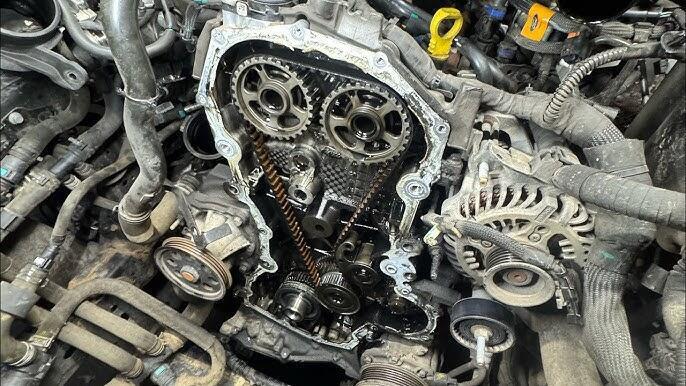
The Ford Ranger, a staple in the midsize truck segment, relies on precise engine timing to deliver reliable performance and longevity. A common point of confusion among owners and prospective buyers centers on whether their specific model uses a timing belt or a timing chain.
This distinction is not merely technical; it carries significant implications for maintenance schedules, repair costs, and overall engine durability. While both components synchronize the crankshaft and camshaft, their materials, lifespan, and replacement intervals differ drastically.
Understanding which system your Ranger has whether a belt requiring periodic replacement or a chain designed to last can prevent catastrophic engine failure and guide smarter ownership decisions. This article explores the key differences, advantages, and practical considerations for each.
Ford Ranger Timing Belt vs Timing Chain: Key Differences Explained
The Ford Ranger has utilized both timing belts and timing chains across its various engine generations and model years, and understanding the difference is crucial for maintenance planning.
A timing belt is a rubber-reinforced component that requires periodic replacement, typically between 60,000 and 100,000 miles, while a timing chain is a metal link chain designed to last the lifetime of the engine under normal conditions.
The specific engine in your Ford Ranger whether the 2.3L Duratec, 2.5L, 3.0L Vulcan, or the 2.0L EcoBlue diesel determines which system is used. The most significant distinction is that timing chains are generally more durable and require less frequent maintenance, whereas timing belts are quieter but come with a mandatory replacement schedule to prevent catastrophic engine failure.
Which Ford Ranger Engines Use a Timing Belt vs a Timing Chain?
Most early and mid-generation Ford Ranger engines, such as the 2.3L (Lima), 2.5L, and 3.0L Vulcan, utilize a timing belt that drives the camshaft(s) and often the water pump. In contrast, the later 2.3L Duratec four-cylinder (introduced around 2002) and the 4.0L Cologne V6 both employ a timing chain.
For diesel models, the 2.2L and 3.2L Duratorq engines use a timing chain, but the older 2.5L diesel (commonly found in overseas markets) sometimes uses a belt. It is essential to verify your specific engine code, as a broken timing belt can destroy the engine, while a stretched timing chain may trigger a check engine light before failure.
What Are the Maintenance and Replacement Intervals for the Ford Ranger?
For Ford Ranger engines equipped with a timing belt, replacement is recommended every 60,000 to 100,000 miles, depending on the engine variant and manufacturer guidance. This service is critical because a belt failure can lead to piston-to-valve contact, resulting in expensive repairs or a complete engine replacement.
This content may interest you! Common Problems High-Mileage Ford Rangers Develop
Timing chains, by contrast, typically require no scheduled replacement but should be inspected if symptoms like rattling noise from the front of the engine or a loose chain guide appear. Some Rangers with high mileage may need chain tensioners or guides replaced, but compared to belt servicing, chain maintenance is generally lower cost over the vehicle’s lifetime.
What Are the Common Failures and Symptoms to Watch For?
A failing timing belt may produce a squealing sound or a ticking noise from the front cover area, and visible cracking or fraying on the belt itself indicates imminent failure. The most alarming symptom is sudden engine shutdown without restart. For timing chain issues, listen for a metallic slapping or rattling noise upon startup, which often worsens as the engine warms up.
Other signs include a check engine light for camshaft/crankshaft correlation faults (P0016, P0017), or rough idling. Ignoring a loose timing chain can lead to chain jump or breakage, causing similar catastrophic damage to the engine as a broken belt.
| Feature | Timing Belt | Timing Chain |
|---|---|---|
| Material | Rubber reinforced with fiber (e.g., Kevlar) | Metal roller or silent chain (steel) |
| Typical Lifespan | 60,000 – 100,000 miles | 100,000+ miles (often engine lifetime) |
| Replacement Cost | $300 – $600 (parts + labor) | $800 – $1,500 (due to complex labor) |
| Common Symptoms of Failure | Snapping, cracking, chirping noise; engine dies suddenly | Rattling on startup, cam/crank correlation codes |
| Result of Failure | Engine damage (valve/piston contact) in interference engines | Similar catastrophic damage, often with chain slap |
| Common Ford Ranger Engines | 2.3L Lima, 2.5L, 3.0L Vulcan | 2.3L Duratec, 4.0L SOHC, 2.0L/3.2L Duratorq |
Signs of Timing Belt or Timing Chain Failure in a Ford Ranger
Identifying the symptoms of a failing timing belt or timing chain in your Ford Ranger is crucial to prevent catastrophic engine damage. A worn timing belt often produces a high-pitched squealing sound, especially during startup, and may cause visible cracks or fraying on the belt surface.
In contrast, a failing timing chain typically generates a distinct rattling or slapping noise from the front of the engine, often described as a "chain slap," which intensifies with acceleration.
For both components, engine misfires, rough idling, or difficulty starting can indicate timing misalignment, while a check engine light with codes such as P0016 or P0017 suggests a correlation between crankshaft and camshaft position sensors.
Additionally, metal shavings in the oil might point to a timing chain guide or tensioner failure. Ignoring these signs can lead to a broken belt or a jumped chain, resulting in piston-to-valve contact and extensive engine repair.
Audible Noises from the Engine
A squealing noise from the front of the engine often points to a timing belt that is slipping or has worn tension, whereas a persistent rattling or clanking sound indicates a timing chain that has stretched or has failing guides and tensioners.
The frequency and pitch of these noises can help differentiate between the two: belt noises are usually higher-pitched and intermittent, while chain noises are lower and rhythmic with engine speed.
This content may interest you! Essential Maintenance for High-Mileage Ford Rangers
Engine Performance Issues
Misfires, rough idling, or a significant loss of power can occur when the timing belt or chain slips, disrupting the precise synchronization between the camshaft and crankshaft.
This misalignment can cause incomplete combustion, resulting in unburned fuel exiting the exhaust or a sudden stalling condition that may make the engine hard to restart.
Visual Wear and Tear Indicators
For a timing belt, look for visible cracks, glazing, or fraying on the belt's surface, along with oil contamination that can weaken the rubber. For a timing chain, check for excessive slack by feeling the chain's movement, or look for metal debris in the oil pan during an oil change, which indicates worn chain links or sprocket teeth.
Check Engine Light and Diagnostic Codes
When the check engine light illuminates, diagnostic codes like P0016 (crankshaft/camshaft correlation) or P0340 (camshaft position sensor) are common. These codes suggest that the timing belt or chain has shifted enough to alter the engine's valve timing, requiring immediate inspection to prevent further damage.
Engine Stalling or Failure to Start
A broken timing belt or severely stretched timing chain can cause the engine to suddenly stall while driving or fail to start altogether. In interference engines like the Ford Ranger’s 2.3L or 3.0L, this often leads to valve damage as pistons collide with open valves, resulting in a no-start condition and the need for a major overhaul.
Frequently Asked Questions
Does the Ford Ranger have a timing belt or a timing chain?
The Ford Ranger primarily uses a timing chain, not a timing belt, for its engine's camshaft synchronization. This applies to most models, especially those from 1998 onward with engines like the 2.3L, 3.0L, and 4.0L. The timing chain is designed to be durable and long-lasting, typically requiring no periodic replacement under normal conditions, unlike timing belts which need service every 60,000-100,000 miles.
What are the common signs of a failing timing chain in a Ford Ranger?
Common signs of a failing timing chain in a Ford Ranger include a rattling or slapping noise from the front of the engine, especially on startup. You may also experience engine misfires, reduced power, or a check engine light with codes related to camshaft or crankshaft correlation. In severe cases, the chain can jump a tooth, causing poor performance or preventing the engine from starting at all.
At what mileage should I replace the timing chain on a Ford Ranger?
Unlike timing belts, Ford Ranger timing chains are typically designed to last the engine's lifetime without a scheduled replacement. However, they may need attention around 150,000 to 200,000 miles if worn. Regular oil changes are crucial, as dirty oil accelerates chain and tensioner wear. Always inspect the chain and related components during major engine repairs or if symptoms of wear appear.
Is it possible to convert a Ford Ranger from a timing belt to a timing chain?
Converting a Ford Ranger from a timing belt to a timing chain is generally not practical or recommended. Older Ford Ranger models from the 1980s used timing belts, but later engines are chain-driven. A conversion would require extensive modification to the engine block, cylinder head, and timing cover, and likely isn't cost-effective. It's better to maintain the original timing belt system or consider an engine swap to a chain-driven model.
This content may interest you! How Much Does a Toyota RAV4 Service Cost?
Leave a Reply