
Ford Ranger Timing Belt Replacement Cost New Zealand: Complete Price Guide
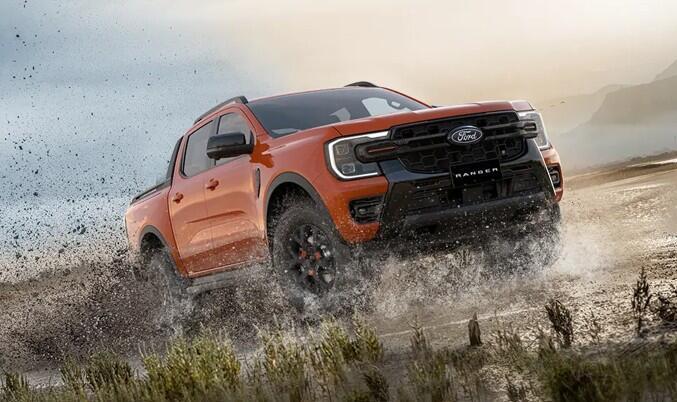
The Ford Ranger timing belt replacement cost in New Zealand can range from roughly NZ$850 for a conventional cambelt job to more than NZ$3,400 for a complex 2.0-litre diesel wet-belt replacement. That is a wide gap, but there is a simple reason: not every Ford Ranger uses the same timing system.
Some older Rangers have a traditional dry timing belt. Certain popular Ranger engines use timing chains instead. Newer 2.0-litre EcoBlue diesel models use an oil-immersed timing belt—usually called a wet belt—which is considerably more labour-intensive to replace.
So, before we panic over a four-figure quote, we need to identify the exact engine, model year, drivetrain and belt arrangement. Comparing the price of an older Ranger cambelt replacement with a 2.0 Bi-Turbo wet-belt service is like comparing a tyre change with a gearbox rebuild. Both involve vehicle maintenance, but the scale of the work is entirely different.
In this guide, we will break down realistic New Zealand prices, explain which Ranger engines have belts or chains, explore what mechanics normally include in the job and show how to compare quotes without accidentally choosing a false bargain.
- How Much Does a Ford Ranger Timing Belt Replacement Cost in NZ?
- First, Confirm Whether Your Ranger Has a Belt or Chain
- Ford Ranger Timing Belt Cost by Engine Type
- Why Is a Ford Ranger Wet Belt So Expensive to Replace?
- What Should Be Included in the Quoted Price?
- When Should a Ford Ranger Timing Belt Be Replaced?
- Warning Signs of Timing-Belt Deterioration
- What Happens If the Timing Belt Breaks?
- Dealer Versus Independent Ford Specialist
- Genuine Ford Parts Versus Aftermarket Kits
- How to Compare Ford Ranger Timing-Belt Quotes
- Can We Replace a Ford Ranger Timing Belt Ourselves?
- How to Reduce the Replacement Cost Safely
- Buying a Used Ford Ranger With No Belt History
- Is Ford Ranger Timing Belt Replacement Worth It?
- Final Verdict
- Frequently Asked Questions
How Much Does a Ford Ranger Timing Belt Replacement Cost in NZ?
For a quick budgeting estimate, New Zealand Ranger owners can generally expect the following:
| Ford Ranger timing system | Estimated NZ replacement cost |
|---|---|
| Older conventional timing belt | NZ$850–NZ$1,500 |
| Timing belt with water pump and seals | NZ$1,100–NZ$1,800 |
| 2.0-litre diesel wet-belt replacement | NZ$2,600–NZ$3,400 |
| Wet belt with extra repairs or heavy contamination | NZ$3,400–NZ$4,500+ |
| Timing chain inspection only | NZ$150–NZ$350 |
| Timing chain replacement, when required | NZ$2,000–NZ$5,000+ |
These figures are practical estimates rather than fixed nationwide prices. A general Ford cambelt replacement in New Zealand may start at around NZ$850, while standard cambelt jobs across different vehicle types are often quoted within approximately NZ$500–NZ$1,500. Ranger-specific complexity can push the bill higher.
For the 2.0-litre Ford Ranger wet-belt engine, one New Zealand specialist currently gives an estimated price of NZ$2,600–NZ$3,400 including GST, depending on the drivetrain, component condition and additional parts required.
That higher figure may look painful, but it is not simply the price of a rubber belt. We are paying for extensive dismantling, specialist timing work, internal cleaning, replacement components, fluids and many hours of labour.
First, Confirm Whether Your Ranger Has a Belt or Chain
This is the most important step in the entire process.
The words “Ford Ranger timing belt” are often used as a broad search term, but many owners are actually driving a Ranger fitted with a timing chain. Ordering parts—or accepting a quote—without checking the engine code can send us down the wrong road before the bonnet is even opened.
Older PJ and PK Ford Rangers
Some PJ and PK Rangers produced during the 2000s used conventional timing belts, particularly models equipped with certain Mazda-derived diesel engines. These are the Rangers most people picture when they hear the traditional term cambelt replacement.
The belt is normally installed outside the engine’s pressurised oil system and protected by timing covers. Replacement still demands accurate alignment and careful tensioning, but it is generally less involved than servicing an internal wet belt.
Ford Ranger 2.2 and 3.2 TDCi Engines
The widely sold T6-generation 2.2-litre and 3.2-litre Duratorq diesel engines use timing-chain systems rather than a normal scheduled cambelt arrangement. Replacement chain kits are specifically marketed for 2.2 TDCi engines, while technical repair information for the 3.2 describes timing-chain removal and installation.
That does not mean these engines are maintenance-free. A timing chain can stretch, its guides can wear and its tensioner can lose effectiveness. However, it is not normally replaced at a routine cambelt interval simply because the odometer reaches a predetermined number.
If a workshop recommends a “timing belt” for a 3.2 Ranger, we should ask the adviser to confirm exactly which component is being discussed. They may mean an accessory belt, an oil-pump drive component or a timing-chain repair.
Ford Ranger 2.0 EcoBlue Diesel Engines
The 2.0-litre Single-Turbo and Bi-Turbo diesel engines introduced to the New Zealand Ranger range use a more complicated belt-in-oil arrangement. Ford New Zealand introduced the 2.0-litre Bi-Turbo option with the 2019 Ranger range.
This system places the belt inside the engine, where it operates in oil. The design helps reduce friction and noise, but replacement is significantly more involved than changing a conventional dry cambelt.
Why the 2.0 Ranger Is Called a Wet-Belt Engine
A wet belt performs a similar timing function to a dry belt, but it is manufactured to operate while exposed to engine oil.
In theory, the oil-immersed environment can support quieter operation and lower friction. In practice, the belt depends heavily on:
- Correct engine-oil specifications
- Regular oil and filter changes
- Clean internal lubrication passages
- Proper engine servicing
- Protection from fuel dilution and contamination
- Correct installation procedures
The belt is not sitting conveniently behind a lightweight plastic cover, waiting to be swapped in an hour. Access may require removal of multiple engine components, lower covers and the sump.
This content may interest you! Ford Ranger Tyre Pressure Sensor Reset: Complete TPMS Guide
Ford Ranger Timing Belt Cost by Engine Type
Traditional PJ or PK Ranger Cambelt Cost
For an older Ranger with a conventional timing belt, a realistic New Zealand estimate is usually around NZ$850–NZ$1,500.
A more comprehensive job involving a water pump, tensioners, idlers, seals, coolant and auxiliary belts may land closer to NZ$1,100–NZ$1,800.
The lower end is more likely when:
- Engine access is relatively straightforward
- No oil leaks are present
- The crankshaft and camshaft seals are dry
- The water pump is still serviceable
- Aftermarket parts are used
- The workshop has competitive independent labour rates
The upper end becomes more likely when seized bolts, leaking seals, damaged covers or poor previous repairs turn a tidy maintenance job into a mechanical treasure hunt.
Ford Ranger 2.0 Wet-Belt Replacement Cost
The typical specialist estimate of NZ$2,600–NZ$3,400 including GST is the more relevant figure for a 2.0-litre EcoBlue Ranger.
A quote may rise above NZ$3,400 when the mechanic finds:
- Belt debris in the sump
- A partially obstructed oil pickup
- Oil leaks around covers or seals
- Damaged pulleys or tensioners
- Contaminated oil
- Evidence of incorrect previous servicing
- Additional belt-driven components requiring replacement
- Difficult access caused by drivetrain configuration
- Broken fasteners or damaged threads
A neglected wet belt can shed material into the lubrication system. A New Zealand Ford specialist explains that sump removal allows the workshop to replace internal belt components, clean the oil pickup and remove belt debris that might otherwise contribute to oil starvation.
That cleaning work is not decorative. It is central to protecting the repaired engine.
Ford Ranger Timing-Chain Replacement Cost
Timing chains are designed for long service, but they are not immortal. If a 2.2 or 3.2 Ranger develops chain rattle, timing correlation faults, poor starting or evidence of guide wear, repairs may become necessary.
A complete chain replacement could reasonably cost NZ$2,000–NZ$5,000 or more, depending on access, engine condition and the number of associated components being changed.
Unlike a scheduled belt replacement, chain work usually follows diagnosis. We should not approve a large chain bill based on noise alone. A proper assessment may involve fault-code scanning, oil-pressure checks, listening tests, timing-data analysis and physical inspection.
Why Is a Ford Ranger Wet Belt So Expensive to Replace?
The belt itself is only one piece of the puzzle. Labour is the heavyweight in the ring.
Ford New Zealand notes that cambelt work can take as much as eight hours, depending on the belt’s location and the components that must be removed. The company also points out that special tools may be necessary to set the engine timing correctly.
On a 2.0 Ranger, the procedure can be even more involved because the workshop may need to reach internal belt components and inspect the lubrication system.
Extensive Engine Disassembly
A mechanic may have to remove or reposition several parts before reaching the belt. Depending on the model, these may include:
- Engine undertrays
- Cooling-system components
- Accessory drive components
- Engine mounts
- Timing covers
- Crankshaft pulley
- Oil sump
- Oil pickup
- Associated hoses and brackets
Every removed component must be cleaned, inspected, correctly resealed and reinstalled.
Special Timing Tools
Modern diesel engines are not timed by lining up a few paint marks and hoping for the best.
Correct service tools may be needed to lock the crankshaft and camshafts in precisely controlled positions. Even a small timing error can cause poor running, warning lights, starting trouble or serious internal damage.
The job demands a technician who understands the engine, not someone improvising with a socket extension and optimism.
Oil-System Cleaning
When a wet belt deteriorates, fragments may travel into the sump. The oil pickup can then begin collecting the material like a kitchen drain catching food scraps.
This content may interest you! Mitsubishi Triton Towing Capacity: A Complete Guide for Safe, Confident Towing
Restricted oil flow can threaten the turbocharger, bearings and other lubricated components. That is why a responsible wet-belt quote may include sump removal and pickup cleaning rather than only fitting a fresh belt.
Single-Use Fasteners and Sealing Materials
Some bolts may be torque-to-yield or otherwise specified for one-time use. Covers and sump surfaces also require suitable sealants or gaskets.
Cutting corners here can create oil leaks immediately after the repair. A cheap belt job that leaves spots on the driveway is hardly a victory.
Oil, Filters and Coolant
A proper repair may include fresh engine oil, a new oil filter, coolant and other consumables. These items add to the bill but help ensure that the newly installed components begin life in a clean operating environment.
What Should Be Included in the Quoted Price?
A quote that simply says “replace timing belt—NZ$2,900” is too vague.
We should request an itemised estimate showing exactly what the workshop plans to replace, clean and refill.
Essential Timing-Belt Components
The quote should normally identify:
- Primary timing belt
- Secondary belt, where applicable
- Belt tensioner
- Idler pulleys
- Required bolts and fasteners
- Timing-cover seals or gaskets
- Engine oil
- Oil filter
- Coolant, where drained
- Workshop labour
- GST
For a wet-belt job, it should also clarify whether sump removal, oil-pickup cleaning and internal inspection are included.
Should the Water Pump Be Replaced?
On many conventional cambelt engines, replacing the water pump at the same time makes excellent financial sense. Much of the labour overlaps, and an ageing pump could later leak or seize.
However, the correct answer depends on the Ranger engine and the pump’s location. We should ask three direct questions:
- Is the water pump driven by the timing belt?
- How much extra labour would later replacement require?
- Is the installed pump showing leakage, noise or play?
Replacing every accessible component without thought can inflate the bill. Leaving a worn pump buried behind a new belt can be equally foolish. The best decision comes from engine-specific inspection.
Other Sensible “While You’re There” Items
Depending on condition, a workshop may recommend:
- Crankshaft oil seal
- Camshaft oil seal
- Auxiliary drive belt
- Accessory-belt tensioner
- Coolant hoses
- Thermostat
- Engine-mount hardware
- Oil-pump belt
- Contaminated sump components
We should not automatically reject additional work, but every recommendation should come with an explanation or visible evidence.
When Should a Ford Ranger Timing Belt Be Replaced?
There is no honest universal interval for every Ranger sold in New Zealand.
The correct schedule depends on:
- Model year
- Engine
- Build date
- Market specification
- Vehicle identification number
- Previous replacement history
- Operating conditions
- Ford’s current maintenance information
For the 2.0-litre wet-belt Ranger and related Ford diesel applications, a New Zealand specialist cites an approximate Ford interval of 160,000 kilometres or 10 years, whichever comes first.
Nevertheless, owners should confirm the schedule against the correct New Zealand owner information or a Ford dealer using the VIN. Ford New Zealand provides an owner-manual lookup and recommends checking the handbook for the vehicle-specific interval.
Why Time Matters as Much as Kilometres
A Ranger that travels only 8,000 kilometres per year may appear to be a low-risk vehicle. Yet belts age chemically as well as mechanically.
Oil exposure, heat cycles, moisture and material fatigue continue while the vehicle sits. Reaching the time limit before the distance limit is entirely possible.
Ten years is still ten years, even when the ute spent half of them parked beside a boat.
This content may interest you!Mitsubishi Triton DPF Regeneration: The Complete Owner’s GuideCan Heavy Use Justify Earlier Inspection?
Possibly. Vehicles used for towing, commercial fleets, repeated stop-start driving or heavy payloads may deserve closer monitoring. A New Zealand wet-belt specialist specifically highlights towing, fleet use, city operation and heavy loads as reasons not to stretch the interval unnecessarily.
That does not automatically create a new manufacturer-approved replacement schedule. It does support a more cautious inspection and servicing strategy.
Warning Signs of Timing-Belt Deterioration
A timing belt can fail without giving us a polite warning. Still, certain symptoms deserve immediate attention.
Oil-Pressure Warning Light
An oil-pressure warning on a wet-belt Ranger could have several causes, but belt debris restricting the pickup is one possibility. Continuing to drive with low oil pressure can cause catastrophic damage.
Stop the engine safely and arrange professional diagnosis.
Unusual Ticking, Rattling or Scraping
New noises from the timing area should never be ignored. They may indicate tensioner wear, pulley problems, chain issues or belt damage.
Not every tick means the engine is about to explode, but guessing is expensive.
Hard Starting or Rough Running
Incorrect valve timing can cause slow starting, reduced performance, rough running, excessive smoke or warning lights.
These symptoms also overlap with injector, battery, sensor and fuel-system faults, so diagnosis is essential.
Debris in the Engine Oil
Rubbery particles in drained oil or the oil filter may suggest internal belt deterioration. Any technician spotting suspicious material should investigate rather than simply pouring in fresh oil and closing the bonnet.
Visible Cracking on a Dry Belt
A conventional belt may display cracks, frayed edges, missing teeth or oil contamination. Unfortunately, much of the belt can be hidden behind covers, and a clean visible section does not guarantee that the entire belt is healthy.
What Happens If the Timing Belt Breaks?
Many Ranger diesel engines use an interference-style arrangement in which the valves and pistons occupy overlapping spaces at different moments.
The timing system keeps that mechanical dance perfectly choreographed. If the belt loses teeth or snaps, the dancers collide.
Potential damage can include:
- Bent valves
- Damaged pistons
- Broken rocker components
- Cylinder-head damage
- Camshaft damage
- Turbocharger damage from oil starvation
- Bearing damage
- Complete engine failure
The final repair bill may run into many thousands of dollars. In severe cases, fitting a replacement engine becomes more sensible than rebuilding the original one.
That is why scheduled belt replacement feels expensive only until we compare it with the cost of failure.
Dealer Versus Independent Ford Specialist
Both can be good choices. The workshop’s experience with the exact engine matters more than the logo above the front door.
Benefits of a Ford Dealer
A Ford dealer may offer:
- Direct access to Ford service information
- Genuine Ford components
- VIN-specific maintenance schedules
- Factory diagnostic systems
- Technicians familiar with current models
- Clearer warranty documentation
- Easy recall and campaign checks
Ford New Zealand also provides a service price calculator for scheduled servicing, although a timing-belt replacement may require a personalised quote rather than a standard service-calculator figure.
Benefits of an Independent Specialist
An experienced independent workshop may offer:
This content may interest you!Ford Ranger Wet Belt Replacement Cost New Zealand: Complete 2026 Guide- Lower hourly labour rates
- Flexible parts choices
- More personal communication
- Specialist experience with recurring wet-belt repairs
- Detailed photographic evidence
- Faster access in some regions
The word independent should not be mistaken for inexperienced. A workshop that performs Ranger wet belts every week may be a stronger choice than a general repairer attempting its first one.
Questions to Ask Before Booking
Ask the workshop:
- Have you replaced this exact Ranger engine’s belt before?
- Is the quoted amount inclusive of GST?
- Are the primary and secondary belts included?
- Will you remove and clean the sump and oil pickup?
- Which brand of parts will you install?
- Are new tensioners, seals and required bolts included?
- What labour and parts warranty is provided?
- Could the price rise after dismantling?
- Will you contact us before performing extra work?
- Will the invoice record the date and odometer reading?
Clear answers are a good sign. Evasive answers are smoke from a fire we have not yet seen.
Genuine Ford Parts Versus Aftermarket Kits
Genuine parts typically cost more, but price alone should not decide the matter.
A genuine kit offers parts manufactured or approved to Ford specifications, straightforward compatibility and potentially simpler warranty support. A high-quality aftermarket kit from a recognised manufacturer may also perform well.
The danger lies in anonymous, unusually cheap components with uncertain materials or tolerances. Saving a few hundred dollars on a component buried deep inside the engine is like buying the cheapest parachute because the straps look similar.
Ask for the manufacturer’s name and part numbers. The workshop should be comfortable identifying what it is installing.
How to Compare Ford Ranger Timing-Belt Quotes
Do not compare only the total at the bottom.
A NZ$2,500 quote may exclude oil-pickup cleaning, secondary belts, seals and GST. A NZ$3,100 quote may include everything. Once both estimates are placed on equal footing, the apparently expensive option may actually be better value.
Create a Like-for-Like Checklist
Compare:
- Labour hours
- Hourly rate
- Primary belt
- Secondary or oil-pump belt
- Tensioners and pulleys
- Seals and gaskets
- Single-use bolts
- Sump removal
- Oil-pickup cleaning
- Engine oil
- Oil filter
- Coolant
- Genuine or aftermarket parts
- GST
- Warranty
A one-line quote hides risk. An itemised quote reveals it.
Allow a Sensible Contingency
For an older vehicle, keep approximately 10–20% above the quoted price available in case the workshop discovers leaks, contamination or damaged hardware.
This does not mean handing the mechanic a blank cheque. It means recognising that hidden areas cannot always be judged before dismantling.
Can We Replace a Ford Ranger Timing Belt Ourselves?
A skilled professional with the correct tools, technical information and workspace may be capable of completing a conventional Ranger cambelt.
For the average home mechanic, especially on a 2.0 wet-belt engine, this is not an ideal learning project.
The job may require:
- Vehicle lifting equipment
- Engine-support equipment
- Model-specific locking tools
- Accurate torque procedures
- Knowledge of torque-angle fasteners
- Sealant application
- Sump removal and cleaning
- Careful timing verification
- Safe fluid handling
- Diagnostic equipment
One timing error can erase every dollar saved on labour.
Changing brake pads on a Saturday morning is one thing. Opening the heart of a modern diesel engine is another.
How to Reduce the Replacement Cost Safely
There is no magic trick that turns a NZ$3,000 wet-belt service into a NZ$600 job. However, we can manage the expense intelligently.
Get Several Itemised Quotes
Request quotes from a Ford dealer and at least two reputable specialists. Supply the registration, VIN, engine type, model year, mileage and drivetrain.
This content may interest you! Ford Ranger Timing Belt vs Timing Chain
The more accurate the vehicle information, the less likely we are to receive a misleading estimate.
Book Before the Deadline
Waiting until the belt is overdue removes our bargaining power. If the Ranger suddenly becomes unsafe to drive, we may have to accept whichever workshop can take it immediately.
Planning months ahead gives us time to compare prices and arrange transport.
Keep the Service History
A complete record helps the technician understand which fluids and repairs the vehicle has received. It may also prevent duplicate work and support resale value.
Use the Correct Oil
Wet belts are particularly dependent on compatible engine oil. Use the exact specification required for the engine, not simply a bottle with the right viscosity printed in large letters.
The cheapest oil change can become an expensive experiment when material compatibility matters.
Bundle Only Sensible Repairs
Combining overlapping work can reduce future labour, but avoid turning the timing-belt appointment into a shopping spree.
Replace components that are worn, leaking, due or costly to access later. Leave unrelated healthy parts alone.
Buying a Used Ford Ranger With No Belt History
A missing receipt should be treated as a missing replacement.
A seller may sincerely believe that “the previous owner probably did it,” but probability does not protect an engine. Ask for an invoice stating:
- Vehicle registration or VIN
- Replacement date
- Odometer reading
- Parts installed
- Workshop name
- Total work performed
A sticker under the bonnet is helpful, but an itemised invoice is stronger evidence.
When no reliable history exists and the belt is near its age or distance limit, budget for replacement immediately. Better still, negotiate the purchase price around the expected cost.
Is Ford Ranger Timing Belt Replacement Worth It?
For an otherwise healthy Ranger, yes.
Spending NZ$1,200 on an older conventional belt or roughly NZ$2,600–NZ$3,400 on a 2.0 wet-belt service may preserve an engine and a vehicle worth many times that amount.
The calculation becomes less obvious when the ute also has:
- Severe rust
- Transmission problems
- Injector faults
- Turbocharger damage
- Excessive oil consumption
- Major accident history
- An outstanding finance balance
- Very high mileage with poor maintenance
In that situation, request a full mechanical assessment before committing to the belt. We should avoid installing an expensive new roof on a house with collapsing foundations.
Final Verdict
The Ford Ranger timing belt replacement cost in New Zealand depends overwhelmingly on which engine is under the bonnet.
An older Ranger with a conventional dry cambelt may cost around NZ$850–NZ$1,500, rising toward NZ$1,800 when the water pump, seals and related components are included. A newer 2.0-litre diesel wet-belt replacement is a different class of repair, with specialist New Zealand estimates commonly sitting around NZ$2,600–NZ$3,400 including GST.
Meanwhile, many 2.2-litre and 3.2-litre Rangers use timing chains, so owners should confirm the engine and required work before accepting any cambelt quote.
Our best move is simple: check the VIN-specific schedule, obtain an itemised estimate and choose a workshop experienced with the exact engine. The cheapest quote is not always the cheapest repair. When timing components are buried inside a diesel engine, quality workmanship is not a luxury—it is insurance made from steel, oil and good judgement.
This content may interest you! Nissan Murano Wheel Bearing Replacement Cost New Zealand: Complete NZ Guide
Frequently Asked Questions
1. How much is a Ford Ranger wet-belt replacement in New Zealand?
A realistic specialist estimate is approximately NZ$2,600–NZ$3,400 including GST. The price can increase if the workshop finds belt debris, oil-pickup restriction, leaks or damaged related components.
2. Does the Ford Ranger 3.2 have a timing belt?
The 3.2-litre Duratorq diesel uses a timing-chain system rather than a conventional scheduled cambelt. A chain may still require repair if it stretches or its guides and tensioner wear.
3. When should a 2.0 Ford Ranger wet belt be replaced?
A New Zealand specialist cites an approximate interval of 160,000 kilometres or 10 years, whichever occurs first, but owners should confirm the exact requirement through the correct owner information or a Ford dealer using the VIN.
4. Why does the sump need to come off during wet-belt replacement?
Sump removal gives the technician access to internal components and allows belt debris to be removed from the sump and oil pickup. This helps reduce the risk of restricted oil flow and oil starvation.
5. Can I keep driving if my Ranger timing belt is overdue?
Driving beyond the specified interval increases risk. A belt can fail without obvious warning, and the resulting engine damage may cost far more than preventive replacement. Arrange an inspection and confirm the correct schedule as soon as possible.
Leave a Reply