
Ford Ranger Wet Belt Replacement Cost New Zealand: Complete 2026 Guide
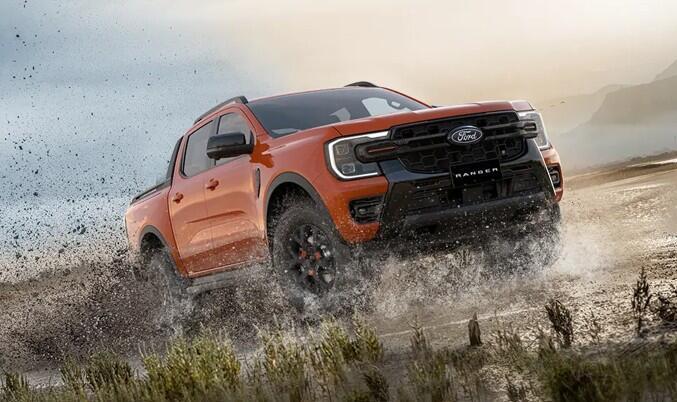
The Ford Ranger wet belt replacement cost in New Zealand is typically around NZ$2,600 to NZ$3,400 including GST when the work is completed by an experienced independent Ford specialist. A dealership quote may be higher, while additional contamination, damaged components, oil-pump issues, or overdue maintenance can push the final bill beyond NZ$4,000.
That is not pocket change. Yet compared with the price of repairing or replacing a damaged 2.0-litre diesel engine, a planned wet belt replacement can feel less like an expense and more like an insurance policy.
The tricky part is that there is no universal price covering every Ranger. The engine, drivetrain, workshop, parts package, vehicle condition, and service history all affect the quote. A clean 2WD work ute may be relatively straightforward, while a mud-covered 4WD with oil contamination and seized hardware can turn the same job into a mechanical treasure hunt.
So, what should we actually budget? When does the belt need changing? And why does this supposedly simple rubber component create so much anxiety among Ranger owners? Let’s open the bonnet and make sense of it.
- What Is the Average Ford Ranger Wet Belt Replacement Cost in NZ?
- Which Ford Ranger Engines Use a Wet Belt?
- How Does a Wet Timing Belt Work?
- Why Is Ford Ranger Wet Belt Replacement So Expensive?
- What Should Be Included in a Proper Replacement Quote?
- When Should the Ford Ranger Wet Belt Be Replaced?
- Warning Signs of Wet Belt Deterioration
- How Much Does It Cost If the Wet Belt Fails?
- Ford Dealer Versus Independent Specialist
- What Factors Change the Replacement Price?
- Can We Reduce the Cost Safely?
- How to Protect the New Wet Belt
- Is a Used 2.0-Litre Ranger Worth Buying?
- Should We Replace the Wet Belt Before Selling?
- Common Mistakes Ranger Owners Make
- Final Thoughts on Ford Ranger Wet Belt Replacement Cost NZ
- Frequently Asked Questions
What Is the Average Ford Ranger Wet Belt Replacement Cost in NZ?
For a Ford Ranger fitted with the affected 2.0-litre diesel engine, a sensible New Zealand budget is:
| Replacement scenario | Estimated NZ cost |
|---|---|
| Independent workshop, straightforward job | NZ$2,600–NZ$3,400 |
| Ford dealer or premium specialist | NZ$3,000–NZ$4,200 |
| Belt replacement with extra seals or cleaning | NZ$3,400–NZ$4,500 |
| Repair after belt deterioration causes damage | NZ$5,000–NZ$10,000+ |
| Major engine damage or engine replacement | NZ$12,000–NZ$25,000+ |
These figures should be treated as practical estimates rather than fixed menu prices. One New Zealand Ford specialist publicly lists an expected Ranger wet belt replacement range of NZ$2,600 to NZ$3,400 including GST, with the final amount affected by the drivetrain and the condition of related components.
New Zealand independent workshop labour rates commonly sit around NZ$110 to NZ$160 per hour, with dealerships and specialist facilities potentially charging more. That matters because a wet belt replacement is labour-intensive. We are not paying only for a strip of reinforced rubber; we are paying for hours of careful dismantling, cleaning, timing, inspection, reassembly, and testing.
A Realistic Budget for Most Owners
For planning purposes, we would set aside approximately NZ$3,500.
That figure gives us room for the main replacement work plus minor extras such as:
- New seals and single-use bolts
- Fresh engine oil
- A replacement oil filter
- Gaskets or sealant
- Cleaning of the oil pickup
- Disposal and workshop consumables
- Small components discovered during dismantling
A quote below NZ$2,000 deserves careful examination. It may be genuine, but we should check exactly what is included. At the other end, a quote above NZ$4,000 is not automatically unreasonable, particularly if it comes from a dealer, includes extensive preventative work, or covers a four-wheel-drive model requiring extra labour.
Which Ford Ranger Engines Use a Wet Belt?
The wet belt discussion primarily concerns Ranger models fitted with Ford’s 2.0-litre EcoBlue diesel engine, including certain single-turbo and Bi-Turbo versions.
Ford introduced the 2.0-litre Bi-Turbo diesel to the New Zealand Ranger range for the 2019 model year. It appeared in popular specifications such as the Wildtrak and later became widely used across several Ranger variants.
A wet belt is different from the more traditional dry timing belt found behind a sealed plastic cover. It operates inside the engine and is exposed to engine oil.
Does the 3.2-Litre Ranger Have the Same Wet Belt?
No. The older 3.2-litre five-cylinder diesel uses a different timing arrangement and should not be grouped automatically with the 2.0-litre EcoBlue wet belt system.
Likewise, newer 3.0-litre V6 diesel models have their own engine design and maintenance requirements. Before accepting any quote or worrying about a wet belt, we should confirm:
- The vehicle’s model year
- The exact engine size
- The engine code
- Whether the workshop is discussing the timing belt, oil-pump belt, or another component
A registration lookup or VIN check can help, but direct confirmation from a Ford dealer or knowledgeable specialist is safer.
Why Engine Identification Matters
Search results and online discussions often mix Ford Rangers, Transit vans, Everests, overseas models, different service schedules, and different engines into one large pot.
That creates confusion.
A recommendation applying to a UK Transit is not automatically the correct recommendation for a New Zealand Ranger. The same engine family may also have different operating conditions, calibration, servicing guidance, or market-specific documentation. We should always base the replacement plan on the exact vehicle rather than a generic internet comment.
How Does a Wet Timing Belt Work?
A timing belt synchronises the crankshaft and camshaft so the engine’s valves and pistons move in the correct sequence. Think of it as the conductor of a mechanical orchestra. When the timing stays precise, everything plays in harmony. When it slips or breaks, expensive metal parts can collide like musicians running into one another in the dark.
The “wet” part means the belt runs in engine oil. This design can reduce noise and friction while allowing compact packaging. In theory, the oil environment can also help the belt operate smoothly.
However, the system depends heavily on the correct oil, correct service intervals, proper engine temperature, and compatible chemical conditions.
Why Do Wet Belts Deteriorate?
Wet belts can degrade because of a combination of:
- Incorrect engine oil specification
- Extended oil-change intervals
- Fuel dilution of the engine oil
- Frequent short-distance driving
- Repeated interrupted DPF regeneration
- Excessive heat
- Chemical contamination
- Age-related belt deterioration
- Poor-quality replacement components
- Previous maintenance mistakes
The belt may swell, soften, crack, lose teeth, or shed tiny particles. Those particles can circulate through the lubrication system.
That is where a belt problem can become much larger than a timing problem.
The Oil Pickup Problem
Fragments of degraded belt material may collect around the oil pickup strainer. If the strainer becomes restricted, the engine may suffer reduced oil pressure.
Low oil pressure can damage:
- Turbocharger bearings
- Crankshaft bearings
- Camshafts
- Timing components
- Cylinder head components
- The complete engine assembly
This is why a proper wet belt job should involve more than simply fitting a new belt and closing the cover. The workshop should inspect the lubrication system for debris and deal with contamination correctly.
Why Is Ford Ranger Wet Belt Replacement So Expensive?
A conventional external cambelt replacement can already be costly, but wet belt replacement adds complexity. The belt sits inside the engine, surrounded by oil and enclosed by components that must be removed carefully.
Access is often the main enemy.
The technician may need to remove or reposition engine covers, pipes, brackets, mounts, pulleys, shields, and drivetrain-related components. Timing tools must be installed accurately, sealing surfaces cleaned, and bolts tightened in the correct order and to the correct specification.
Labour Makes Up a Large Part of the Bill
General mechanical labour pricing varies around New Zealand. Published guidance places common independent workshop charges around NZ$110 to NZ$160 per hour, although location and specialisation can move those figures in either direction.
The job may occupy a workshop bay for much of a day or longer. A difficult vehicle can take additional time because of:
- Four-wheel-drive hardware
- Underbody accessories
- Bull bars or bash plates
- Mud and corrosion
- Seized fasteners
- Oil leaks
- Previous poor-quality repairs
- Extra cleaning requirements
When we multiply several hours by a modern workshop rate, labour quickly becomes a four-figure expense.
This content may interest you! Ford Ranger Timing Belt Replacement Cost New Zealand: Complete Price Guide
Parts Are Only One Piece of the Puzzle
A bare belt may not look particularly expensive. That can make owners wonder why the full job costs thousands.
But the complete invoice may include:
- Timing belt
- Tensioner or related timing components
- Oil-pump belt where applicable
- Crankshaft bolt
- Pulley bolts
- Seals
- Gaskets
- Sealant
- Oil filter
- Correct-specification engine oil
- Cleaning products
- Workshop supplies
- Diagnostic checks
Saving money by replacing only the most obvious component can be false economy. Once the engine is dismantled, replacing accessible wear items and mandatory single-use hardware often makes financial sense.
What Should Be Included in a Proper Replacement Quote?
The strongest quote is not necessarily the cheapest. It is the one that explains what the workshop will actually do.
We should ask for a written breakdown covering the following areas.
Essential Replacement Work
A comprehensive quote should normally mention:
- Removal of components needed for access
- Correct engine locking and timing procedures
- Replacement wet timing belt
- Replacement of specified bolts and seals
- Inspection of tensioners and pulleys
- Inspection or replacement of the oil-pump belt where applicable
- Correct reassembly and torque procedures
- Fresh engine oil and oil filter
- Start-up and oil-pressure checks
- Road testing
- Leak inspection
Contamination Inspection
The workshop should also explain how it handles belt debris.
Useful questions include:
- Will the sump be removed?
- Will the oil pickup be inspected?
- Will belt particles be cleaned from the engine?
- Will the workshop photograph any contamination?
- What happens if low oil pressure is detected?
- Is an oil-pressure test included?
- Does the quoted price cover additional cleaning?
A suspiciously cheap quote may omit some of this work. That is like repainting a wall while ignoring the water leak behind it: the surface looks better, but the original threat remains.
Parts Quality and Warranty
Ask whether the workshop uses:
- Genuine Ford components
- Original-equipment-quality components
- A complete approved kit
- Manufacturer-specified sealants
- Correct Ford-approved engine oil
We should also request the warranty period for both parts and labour.
A specialist prepared to document its work, explain its parts choices, and stand behind the repair may offer better value than a workshop quoting several hundred dollars less with vague inclusions.
When Should the Ford Ranger Wet Belt Be Replaced?
This is the most debated part of the conversation.
Replacement intervals can vary according to model year, engine version, market guidance, service literature, and updated technical recommendations. Ford New Zealand advises owners to consult the maintenance schedule for their particular vehicle when determining cambelt replacement timing.
For that reason, we should not rely on one universal mileage figure copied from a forum.
The safest approach is to:
- Check the New Zealand owner’s manual
- Review the official service schedule
- Contact a Ford dealer using the VIN
- Ask whether guidance has been revised
- Consider earlier replacement based on age and use
Ford New Zealand provides an online owner-manual service where vehicle-specific information can be accessed.
Why Many Owners Replace the Belt Early
Even where an official maximum interval appears generous, some owners and independent specialists prefer earlier preventative replacement.
Why?
Because age, oil quality, driving style, and service history can matter as much as kilometres. A Ranger that has spent its life towing, idling, completing short journeys, and interrupting diesel particulate filter regeneration may place different stresses on its oil than a ute driven steadily on long open-road journeys.
We should consider early replacement when:
- The complete service history is missing
- Incorrect oil may have been used
- Oil changes were regularly overdue
- The vehicle performs repeated short journeys
- The engine oil level has risen unexpectedly
- The ute works hard towing or carrying loads
- The vehicle is approaching a key age milestone
- Belt debris is found in the oil system
- A specialist identifies visible deterioration
Time Matters as Well as Kilometres
Rubber does not stop ageing because a vehicle is parked.
A low-mileage Ranger may still need attention if it has reached the relevant age interval. Moisture, heat cycling, chemical exposure, and time can affect belt materials even when the odometer barely moves.
That is why “it has only done 70,000 kilometres” is not always a complete defence.
Warning Signs of Wet Belt Deterioration
Wet belts may deteriorate without giving us a clear warning. That is precisely what makes preventative replacement important.
Still, possible symptoms include:
- Low oil-pressure warning
- Unusual ticking or rattling
- Difficult starting
- Rough running
- Engine warning light
- Reduced power
- Oil contamination
- Belt debris in the sump or filter
- Timing-related fault codes
- Turbocharger noise or failure
- Engine stalling
Can We Inspect the Belt Visually?
Only to a limited degree.
A workshop may be able to inspect an accessible section, use a measurement tool, or check for obvious swelling and cracking. However, seeing one small visible section does not guarantee the entire belt is healthy.
A belt can look acceptable in one area while deteriorating elsewhere. Likewise, internal belt material may weaken before the outer surface looks catastrophic.
Visual inspection is useful, but it should not replace scheduled maintenance.
Never Ignore an Oil-Pressure Warning
An oil-pressure light is not the same as an ordinary service reminder.
If the oil-pressure warning appears while driving, we should stop safely and switch off the engine as soon as possible. Continuing to drive may turn a repairable lubrication problem into complete engine failure.
Adding oil will not solve a blocked pickup or damaged belt.
How Much Does It Cost If the Wet Belt Fails?
This is where the numbers become uncomfortable.
This content may interest you!Ford Ranger Tyre Pressure Sensor Reset: Complete TPMS GuideIf the belt slips, loses teeth, blocks the oil pickup, or breaks, the resulting repair may involve:
- Cylinder-head work
- Bent valves
- Damaged pistons
- Turbocharger replacement
- Bearing replacement
- Oil-pump repairs
- Complete engine rebuild
- Used replacement engine
- Remanufactured engine
- New engine assembly
A major failure can easily move into five-figure territory. Depending on the extent of the damage, parts availability, and the chosen replacement engine, we might face NZ$12,000 to NZ$25,000 or more.
There may also be indirect costs:
- Towing
- Diagnostic labour
- Rental vehicle charges
- Lost business income
- Missed work
- Reduced resale value
- Finance payments on an unusable ute
Against that background, a NZ$3,000 preventative repair starts to look much less frightening.
Ford Dealer Versus Independent Specialist
Both options can make sense.
The right choice depends on the vehicle’s warranty status, age, service history, location, and our confidence in the workshop.
Benefits of Using a Ford Dealer
A Ford dealer may offer:
- Factory-trained technicians
- Direct access to Ford procedures
- Genuine Ford parts
- Vehicle-specific technical information
- Software and diagnostic support
- Dealer service records
- Potential assistance with warranty or goodwill claims
The trade-off is usually price. Dealer labour rates can be higher, and the final invoice may sit above the independent-workshop average.
Benefits of an Independent Ford Specialist
A reputable specialist may provide:
- Lower labour costs
- Extensive experience with the 2.0-litre EcoBlue engine
- Flexible parts options
- More detailed communication
- Preventative packages tailored to known issues
- Photographs of removed parts and contamination
The key word is specialist.
A wet belt replacement is not an ideal first attempt for a general workshop unfamiliar with the engine. Experience reduces the likelihood of timing errors, sealing problems, missed contamination, and incorrect reassembly.
How to Choose the Right Workshop
Before booking, ask:
- How many Ranger wet belts have you replaced?
- Does the price include GST?
- Are genuine or OEM-quality parts used?
- Is the oil-pump belt included?
- Will the sump and oil pickup be inspected?
- Which engine oil specification will be used?
- Are new single-use bolts included?
- What happens if additional damage is discovered?
- How long is the parts-and-labour warranty?
- Will I receive photographs of the removed belt?
Clear answers are a good sign. Evasive answers are not.
What Factors Change the Replacement Price?
Two apparently identical Rangers can receive different quotes. The price difference is not always an attempt to overcharge.
Two-Wheel Drive Versus Four-Wheel Drive
Four-wheel-drive hardware may make access more difficult. Extra components underneath the engine can increase dismantling and reassembly time.
That is one reason NZ pricing may vary according to whether the Ranger is 2WD or 4WD.
Location in New Zealand
Workshop overheads and labour rates tend to be higher in major centres. Auckland pricing may exceed charges in smaller regional towns, although specialist availability can reverse that pattern.
A lower regional labour rate is useful only when the workshop genuinely knows the engine. Travelling several hours to save NZ$300 is not worthwhile when the repair quality is uncertain.
Vehicle Condition
A clean, regularly serviced road vehicle is easier to work on than a ute exposed to:
- Beach driving
- Salt
- Deep mud
- Farm chemicals
- Heavy off-road use
- Underbody impacts
- Long-term oil leakage
Corroded or seized components add labour. Aftermarket accessories may also obstruct access.
Additional Parts and Damage
The final price rises when the technician discovers:
- Damaged pulleys
- Oil leaks
- Worn engine mounts
- A contaminated pickup
- Damaged timing covers
- Turbocharger concerns
- Low oil pressure
- Crankshaft seal leakage
- Previous incorrect workmanship
A professional workshop should contact us before carrying out major extra work.
Can We Reduce the Cost Safely?
Yes, but we should cut waste rather than cut corners.
Get Several Itemised Quotes
Request quotes from:
- A local Ford dealership
- An independent Ford specialist
- A reputable diesel workshop
Compare inclusions line by line. A NZ$2,700 quote excluding sump inspection, oil-pump belt work, oil, and GST may ultimately cost more than a complete NZ$3,300 package.
If the vehicle is due for a major service, combining tasks may reduce duplicated labour.
Possible additions include:
- Engine oil and filter service
- Fuel-filter replacement
- Drive-belt inspection
- Cooling-system inspection
- Transmission service
- Differential oil replacement
- DPF health check
However, we should not turn the appointment into an uncontrolled shopping spree. Ask the workshop to separate essential, recommended, and optional work.
Avoid Owner-Supplied Mystery Parts
Buying the cheapest online kit may save money initially, but it can complicate warranty coverage. Some workshops will not guarantee labour when customers provide their own components.
A wet belt is too critical for anonymous parts with uncertain storage history or quality.
How to Protect the New Wet Belt
Replacement is only half the story. We also need to protect the new components.
Use the Exact Oil Specification
Oil viscosity alone is not enough.
Two oils marked with the same viscosity grade may have different additive packages and manufacturer approvals. The wrong chemistry may affect belt material and emissions equipment.
Use oil that meets the exact Ford specification listed for the vehicle. Keep invoices showing the brand, grade, and specification used.
This content may interest you! Mitsubishi Triton Towing Capacity: A Complete Guide for Safe, Confident Towing
Change the Oil on Time—or Earlier
Ford’s 2020 Ranger material referenced routine service intervals of 15,000 kilometres or 12 months, whichever came first, for the 2.0-litre Bi-Turbo model. Vehicle-specific requirements should still be confirmed through the current maintenance schedule.
For Rangers used in severe conditions, earlier oil servicing may be sensible.
Severe use can include:
- Frequent towing
- Repeated short trips
- Extended idling
- Dusty roads
- Farm work
- Stop-start urban driving
- Regular off-road operation
Fresh, correctly specified oil is cheaper than an engine.
Watch for Fuel Dilution
Diesel fuel can enter the engine oil under certain operating conditions, particularly where DPF regeneration is repeatedly interrupted.
Possible signs include:
- A rising oil level
- Oil smelling strongly of diesel
- Frequent regeneration
- Cooling fans running after shutdown
- Higher fuel consumption
- Repeated short-trip operation
A rising oil level should be investigated rather than celebrated. More liquid on the dipstick does not necessarily mean better lubrication.
Is a Used 2.0-Litre Ranger Worth Buying?
Yes, but the wet belt should form part of our buying calculation.
A well-maintained 2.0-litre Ranger can deliver strong performance, useful towing capability, and good everyday drivability. The engine itself should not be judged solely by frightening social-media posts.
However, missing maintenance records should influence the price we are prepared to pay.
Used Ranger Buying Checklist
Before purchasing, we should:
- Verify the exact engine
- Obtain the full service history
- Check oil-change dates and kilometre intervals
- Confirm which oil specification was used
- Ask whether the wet belt has been replaced
- Request the replacement invoice
- Check the workshop’s reputation
- Scan for fault codes
- Inspect for oil-pressure warnings
- Arrange a pre-purchase inspection
- Budget for replacement when evidence is missing
A seller saying “the belt was done” is not enough. We want an invoice showing the date, odometer reading, parts, and workshop.
Use Replacement Cost in Negotiations
Suppose a Ranger is approaching the relevant replacement window and has no evidence of belt work. A likely NZ$3,000-plus expense should be reflected in the purchase price.
That does not mean accusing the seller of hiding a fault. It simply means recognising a predictable maintenance liability.
Should We Replace the Wet Belt Before Selling?
Replacing it before sale can make sense when the Ranger is otherwise in good condition.
A documented replacement may:
- Increase buyer confidence
- Make the ute easier to sell
- Reduce negotiation pressure
- Separate it from poorly maintained examples
- Support a stronger asking price
We may not recover every dollar directly, but the vehicle could sell faster and attract more serious buyers.
On the other hand, if we plan to trade the Ranger immediately, ask the dealer whether completing the work would materially change the trade-in offer before spending the money.
Common Mistakes Ranger Owners Make
The most expensive mistakes often begin with reasonable-sounding assumptions.
Waiting for Obvious Symptoms
A wet belt may be badly deteriorated before it makes noise or triggers a warning. Waiting until the engine “tells us” can be like waiting for smoke before checking whether the house wiring is safe.
Using a Generic Cambelt Price
A standard Ford cambelt replacement can start at a much lower figure than a Ranger wet belt job. General New Zealand cambelt pricing may begin around NZ$850, but that should not be mistaken for the expected cost of this specialised internal-belt replacement.
Choosing the Cheapest Quote Without Checking Inclusions
A low headline price may exclude GST, oil, seals, oil-pump belt work, pickup inspection, or additional labour.
Assuming Low Kilometres Means No Risk
Age, oil condition, and driving pattern matter too.
Ignoring the Service History
A shiny Ranger with polished wheels can still hide years of extended oil intervals. Mechanical history matters more than cosmetic sparkle.
Final Thoughts on Ford Ranger Wet Belt Replacement Cost NZ
The typical Ford Ranger wet belt replacement cost in New Zealand sits around NZ$2,600 to NZ$3,400 including GST for a straightforward specialist repair. Dealer pricing and complex cases may reach NZ$4,000 or more.
That sounds expensive because it is expensive. Yet context changes the picture.
The wet belt works deep inside the engine, the replacement requires specialist labour, and deterioration can threaten the lubrication system as well as the engine timing. When failure can lead to a five-figure repair, preventative replacement is not merely changing a belt. It is protecting the engine, turbocharger, resale value, and reliability of the entire vehicle.
Our best approach is simple: identify the exact engine, confirm the vehicle-specific replacement guidance, gather itemised quotes, choose an experienced workshop, and insist on the correct oil afterward.
A Ranger is built to carry heavy loads, cross rough tracks, and work through ugly weather. But even the toughest ute can be brought to its knees by a relatively small hidden component. Deal with the belt before the belt deals with the engine.
Frequently Asked Questions
1. How much is a Ford Ranger wet belt replacement in New Zealand?
Most owners should budget approximately NZ$2,600 to NZ$3,400 including GST at an experienced independent workshop. Dealerships or repairs involving contamination and additional components may cost NZ$3,500 to NZ$4,500 or more.
2. Which Ford Ranger has a wet timing belt?
The issue mainly relates to Ranger models using Ford’s 2.0-litre EcoBlue diesel engine, including certain single-turbo and Bi-Turbo versions. Owners should verify the engine using the VIN because the 3.2-litre and 3.0-litre engines use different designs.
3. Can a mechanic inspect the wet belt without replacing it?
A technician may inspect an accessible section and look for swelling, cracking, debris, or dimensional changes. However, a partial visual check cannot guarantee the condition of the complete belt, so inspection should not replace scheduled maintenance.
4. What happens when a Ranger wet belt fails?
Failure may disrupt engine timing or contaminate the oil pickup with belt material. The result can include low oil pressure, turbo damage, bent valves, bearing damage, or complete engine failure. Repair costs can reach NZ$10,000 to NZ$25,000 or more.
5. Is replacing the Ford Ranger wet belt worth the cost?
Yes, provided the vehicle is otherwise mechanically sound. Spending roughly NZ$3,000 on preventative replacement is generally far more economical than risking major engine damage, roadside failure, lost work, and reduced resale value.
This content may interest you! Toyota RAV4 Rear Bumper Replacement Cost New Zealand: What We Should Really Expect to Pay
Leave a Reply