
Problems With Tesla Model Y: What We Should Know Before Buying One
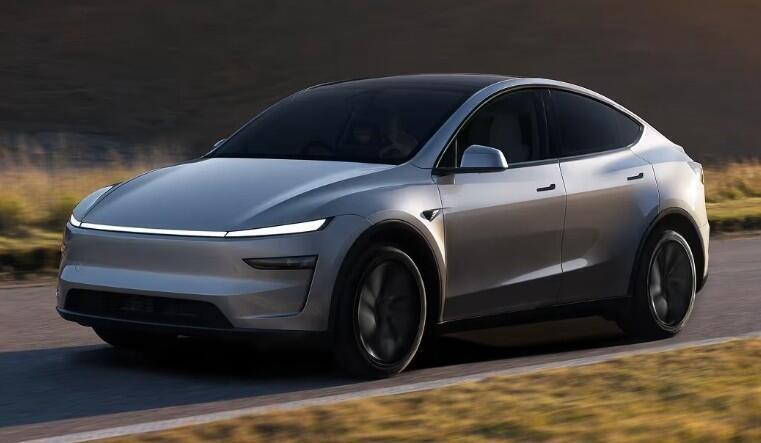
The Tesla Model Y is one of those cars that can make us feel like we’ve stepped into tomorrow. It is quick, quiet, spacious, loaded with software, and wrapped in the kind of minimalist cabin that makes many traditional SUVs feel slightly old-fashioned. But let’s be honest: no car is perfect, and the Model Y has collected its fair share of complaints, quirks, reliability concerns, and ownership headaches.
So, when people search for problems with Tesla Model Y, they are usually not asking, “Is it a terrible car?” They are asking something smarter: “What could annoy me after the honeymoon phase ends?”
And that is exactly where we need to be practical. The Model Y can be brilliant, but it can also be frustrating. It can save us money on fuel, then surprise us with tire wear. It can feel futuristic, then make us tap through a screen just to adjust something that used to be a simple button. It can receive over-the-air fixes, yet still be affected by recalls and software-related issues.
In this guide, we’ll walk through the most common Tesla Model Y problems in a clear, realistic way. No drama. No blind fanboy energy. No angry anti-EV shouting. Just a grounded look at what owners and shoppers should understand.
- Why the Tesla Model Y Gets So Much Attention
- Common Tesla Model Y Problems at a Glance
- Build Quality Issues: The Famous Tesla Conversation
- Interior Problems: Minimalism Can Be a Double-Edged Sword
- The Center Screen Problem: Cool Until It Isn’t
- Ride Comfort: The Model Y Can Feel Firm
- Tire Wear: The Sneaky Ownership Cost
- Phantom Braking and Driver Assistance Concerns
- Steering Issues and Power Steering Recalls
- Battery and Range Problems: Expectations Need a Reality Check
- Charging Problems and Misunderstandings
- HVAC and Heat Pump Issues
- Software Bugs: The Blessing and Curse of a Rolling Computer
- Service Center Problems and Repair Delays
- Accident Repair Costs and Insurance Surprises
- Brake Feel and Regenerative Braking Quirks
- Interior Practicality Problems
- Depreciation and Price Volatility
- Model Year Differences: Not Every Model Y Is the Same
- Recalls: What Buyers Should Check
- Used Tesla Model Y Problems to Watch For
- Is the Tesla Model Y Unreliable?
- Who Should Think Twice Before Buying a Model Y?
- Who Will Probably Love the Model Y Anyway?
- How to Avoid the Worst Tesla Model Y Problems
- Final Verdict: Are Tesla Model Y Problems a Deal-Breaker?
- FAQs About Problems With Tesla Model Y
Why the Tesla Model Y Gets So Much Attention
The Model Y is not just another electric SUV. It is one of Tesla’s most important vehicles and one of the most visible EVs on the road. That means every issue gets amplified. When a conventional SUV has a rattle, people complain quietly. When a Model Y has a rattle, it becomes a forum thread, a YouTube video, and a heated comment section before lunch.
That attention matters because the Model Y sits at the intersection of three big expectations:
- We expect EVs to be simpler and cheaper to maintain.
- We expect Tesla software to improve over time.
- We expect a premium-priced vehicle to feel properly finished.
When those expectations collide with real-world ownership, the cracks become easier to see. Consumer Reports has described the Model Y as quick, agile, roomy, and efficient, but also noted concerns such as a stiff ride and distracting controls, especially because many everyday functions rely heavily on the center screen.
Common Tesla Model Y Problems at a Glance
Before we dive deeper, let’s put the big issues on the table. The most discussed problems with Tesla Model Y include:
- Build quality inconsistencies
- Paint defects and panel gaps
- Interior rattles and trim noises
- Stiff ride comfort
- Rapid tire wear
- Expensive tire replacement
- Phantom braking reports
- Steering-related concerns in some model years
- Software bugs and screen dependency
- HVAC and heat pump issues
- Battery range loss in cold weather
- Charging speed expectations versus reality
- Service appointment delays
- High repair costs after accidents
- Depreciation and resale uncertainty
Some of these are serious. Some are mildly annoying. Some depend heavily on the model year, region, climate, driving style, and whether the car was built during a stronger or weaker production period.
Build Quality Issues: The Famous Tesla Conversation
Let’s start with the elephant in the garage: build quality.
Tesla has improved over the years, but the Model Y still has a reputation for inconsistent fit and finish. Some owners receive a beautifully assembled car. Others notice things that would feel out of place in a vehicle at this price.
Panel Gaps and Misaligned Body Parts
Panel gaps are one of the most commonly discussed Tesla Model Y problems. We’re talking about uneven spaces between doors, fenders, bumpers, hatch panels, or lights. Sometimes they are minor. Sometimes they are obvious enough that even a casual passenger notices.
This does not always affect safety or performance, but it can affect pride of ownership. After all, when we buy a modern EV, we do not want to walk around it like a detective with a flashlight.
Paint Quality Concerns
Some Model Y owners have reported thin paint, paint chips, orange peel texture, or uneven paint finish. This can be especially frustrating for drivers who use the car daily on highways, gravel roads, or in winter conditions where salt and road debris are common.
Paint protection film can help, but that adds cost. And frankly, buyers should not feel forced to armor a new car just to keep it looking fresh.
Door, Hatch, and Window Alignment
A hatch that needs adjustment, a door that closes with a slightly different sound, or a window seal that does not sit perfectly can make the car feel less polished. These are not always deal-breakers, but they do feed into the broader perception that Tesla sometimes prioritizes speed of production over old-school craftsmanship.
Interior Problems: Minimalism Can Be a Double-Edged Sword
The Model Y cabin looks clean, modern, and almost Scandinavian. But minimalism only works when everything feels solid. When rattles appear, the silence of an electric drivetrain makes them more noticeable.
Cabin Rattles and Squeaks
Because EVs are so quiet, small noises become big characters in the ownership story. A minor dashboard buzz in a gas SUV might disappear under engine noise. In a Model Y, it can sound like a cricket with a microphone.
Common rattle areas may include:
- Dashboard trim
- Door panels
- Rear seats
- Hatch area
- Seatbelt adjusters
- Center console
- Rear cargo trim
The tricky part is that rattles can be intermittent. They appear on cold mornings, vanish at noon, then return over rough pavement like an unwanted playlist.
Seat Comfort Complaints
Many owners like the Model Y seats, especially for short and medium trips. But not everyone finds them ideal for long drives. Some drivers mention firm cushioning, limited thigh support, or discomfort after several hours.
This is subjective, of course. One person’s “supportive seat” is another person’s “why is my back negotiating with me?”
This content may interest you! Toyota RAV4 Problems: Common Issues, Years to Check, and Tips Before Buying
Rear Visibility Limitations
The Model Y has a sleek crossover shape, but rear visibility is not its strongest point. The rear window is relatively small, and the high rear body shape can make parking feel more dependent on cameras.
The cameras are useful, but some drivers still prefer old-fashioned visibility. Technology is great, but sometimes we just want to turn our head and see the world clearly.
The Center Screen Problem: Cool Until It Isn’t
Tesla’s central touchscreen is one of the Model Y’s defining features. It controls navigation, media, climate, mirrors, steering wheel settings, drive modes, and more. It looks futuristic. It also means we depend on one interface for nearly everything.
Consumer Reports has specifically criticized the Model Y’s control layout as distracting, noting that many interior tasks are handled through the center screen.
Too Many Basic Functions Live in the Screen
In a traditional SUV, we may have buttons for wipers, mirrors, vents, temperature, drive modes, and glovebox access. In the Model Y, many of these tasks require screen interaction.
That can be annoying when parked. It can be distracting while driving.
Learning Curve for New Owners
The Model Y does not feel like a normal car with a battery. It feels like a tech product on wheels. That is exciting, but it also means new owners need time to adjust.
Simple questions appear early:
- How do we open the glovebox?
- How do we adjust mirrors?
- Where are the wiper controls?
- How do we reboot the screen?
- Why did a software update change a setting?
For tech-friendly drivers, this is part of the fun. For others, it can feel like buying a car and getting homework.
Ride Comfort: The Model Y Can Feel Firm
One of the most common complaints about the Tesla Model Y is ride comfort. It is not unbearable, but it can feel stiff, especially on rough city streets, broken pavement, expansion joints, or pothole-heavy roads.
The Model Y is heavy because of its battery pack, and Tesla tunes it for responsive handling. That gives it a planted feel, but the trade-off is firmness.
Why the Ride Feels Harsh to Some Drivers
The issue usually comes from a mix of:
- Heavy EV platform
- Firm suspension tuning
- Large wheels
- Low-profile tires
- High tire pressure
- Quiet cabin that makes impacts more obvious
A Model Y on smaller wheels may feel more comfortable than one on larger performance-style wheels. So, if comfort matters, wheel choice is not a small detail. It is a big part of the experience.
Updated Model Y Improvements
Tesla’s newer Model Y refresh has aimed to improve refinement, with changes such as a quieter cabin, upgraded materials, and a more compliant ride, though Consumer Reports still described the ride as firm.
That means newer versions may feel better, but shoppers should still test drive on imperfect roads. Smooth showroom streets tell only half the story.
Tire Wear: The Sneaky Ownership Cost
The Tesla Model Y is quick. Very quick. And because electric motors deliver instant torque, it is easy to accelerate harder than we realize. That joy comes with a price: tires.
Why Tesla Model Y Tires Wear Quickly
The Model Y can wear tires faster than some gas SUVs because of:
- High vehicle weight
- Instant torque
- Regenerative braking
- Performance-oriented alignment
- Aggressive acceleration
- Large wheel options
- Uneven tire rotation habits
This does not mean every Model Y destroys tires. Careful drivers can get reasonable tire life. But if we drive it like a silent rocket every day, the tires will send us the bill.
Tire Replacement Can Be Expensive
Model Y tires are not usually bargain-bin cheap, especially on larger wheels. Add EV-rated tires, performance sizes, or premium brands, and the cost can climb quickly.
For shoppers, this is one of the most important “hidden” Tesla Model Y problems. We may save money by skipping gas and oil changes, but tires can eat part of that savings like a hungry little monster.
Phantom Braking and Driver Assistance Concerns
Phantom braking is one of the most discussed Tesla issues. It refers to unexpected deceleration when the vehicle’s driver-assistance systems misinterpret something on the road.
In July 2026, Reuters reported that NHTSA closed a 2022 investigation into unexpected deceleration in about 695,000 Tesla vehicles, including Model 3 and Model Y, citing low demonstrated hazard and a substantial drop in incidents. NHTSA said reports had fallen from 300 when the investigation opened to 45 in 2024, 19 in 2025, and three since the start of 2026.
This content may interest you!Toyota RAV4 8 Speed Transmission Problems: What Owners Should Know Before Panic Sets InWhat Phantom Braking Feels Like
Owners who experience it usually describe the car suddenly slowing down when using Autopilot, Traffic-Aware Cruise Control, or related driver-assistance features.
Possible triggers may include:
- Shadows
- Overpasses
- Road signs
- Curves
- Vehicles in adjacent lanes
- Unusual road markings
- Bright sunlight or glare
Even if the problem is less common now, it remains something buyers should understand. Driver assistance is not the same as full autonomy. We still need hands, eyes, and judgment.
Autopilot Expectations Versus Reality
Tesla branding can make the technology sound more magical than it feels in daily driving. Autopilot and Full Self-Driving Supervised are advanced systems, but they still require driver attention.
The problem is not only technical. It is psychological. When a system works beautifully 95% of the time, we start relaxing. Then the remaining 5% wakes us up with a jolt.
Steering Issues and Power Steering Recalls
Steering problems are among the more serious concerns because steering is not a comfort feature. It is a basic safety function.
Reuters reported in June 2026 that NHTSA closed a probe into power steering loss involving about 376,241 Tesla Model 3 and Model Y vehicles from the 2023 model year after a Tesla recall. The issue involved power steering assist failure that could make vehicles harder to steer, especially at low speeds.
What Owners Reported
Some owners reported increased steering effort or difficulty turning the wheel. This is especially concerning in parking lots, tight turns, and low-speed maneuvers, where power assist matters most.
Software Fixes Are Helpful, But Not Magic
Tesla’s ability to issue over-the-air software updates is a major advantage. But we should not confuse “software fix available” with “problem never mattered.”
A recall is still a recall. And even when the remedy is convenient, it can affect confidence.
Battery and Range Problems: Expectations Need a Reality Check
The Tesla Model Y offers strong range, especially in Long Range versions. But real-world range is not a fixed number. It changes with weather, speed, terrain, tires, driving style, payload, and climate control use.
Consumer Reports recorded 331 miles in its 70-mph highway range test of an AWD long-range battery version, which it described as impressive. But real owners may see different numbers depending on conditions.
Cold Weather Range Loss
Cold weather is one of the biggest range killers. Batteries are less efficient in low temperatures, and cabin heating uses energy. Tesla heat pumps help, but winter still changes the equation.
Drivers in colder regions may notice:
- Lower displayed range
- Slower charging when the battery is cold
- Higher energy use on short trips
- More frequent charging stops
- Reduced regenerative braking until the battery warms
This is normal EV behavior, but it can disappoint buyers who expected the official range number every day.
Highway Speed Reduces Range
EVs love smooth, moderate driving. They are less happy when pushed at high highway speeds. Air resistance rises quickly, and the Model Y’s real range can drop during fast motorway or interstate driving.
So, if we regularly drive long highway routes at higher speeds, we should plan charging stops with a buffer.
Charging Problems and Misunderstandings
Tesla’s Supercharger network remains one of its biggest advantages. Still, charging is not always as effortless as marketing makes it look.
Home Charging Is Almost Essential
A Model Y works best when we can charge at home. Without home charging, ownership can feel less convenient. Public charging is useful, but relying on it all the time can turn a simple errand into a planning exercise.
Charging Speed Varies
Peak charging speed does not last from 0% to 100%. The fastest charging usually happens under ideal conditions and at lower battery percentages. As the battery fills, charging slows.
That means a 15-minute charging stop can be great when we need a quick boost, but charging near full can feel slow.
Public Charger Problems
Even Tesla’s network can have occasional issues:
This content may interest you!Toyota RAV4 Key Fob Not Working: Easy Fixes, Causes, and Smart Troubleshooting Guide- Busy charging stations
- Stalls temporarily unavailable
- Slower speeds than expected
- Queues during holiday travel
- Navigation rerouting
- Charging costs changing by location and time
Most of the time, Tesla charging is better than the broader public EV charging experience. But it is not perfect.
HVAC and Heat Pump Issues
Heating and air conditioning are important in any car, but in an EV they also affect range and comfort. Some Model Y owners have reported HVAC problems, including weak heating, noisy operation, sensor errors, or heat pump-related warnings.
Why HVAC Problems Feel Bigger in an EV
In a gas vehicle, waste engine heat can warm the cabin. In an EV, heating is part of the energy management system. So, when HVAC performance drops, we notice it in two ways:
- The cabin becomes uncomfortable.
- The range estimate may become more stressful.
For drivers in very cold climates, a heat pump problem can be more than a small inconvenience.
Software Bugs: The Blessing and Curse of a Rolling Computer
The Model Y is as much software platform as vehicle. That brings huge benefits: new features, interface changes, performance tweaks, improved driver assistance behavior, and remote diagnostics.
But software can also create new annoyances.
Owners may encounter:
- Screen freezes
- Bluetooth glitches
- App connection issues
- Delayed camera loading
- Navigation bugs
- Driver profile errors
- Random warning messages
- Update-related setting changes
A reboot may solve some problems. Other issues require updates or service support.
Updates Can Change the Car
This is one of the strangest parts of Tesla ownership. The car we buy can feel different months later. Usually, that is good. Sometimes, it is irritating.
A software update can move menus, adjust features, change driver-assistance behavior, or alter how certain controls work. Traditional cars age quietly. Teslas evolve loudly.
Service Center Problems and Repair Delays
Tesla does not use a traditional dealer network in the same way legacy automakers do. This direct-sales and service model can feel smooth for some owners and frustrating for others.
The Service Experience Can Be Inconsistent
Some owners praise Tesla mobile service as convenient and efficient. Others complain about long appointment waits, limited service center availability, repeated visits, or communication issues.
This depends heavily on location. A buyer near a strong Tesla service center may have a much better experience than someone far from support.
Parts Availability Can Be a Problem
Collision repairs and certain parts replacements can take longer than expected. The Model Y’s popularity helps parts demand, but high volume does not always mean instant availability.
This matters if the car is our main vehicle. A small accident can become a big logistical headache if parts are delayed.
Accident Repair Costs and Insurance Surprises
The Model Y can be expensive to repair after a crash. EV architecture, sensors, cameras, battery protection, aluminum components, and specialized repair procedures can all raise costs.
Why Minor Damage Can Become Expensive
A bumper repair may involve sensors or cameras. A side impact may require battery inspection. A windshield replacement may involve camera calibration. What looks small from the outside may not be small on the invoice.
Insurance Costs Can Be Higher Than Expected
Insurance varies by driver, region, trim, and driving history. But some Model Y owners find premiums higher than expected. The reasons are usually tied to repair costs, parts, performance, and claims data.
Before buying, it is smart to get an insurance quote. Not after. Before. That small step can prevent a very expensive surprise.
Brake Feel and Regenerative Braking Quirks
The Model Y relies heavily on regenerative braking. Once we get used to one-pedal driving, it can feel natural and smooth. But at first, it may feel strange.
Regenerative Braking Takes Adjustment
New EV drivers may find the car slows more aggressively than expected when lifting off the accelerator. Most adapt quickly, but passengers may notice jerky driving during the learning phase.
Brake Maintenance Is Different
Because regenerative braking reduces use of the physical brakes, brake pads may last longer. That sounds great. But less use can also mean corrosion or sticking components in wet or salty climates if brakes are not periodically exercised.
This content may interest you! Tesla Model Y Issues: What We Should Know Before Buying or Owning One
EV maintenance is simpler in some ways, but it is not zero maintenance.
Interior Practicality Problems
The Model Y is spacious and practical, but a few everyday usability complaints come up.
No Traditional Instrument Cluster
There is no driver display behind the steering wheel. Speed and key information appear on the center screen. Some owners get used to it quickly. Others never love it.
For shoppers coming from traditional SUVs, this can be one of the biggest adjustment points.
Glass Roof Heat
The panoramic glass roof makes the cabin feel open and airy. But in hot climates, some passengers may feel extra heat despite factory tinting. Sunshades can help, but again, that means buying an accessory to solve a comfort issue.
Third-Row Limitations
The optional seven-seat layout sounds useful, but the third row is small. It is best for children or very short trips. Adults will not confuse it with a full-size SUV.
Depreciation and Price Volatility
Tesla pricing has changed multiple times over the years. Price cuts can be great for new buyers, but painful for recent buyers who suddenly see their resale value drop.
Why Resale Value Can Feel Unpredictable
Used Model Y values depend on:
- Tesla new-car pricing
- EV tax incentives
- Battery condition
- Mileage
- Software features
- Local charging infrastructure
- Competition from newer EVs
- Market perception of Tesla
For buyers who keep cars long-term, this may not matter much. For those who trade every few years, it matters a lot.
Model Year Differences: Not Every Model Y Is the Same
When discussing problems with Tesla Model Y, we need to be careful. A 2020 early-production Model Y is not the same ownership proposition as a refreshed 2026 version.
Early Model Y Builds
Earlier builds were more likely to attract complaints about panel gaps, paint, rattles, and quality control. That does not mean every early car is bad, but inspection matters.
Later Model Y Builds
Newer versions benefit from production improvements, software updates, and refinement changes. Still, newer cars can introduce new issues, especially after major updates or redesigns.
Consumer Reports notes that the Model Y received an extensive update for 2025, including fresh styling, interior updates, and claimed improvements to cabin quietness, materials, and ride.
Recalls: What Buyers Should Check
Recalls are not unique to Tesla. Every major automaker has them. But Tesla recalls often make headlines because some are handled through software and because the brand attracts intense attention.
Tesla has issued a voluntary recall on certain 2025 Model 3 and 2026 Model Y vehicles equipped with specific battery pack contactors that may open due to a poor coil termination connection, potentially causing sudden loss of propulsion. Tesla states affected owners can check recall status through Tesla’s VIN Recall Search or NHTSA’s VIN tool.
Why VIN Checks Matter
Never assume a used Model Y is recall-free. Always check the VIN before purchase.
A proper pre-purchase checklist should include:
- Tesla recall lookup
- NHTSA recall lookup
- Service history
- Tire condition
- Accident history
- Paint and body inspection
- Charging test
- Screen and camera test
- HVAC test
- Suspension noise check
That sounds like a lot, but buying without checking is like walking into a rainstorm with a paper umbrella.
Used Tesla Model Y Problems to Watch For
A used Model Y can be a smart buy, especially if depreciation has already taken a bite. But used EV shopping requires a slightly different mindset.
Battery Health
Battery degradation is usually gradual, but buyers should still check range estimates, charging behavior, and warranty status. A battery does not need to be perfect, but we want to know what we are buying.
Tire and Suspension Wear
Because the Model Y is heavy and quick, inspect the tires carefully. Uneven wear may point to alignment issues or aggressive driving.
Listen for suspension noises over bumps. Clunks, creaks, or knocking sounds deserve attention.
This content may interest you! Tesla Model Y Suspension Problems
Interior Wear
Tesla interiors can age differently depending on use. Check seat bolsters, steering wheel material, door panels, rear cargo trim, and touchscreen condition.
Software Features
Not all used Model Ys include the same software options. Confirm whether features such as Enhanced Autopilot or Full Self-Driving capability are included, transferable, active, or subscription-based.
Is the Tesla Model Y Unreliable?
The honest answer is: it depends on what we mean by unreliable.
If we define reliability as “few moving parts and no oil changes,” the Model Y has advantages. There is no traditional engine, no transmission in the classic sense, no exhaust system, and fewer routine maintenance items.
But if we define reliability as “no rattles, no software issues, no service delays, no recalls, no trim problems, and no expensive surprises,” the answer becomes more complicated.
The Model Y Is Mechanically Simple, But Digitally Complex
That is the key. The Model Y removes many old problems but introduces new ones. Instead of oil leaks, we think about software bugs. Instead of timing belts, we think about battery systems. Instead of a dashboard full of buttons, we think about screen dependency.
It is not automatically worse. It is different.
Who Should Think Twice Before Buying a Model Y?
The Model Y is not for everyone. We should be cautious if we:
- Cannot charge at home
- Live far from Tesla service
- Hate touchscreen controls
- Want a soft, luxury ride
- Drive mostly high-speed highway routes
- Need cheap tires
- Want traditional buttons
- Are sensitive to rattles
- Frequently tow or carry heavy loads
- Expect official range in every condition
None of these automatically rule out the Model Y. But they are warning signs.
Who Will Probably Love the Model Y Anyway?
The Model Y still makes a lot of sense for many drivers. We may love it if we:
- Can charge at home
- Want strong acceleration
- Like minimalist interiors
- Enjoy software updates
- Drive mostly urban and suburban routes
- Want access to Tesla Superchargers
- Value low routine maintenance
- Need good cargo space
- Prefer EV efficiency
- Are comfortable with tech-first design
For the right person, the Model Y feels like a cheat code. For the wrong person, it feels like a very expensive smartphone with wheels.
How to Avoid the Worst Tesla Model Y Problems
We cannot control everything, but we can shop smarter.
Before Buying New
Do these things:
- Test drive on rough roads, not just smooth streets.
- Check panel gaps before accepting delivery.
- Inspect paint under good light.
- Test doors, hatch, windows, and charging port.
- Confirm all cameras work.
- Check HVAC heating and cooling.
- Review current recalls by VIN.
- Compare insurance quotes.
- Think carefully about wheel size.
- Confirm home charging setup.
Before Buying Used
Do these things:
- Check accident history.
- Verify warranty status.
- Inspect tire wear.
- Test Supercharging.
- Listen for suspension noise.
- Check screen responsiveness.
- Review service records.
- Confirm software features.
- Check recall completion.
- Inspect underbody and battery shield.
A careful inspection can turn a risky purchase into a smart one.
Final Verdict: Are Tesla Model Y Problems a Deal-Breaker?
The problems with Tesla Model Y are real, but they are not always fatal. This is a car with brilliant strengths and irritating weaknesses. It can be fast, efficient, practical, and genuinely enjoyable. It can also be stiff, screen-dependent, costly to repair, tire-hungry, and occasionally frustrating.
The smartest way to look at the Model Y is not as a perfect electric SUV. It is better to see it as a powerful tech-forward vehicle with a few rough edges. Like a talented musician who sometimes shows up late, it can impress us and annoy us in the same week.
Should we avoid it? Not necessarily.
Should we buy one blindly because “it’s a Tesla”? Absolutely not.
The best move is simple: test drive it properly, check the exact model year, inspect the vehicle carefully, understand charging, verify recalls, and price the real ownership costs. If the strengths fit our life, the Model Y can be excellent. If the weaknesses hit our personal pain points, another EV may make us happier.
FAQs About Problems With Tesla Model Y
1. What is the biggest problem with Tesla Model Y?
The biggest problem depends on the owner, but the most common complaints involve build quality, stiff ride comfort, tire wear, touchscreen dependency, and occasional software or driver-assistance issues. For many buyers, the most frustrating problem is not one single defect, but the feeling that a premium-priced vehicle should have fewer small annoyances.
2. Does the Tesla Model Y have battery problems?
Most Model Y batteries are designed to last a long time, but owners may notice range loss from cold weather, high-speed driving, heavy HVAC use, and normal degradation over time. Serious battery failures are less common, but they can be expensive outside warranty. Buyers should always check battery warranty coverage and charging behavior, especially on used vehicles.
This content may interest you! Tesla Model Y Wind Noise Problems
3. Is Tesla Model Y expensive to maintain?
Routine maintenance can be cheaper than many gas SUVs because there are no oil changes, spark plugs, exhaust systems, or traditional transmissions. However, tires, insurance, collision repairs, glass, suspension parts, and out-of-warranty repairs can be expensive. So, the Model Y can be cheap in some ways and costly in others.
4. Are Tesla Model Y recalls serious?
Some recalls are minor and may be fixed through software updates, while others can involve more important safety or drivability concerns. Tesla has issued recalls affecting certain Model Y vehicles, including issues related to steering assist and battery pack contactors. The safest approach is to check the exact VIN through Tesla or NHTSA before buying.
5. Should we buy a used Tesla Model Y?
A used Model Y can be a good buy if the price is right and the vehicle passes a careful inspection. We should check tire wear, suspension noise, battery health, service history, accident records, recall status, and included software features. A clean used Model Y with home charging access can be a strong value, but a neglected one can become expensive quickly.
Leave a Reply