
Why Does My Toyota RAV4 Make a Clicking Noise?
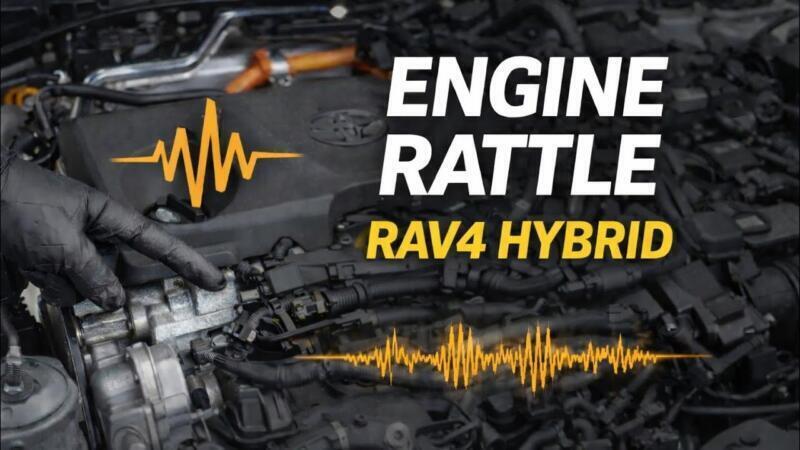
If you own a Toyota RAV4 and have noticed a persistent clicking sound, you’re not alone this common issue can range from minor inconveniences to signs of a more serious problem. The clicking may occur when turning, accelerating, or idling, prompting concerns about the vehicle’s performance and safety.
Understanding the root cause is essential for timely repairs and avoiding costly damage. This article explores the potential reasons behind the noise, from normal engine operations to worn-out components like CV joints or suspension parts, providing clarity to help you diagnose and address the issue effectively.
Common Causes of a Clicking Noise in Your Toyota RAV4
A clicking noise in your Toyota RAV4 can be disconcerting, but it often stems from a few predictable sources. Understanding these common causes helps you diagnose whether the issue is minor or requires immediate professional attention.
The sound could originate from the engine bay, the suspension, or the drivetrain, and identifying the specific conditions under which the noise occurs is the first step to a solution.
Low or Worn Engine Oil
One of the most frequent reasons for a clicking or ticking noise, especially upon startup or during acceleration, is low engine oil or oil that has broken down over time. The RAV4’s variable valve timing system and hydraulic lifters rely on consistent oil pressure to operate quietly.
When oil levels drop or the oil becomes too old and thin, components can suffer from inadequate lubrication, leading to a metallic clicking sound. Checking your oil level with the dipstick and scheduling a timely oil change often resolves this issue immediately.
Failing CV Axles or Wheel Bearings
If the clicking noise is more pronounced when turning corners, it is highly indicative of a worn constant velocity (CV) axle. A damaged CV joint will produce a distinct, rhythmic clicking that speeds up as you accelerate through a turn.
Alternatively, a failing wheel bearing creates a humming, growling, or clicking sound that changes with vehicle speed. This issue is a safety concern, as a complete failure can lead to wheel detachment, so a prompt inspection by a mechanic is essential.
Loose or Worn Serpentine Belt and Tensioner
A clicking sound that occurs when the engine is idling or under electrical load can often be traced to the serpentine belt or its tensioner.
As the belt wears, it can develop cracks or glazing, causing it to slip on pulleys and produce a rhythmic click or chirp. The belt tensioner itself can also fail, losing its ability to maintain proper tension. Inspecting the belt for visible damage and checking the tensioner for play can confirm if this is the source of the noise.
| Noise Condition | Most Likely Cause | Recommended Action |
|---|---|---|
| Clicking on startup, gets quieter | Low engine oil or oil drainback | Check and top off oil; schedule oil change |
| Clicking while turning | Failing CV axle joint | Have axles inspected and replaced if needed |
| Clicking that speeds with engine RPM | Worn serpentine belt or tensioner | Inspect belt for cracks; replace belt/tensioner |
| Clicking while driving straight, changes with speed | Failing wheel bearing | Have bearings inspected and replaced immediately |
Common Causes of Clicking Noises in a Toyota RAV4
A clicking noise in your Toyota RAV4 can stem from several mechanical or electrical components, often indicating wear, loose parts, or normal operation. The most frequent sources include the CV joints, which produce a rhythmic click when turning due to damaged boots or lack of grease.
Brake system issues, such as worn pads or debris between the rotor and shield, can also create clicking sounds. Additionally, engine components like low oil pressure or a failing serpentine belt tensioner may contribute, while interior trim or loose undercarriage panels often mimic mechanical problems.
Tire debris like stones lodged in the tread is another common, easily fixed cause. Accurate diagnosis requires listening for when the noise occurs, such as during acceleration, braking, or turning.
This content may interest you! Ford Ranger Steering Problems and Solutions
Worn CV Joints and Drive Axle Problems
The CV joints are a primary suspect for clicking noises, especially during sharp turns or acceleration. When the rubber boot tears, dirt enters and grease leaks out, causing the joint to wear rapidly. This results in a distinctive clicking or popping sound that increases with speed.
If ignored, the joint can fail entirely, leading to loss of drive power. Inspecting the CV boot for cracks or grease splatter around the wheel well is essential, and replacement of the entire axle assembly is often required.
Brake Component Wear or Debris
Clicking from the wheels may relate to brake pads or rotors. A loose brake pad can rattle against the caliper, especially on rough roads. Alternatively, a small stone or metal shard trapped between the rotor and brake shield will create a continuous clicking that changes with wheel rotation.
Lifting the vehicle and rotating the wheel by hand can help identify the source. Replacing worn pads or removing debris typically resolves the issue without major costs.
A clicking from under the hood often points to low engine oil or a failing valve train component. In some RAV4 models, a faulty serpentine belt tensioner can produce a metallic click as it loses tension. Spark plug or ignition coil issues may also cause a rhythmic clicking due to misfiring.
Checking oil levels and listening for changes in noise with engine load helps differentiate these causes. Professional diagnostic tools may be needed to pinpoint electrical failures.
Loose or Damaged Suspension and Steering Parts
Suspension components like ball joints, tie rod ends, or sway bar links can click when they wear out. A loose tie rod end produces a clicking sound during steering movement, while a worn ball joint may click when driving over bumps. Visual inspection for torn rubber boots or excessive play in the linkage is key.
Tightening or replacing these parts restores safe handling and eliminates noise.
External Factors: Tire Debris and Heat Shields
Sometimes the noise is not mechanical failure but debris stuck in the tire tread—a common culprit is a nail or rock that clicks as the wheel rolls. Additionally, a loose heat shield around the exhaust system can vibrate and produce a metallic clicking, especially when the engine is cold.
Checking the tires for foreign objects and securing undercarriage panels with new bolts or washers provides a quick fix. These issues are inexpensive to resolve but often mistaken for serious problems.
Frequently Asked Questions
What does a clicking noise from my Toyota RAV4 usually indicate?
A clicking noise in your RAV4 often points to low or contaminated brake pads, a worn-out CV joint, or a failing suspension component. If the clicking happens when turning, it likely stems from a damaged CV joint, while a steady ticking during startup might relate to normal engine operation or low oil. Inspecting the affected area with a mechanic can pinpoint the issue quickly.
Is a clicking noise in a Toyota RAV4 a sign of a serious problem?
Not necessarily—it depends on the source. A soft click from the engine bay at idle could be harmless fuel injector noise. However, a loud, repetitive click while driving or turning suggests a worn CV joint or loose brake caliper, which requires prompt attention to avoid safety risks or further damage. Ignoring it might lead to costly repairs later.
Why does my Toyota RAV4 click when I turn the steering wheel?
This usually indicates a failing CV joint on the front axle, especially if the noise worsens with sharp turns. The CV joint loses lubrication or suffers from torn rubber boots, leading to metal-on-metal contact. Alternatively, a loose tie rod end or suspension component can cause clicking during steering. Have a mechanic inspect these parts to prevent drive failure.
This content may interest you! Audi A3 Oil Change Cost New Zealand: What Should You Pay?
Can a clicking noise in my Toyota RAV4 be caused by low oil?
Yes, low oil can cause engine components to click due to inadequate lubrication, particularly in hydraulic lifters or camshafts. This noise is typically a quick, rhythmic ticking at idle or acceleration. Check your oil level immediately and top it off if low. If the clicking persists after adding oil, it might indicate worn engine parts requiring professional diagnosis.
Leave a Reply