
Toyota Voxy Common Problems: Reliability, Symptoms, and Repair Advice
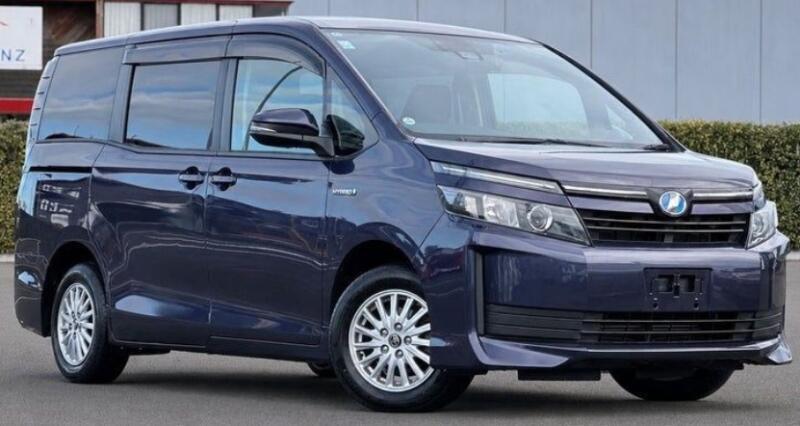
The Toyota Voxy has earned a loyal following for a simple reason: it packs family-friendly practicality, flexible seating, sliding doors, and respectable efficiency into a manageable footprint. It is the sort of minivan that can carry school bags on Monday, furniture on Saturday, and half the extended family on Sunday.
Does that mean it is flawless? Not quite.
Like every vehicle, the Voxy has weak points. Some problems come from ordinary wear, some appear more frequently in particular generations, and others are caused by poor maintenance or long periods of inactivity. Because many Voxy models are imported from Japan, buyers may also face challenges involving service records, replacement parts, untranslated dashboard messages, and incomplete recall histories.
The good news is that the Toyota Voxy is generally considered a dependable minivan when maintained correctly. Its most frequently discussed faults tend to involve the power sliding doors, 12-volt battery, suspension components, hybrid system, cooling system, petrol engine, continuously variable transmission, and electronic equipment.
In this guide, we will examine the most common Toyota Voxy problems, the warning signs to watch for, and the practical steps that can prevent a minor irritation from becoming an expensive repair.
- Is the Toyota Voxy a Reliable Vehicle?
- Toyota Voxy Generations and Their Typical Concerns
- 1. Power Sliding Door Problems
- 2. Weak or Failing 12-Volt Battery
- 3. Hybrid System Warning Messages
- 4. Hybrid Battery Deterioration
- 5. Petrol Engine Oil Consumption
- 6. CVT Shuddering, Hesitation, or Noise
- 7. Cooling-System and Water-Pump Leaks
- 8. Suspension Knocking and Premature Wear
- 9. Engine Mount Vibration
- 10. Rough Idle and Carbon Buildup
- 11. Air-Conditioning Problems
- 12. Dashboard Warning Lights and Japanese Displays
- 13. Infotainment and Radio Compatibility
- 14. Brake and Electric Parking-Brake Faults
- 15. Fuel-Pump Failure and Engine Stalling
- 16. Steering Noise or Heavy Steering
- 17. Rust and Underbody Corrosion
- 18. Poor Fuel Economy
- 19. Keyless-Entry and Smart-Key Problems
- 20. Exhaust and Emissions Problems
- Which Toyota Voxy Problems Are the Most Expensive?
- Toyota Voxy Pre-Purchase Inspection Checklist
- How to Prevent Common Toyota Voxy Problems
- Should We Buy a Used Toyota Voxy?
- Final Thoughts on Toyota Voxy Common Problems
- Frequently Asked Questions
Is the Toyota Voxy a Reliable Vehicle?
Yes, the Toyota Voxy can be a reliable family vehicle, particularly when it has a documented maintenance history and has not been neglected. Toyota has produced the Voxy through several generations, however, so reliability varies according to the model year, engine, drivetrain, mileage, and previous ownership.
Older petrol-powered examples may suffer from age-related oil consumption, cooling-system deterioration, suspension wear, and electrical problems. Hybrid versions introduce additional components, including the traction battery, inverter cooling system, electric water pumps, and hybrid control electronics.
That sounds intimidating, but complexity does not automatically mean unreliability. Toyota’s hybrid systems have a strong overall reputation. The real danger is buying an imported vehicle without understanding its history.
A shiny body can hide a tired drivetrain like fresh paint covering damp wood. Before purchasing a used Voxy, we should look beyond the polished dashboard and examine how the vehicle was serviced, stored, driven, and imported.
Official safety campaigns have affected certain Voxy production periods and systems, including fuel-pump, braking, parking-assist, camera, and door-lock-related components. Recall eligibility depends on the chassis number and market, so checking the individual vehicle is more useful than relying only on its model year.
Toyota Voxy Generations and Their Typical Concerns
Before discussing individual faults, it helps to identify the main Voxy generations.
First-Generation Voxy: 2001–2007
Early models are now old enough for age to matter more than design. Common concerns may include:
- Engine oil consumption
- Cooling-system leaks
- Worn engine mounts
- Sliding-door faults
- Suspension noise
- Rust underneath the vehicle
- Aging sensors and electrical connectors
Many first-generation examples use Toyota’s 1AZ-FSE direct-injection petrol engine. This engine can perform well, but poor servicing may lead to deposits, oil consumption, rough running, or cooling-related trouble.
Second-Generation Voxy: 2007–2014
The second-generation Voxy improved comfort and packaging, but used examples may develop:
- CVT hesitation or shuddering
- High oil consumption
- Power-door problems
- Steering and suspension wear
- Water-pump leakage
- Air-conditioning faults
- Carbon buildup in petrol engines
At this age, maintenance records are often more important than the badge on the bonnet.
Third-Generation Voxy: 2014–2021
The third generation introduced popular hybrid versions alongside conventional petrol models. Potential trouble spots include:
- Weak 12-volt batteries
- Hybrid warning messages
- Sliding-door motor or sensor problems
- Suspension knocks
- Electric water-pump faults
- Infotainment compatibility issues
- Aging hybrid batteries on high-mileage vehicles
This generation remains attractive because it combines modern safety features with good cabin space. Nevertheless, buyers should arrange a full diagnostic scan before purchase.
Fourth-Generation Voxy: 2022–Present
Toyota launched the fourth-generation Noah and Voxy in January 2022 using the TNGA GA-C platform, with updated petrol and hybrid powertrains, more driver-assistance technology, and additional convenience features.
These models are newer, so widespread long-term mechanical patterns are still developing. Early concerns are more likely to involve:
- Software or electronic warnings
- Parking-assistance equipment
- Cameras and sensors
- Electric parking-brake functions
- Power-door calibration
- Battery discharge after storage
Newer technology often behaves like a clever assistant: useful when everything communicates properly, frustrating when one sensor decides to stop cooperating.
1. Power Sliding Door Problems
The Voxy’s electric sliding doors are among its most convenient features—and among its most frequently discussed trouble spots.
A door may refuse to open, stop halfway, reverse direction, close slowly, beep repeatedly, or work only when operated manually.
Common Causes of Sliding-Door Failure
Possible causes include:
This content may interest you! Kia Cerato Problems: Common Issues, Reliability, and What Owners Should Know
- Dirt or debris in the lower track
- A weak 12-volt battery
- Worn rollers
- A stretched or damaged cable
- A failing electric motor
- Misaligned door latches
- Faulty position sensors
- Anti-pinch sensor trouble
- An accidentally disabled power-door switch
The anti-pinch system is designed to reverse the door when resistance is detected. A dirty seal, damaged sensor, or misaligned door can make the vehicle behave as though an invisible object is trapped in the opening.
How to Diagnose the Sliding Door
We should begin with the easy checks:
- Confirm that the main power-door switch is enabled.
- Inspect the track for stones, leaves, and sticky residue.
- Clean the rollers and track carefully.
- Test the 12-volt battery.
- Check whether the door operates manually without resistance.
- Scan the body-control system for stored fault codes.
Avoid forcing a powered door. Pulling aggressively against the motor can damage cables, gears, or mounting points.
When Is a New Door Motor Necessary?
A replacement motor should not be the first assumption. Many doors malfunction because of a weak battery, dirty track, worn roller, faulty latch, or sensor problem. A proper diagnosis can save us from replacing an expensive component unnecessarily.
2. Weak or Failing 12-Volt Battery
The small 12-volt battery causes a surprising number of Toyota Voxy complaints, especially in hybrid models.
Unlike the large hybrid traction battery, the 12-volt unit powers computers, locks, lights, control modules, and the systems required to start the vehicle. When it weakens, the Voxy may display multiple warnings that make the dashboard look like a Christmas tree.
Symptoms of a Weak Battery
Typical symptoms include:
- The vehicle will not enter READY mode
- Slow or unresponsive power doors
- Flickering interior lights
- Keyless-entry failure
- Random warning messages
- Infotainment reboots
- Clicking sounds when starting
- Electronic parking-brake errors
A battery may show reasonable voltage while resting but collapse under load. That is why a proper load test is more revealing than a quick visual inspection.
Why Imported Voxy Models Suffer Battery Trouble
Imported vehicles can sit for weeks at auctions, ports, storage yards, or dealerships. During that period, alarms, control modules, and keyless-entry systems may slowly drain the battery.
If the battery repeatedly becomes flat, we should not keep jump-starting it indefinitely. A deeply discharged battery may never recover its original capacity.
3. Hybrid System Warning Messages
A “Check Hybrid System” message naturally causes panic. Yet the warning does not automatically mean that the traction battery has failed.
Possible triggers include:
- A weak 12-volt battery
- A deteriorating hybrid battery
- Dirty battery-cooling vents
- Cooling-fan obstruction
- Wiring or sensor faults
- Inverter cooling problems
- Electric water-pump failure
- Abnormal voltage differences between battery modules
Do Not Guess from the Dashboard Message
Hybrid faults require a scanner capable of reading Toyota-specific systems. A basic code reader may only display a general fault, while professional diagnostic equipment can show battery-block voltages, temperatures, pump operation, and freeze-frame data.
Common hybrid battery codes such as P0A80 indicate that the system has detected significant battery deterioration, but the complete diagnosis should include module-voltage testing and an inspection of the cooling system.
Can Disconnecting the Battery Fix the Warning?
Disconnecting the 12-volt battery may temporarily clear a warning, but it does not repair the underlying fault. Erasing codes before diagnosis can also remove useful evidence.
Think of the warning light as a smoke alarm. Removing the battery silences the alarm; it does not tell us whether the toast burned or the kitchen is on fire.
4. Hybrid Battery Deterioration
The hybrid traction battery is designed to operate for many years, but no battery lasts forever.
Battery life depends on:
- Vehicle age
- Mileage
- Climate
- Cooling-system cleanliness
- Driving frequency
- Storage conditions
- Previous repairs
- Charging and discharging patterns
A high-mileage battery that has been used regularly may sometimes remain healthier than a lower-mileage battery that has spent years sitting unused.
Signs of a Weak Hybrid Battery
We may notice:
- Reduced fuel economy
- Rapid changes in the battery gauge
- Frequent petrol-engine operation
- Weak acceleration
- Loud battery-cooling fan noise
- Hybrid warning lights
- Reduced electric assistance
- Trouble codes relating to battery imbalance
Repair, Recondition, or Replace?
There are usually three options:
- Replace individual weak modules
- Install a reconditioned battery pack
- Install a new or high-quality replacement pack
Replacing only one failed module may be cheaper, but the remaining modules are usually the same age. The repaired pack can become a row of old light bulbs with one new bulb in the middle: another failure may be waiting nearby.
A properly balanced reconditioned unit can be a practical budget solution. A new battery generally provides the strongest long-term result but costs more.
This content may interest you!Kia Cerato Won’t Start: Causes, Diagnosis, and Fixes5. Petrol Engine Oil Consumption
Some older Voxy petrol engines may consume more oil as mileage rises, especially when servicing has been delayed.
Possible causes include:
- Worn piston rings
- Stuck oil-control rings
- Hardened valve-stem seals
- PCV-system faults
- External leaks
- Incorrect oil viscosity
- Long oil-change intervals
Warning Signs of Oil Consumption
Look for:
- A falling dipstick level
- Blue smoke after startup
- Blue smoke during acceleration
- Oily spark plugs
- Rough idle
- Catalytic-converter warnings
- Engine rattling when cold
- An oil-pressure warning light
The oil warning light is not a reminder to buy oil next weekend. It may indicate dangerously low oil pressure. We should stop the engine and check the level immediately.
How to Reduce the Risk
Check the oil regularly, particularly before long journeys. Use the grade specified for the engine, replace the filter at each oil change, and avoid stretching service intervals simply because the oil still looks clean.
Oil is cheaper than an engine. That equation never changes.
6. CVT Shuddering, Hesitation, or Noise
Petrol-powered Voxy models may use a continuously variable transmission. A healthy CVT should deliver smooth acceleration, although its engine-speed behavior can feel different from a conventional automatic.
Potential complaints include:
- Shuddering when moving away
- Delayed engagement
- Whining noises
- Jerking at low speed
- Engine revs rising without matching acceleration
- Transmission warning lights
- Reduced-power mode
What Causes CVT Problems?
Common possibilities include:
- Old or incorrect transmission fluid
- Low fluid level
- Valve-body trouble
- Pressure-control faults
- Sensor failure
- Internal belt or pulley wear
- Contaminated fluid
- Overheating
Not every hesitation means the CVT is failing. Dirty throttle components, worn spark plugs, engine misfires, weak mounts, and fuel-delivery problems can create similar sensations.
Should CVT Fluid Be Changed?
Fluid condition matters, but the correct specification and service procedure are essential. Using generic automatic transmission fluid can do more harm than good.
Before authorizing a transmission replacement, request:
- A diagnostic scan
- A fluid-condition inspection
- A road test
- Engine-performance checks
- Confirmation of the correct fluid level
- A written explanation of the suspected internal fault
A full replacement should be the conclusion of the diagnosis, not the opening sentence.
7. Cooling-System and Water-Pump Leaks
Cooling-system problems can affect both petrol and hybrid models.
Components that may deteriorate include:
- Mechanical water pumps
- Electric water pumps
- Radiator hoses
- Expansion tanks
- Thermostats
- Radiators
- Hose clamps
- Coolant seals
Symptoms of Cooling Trouble
Watch for:
- Coolant under the vehicle
- A sweet smell after driving
- Overheating
- Cabin heater inconsistency
- Gurgling behind the dashboard
- Warning lights
- Pink or white residue around pump areas
- A continuously running cooling fan
Toyota coolant often leaves a visible crust when it dries. That small stain may be the first clue that a seal is beginning to fail.
Never open a hot cooling system. Pressurized coolant can cause serious burns.
8. Suspension Knocking and Premature Wear
The Voxy is frequently used as a family hauler, shuttle, taxi, or airport-transfer vehicle. Repeated passenger loads and rough roads can wear suspension components faster than the odometer alone suggests.
Common wear items include:
- Stabilizer links
- Control-arm bushings
- Ball joints
- Strut mounts
- Shock absorbers
- Wheel bearings
- Tie-rod ends
- Rear suspension bushes
How Suspension Problems Feel
Drivers may notice:
- Knocking over small bumps
- Steering vibration
- Uneven tyre wear
- Wandering on the motorway
- Excessive body movement
- Clunking while turning
- A humming noise that rises with road speed
A suspension knock is not always dangerous immediately, but ignoring it can accelerate tyre wear and place additional stress on nearby parts.
9. Engine Mount Vibration
Worn engine or transmission mounts can create noticeable vibration at idle, particularly when the air conditioner is running or the transmission is placed in Drive.
This content may interest you!Kia Cerato Radio Not Working: Causes, Fixes, and Reset GuideThe vibration may be felt through:
- The steering wheel
- Front seats
- Dashboard
- Floor
- Pedals
A failed mount can also create a thump when shifting between Drive and Reverse.
Before replacing mounts, a technician should confirm that the engine is running smoothly. Misfires, dirty injectors, throttle-body deposits, and low idle speed can produce similar symptoms.
10. Rough Idle and Carbon Buildup
Direct-injection petrol engines can develop deposits around the intake system over time. The severity depends on engine design, fuel quality, oil vapor, driving style, and maintenance.
Possible symptoms include:
- Rough idle
- Hesitation
- Poor throttle response
- Reduced fuel economy
- Difficult cold starts
- Misfire codes
- Engine warning lights
Short journeys can make the problem worse because the engine may rarely reach full operating temperature.
Cleaning the throttle body may help in some cases, but severe intake-valve deposits may require a more specialized procedure. Pouring random additives into the fuel tank will not solve every deposit problem, particularly when fuel does not wash directly over the intake valves.
11. Air-Conditioning Problems
A large cabin needs a strong climate-control system. When the Voxy’s air conditioning weakens, passengers in the rear notice quickly.
Common causes include:
- Low refrigerant
- Compressor failure
- Condenser damage
- Blocked cabin filter
- Faulty pressure sensor
- Blend-door actuator failure
- Evaporator leakage
- Cooling-fan problems
Why Refrigerant Refills Are Not Complete Repairs
Air-conditioning refrigerant does not normally disappear through ordinary use in large quantities. If the system needs frequent refilling, there is probably a leak.
A technician should inspect the system, recover the remaining refrigerant correctly, vacuum-test it, and verify operating pressures. Repeatedly adding gas is like inflating a punctured tyre every morning.
12. Dashboard Warning Lights and Japanese Displays
Imported Voxy models may retain Japanese-language menus, navigation systems, and warning messages.
Owners commonly struggle with:
- Japanese text on the multifunction display
- Navigation that does not support the local region
- Radio-frequency incompatibility
- Missing English manuals
- Unfamiliar safety-system alerts
- Speed or fuel-economy units that need conversion
A photographed warning translated by a mobile application may provide a clue, but it should not replace a diagnostic scan.
Warning lights involving brakes, steering, airbags, hybrid systems, or engine temperature deserve immediate attention.
13. Infotainment and Radio Compatibility
The original Japanese head unit may have limited usefulness outside Japan.
Possible problems include:
- Restricted radio frequencies
- Japanese-only menus
- Map data that cannot be used locally
- Bluetooth pairing difficulties
- Reversing-camera compatibility issues
- Steering-wheel controls not working after replacement
An aftermarket head unit can improve usability, but installation quality matters. Poor wiring may cause battery drain, warning lights, camera failure, or loss of steering-wheel controls.
We should use an installer familiar with Japanese-import Toyota wiring and factory camera voltage requirements.
14. Brake and Electric Parking-Brake Faults
Brake warnings should never be treated casually.
Depending on the generation, potential issues may involve:
- Worn brake pads
- Corroded discs
- Sticking calipers
- Weak 12-volt battery voltage
- Wheel-speed sensors
- Skid-control electronics
- Brake actuator components
- Electric parking-brake operation
A recall campaign in Indonesia covered certain Voxy vehicles produced between October 2021 and July 2022 because of a possible skid-control ECU or brake-actuator-related issue that could illuminate the electric parking-brake warning and potentially interfere with parking-brake operation. Vehicle applicability must be confirmed using the chassis number.
If multiple brake-related lights appear together, the problem could involve a wheel-speed sensor, battery voltage, wiring, or a control unit. Scanning the brake system is essential.
This content may interest you! Toyota Voxy vs Esquire: Which Toyota Minivan Is Better?
15. Fuel-Pump Failure and Engine Stalling
Certain Voxy and related Toyota hybrid vehicles built during specific production periods have been associated with fuel-pump recall activity.
One reported campaign involving Noah, Voxy, Esquire, Alphard, and Vellfire models described improper fuel-pump motor-brush assembly. Excessive brush wear could cause the pump to malfunction and, in some circumstances, allow the engine to stall.
Possible fuel-pump symptoms include:
- Extended cranking
- Intermittent starting
- Loss of power
- Hesitation under load
- Engine stalling
- Fuel-pressure fault codes
These symptoms can also come from relays, wiring, injectors, sensors, or ignition faults, so the pump should be tested rather than replaced on suspicion alone.
16. Steering Noise or Heavy Steering
The Voxy’s steering should feel light and predictable. A sudden change may point to:
- Low 12-volt battery voltage
- Electric power-steering faults
- Steering-rack wear
- Worn tie-rod ends
- Strut-mount binding
- Wheel-alignment problems
- Damaged tyres
A clicking noise while turning could come from a CV joint rather than the steering system itself.
Heavy steering accompanied by a warning light requires prompt diagnosis. Driving may still be possible, but steering effort can increase considerably.
17. Rust and Underbody Corrosion
Japanese domestic vehicles can be very clean inside, yet underbody condition varies.
Potential corrosion areas include:
- Suspension mounting points
- Exhaust components
- Brake lines
- Fuel lines
- Subframes
- Door bottoms
- Tailgate edges
- Sliding-door tracks
Vehicles used in coastal areas or places where winter roads are salted deserve particular attention.
Surface rust is not automatically alarming. Structural corrosion, however, can affect safety and make repairs uneconomical. A pre-purchase inspection should place the vehicle on a lift rather than relying on a quick glance from ground level.
18. Poor Fuel Economy
A Voxy may consume more fuel than expected because of mechanical problems, driving conditions, or unrealistic expectations.
Possible causes include:
- Low tyre pressure
- Short urban journeys
- Heavy passenger loads
- Roof boxes
- Dirty air filters
- Worn spark plugs
- Weak hybrid batteries
- Brake drag
- Incorrect wheel alignment
- Engine-sensor faults
- Aggressive acceleration
Hybrid fuel economy often drops during cold weather, extended idling, steep driving, or frequent short journeys. The petrol engine must run to warm itself and the cabin, reducing opportunities for electric operation.
Compare fuel use across several tanks rather than judging the vehicle from one dashboard reading.
19. Keyless-Entry and Smart-Key Problems
A Voxy may fail to detect its smart key even when the key is inside the cabin.
Common causes include:
- A weak key-fob battery
- A weak vehicle battery
- Radio interference
- A damaged key
- Faulty door-handle sensors
- Key-registration problems
- Aftermarket alarm interference
Start with the inexpensive key-fob battery. If the issue affects more than one key, inspect the vehicle’s 12-volt battery and smart-key system.
Keep the emergency mechanical key accessible. Hiding it inside a glovebox that cannot be opened from outside rather defeats the purpose.
20. Exhaust and Emissions Problems
Older petrol models may develop:
- Exhaust leaks
- Oxygen-sensor faults
- Catalytic-converter inefficiency
- Damaged heat shields
- Corroded silencers
- Engine warning lights
A catalytic-converter code does not always mean the converter itself has failed. Oil consumption, misfires, exhaust leaks, and faulty oxygen sensors can create similar codes or damage the converter.
Repair the cause before replacing the expensive consequence.
Which Toyota Voxy Problems Are the Most Expensive?
Potentially expensive repairs include:
This content may interest you! Mitsubishi Triton Not Starting: Causes, Checks, and Fixes
- Hybrid traction-battery replacement
- Internal CVT repairs
- Major engine oil-consumption repairs
- Brake-actuator or control-unit replacement
- Air-conditioning evaporator replacement
- Power sliding-door motor and cable repairs
- Catalytic-converter replacement
- Structural corrosion repair
Actual costs vary greatly by country, parts availability, labor rates, and whether new, used, or refurbished components are installed.
Toyota Voxy Pre-Purchase Inspection Checklist
Before buying, we recommend checking the following:
- Confirm the chassis number and manufacturing date.
- Check for outstanding recalls.
- Request auction and service records where available.
- Start the vehicle from completely cold.
- Scan all control modules, not only the engine computer.
- Test both sliding doors repeatedly.
- Operate every seat, window, lock, and climate-control function.
- Check hybrid battery data on hybrid models.
- Inspect engine oil and coolant levels.
- Road-test the vehicle at low and motorway speeds.
- Listen for CVT whine, wheel-bearing hum, and suspension knocks.
- Check tyre wear for alignment clues.
- Inspect the underbody on a lift.
- Verify that the infotainment system works in your region.
- Confirm that local workshops can obtain the correct parts.
A ten-minute test drive around the dealership is rarely enough. The vehicle should be driven until fully warm.
How to Prevent Common Toyota Voxy Problems
Good maintenance will not eliminate every failure, but it changes the odds dramatically.
Follow Sensible Fluid-Change Intervals
Replace engine oil, coolant, brake fluid, and transmission fluid using the correct specifications. Avoid universal fluids unless their compatibility is explicitly confirmed.
Keep the Hybrid Cooling Intake Clean
Do not block the battery-cooling intake with luggage, seat covers, dust, or pet hair. Clean the intake and fan when required.
Exercise the Sliding Doors
Clean the tracks, inspect the rollers, and operate the doors regularly. Lubricate only the points specified by a competent technician; excessive grease can attract dirt.
Test the 12-Volt Battery Annually
Battery testing is especially important for vehicles that are driven infrequently or stored for long periods.
Act on Warning Lights Early
A stored code is a clue, not a diagnosis. Read it before clearing it and investigate the system properly.
Keep a Maintenance Log
Record dates, mileage, fluids, filters, repairs, and warning codes. A simple spreadsheet can reveal patterns and make the vehicle easier to sell later.
Should We Buy a Used Toyota Voxy?
A used Toyota Voxy can be an excellent purchase for families, transport operators, and drivers who value cabin flexibility. Its boxy design uses space brilliantly, and the hybrid models can be economical in urban driving.
We should buy on condition, not merely model year.
A well-maintained older Voxy with complete records may be a safer purchase than a newer example that has been neglected, clocked, poorly repaired, or stored with a dead battery.
The most desirable vehicle is not always the one with the lowest mileage. It is the one whose history makes sense.
Final Thoughts on Toyota Voxy Common Problems
The Toyota Voxy is not a problem vehicle by nature. Most faults fall into three groups: age-related wear, maintenance-related deterioration, and electrical or convenience-feature issues.
Power sliding doors can become temperamental. Weak 12-volt batteries can trigger alarming warnings. Older engines may consume oil, while high-mileage hybrid systems require careful evaluation. Suspension parts, cooling components, air-conditioning equipment, and imported infotainment systems also deserve inspection.
None of these concerns should automatically discourage us from buying a Voxy. Instead, they should help us shop intelligently.
Treat the pre-purchase inspection like a health examination rather than a formality. Check the chassis number, scan every module, inspect the underside, test the doors, review battery health, and insist on a proper road test. A little caution before purchase can prevent a long parade of repair bills afterward.
Frequently Asked Questions
1. What are the most common Toyota Voxy problems?
The most commonly reported concerns include power sliding-door faults, weak 12-volt batteries, suspension noises, cooling-system leaks, engine oil consumption, hybrid warnings, air-conditioning problems, and CVT hesitation. Frequency varies by generation and maintenance history.
2. Is the Toyota Voxy hybrid battery reliable?
The battery can last many years when its cooling system remains clean and the vehicle is used regularly. Age, heat, storage, and mileage eventually reduce capacity, so a battery-health test is advisable before purchasing an older hybrid.
3. Why does my Toyota Voxy sliding door not close?
The door may be obstructed, misaligned, poorly lubricated, or affected by a worn roller, latch, cable, motor, anti-pinch sensor, or weak 12-volt battery. Check the power-door switch and track before replacing components.
4. Does the Toyota Voxy have CVT problems?
Some petrol models may develop shuddering, whining, delayed engagement, or hesitation, particularly when fluid servicing has been neglected. However, engine faults and worn mounts can imitate transmission trouble, so professional diagnosis is important.
5. Is an imported Toyota Voxy difficult to maintain?
Maintenance is manageable when a local workshop understands Japanese-import Toyotas and can obtain the correct parts. The main challenges may involve Japanese-language displays, incomplete service history, market-specific equipment, and recall verification.
This content may interest you!Toyota Voxy Weight in KG: Complete Model Guide
Leave a Reply