
Best Family Cars for New Zealand Weather
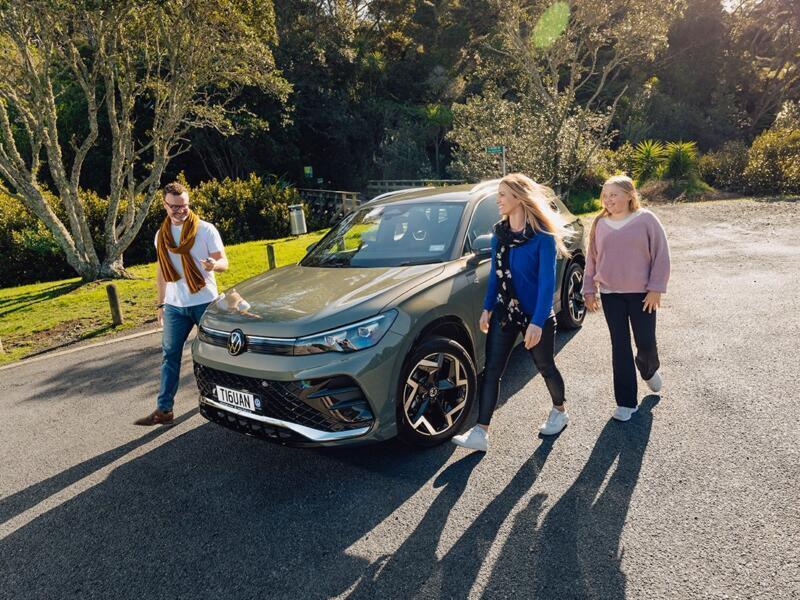
New Zealand’s notoriously fickle weather from blazing summer sun to sudden alpine chill and relentless coastal rain demands a family car that adapts seamlessly. The perfect vehicle must balance robust all-weather capability with comfort for long road trips, safety for precious cargo, and practicality for everyday errands.
Whether navigating Auckland’s drizzle-soaked motorways, the winding roads of the Coromandel, or dusty South Island gravel tracks, families need a reliable partner that handles diverse conditions without compromise. From efficient hybrids to rugged SUVs, the best options blend spacious interiors, advanced climate control, and dependable traction systems.
This guide highlights top contenders engineered for Kiwi climates, ensuring every journey remains safe and enjoyable, regardless of what the sky throws your way.
Best Family Cars for New Zealand Weather: Durability, Safety & Comfort Across All Seasons
New Zealand’s diverse climate from wet coastal winters to hot, dry summers and unpredictable mountain roads demands a family car that balances all-weather capability, safety, and interior comfort.
The best options feature reliable all-wheel drive (AWD), robust heating and ventilation systems, ample ground clearance, and high safety ratings. Whether you navigate Auckland’s urban sprawl or the winding roads of the South Island, these vehicles ensure your family stays secure and comfortable regardless of the forecast.
Subaru Outback: The All-Weather King for Kiwi Families
The Subaru Outback is arguably New Zealand’s most popular family wagon for good reason. Its standard Symmetrical All-Wheel Drive and impressive 220mm ground clearance make it exceptionally capable on gravel roads, muddy farm tracks, and snow-covered passes.
The Outback offers a spacious, well-insulated cabin with dual-zone climate control and heated seats, perfect for cold winter mornings.
Safety is paramount with the Eyesight Driver Assist Technology, including autonomous emergency braking and lane-keeping assist, making it a top choice for families who need a dependable vehicle for both city commutes and weekend adventures in unpredictable weather.
Toyota RAV4 Hybrid: Fuel Efficiency Meets Rainy Day Reliability
For families prioritizing fuel economy without sacrificing weather-readiness, the Toyota RAV4 Hybrid is an excellent fit. Its electric motor assists the petrol engine to provide smooth, instant torque, which enhances traction on slick roads. The RAV4’s e-AWD system automatically distributes power to the rear wheels when needed, offering confident handling in heavy rain.
The cabin is practical with easy-to-clean upholstery and a large cargo area for strollers or sports gear. Its high resale value and proven reliability also make it a smart long-term investment for Kiwi families.
Hyundai Santa Fe: Spacious Comfort for Long Journeys in Variable Climates
The Hyundai Santa Fe stands out for its exceptionally roomy three-row seating and advanced climate management. It features tri-zone automatic climate control, allowing the driver, front passenger, and rear passengers to set their own temperatures, a boon during New Zealand’s drastic temperature swings.
The available HTRAC All-Wheel Drive system adjusts torque distribution based on road conditions, from wet highways to loose gravel. Additionally, the Santa Fe includes remote smart parking assist and blind-spot view monitoring, enhancing safety when maneuvering in tight spots or poor visibility.
| Model | Key Weather Feature | Best For | Fuel Type |
|---|---|---|---|
| Subaru Outback | Symmetrical AWD + 220mm ground clearance | Snow, gravel, & muddy roads | Petrol / Mild-Hybrid |
| Toyota RAV4 Hybrid | e-AWD with instant electric torque | Wet city driving & fuel savings | Petrol-Hybrid |
| Hyundai Santa Fe | HTRAC AWD + tri-zone climate control | Long family trips & temperature swings | Petrol / Diesel / Hybrid |
Top Safety Features Essential for New Zealand's Diverse Climate
When driving in New Zealand, you face unpredictable weather from coastal fog to mountain snow and sudden rain. The best family cars must include electronic stability control, all-wheel drive, and advanced braking systems to handle slippery roads and steep gradients.
Adaptive headlights and rain-sensing wipers are crucial for low-visibility conditions, while traction control ensures stability on gravel roads common in rural areas.
High ground clearance protects against flooded roads during heavy downpours, and side-impact airbags provide extra safety for children in rear seats. A 5-star ANCAP rating is non-negotiable for family security in New Zealand’s harsh environment.
All-Wheel Drive for Wet and Slippery Roads
All-wheel drive is a game-changer for New Zealand families, offering superior grip on rain-soaked highways and icy mountain passes.
Systems like Subaru’s Symmetrical AWD or Toyota’s Dynamic Torque Control distribute power evenly to all wheels, reducing wheel spin on muddy farm tracks and steep coastal hills. This feature is invaluable during cyclone seasons when flash flooding makes asphalt treacherous, ensuring you maintain control when emergency braking is needed.
Durable Interiors Resistant to Salt and Sand
Family cars in New Zealand face corrosion from coastal salt spray and beach sand, so water-resistant upholstery and rubber floor mats are essential. Leather seats treated with UV protection resist fading from intense sun, while sealed electronics prevent moisture damage after frequent rain.
Anti-microbial fabrics in models like Kia Sorento fight mold growth in humid regions, and easy-clean surfaces handle muddy shoes from tramping trips.
Heated Seats and Efficient Climate Control
New Zealand’s temperature swings from cold South Island winters to humid Northland summers demand dual-zone climate control and heated front seats. Rapid defogging systems clear condensation on windows during morning frost, while heated steering wheels in cars like Mitsubishi Outlander reduce driver fatigue on long journeys.
Rear air vents keep children comfortable during variable weather, and separate temperature controls for driver and passenger prevent fogging in sudden downpours.
High Ground Clearance for Flooded Roads
Flood-prone areas in New Zealand, such as Coromandel Peninsula and West Coast, require ground clearance of at least 200mm to navigate submerged crossings safely. Ford Everest and Toyota Prado offer 200-230mm clearance, preventing water damage to engine intakes and electrical systems.
Underbody protection shields vital components from debris tossed by swollen rivers, while short overhangs improve approach angles on uneven terrain.
Fuel Efficiency for Long-Distance Travel
Rural families driving between Auckland and Queenstown need hybrid powertrains like Toyota Highlander Hybrid achieving 6-7 L/100km to reduce fuel costs on 1,500km trips. Automatic start-stop tech saves gas during city traffic jams, and aerodynamic designs cut drag on windy open roads.
Diesel engines in Skoda Kodiaq offer better range for remote areas with sparse petrol stations, while regenerative braking in Mitsubishi Outlander PHEV recharges batteries on downhill drives.
Frequently Asked Questions
What is the best family car for wet and rainy New Zealand weather?
The Toyota Highlander is an excellent choice for wet New Zealand weather, offering standard all-wheel drive for superior traction on slick roads. Its high ground clearance helps navigate flooded streets, while advanced safety features like lane-keeping assist provide confidence. The roomy interior ensures comfort for the whole family, and its reliable performance in rain makes it a top pick for unpredictable Kiwi conditions.
How important is all-wheel drive for a family car in New Zealand’s climate?
All-wheel drive is highly beneficial for family cars in New Zealand due to varied weather, including heavy rain, snow in mountainous regions, and occasional icy roads. It enhances stability and grip on slippery surfaces, reducing the risk of skidding. For families traveling to ski fields or rural areas, AWD models like the Subaru Outback offer peace of mind, though front-wheel drive with good tires can suffice for urban settings.
Which family car handles both hot summer heat and cold winters well?
The Mazda CX-9 excels in New Zealand’s temperature swings, with a robust climate control system that quickly adjusts from summer heat to winter cold. Its cabin insulation keeps temperatures stable, while ventilated seats in higher trims offer relief during hot spells. The car’s durable engine and cooling system prevent overheating, and heated steering wheels ensure comfort on frosty mornings, balancing versatility for all seasons.
Are electric SUVs practical for New Zealand’s varying weather conditions?
Electric SUVs like the Hyundai Ioniq 5 are increasingly practical for New Zealand’s weather, offering instant torque for navigating wet hills and efficient heating for cold days. However, range can decrease in heavy rain or extreme cold, so planning charging stops is key. For mild coastal areas, they perform well, but for frequent alpine trips, hybrid options may be more reliable due to less charging infrastructure in remote regions.
This content may interest you! Should You Buy New or Used in New Zealand?
Leave a Reply