
Nissan Murano Best Years New Zealand: Which Models Are Worth Buying?
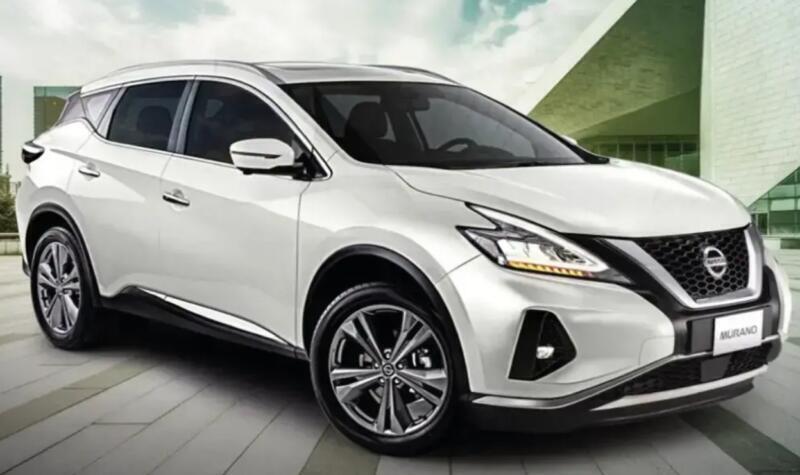
The Nissan Murano has always been a slightly unusual SUV. It is bigger and more luxurious than an X-Trail, softer and more road-focused than a traditional 4WD, and powered in most New Zealand examples by Nissan’s wonderfully smooth 3.5-litre V6. Add generous equipment, comfortable seats, and prices that can look surprisingly affordable on the used market, and it is easy to see why the Murano still catches our attention.
But there is an elephant sitting rather comfortably in the passenger seat: the CVT transmission.
Ask around about used Muranos and opinions quickly split. Some owners have driven them for years without major drama, while others have faced expensive transmission repairs. Consequently, choosing the right model year matters—but maintenance history matters even more.
So, what are the Nissan Murano best years in New Zealand?
For Kiwi buyers, we generally favour the later second-generation Z51 models, particularly 2011–2013, provided they have strong maintenance records and pass a thorough mechanical inspection. A good 2012 or 2013 Murano can offer a lot of SUV for the money. However, no Murano year equipped with a CVT should be purchased blindly.
Let's dig into the generations, the years we would target, those we would approach cautiously, and exactly what we would check before handing over our money.
- Why Choosing the Right Nissan Murano Year Matters
- Nissan Murano Generations Relevant to New Zealand
- What Are the Nissan Murano Best Years in New Zealand?
- 2013 Nissan Murano: One of Our Top Picks
- 2012 Nissan Murano: Possibly the Best Value
- 2011 Nissan Murano: The Facelift Sweet Spot
- Is the 2010 Nissan Murano a Good Buy?
- What About the 2009 Nissan Murano?
- Are First-Generation Nissan Muranos Worth Buying?
- The Murano CVT: The Issue We Cannot Ignore
- The 3.5-Litre V6 Is a Major Murano Strength
- AWD or 2WD: Which Murano Is Better in New Zealand?
- How New Zealand Conditions Affect a Used Murano
- Nissan Murano Recalls in New Zealand
- What Should We Inspect Before Buying a Used Murano?
- Should We Buy the Lowest-Kilometre Murano?
- How Much Maintenance Budget Should We Keep Aside?
- Is the Murano Better Than Buying an X-Trail?
- Who Should Avoid a Used Nissan Murano?
- Who Should Buy One?
- Our Verdict: Best Nissan Murano Years for New Zealand
- Conclusion: The Best Murano Is the One With a Story You Can Verify
- Frequently Asked Questions
Why Choosing the Right Nissan Murano Year Matters
Buying an older SUV is never just about finding the newest registration plate we can afford. Two vehicles separated by a single year can have dramatically different histories.
That is particularly true with the Murano.
Many New Zealand-market examples are now old enough that mileage, servicing, previous ownership and maintenance quality can outweigh the difference between one model year and another. A beautifully maintained 2010 Murano can easily be a better purchase than a neglected 2013.
Still, later cars usually benefit from incremental improvements and, simply because they are younger, may have suffered less age-related deterioration.
The Murano's unusual position in the market makes careful selection even more important. It combines a sophisticated V6, substantial kerb weight, plenty of electronic equipment and a continuously variable transmission. That gives us excellent comfort when everything works—but potentially expensive repairs when it doesn't.
Nissan Murano Generations Relevant to New Zealand
Understanding the generations immediately makes the Murano market easier to navigate.
The first-generation Z50 Murano appeared in the early 2000s, while the redesigned second-generation Z51 followed for the 2009 model year in major markets. A third-generation Z52 arrived for 2015, but that model was not officially produced in right-hand drive for markets including Australia and New Zealand.
That distinction is important.
When we search New Zealand used-car listings, the Muranos we are most likely to encounter are therefore first- and second-generation vehicles rather than newer North American-market Z52 examples.
First-Generation Z50 Murano
The original Murano was bold when it appeared. At a time when SUVs still liked pretending they were mountain goats, Nissan built something that behaved more like a large luxury hatchback on stilts.
Its 3.5-litre VQ-series V6 was one of its biggest attractions. Smooth, responsive and characterful, it gave the Murano performance that many competing SUVs of the era could not match.
The catch was the CVT.
Age is another concern today. Even a well-maintained Z50 is now an old vehicle, which means bushes, engine mounts, wheel bearings, hoses, cooling-system components, electrical items and interior hardware can all require attention.
We would buy an early Murano based on condition rather than year.
Second-Generation Z51 Murano
The Z51 is generally the sweet spot for New Zealand buyers.
It preserved the basic Murano formula—V6 power, CVT transmission, spacious five-seat layout and road-biased comfort—but delivered a newer platform, revised styling and a more polished cabin.
The second generation also received a facelift for the 2011 model year, with revised exterior styling, lighting and equipment updates.
That facelift helps explain why we tend to favour cars from around 2011 onward.
They feel newer, they remain comparatively well equipped, and they tend to represent a more appealing balance between purchase price and age.
Why the Z51 Is Often the Best Kiwi Choice
A clean Z51 can still feel surprisingly upmarket.
Leather interiors, heated seats, electric accessories, reversing cameras and other equipment found on higher-specification examples can make similarly priced compact SUVs feel rather basic.
The Murano's shape also hides its age well. It does not scream “old SUV” in the same way some boxier rivals do.
That matters if we want affordable transport that still feels a little special.
What Are the Nissan Murano Best Years in New Zealand?
If we had to narrow the search, our preferred window would generally be 2011, 2012 and 2013.
We would not claim that every Murano from those years is reliable. Reported CVT failures exist even among later Z51 vehicles. Complaint databases, for example, include transmission complaints for 2012, 2013 and 2014 models.
Instead, we regard these years as the most attractive compromise within the Murano models realistically available to many New Zealand buyers.
Our general buying order would look like this:
- 2012–2013: Our first models to inspect because they combine later Z51 updates with relatively modern equipment and styling.
- 2011: Another strong candidate, particularly when the vehicle has excellent service history.
- 2010: Worth considering when condition and price are particularly good.
- 2009: Buy on maintenance history rather than reputation alone; these are earlier Z51 examples.
- 2006–2008: Potentially inexpensive and comfortable, but age and CVT history become increasingly important.
- 2003–2005: Enthusiast-budget territory. Buy only after a careful inspection and with money held aside for age-related repairs.
Notice that we are not calling any year bulletproof. That would give a false sense of security.
With a Murano, the best year is really the best-maintained example within the better years.
2013 Nissan Murano: One of Our Top Picks
A 2013 Murano is one of the first models we would investigate.
By this stage, the Z51 had been around for several years. Styling remained distinctive without feeling ancient, equipment levels could be generous, and the familiar 3.5-litre V6 provided effortless performance.
For everyday Kiwi driving, it makes sense.
Motorway trips suit the Murano especially well. The V6 does not have to work hard, the cabin is comfortable, and the suspension is biased toward cruising rather than aggressive cornering.
The downside remains transmission risk.
Owner-complaint data for the 2013 Murano includes transmission failures, so the model year itself should never be treated as protection against CVT problems.
A 2013 car with no transmission-service evidence and suspicious behaviour during a test drive would make us walk away quickly.
Who Should Consider a 2013 Murano?
It suits someone who values comfort more than ruggedness.
If our week involves commuting around Auckland, Christchurch or Wellington followed by longer weekend journeys, the Murano makes far more sense than if we intend to spend every Saturday bouncing along rough forestry tracks.
Think of it as a large lounge chair with number plates rather than a workhorse wearing hiking boots.
2012 Nissan Murano: Possibly the Best Value
The 2012 model can be particularly interesting because prices may sit comfortably below more fashionable SUVs while equipment remains competitive.
We get the mature Z51 design without paying purely for a later registration year.
That makes the 2012 Murano one of our favourite years when documentation is excellent.
There is an important qualification, though. Transmission complaints have also been recorded for 2012 vehicles.
Therefore, we would prefer a 2012 Murano with evidence of attentive servicing over a lower-mileage vehicle whose maintenance history has disappeared into the mist.
Mileage Is Not Everything
Used-car buyers naturally chase low kilometres.
Fair enough—but mileage can fool us.
A 160,000 km Murano that has received regular servicing and appropriate transmission maintenance may be more attractive than a 95,000 km example that has spent years receiving nothing but occasional engine-oil changes.
Kilometres tell us how far the vehicle has travelled.
Service records tell us how it was treated along the way.
We want both pieces of the puzzle.
2011 Nissan Murano: The Facelift Sweet Spot
The 2011 model year brought styling and equipment revisions to the second-generation Murano.
For us, that puts 2011 around the beginning of the most interesting buying window.
Prices can be lower than 2012–2013 examples, yet visually the vehicle still benefits from the refreshed design.
When comparing two similar cars, we would focus heavily on service history, transmission behaviour, tyres, suspension condition and signs of accident damage.
A properly cared-for 2011 can represent excellent value.
This content may interest you! Nissan Murano Reliability by Year New Zealand: Which Years Are Best?
Is the 2010 Nissan Murano a Good Buy?
Yes—but we become more selective.
A 2010 model gives us the second-generation platform without the later facelift. That is not necessarily a problem mechanically, but age starts working against the vehicle.
Rubber components harden. Suspension parts wear. Batteries get replaced with cheap alternatives. Owners postpone minor repairs. Sunroofs develop leaks. Interior electronics gain personalities of their own.
None of these issues automatically makes a 2010 Murano bad.
They simply mean we should buy the car in front of us rather than the badge attached to its tailgate.
If a 2010 vehicle has clearly been cherished and costs several thousand dollars less than a questionable 2012, we would happily inspect the older one first.
What About the 2009 Nissan Murano?
The 2009 model introduced the second-generation design in several major markets. It represented a substantial update over the original Murano, including a revised CVT paired with the 3.5-litre V6.
These vehicles can now look tempting because depreciation has done most of its work.
However, cheap luxury SUVs have a mischievous habit of becoming expensive luxury SUVs once repairs begin.
A bargain-priced 2009 Murano needing tyres, suspension work, transmission repairs and electrical troubleshooting can consume its purchase-price advantage faster than we can say “pre-purchase inspection”.
So yes, consider one—but only after a thorough check.
Are First-Generation Nissan Muranos Worth Buying?
They can be, but our expectations need to be realistic.
The Z50 still has considerable charm. The V6 sounds good, acceleration remains respectable, and the unusual styling gives it character.
Yet these vehicles are now old enough for age itself to become one of the biggest reliability factors.
The question is no longer simply, “Was the 2006 Nissan Murano reliable when it was new?”
The better question is, “How has this particular 2006 Murano been treated for roughly two decades?”
That changes everything.
When an Older Murano Makes Sense
An older Z50 could suit us if the purchase price is low, we understand that repairs will occur, we have access to a competent independent mechanic and we do not rely on the vehicle with zero tolerance for downtime.
For someone wanting a cheap SUV and expecting Toyota-like neglect tolerance, we would look elsewhere.
For someone who appreciates the Murano's V6 refinement and is willing to maintain it properly, an older example can still be enjoyable.
The Murano CVT: The Issue We Cannot Ignore
Here we arrive at the part of the conversation every Murano buyer eventually encounters.
The continuously variable transmission is central to the Murano experience. Instead of shifting through conventional fixed gears, a CVT continuously adjusts its operating ratio.
The result can be wonderfully smooth.
It can also feel strange to drivers accustomed to traditional automatic transmissions because engine speed may remain relatively constant during hard acceleration.
More importantly for used buyers, CVT problems have been widely associated with older Murano models. Australian automotive advice sources have also acknowledged that CVT failures are a known Murano concern.
This does not mean every Murano CVT will fail.
It means we should treat transmission condition as one of the most important parts of the buying decision.
Signs of a Troubled Murano CVT
During a test drive, we want acceleration to feel smooth and predictable.
Hesitation, surging, shuddering, whining, sudden loss of acceleration or unusual behaviour after the vehicle becomes fully warm deserve investigation.
A short five-minute drive around the dealer's block tells us very little.
Some reported Murano transmission problems become more noticeable after the drivetrain has warmed up. Owner complaint records for the 2014 model, for example, describe slipping and loss of acceleration among reported symptoms.
We would therefore want an extended drive that includes stop-start traffic, moderate acceleration and open-road speeds where practical.
Service History Beats Guesswork
Ask specifically about transmission servicing.
Do not settle for “it has always been serviced”.
We want invoices.
We want dates.
We want kilometres.
We want evidence showing what was actually done.
A stamped service book is useful, but detailed invoices are better because they can reveal transmission-fluid work, cooling-system repairs, suspension replacements and other maintenance that generic service stamps may not explain.
The 3.5-Litre V6 Is a Major Murano Strength
If the CVT is the character we keep one suspicious eye on, the V6 is the old friend we are usually happy to see.
The Murano's naturally aspirated 3.5-litre V6 gives it much of its appeal.
There is no little turbocharger frantically trying to make a heavy SUV feel powerful. Instead, we get smooth displacement, strong response and relaxed cruising ability.
That makes the Murano feel more expensive than many used four-cylinder SUVs.
Naturally, this comes with a fuel bill.
A big petrol V6 and a relatively heavy crossover were never going to sip fuel like a hybrid hatchback.
For Kiwi buyers covering huge annual distances, fuel costs deserve serious consideration.
For moderate-mileage drivers who value refinement, however, the V6 can be one of the main reasons to choose the Murano in the first place.
AWD or 2WD: Which Murano Is Better in New Zealand?
Many New Zealand buyers are naturally attracted to AWD.
It sounds reassuring, particularly if we regularly encounter wet rural roads, steep driveways, ski-field journeys or slippery conditions.
But AWD also adds mechanical complexity.
An AWD Murano should be inspected for drivetrain leaks, unusual noises and mismatched tyres.
Tyres matter because AWD systems generally prefer consistent rolling circumferences. A vehicle wearing one new tyre, two half-worn tyres and something mysterious from the bargain rack on the fourth corner does not exactly whisper “careful owner”.
For ordinary urban driving, we would not automatically reject a front-wheel-drive example if one were available and otherwise excellent.
Condition wins again.
How New Zealand Conditions Affect a Used Murano
New Zealand is not particularly kind to neglected vehicles.
Coastal environments can encourage corrosion. Rural roads punish suspension components. Short urban trips increase wear in different ways from long motorway journeys. Steep terrain places additional load on brakes and drivetrains.
Imported used vehicles add another layer.
A Japanese-import Murano may have documentation, equipment and specifications that differ from a locally delivered vehicle. Navigation systems, stereos and electronic interfaces can sometimes be designed primarily for the Japanese domestic market.
That is not necessarily bad.
It simply means we should know what we are buying.
Check the Vehicle's Exact Specification
Two Muranos wearing the same year on a sales listing can differ considerably.
This content may interest you! Mitsubishi Triton Best Years New Zealand: Complete Used-Buyer Guide
Verify the actual manufacture year, VIN/chassis details, engine specification, drivetrain and equipment.
Registration year and manufacture year are not always the same thing, particularly with imports.
This is one reason we avoid selecting a Murano purely because an advertisement says “2012”.
The car's identity and history matter more than the headline.
Nissan Murano Recalls in New Zealand
Before purchasing any used Nissan, we would check whether outstanding recalls or service campaigns apply to the vehicle.
Nissan New Zealand maintains a recall and service-campaign search facility. The company notes that recall campaigns may address safety concerns or regulatory non-compliance, while service campaigns can address technical or customer issues; applicable campaign repairs are performed without parts or labour charges to owners.
The New Zealand Transport Agency also operates a vehicle safety recalls database.
This takes only a little effort and can reveal information worth knowing before purchase.
What Should We Inspect Before Buying a Used Murano?
A pre-purchase inspection is money well spent.
We would pay particular attention to the transmission, drivetrain leaks, cooling system, suspension, wheel bearings, engine mounts, brakes, electrical accessories, air conditioning, powered tailgate where fitted, sunroof operation, tyres and warning lights.
Then we would scan the vehicle electronically for stored fault codes.
That last part is worth emphasizing.
A dashboard with no warning lights does not guarantee a clean bill of health. Fault codes can be stored even when the dashboard looks peaceful.
A knowledgeable workshop familiar with Nissan vehicles can tell us far more than a shiny engine bay ever will.
Should We Buy the Lowest-Kilometre Murano?
Not automatically.
Imagine two vehicles.
One has 95,000 km, limited records, mismatched tyres and an owner who cannot remember when the transmission was last serviced.
The other has 145,000 km, detailed invoices, quality tyres, recent suspension work and evidence of consistent maintenance.
Which one makes us sleep better at night?
We would investigate the second one.
Low kilometres are desirable, but they are not magic dust.
Usage pattern also matters. Very low annual mileage can mean lots of short trips, long periods sitting unused or irregular servicing.
How Much Maintenance Budget Should We Keep Aside?
We would never spend our absolute maximum budget on the purchase price of an older Murano.
If we have NZ$12,000 available in total, buying a NZ$12,000 vehicle and leaving nothing for tyres, fluids, servicing or unexpected repairs is risky.
An older premium-ish SUV deserves a reserve fund.
Exactly how much depends on the vehicle, but the principle is simple: treat the purchase price as the entry fee, not the full cost of ownership.
A Murano can be remarkably affordable to buy because depreciation has already done the heavy lifting.
Repairs, unfortunately, do not depreciate at the same speed.
Is the Murano Better Than Buying an X-Trail?
That depends entirely on what we value.
The X-Trail is usually the more practical, mainstream choice.
The Murano is the more indulgent one.
If we want cheaper fuel consumption, simpler everyday ownership and easier resale, an X-Trail or another compact Japanese SUV may make more sense.
If we want V6 smoothness, wider seats, distinctive styling and a more luxurious driving experience for modest used-car money, the Murano becomes interesting.
The difference is almost like comparing a sensible pair of walking shoes with a comfortable leather armchair.
Both have their place.
Who Should Avoid a Used Nissan Murano?
We would hesitate to recommend an older Murano to someone who wants the absolute lowest possible running costs.
It is also not ideal if one major repair would completely derail our finances.
A used Toyota RAV4, Honda CR-V or similarly conventional SUV may make more sense for buyers whose number-one priority is predictable transportation.
The Murano appeals more strongly when comfort, power and value for money carry meaningful weight in the decision.
Who Should Buy One?
The Murano suits a buyer prepared to shop patiently.
If we are willing to reject questionable examples, demand service records, organise an independent inspection and keep a maintenance reserve, we can end up with an unusually comfortable SUV for the money.
That is the trick.
Do not buy the Murano because it is cheap.
Buy one because a specific example is good.
There is a world of difference.
Our Verdict: Best Nissan Murano Years for New Zealand
For New Zealand used-car shoppers, our search would begin around 2011–2013, with 2012 and 2013 representing particularly appealing combinations of age, equipment, styling and value.
A carefully maintained 2010 can also be worthwhile, while earlier first-generation models make more sense as budget purchases for owners comfortable with age-related maintenance.
We would be cautious about describing 2014 as automatically superior simply because it is newer. Complaint databases still record transmission problems for that model year, including reported transmission failures.
The bigger lesson is straightforward.
Maintenance history outranks model year.
A 2012 Murano with excellent records, smooth CVT operation and a clean inspection can be a far stronger purchase than a newer example that has been driven hard and serviced casually.
Conclusion: The Best Murano Is the One With a Story You Can Verify
Finding the Nissan Murano best years in New Zealand is not as simple as circling one date on a calendar.
If we want a practical shortlist, 2011, 2012 and 2013 are the years we would investigate first, especially well-maintained Z51 examples.
They provide the Murano qualities that still make this SUV attractive today: a silky V6, comfortable cabin, strong equipment levels, distinctive styling and remarkable used-car value.
But the CVT changes the rules of the game.
We should never buy a Murano based only on looks, kilometres or price. Check the transmission thoroughly, examine the service history, confirm recall status and arrange a professional pre-purchase inspection.
Do that, and an older Murano can be a wonderfully relaxing machine—a big, smooth cruiser that feels far more expensive than its used-market price suggests.
Skip those checks, and the bargain SUV sitting on the dealer's forecourt may prove to be a very expensive bargain indeed.
Frequently Asked Questions
1. What is the best year Nissan Murano to buy in New Zealand?
We would generally begin with 2011–2013 models, particularly clean 2012 or 2013 examples. However, maintenance history and CVT condition should take priority over the specific year.
2. Is a 2012 Nissan Murano reliable?
A well-maintained 2012 Murano can provide good service, but transmission problems have been reported for the model year. We would only buy one after an extended test drive, service-history review and independent inspection.
3. Does the Nissan Murano have CVT problems?
CVT trouble is one of the most widely discussed Murano reliability concerns, and reports exist across multiple model years. Smooth operation and documented maintenance are therefore especially important when buying used.
This content may interest you!Nissan Murano Known Issues New Zealand: What Owners and Buyers Should Know4. Is the Nissan Murano expensive to run in New Zealand?
Running costs can be higher than those of a smaller four-cylinder SUV because most relevant Muranos use a 3.5-litre petrol V6. Tyres, suspension components and potential transmission repairs can also make neglected vehicles expensive to own.
5. How long can a Nissan Murano last?
There is no meaningful fixed lifespan because condition varies dramatically between vehicles. A Murano with consistent servicing, a healthy cooling system and a well-maintained drivetrain can cover substantial mileage, while a neglected low-kilometre example may become expensive much earlier.
Leave a Reply