
Audi A3 vs Mercedes A-Class New Zealand: Which Premium Compact Is Better?
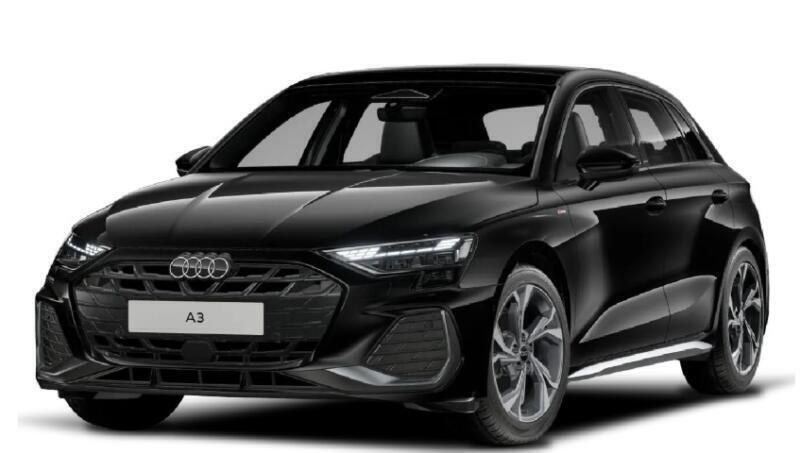
Choosing between the Audi A3 and Mercedes A-Class in New Zealand can feel a little like choosing between two tailored suits. Both look sharp, both carry prestigious badges, and both promise a more premium experience than the average compact car. Yet once we spend some time behind the wheel—or simply look beyond the logos—their personalities begin to separate quite clearly.
The Audi A3 tends to favour understated sophistication. It looks mature, drives with reassuring composure, and often feels like a smaller version of Audi's larger executive cars. The Mercedes-Benz A-Class takes another route. It leans harder into visual drama, technology and a youthful luxury atmosphere.
So which one makes more sense for Kiwi motorists?
That depends on whether we value refinement, interior technology, driving character, practicality, ownership costs or simply how the car makes us feel when we walk toward it in a car park.
In this Audi A3 vs Mercedes A-Class New Zealand comparison, we'll examine the differences that matter in everyday ownership rather than simply comparing badges on paper.
- Audi A3 vs Mercedes A-Class New Zealand: Quick Comparison
- Understanding the Audi A3
- Understanding the Mercedes-Benz A-Class
- Audi A3 vs Mercedes A-Class Exterior Design
- Interior Quality: Audi A3 vs Mercedes A-Class
- Technology and Infotainment
- Audi A3 vs Mercedes A-Class Performance
- Driving Experience on New Zealand Roads
- Ride Comfort Comparison
- Audi A3 vs Mercedes A-Class Handling
- Fuel Economy and Everyday Running
- Practicality and Boot Space
- Rear-Seat Comfort
- Parking and City Driving
- Audi A3 vs Mercedes A-Class Safety
- Reliability Considerations
- Maintenance Costs in New Zealand
- Used Audi A3 vs Used Mercedes A-Class
- Which Has the Better Interior for Long-Term Ownership?
- Which Is Better for Young Professionals?
- Which Is Better for a Small Family?
- Audi A3 vs Mercedes A-Class for Motorway Driving
- Audi A3 vs Mercedes A-Class for City Driving
- Resale Value
- Audi A3 vs Mercedes A-Class: Which Feels More Expensive?
- Which One Is More Fun to Own?
- Who Should Buy the Audi A3?
- Who Should Buy the Mercedes A-Class?
- Audi A3 vs Mercedes A-Class New Zealand: Final Verdict
- Frequently Asked Questions
- 1. Is an Audi A3 better than a Mercedes A-Class in New Zealand?
- 2. Which is cheaper to maintain, Audi A3 or Mercedes A-Class?
- 3. Which has the better interior, Audi A3 or Mercedes A-Class?
- 4. Is the Audi A3 or Mercedes A-Class better for New Zealand roads?
- 5. Should I buy a used Audi A3 or Mercedes A-Class?
Audi A3 vs Mercedes A-Class New Zealand: Quick Comparison
At first glance, these two German compact cars occupy almost identical territory. They're premium alternatives to mainstream hatchbacks and small sedans, while remaining considerably easier to manoeuvre than larger executive models.
Yet their personalities are surprisingly different.
| Category | Audi A3 | Mercedes A-Class |
|---|---|---|
| Design approach | Clean and understated | Sportier and more dramatic |
| Interior style | Minimalist and driver-focused | Technology-focused and flashy |
| Driving character | Balanced and composed | Comfortable with a sporty edge |
| Infotainment | Straightforward and polished | Feature-rich and visually impressive |
| Practicality | Very good for the class | Competitive but varies by body style |
| Premium feel | Mature and restrained | Modern and theatrical |
| Best suited to | Drivers wanting refinement | Buyers wanting tech and style |
Neither car wins every category. That's exactly what makes this comparison interesting.
Understanding the Audi A3
The A3 has long served as Audi's gateway into the brand. But calling it an "entry-level Audi" can be misleading because the car usually feels far more sophisticated than that description suggests.
Audi essentially takes many of the design ideas, materials and driving characteristics found in its larger vehicles and compresses them into a more city-friendly package.
What Makes the Audi A3 Appealing?
Its greatest strength may be restraint.
There aren't usually dozens of visual tricks shouting for attention. Instead, we get sharp body lines, a recognisable Audi grille, tidy proportions and an interior that generally prioritises function.
The A3 feels like the person at a party wearing a perfectly fitted jacket without needing to tell anyone where it came from.
That understated character appeals to buyers who want luxury without excessive theatre.
Audi A3 Body Styles in New Zealand
Depending on model year and availability, New Zealand buyers may encounter the A3 primarily as a hatchback or sedan.
The hatchback is typically the practical option, particularly for urban drivers or households regularly loading bulky items.
The sedan has a more executive appearance and can resemble a scaled-down Audi A4.
For many Kiwi buyers, the Sportback-style hatchback represents the sweet spot because it combines premium styling with everyday usefulness.
Understanding the Mercedes-Benz A-Class
Mercedes approaches the compact luxury segment differently.
Where Audi whispers, Mercedes often speaks a little louder.
The A-Class typically emphasises its cabin technology, ambient atmosphere and youthful styling. Sit inside one at night with the screens illuminated and ambient lighting glowing and it can feel more like a compact lounge than an ordinary hatchback.
Why Buyers Like the Mercedes A-Class
The A-Class has considerable showroom appeal.
Large digital displays, turbine-inspired air vents and sculpted dashboard elements make the cabin feel immediately special.
This matters because luxury cars aren't purchased purely through spreadsheets.
Emotion plays a role.
We might technically prefer another car's suspension or boot shape, yet still fall for the Mercedes because the interior makes every commute feel slightly more glamorous.
Mercedes A-Class Hatchback or Sedan?
New Zealand's used market may contain both A-Class hatchbacks and sedan variants.
The hatchback tends to suit city life and everyday versatility, while the sedan provides a slightly more formal appearance.
Most comparisons with the Audi A3 Sportback naturally focus on the A-Class hatchback because the two share similar dimensions and purposes.
Audi A3 vs Mercedes A-Class Exterior Design
Design is subjective, but these cars communicate very different messages.
The Audi looks restrained and architectural. The Mercedes appears more expressive.
Audi A3 Styling
The A3 generally uses crisp lines, angular headlights and a relatively traditional premium-car profile.
Nothing feels accidental.
Even sporty versions tend to avoid looking overly aggressive.
It can therefore age rather gracefully. A well-maintained A3 several years old may still appear contemporary because Audi rarely throws every current styling trend at the car.
Mercedes A-Class Styling
The A-Class usually looks lower, sleeker and slightly more playful.
Mercedes has given recent generations smoother surfaces, sharper lighting signatures and styling inspired by more expensive models.
Buyers who want their premium hatchback to attract attention may find the Mercedes more interesting.
Which Looks Better?
If we prefer understated European styling, the Audi probably wins.
If we want something that looks more youthful and fashionable, the Mercedes may be more appealing.
Neither approach is inherently superior. They're simply aiming at different personalities.
Interior Quality: Audi A3 vs Mercedes A-Class
This is where many buyers make their final decision.
Premium compact cars need to justify their price every time we sit inside them.
Audi A3 Interior
Audi interiors traditionally focus on precision.
Controls tend to feel logically positioned. The dashboard usually avoids unnecessary visual clutter, while the steering wheel, displays and infotainment system are oriented around the driver.
Material quality can vary between trim levels, but the overall impression is normally solid and carefully assembled.
The cabin feels designed rather than decorated.
Mercedes A-Class Interior
The Mercedes cabin creates a stronger first impression.
Digital displays stretch across the dashboard in many versions, while circular air vents and ambient lighting create visual drama.
It can feel significantly more futuristic than the Audi.
However, depending on specification, some lower sections of the cabin may use harder plastics than the visual presentation initially suggests.
That doesn't necessarily ruin the experience, but it reminds us that both cars still occupy the lower end of their respective luxury brands.
The answer depends on what we define as premium.
The Mercedes often looks more luxurious.
The Audi frequently feels more understated and ergonomically disciplined.
If we enjoy screens, lighting and visual technology, the A-Class is difficult to ignore.
If we value simplicity and clean design, the A3 may remain satisfying long after the initial novelty wears off.
Technology and Infotainment
Modern luxury cars are increasingly judged by their software.
Thankfully, both models offer sophisticated digital systems.
Audi's Infotainment Experience
Audi's system typically focuses on clarity and responsiveness.
Menus are relatively straightforward, while smartphone integration allows many drivers to spend most of their time using familiar apps anyway.
Digital instrument displays on well-equipped A3 models can also provide clear navigation and vehicle information.
It isn't necessarily the most theatrical system, but it generally feels polished.
Mercedes MBUX Technology
Mercedes-Benz has put enormous emphasis on its MBUX infotainment system.
The A-Class was one of the models that helped introduce this technology to a broader audience.
Depending on specification, features may include:
- Voice commands
- Digital instrument displays
- Touchscreen controls
- Steering-wheel touch controls
- Smartphone integration
- Configurable ambient lighting
- Navigation options
- Personalised driver settings
The presentation can be genuinely impressive.
Technology Winner
If technology is near the top of our shopping list, the Mercedes usually has the stronger wow factor.
The Audi system, however, may appeal more to buyers who prefer a simpler interface.
Audi A3 vs Mercedes A-Class Performance
Performance varies considerably between engines and trim levels, so comparing badges alone doesn't tell the full story.
Both manufacturers have offered everything from economical everyday engines to genuinely quick performance versions.
Everyday Audi A3 Performance
Regular A3 models tend to focus on smooth acceleration and refinement rather than outright speed.
Turbocharged engines deliver useful low-speed torque, making the car easy to drive around Auckland, Wellington or Christchurch without constantly chasing revs.
Transmission calibration is generally aimed at efficiency during relaxed driving while still providing reasonable response when overtaking.
This content may interest you! Kia Cerato vs Kia Stonic New Zealand: Which Kia Makes More Sense?
Everyday Mercedes A-Class Performance
The A-Class follows a similar philosophy.
Entry and mid-range engines are usually perfectly adequate for commuting, motorway driving and weekend trips.
The throttle response can sometimes feel slightly sportier than expected, particularly in selectable driving modes.
What About Performance Versions?
Things become much more interesting when we enter Audi S and Mercedes-AMG territory.
Performance-oriented variants can transform these otherwise sensible compact cars into serious machines.
However, running costs, insurance, tyres and maintenance also increase considerably.
For most buyers comparing an ordinary A3 with a conventional A-Class, refinement and efficiency matter more than acceleration times.
Driving Experience on New Zealand Roads
New Zealand roads offer an unusual mixture of environments.
We have dense urban streets, smooth motorways, narrow rural routes and twisting roads where suspension quality becomes immediately obvious.
How the Audi A3 Drives
The A3 usually feels planted and predictable.
Steering is precise without being excessively heavy, while body control gives the car a reassuring sense of stability.
It isn't necessarily playful, but it feels confident.
On winding roads, the A3 often behaves like a car designed to remove drama rather than create it.
That can be surprisingly enjoyable.
How the Mercedes A-Class Drives
The A-Class may feel slightly more expressive depending on wheel size and suspension setup.
Some versions prioritise comfort, while sportier trims can feel noticeably firmer.
On smooth roads, larger wheels may improve visual appeal and steering response. On rougher surfaces, however, they can introduce more vibration into the cabin.
Which Is Better for Kiwi Roads?
We'd pay close attention to wheel size rather than simply choosing whichever trim looks sportiest.
New Zealand has plenty of coarse-chip surfaces and imperfect suburban roads.
Smaller wheels with slightly taller tyre sidewalls can make either car more comfortable.
Ride Comfort Comparison
Luxury shouldn't disappear the moment the road becomes rough.
The Audi tends to deliver controlled suspension behaviour, though sports suspension and larger alloy wheels can make it firmer.
The Mercedes can also ride comfortably, but AMG Line-style configurations may trade some softness for sharper handling and visual appeal.
This is why test-driving the exact vehicle matters.
Two cars wearing the same badge can feel surprisingly different depending on wheel, tyre and suspension specifications.
Audi A3 vs Mercedes A-Class Handling
Neither standard car is designed primarily as a driver's hot hatch.
Still, both offer substantially more composure than many ordinary compact vehicles.
The A3 generally feels stable and neutral. Steering inputs produce predictable reactions and the car inspires confidence during faster motorway or country-road driving.
The Mercedes can feel slightly more eager in certain configurations, though it may also transmit more road texture into the cabin.
For drivers who value precision above entertainment, we'd lean toward the Audi.
Fuel Economy and Everyday Running
Fuel consumption varies by engine, year and driving conditions, but both brands have placed significant emphasis on efficiency.
Smaller turbocharged engines are common because they balance respectable performance with reasonable fuel use.
Real-World Factors Affecting Consumption
Actual fuel use may depend more on our driving environment than the difference between the two badges.
Factors include:
- Short urban trips
- Cold starts
- Heavy traffic
- Tyre pressure
- Wheel size
- Driving style
- Vehicle load
- Engine specification
A buyer commuting through Auckland traffic every morning may see very different results from someone regularly travelling long distances on State Highway 1.
Practicality and Boot Space
Premium badges are nice, but grocery bags don't care what logo appears on the steering wheel.
Audi A3 Practicality
The A3 Sportback generally provides useful rear access and a practical hatch opening.
The rear seats can handle adults, although taller passengers may prefer larger models for regular long-distance travel.
For couples, small families or professionals who occasionally carry passengers, it works well.
Mercedes A-Class Practicality
The A-Class hatchback provides similarly useful versatility.
Rear-seat space is competitive for the category, though the sweeping design can make the cabin feel slightly more enclosed.
Boot space is typically adequate rather than enormous.
Practicality Verdict
Neither car is the obvious choice for transporting mountain bikes, large dogs and camping gear every weekend.
For normal daily use, both are perfectly reasonable.
If maximum practicality matters, a premium compact SUV may ultimately make more sense.
Rear-Seat Comfort
Rear-seat comfort is one area we should check personally before buying.
The front cabins receive most of the design attention, while rear passengers may discover limited knee or headroom compared with larger vehicles.
Children will usually have little trouble.
Adults on occasional journeys should also be fine.
But if we regularly carry four adults between Auckland and Rotorua, moving up to a larger model might be worthwhile.
Parking and City Driving
This is where both cars make a strong case for themselves.
Compact external dimensions make them significantly easier to manage than larger luxury sedans or SUVs.
Parallel parking in Wellington or navigating tight shopping-centre car parks becomes less stressful.
Parking sensors, reversing cameras and other driver-assistance features can further improve usability depending on specification.
For urban buyers who want premium motoring without driving something enormous, both cars hit a particularly attractive sweet spot.
Audi A3 vs Mercedes A-Class Safety
Both Audi and Mercedes-Benz have strong reputations for investing in safety technology.
Depending on model year and specification, we may find features such as autonomous emergency braking, lane assistance, adaptive cruise control, blind-spot monitoring and parking systems.
Used-car buyers should verify equipment individually because features can vary considerably.
A visually identical A-Class or A3 might have a completely different driver-assistance package depending on how it was originally ordered.
Reliability Considerations
Premium German cars can be dependable, but neglected examples can become expensive surprisingly quickly.
Maintenance history matters enormously.
Audi A3 Reliability Factors
When considering a used A3, we'd pay particular attention to:
- Complete servicing records
- Transmission behaviour
- Cooling-system condition
- Electronic warnings
- Oil consumption where applicable
- Suspension noises
- Previous accident repairs
- Signs of neglected maintenance
A well-maintained A3 can provide years of enjoyable ownership.
A neglected one can turn into an invoice-generating machine.
Mercedes A-Class Reliability Factors
With a used A-Class, we'd similarly inspect:
- Service history
- Infotainment operation
- Electronic systems
- Transmission smoothness
- Suspension condition
- Battery health
- Warning lights
- Previous repair quality
Modern luxury vehicles contain considerable electronic complexity.
An apparently small malfunction may therefore require specialist diagnosis.
Maintenance Costs in New Zealand
Neither vehicle should be purchased under the assumption that it will cost the same to maintain as a basic Japanese hatchback.
Parts, specialist labour and premium tyres can all raise ownership costs.
However, servicing doesn't necessarily need to be frighteningly expensive if we choose a good example and budget realistically.
Ways to Control Ownership Costs
A few habits can make a substantial difference:
- Buy based on condition rather than simply age or mileage.
- Obtain a pre-purchase inspection.
- Review documented service history.
- Avoid cars with persistent warning lights.
- Budget for premium tyres.
- Use reputable European-car specialists when appropriate.
- Don't postpone maintenance.
Deferred maintenance on European cars has a habit of multiplying.
Ignoring one problem can sometimes create three.
Used Audi A3 vs Used Mercedes A-Class
Buying used changes the comparison significantly.
This content may interest you! Toyota RAV4 or Nissan Rogue New Zealand: Which SUV Should We Buy?
Depreciation can make both cars surprisingly accessible compared with their original purchase prices.
The danger is focusing only on the entry price.
A cheap premium car isn't necessarily a cheap car to own.
What Matters More Than Mileage?
Mileage matters, but history matters more.
A higher-mileage vehicle serviced carefully may be a better purchase than a low-mileage example that has skipped maintenance.
We'd rather see organised invoices, regular servicing and transparent ownership history than an unusually low odometer reading with no paperwork.
Which Has the Better Interior for Long-Term Ownership?
This is an interesting question because first impressions and long-term satisfaction aren't always identical.
The Mercedes cabin may impress us immediately.
Screens, vents and lighting create a strong sense of occasion.
The Audi's interior may take longer to appreciate, but its restrained layout could remain visually appealing after several years.
It's like comparing trendy architecture with minimalist furniture.
One grabs our attention immediately. The other quietly grows on us.
Which Is Better for Young Professionals?
Both cars fit this demographic extremely well.
They offer enough prestige to feel special while remaining compact enough for everyday commuting.
The Mercedes may appeal more strongly to buyers prioritising design, connectivity and cabin atmosphere.
The Audi may suit professionals wanting something premium but discreet.
We could arrive at the same office in either car and send slightly different messages.
The Mercedes says, "look at this."
The Audi says, "you noticed anyway."
Which Is Better for a Small Family?
For a small family, we'd lean slightly toward whichever hatchback offers the better combination of rear-seat access, boot usability and child-seat compatibility for our particular needs.
Both can handle one or two young children.
However, parents regularly carrying pushchairs, sports equipment and luggage may eventually find the compact format restrictive.
An Audi Q3, Mercedes GLA or mainstream mid-sized SUV may provide greater flexibility.
Still, if we dislike bulky SUVs, either premium hatchback can serve as a surprisingly capable family car.
Audi A3 vs Mercedes A-Class for Motorway Driving
Motorway driving highlights refinement.
Both cars generally perform well here, but the Audi's composed character can make it particularly relaxing at cruising speeds.
The A-Class remains comfortable, though wheel and tyre choice strongly affects road noise.
On New Zealand's coarse-chip surfaces, tyre quality can make a dramatic difference.
A premium car wearing noisy tyres can suddenly feel far less premium.
Audi A3 vs Mercedes A-Class for City Driving
In town, both are excellent.
Light steering, compact dimensions and modern driver-assistance technology make daily commuting straightforward.
The Mercedes' cabin technology may make slow traffic feel more entertaining, while the Audi's simpler interface can reduce distractions.
Fuel-efficient engines also suit stop-start commuting reasonably well, although frequent short journeys aren't ideal for every engine type.
Resale Value
Premium compact cars generally experience meaningful depreciation, particularly during their early years.
That creates two very different perspectives.
For new buyers, depreciation is an important ownership cost.
For used buyers, depreciation creates opportunity.
A three- or four-year-old A3 or A-Class can sometimes deliver much of the original luxury experience at a significantly lower purchase price.
Condition and specification become crucial when resale time eventually arrives.
Popular colours, strong maintenance history and desirable equipment can make a vehicle easier to sell.
Audi A3 vs Mercedes A-Class: Which Feels More Expensive?
The Mercedes probably wins the visual contest.
Step inside and the digital displays, air vents and lighting tend to create immediate theatre.
The Audi wins through subtlety.
Switchgear, dashboard geometry and driving position often give the impression that everything has been deliberately placed.
If luxury means spectacle, choose Mercedes.
If luxury means precision, choose Audi.
Which One Is More Fun to Own?
This depends on personality more than specifications.
Some owners will never tire of seeing the Mercedes interior illuminate at night.
Others will appreciate the Audi's understated presence every morning.
We shouldn't underestimate emotional satisfaction when choosing a car.
We're going to look at it thousands of times.
We're going to sit inside it hundreds of hours.
Sometimes the car that technically scores 8.7 instead of 8.9 is still the right purchase because we simply enjoy it more.
Who Should Buy the Audi A3?
The Audi A3 makes particular sense if we:
- Prefer understated styling
- Value clean interior design
- Want predictable handling
- Regularly drive on motorways
- Like a mature premium-car atmosphere
- Want luxury without excessive flash
It feels like the rational enthusiast's choice.
There's enough premium character to make it special without trying too hard.
Who Should Buy the Mercedes A-Class?
The Mercedes A-Class may suit us better if we:
- Love modern interior technology
- Want a more dramatic cabin
- Prefer youthful exterior styling
- Enjoy ambient lighting and digital displays
- Want a premium car that feels distinctive
- Place strong importance on showroom appeal
The Mercedes tends to make the ordinary commute feel a little more theatrical.
Audi A3 vs Mercedes A-Class New Zealand: Final Verdict
There isn't a universal winner between the Audi A3 and Mercedes A-Class in New Zealand because they're excellent for slightly different reasons.
The Audi A3 is the one we'd choose for understated refinement. Its design is cleaner, its driving behaviour is reassuring and its cabin generally prioritises function over spectacle.
The Mercedes A-Class fights back with a more dramatic interior, strong technology and styling that can feel younger and more expressive.
If we wanted a compact premium car that quietly does almost everything well, we'd lean toward the Audi A3.
If we wanted something that makes us smile every time the dashboard lights up at night, the Mercedes A-Class would be difficult to resist.
For used buyers, however, one rule matters more than the badge:
Buy the best-maintained example rather than automatically buying the model you originally preferred.
A pristine A-Class with complete service records is a better purchase than a neglected A3—and vice versa.
Ultimately, the Audi feels like a perfectly tailored business jacket.
The Mercedes feels like designer streetwear.
Both look good.
The better choice depends on which one feels more like us.
Frequently Asked Questions
1. Is an Audi A3 better than a Mercedes A-Class in New Zealand?
The Audi A3 is generally the better choice for buyers who prioritise understated styling, balanced handling and a clean interior layout. The Mercedes A-Class may be preferable for buyers who want more dramatic technology and cabin design. Neither is universally better.
2. Which is cheaper to maintain, Audi A3 or Mercedes A-Class?
Maintenance costs depend heavily on engine, age, condition and service history. Both are premium European cars and can cost more to maintain than mainstream hatchbacks. A properly serviced example of either model is usually preferable to choosing purely on brand reputation.
3. Which has the better interior, Audi A3 or Mercedes A-Class?
The Mercedes A-Class usually offers the more visually impressive cabin with large digital displays and distinctive ambient lighting. The Audi A3 favours a cleaner, more understated interior that some drivers may find easier to live with over time.
4. Is the Audi A3 or Mercedes A-Class better for New Zealand roads?
Both can work well on New Zealand roads, but wheel size and suspension setup matter considerably. Models fitted with smaller wheels and higher-profile tyres may provide better comfort on coarse-chip and uneven roads than sportier versions with large alloys.
This content may interest you! Audi A3 or A5 New Zealand: Which Audi Is the Better Buy?
5. Should I buy a used Audi A3 or Mercedes A-Class?
Choose based primarily on condition, documented service history and mechanical inspection. A carefully maintained example of either model can be a good purchase. Avoid choosing solely because one vehicle is cheaper or has fewer kilometres.
Leave a Reply