
Toyota RAV4 or Nissan Rogue New Zealand: Which SUV Should We Buy?
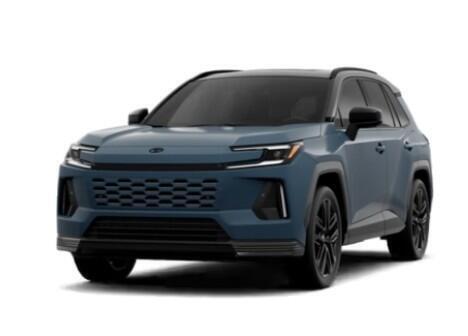
Choosing between the Toyota RAV4 and Nissan Rogue in New Zealand sounds simple until we start digging beneath the badges. Both are medium-sized family SUVs. Both promise comfort, practicality, modern technology, and enough versatility for school runs, motorway commutes, supermarket missions, and weekends beyond the city limits.
There is one important detail, though: the Nissan Rogue is sold in New Zealand as the Nissan X-Trail. The Rogue name is mainly used in North America, while New Zealand buyers will find its closely related counterpart wearing the X-Trail badge. Therefore, when we compare the Toyota RAV4 or Nissan Rogue in New Zealand, we are effectively comparing the Toyota RAV4 with the Nissan X-Trail.
That naming difference settled, the real decision begins.
The RAV4 is the sensible old friend who arrives early, remembers everyone’s birthday, and never seems to panic. The Nissan X-Trail is the more polished companion who turns up wearing better shoes and brings an unexpectedly clever gadget. Neither is universally superior. The right choice depends on whether we value fuel efficiency, seating flexibility, interior refinement, driving feel, warranty coverage, towing ability, or long-term ownership confidence.
Let us put them side by side and find out which one deserves space in our driveway.
- Toyota RAV4 or Nissan Rogue New Zealand: Quick Verdict
- Understanding the Nissan Rogue Name in New Zealand
- Design and Road Presence
- Interior Quality and Cabin Atmosphere
- Passenger Space and Family Practicality
- Boot Space and Cargo Usefulness
- Powertrain Choices in New Zealand
- Fuel Economy and Running Costs
- Warranty Coverage
- Driving Experience
- All-Wheel Drive and Outdoor Ability
- Towing Capacity
- Technology and Infotainment
- Safety and Driver Assistance
- Reliability and Long-Term Confidence
- Resale Value
- Which SUV Is Better for City Driving?
- Which SUV Is Better for Long Road Trips?
- Which SUV Is Better for Families?
- Which One Offers Better Value?
- Should We Buy New or Used?
- Common Buying Mistakes to Avoid
- Toyota RAV4 or Nissan Rogue New Zealand: Final Comparison
- Conclusion: Which One Should We Choose?
- Frequently Asked Questions
Toyota RAV4 or Nissan Rogue New Zealand: Quick Verdict
For many New Zealand buyers, the Toyota RAV4 will be the safer all-round choice. Its hybrid system is efficient, familiar, and well suited to mixed urban and open-road driving. Toyota’s strong local presence and the RAV4’s established reputation also make it attractive to owners thinking about resale value and long-term dependability.
However, the Nissan X-Trail—or Rogue, as overseas buyers know it—fights back with a more sophisticated interior, flexible five- or seven-seat configurations, and an e-POWER system that delivers a smooth, electric-like driving sensation. Nissan currently offers petrol and e-POWER variants in New Zealand, along with two- and four-wheel-drive choices.
Our straightforward verdict looks like this:
- Choose the Toyota RAV4 for proven hybrid efficiency, straightforward ownership, strong everyday usability, and likely resale confidence.
- Choose the Nissan X-Trail for a richer cabin, optional seven-seat practicality, quiet low-speed performance, and a more distinctive hybrid experience.
- Choose a RAV4 Plug-in Hybrid when we can charge regularly and want stronger performance with some electric-only capability.
- Choose an X-Trail e-POWER e-4ORCE when smooth acceleration, all-wheel-drive control, and refinement matter more than achieving the lowest possible fuel consumption.
Understanding the Nissan Rogue Name in New Zealand
Is the Nissan Rogue Available in New Zealand?
We generally will not walk into a New Zealand Nissan dealership and see a new SUV officially advertised as the Rogue. Instead, we will see the Nissan X-Trail.
The Rogue and X-Trail have become closely related versions of Nissan’s medium SUV, with naming and specification differences depending on the market. That means online research can become confusing. A North American Rogue review may discuss engines, equipment, seating layouts, or safety technology that do not perfectly match the X-Trail sold in New Zealand.
For a Kiwi purchase, local X-Trail specifications should always carry more weight than Rogue information from the United States or Canada.
Why the Name Difference Matters
The badge itself does not change the family-SUV formula, but market-specific details certainly can. New Zealand’s X-Trail range includes traditional 2.5-litre petrol variants and e-POWER hybrid models. It can also offer five or seven seats depending on the grade, whereas the Rogue configuration marketed overseas may differ.
Therefore, searching for “Toyota RAV4 or Nissan Rogue New Zealand” should lead us to a comparison based on the local X-Trail—not a copied American specifications table.
Design and Road Presence
Toyota RAV4 Exterior Style
The RAV4 has developed a tough, angular personality. Its squared wheel arches, assertive grille, high shoulder line, and chunky bodywork make it look more adventurous than many soft-road SUVs.
It is not subtle. The RAV4 resembles a hiking boot placed among running shoes: rugged-looking, purposeful, and ready to collect some dust. Even when parked outside a suburban café, it suggests that a gravel road might appear later in the day.
The latest New Zealand range continues that robust theme while expanding into both hybrid and plug-in-hybrid territory. Toyota’s GR Sport Plug-in Hybrid adds an especially athletic flavour, with the company positioning it as the most powerful RAV4 offered in New Zealand and Australia.
Nissan X-Trail Exterior Style
The X-Trail presents a smoother, more polished shape. It still has enough visual muscle to look like an SUV, but its lines feel more urban and sophisticated than the Toyota’s.
The 2026 New Zealand model received refreshed front and rear styling, revised wheel designs, and updated finishes. It appears calmer and a little more premium, rather than shouting about adventure from across the car park.
Which design works best depends on our personality.
The RAV4 feels bolder and more outdoorsy. The X-Trail looks cleaner and more refined. One wears a puffer jacket; the other chooses a tailored raincoat.
Interior Quality and Cabin Atmosphere
Inside the Toyota RAV4
The RAV4 cabin focuses on durability, clarity, and usability. Important controls tend to be sensibly positioned, while large switches and practical storage areas make the interior easy to live with.
Toyota does not always chase lounge-like luxury. Instead, the cabin feels designed to survive children, wet jackets, takeaway coffee, sports equipment, and the strange collection of objects that gradually appears inside every family vehicle.
Higher grades improve the experience with more sophisticated displays, upgraded materials, and additional comfort features. Current New Zealand RAV4 variants can include a 12.3-inch digital instrument display, depending on the model.
The RAV4 interior may not immediately make us whisper “wow,” but it often makes us think, “Yes, this will work.”
Inside the Nissan X-Trail
The X-Trail has traditionally held an advantage in perceived cabin richness. Its dashboard design, material choices, and presentation can feel more contemporary and welcoming than the Toyota’s utilitarian environment.
This content may interest you! Ford Ranger Models New Zealand: Complete 2026 Buyer’s Guide
For the 2026 New Zealand range, Nissan introduced enhanced interior materials and made a 12.3-inch infotainment display standard across the grades, together with wireless Apple CarPlay and Android Auto.
Independent comparisons have also praised the X-Trail’s interior, refinement, rear-seat design, and premium atmosphere.
If cabin ambience is near the top of our priority list, the Nissan may win the first five minutes of the test drive. It feels more like a carefully furnished room, while the Toyota feels more like a well-organised workshop.
Which Cabin Is Better?
The X-Trail generally wins for presentation and perceived sophistication.
The RAV4 responds with robust controls, uncomplicated ergonomics, and a sense that everything was designed for repeated everyday use.
For households with young children, muddy hobbies, or dogs that believe every seat belongs to them, the Toyota’s practical character may be more reassuring. For buyers who want the cabin to feel special during every commute, the Nissan makes a stronger emotional case.
Passenger Space and Family Practicality
Front-Seat Comfort
Both SUVs offer elevated driving positions, good outward visibility, and enough adjustment for a wide range of drivers. We sit high enough to see through traffic without feeling as though we are piloting a delivery van.
The X-Trail’s softer cabin presentation may make long journeys feel more relaxed. Its e-POWER variants also reduce the sensation of mechanical activity during gentle driving, which contributes to a calmer atmosphere.
The RAV4’s seats and driving position feel functional and supportive. Its dashboard layout usually demands little learning, which is valuable when several family members share the vehicle.
Rear-Seat Accommodation
The Nissan is particularly compelling for families because of its flexible rear seating and wide-opening doors. The second row feels carefully considered, not merely added behind the front seats.
Depending on the New Zealand variant, the X-Trail can provide five or seven seats. That optional third row is one of the most important differences between the two vehicles. Nissan officially markets the local X-Trail with five- and seven-seat availability.
The RAV4 is a five-seater. Its rear bench provides useful room for children or adults, but it cannot transform into an occasional people carrier.
Is the X-Trail a True Seven-Seater?
We should treat the third row as occasional seating rather than a full-time adult zone. It is most useful for children, shorter trips, emergencies, or those moments when an extra school friend suddenly needs a lift.
A large family regularly transporting seven adults should look at a bigger SUV or people mover. However, for parents who need six or seven seats only occasionally, the X-Trail’s flexibility can be enormously valuable.
The RAV4 cannot answer that challenge. Five seats mean five seats—simple, spacious, and predictable, but not expandable.
Boot Space and Cargo Usefulness
Boot specifications can vary by powertrain and grade, so comparisons need care. Batteries, spare-wheel arrangements, third-row seats, and driveline components can all affect the usable cargo area.
Current Toyota New Zealand specifications list 456 litres behind the rear seats for the RAV4 Limited Hybrid AWD, while the GR Sport Plug-in Hybrid is listed with 421 litres.
The raw number is only one part of the story. We should also inspect:
- The height of the loading lip
- The shape of the boot opening
- Space between the wheel arches
- Underfloor storage
- Seat-folding operation
- Whether a full-size pram fits without removing wheels
- How much room remains when the X-Trail’s third row is raised
The RAV4 offers a broad, useful five-seat cargo area. The X-Trail provides greater seating flexibility, but luggage capacity naturally becomes restricted when seven seats are in use.
For camping equipment, hardware-store runs, or family holidays with five occupants, the Toyota’s straightforward load area is attractive. For unpredictable family logistics, the Nissan’s reconfigurable layout may prove more useful.
Powertrain Choices in New Zealand
Toyota RAV4 Hybrid
The RAV4 Hybrid combines a 2.5-litre petrol engine with electric assistance. It is a self-charging hybrid, meaning we do not need to connect it to an external charger. The battery gathers energy through the engine and regenerative braking as we drive.
This system suits New Zealand buyers who want better fuel efficiency without changing their habits. We simply fill the tank and drive.
Around town, the RAV4 can move quietly under electric assistance for short periods. On faster roads, the petrol engine takes a more active role. The transition is generally smooth, although firm acceleration can cause the engine note to rise and remain noticeable.
The system’s personality is not dramatic. It simply gets on with the job, like a quiet accountant who keeps finding small savings everywhere.
Toyota RAV4 Plug-in Hybrid
The plug-in-hybrid RAV4 adds a larger battery and external charging. New Zealand’s GR Sport PHEV combines a 2.5-litre petrol engine with front and rear motors, producing up to 227kW of total system output. Toyota also lists a braked towing capacity of up to 1,500kg.
This content may interest you!Ford Ranger Weight KG: Kerb Weight, Payload and GVM ExplainedThis is the performance option. It offers far stronger acceleration than a regular family SUV needs, while allowing some journeys to be completed primarily on battery power when charged.
However, the plug-in model makes the most financial and environmental sense when we can charge it frequently. Buying a PHEV but rarely plugging it in is like purchasing a coffee machine and using it only to boil water.
Nissan X-Trail Petrol
The conventional X-Trail uses a 2.5-litre petrol engine paired with a continuously variable transmission. It offers familiar operation, and Nissan provides both front-wheel-drive and four-wheel-drive configurations across the broader range.
The petrol version may appeal to buyers who want a lower entry point or prefer a traditional mechanical setup. It is suitable for general family use, but it cannot match the low-speed smoothness or efficiency potential of an electrified version.
Nissan X-Trail e-POWER
Nissan’s e-POWER system takes a different path from Toyota’s hybrid design. In the X-Trail e-POWER, the petrol engine generates electricity, while the electric motor drives the wheels.
That gives the Nissan a more EV-like response. Acceleration feels immediate, smooth, and linear because propulsion comes from the electric motor rather than directly from the petrol engine.
Nissan describes e-POWER as providing a smooth and quiet electric-like experience without requiring the vehicle to be plugged in.
This arrangement can feel wonderfully natural in urban traffic. Press the accelerator and the X-Trail moves without the familiar pause, gear change, or rising-and-falling engine rhythm of a conventional automatic.
The trade-off is that the petrol engine still needs fuel, and multiple energy conversions can reduce the efficiency advantage during sustained high-speed operation. In simple terms, the e-POWER system shines brightest in stop-start driving and mixed conditions, rather than behaving like a battery-electric car on every journey.
Fuel Economy and Running Costs
Which SUV Uses Less Fuel?
The RAV4 Hybrid is usually the stronger choice when minimising fuel consumption is our main goal. Toyota has refined its hybrid system over several generations, and the RAV4 benefits from that experience.
A local NZTA-data comparison published by Auto Shopper estimated consumption of 6.4L/100km for the RAV4 and 7.5L/100km for the X-Trail vehicles in its dataset, although those fleet-based figures should not be treated as a direct comparison between every current hybrid grade.
Real-world consumption depends on:
- Powertrain and trim level
- Front- or all-wheel drive
- Tyre size
- Temperature
- Driving speed
- Traffic conditions
- Passenger and cargo weight
- Roof racks or trailers
- Charging frequency for the RAV4 PHEV
In urban and mixed driving, both electrified models can save fuel compared with traditional petrol SUVs. The RAV4 Hybrid is generally the efficiency-focused option, while the X-Trail e-POWER gives us a smoother electric-motor driving character.
Servicing and Ownership Expenses
Fuel is only one piece of the running-cost puzzle. We should compare servicing plans, insurance quotations, registration costs, tyre prices, finance rates, and expected depreciation.
Large wheels may look excellent in the showroom but can increase replacement tyre costs. Similarly, advanced all-wheel-drive systems and high-grade equipment may raise the purchase price and potentially affect long-term repair costs.
Toyota’s broad dealer network and established hybrid history may give some buyers greater confidence. Nissan counters with an unusually strong warranty proposition for eligible New Zealand vehicles.
Warranty Coverage
Nissan currently promotes what it describes as New Zealand’s only 10-year or 300,000km warranty, provided the vehicle is serviced with Nissan and remains eligible under the programme’s conditions.
That headline is powerful. Ten years sounds like a protective wall around the vehicle, especially for buyers who intend to keep their SUV for a long time.
However, we must read the complete terms. Extended warranty coverage often depends on scheduled servicing within the authorised network, time limits, mileage limits, and other eligibility requirements.
Toyota’s ownership appeal tends to rest not only on formal warranty coverage but also on its reputation, local service infrastructure, and the long-standing familiarity of its hybrid technology.
The better proposition depends on our plans. A disciplined owner happy to service through Nissan may find the long warranty highly persuasive. A buyer who prioritises broad familiarity, used-market confidence, and a proven hybrid track record may still lean towards Toyota.
Driving Experience
RAV4 on New Zealand Roads
The RAV4 feels stable, predictable, and easy to understand. Its steering is generally light enough for urban driving while remaining controlled on faster roads.
On winding New Zealand routes, the Toyota behaves with confidence rather than excitement. It does not pretend to be a sports car wearing hiking clothes. It focuses on secure handling, reasonable body control, and an uncomplicated relationship between driver and vehicle.
Hybrid acceleration is responsive at normal speeds. Push harder, and the powertrain can become noisier as the petrol engine works continuously. This is not necessarily a weakness, but drivers coming from a conventional automatic may need time to adjust to the sound.
X-Trail e-POWER on New Zealand Roads
The e-POWER X-Trail feels smoother and more immediate from a standstill. Because electric motors provide propulsion, the response resembles an EV even though a petrol engine remains part of the system.
This content may interest you!Ford Ranger Reliability: Is This Pickup Built to Last?This works beautifully in Auckland traffic, Wellington’s stop-start streets, or Christchurch commuting. The vehicle glides forward with little fuss, turning everyday acceleration into a polished experience.
The e-4ORCE all-wheel-drive system adds another layer. It uses electric-motor control to distribute performance between the axles, helping the SUV feel composed across changing surfaces.
The Nissan often feels more refined, while the Toyota feels more mechanically familiar and efficiency focused.
Ride Comfort and Noise
The X-Trail generally has the more serene personality. Its cabin insulation, electric-motor propulsion, and softer presentation make it feel mature and relaxed.
The RAV4 may transmit more road or engine noise depending on the surface and driving style. New Zealand’s coarse-chip roads have a talent for exposing tyre noise, so a local test drive is essential. A vehicle that seems silent on smooth dealership-adjacent tarmac may sound very different on the roads we use every week.
The Test-Drive Route We Should Use
A meaningful test drive should include:
- A cold start
- Stop-start traffic
- A steep hill
- A coarse road surface
- An 80–100km/h section
- Several tight corners
- Reverse parking
- A passenger seated in the rear
- Our actual child seat, when possible
- A boot test using a pram, luggage, or sports equipment
A ten-minute loop around the dealership tells us very little. We need to test the vehicle in our real world.
All-Wheel Drive and Outdoor Ability
Neither SUV is a heavy-duty off-roader. We should not mistake plastic cladding and elevated suspension for the mechanical toughness of a dedicated four-wheel-drive vehicle.
Still, all-wheel-drive versions can be valuable for:
- Wet boat ramps
- Gravel roads
- Ski-field access routes
- Slippery rural driveways
- Muddy campsites
- Steep roads in poor weather
The Toyota RAV4 Hybrid AWD and Plug-in Hybrid AWD provide extra traction without turning the vehicle into an oversized truck. Nissan offers Intelligent 4x4 on relevant petrol variants and e-4ORCE electric all-wheel drive on selected e-POWER models.
For most Kiwi families, either system should handle sensible light-adventure use. Tyres, ground clearance, driver judgment, and road conditions remain just as important as the AWD badge.
Towing Capacity
Toyota lists up to 1,500kg of braked towing capacity for selected current RAV4 models, including the Limited Hybrid AWD and RAV4 PHEV range.
That may be sufficient for a small trailer, lightweight caravan, or modest recreational load. Exact Nissan towing limits depend on the X-Trail powertrain and grade, so buyers should confirm the local specification for the precise vehicle under consideration.
We should never rely on a generic Rogue figure found on an overseas website. New Zealand certification, drivetrain, kerb weight, and equipment can alter the official limit.
When towing regularly, we also need to consider:
- Towball download limit
- Gross vehicle mass
- Gross combined mass
- Trailer-brake requirements
- Payload remaining after passengers and luggage
- Cooling demands
- Insurance conditions
A maximum towing number is not an invitation to load the vehicle carelessly. It is the ceiling, not the comfortable everyday target.
Technology and Infotainment
Toyota Technology
Depending on the grade, the RAV4 offers digital instrumentation, smartphone integration, connected services, driver-assistance systems, and increasingly sophisticated infotainment.
Toyota’s interface tends to prioritise straightforward operation. That may sound unexciting, but simplicity matters when we are trying to adjust the temperature while navigating unfamiliar roads in heavy rain.
Physical controls are especially valuable. Touchscreens look modern in photographs, yet a real button can be far safer and faster when the vehicle is moving.
Nissan Technology
The refreshed 2026 X-Trail makes a 12.3-inch infotainment display standard across the range, together with wireless Apple CarPlay and Android Auto.
Higher grades may feel more visually impressive, and the dashboard presentation gives the Nissan an advantage for buyers who enjoy a digital, premium-looking environment.
Still, technology should serve us rather than become another passenger demanding attention. During the test drive, we should check whether menus are logical, cameras remain clear in poor light, phone pairing works quickly, and frequently used controls are easy to reach.
Safety and Driver Assistance
Modern RAV4 and X-Trail models provide extensive active-safety technology. Exact features vary by grade, but buyers can expect combinations of autonomous emergency braking, lane assistance, blind-spot monitoring, adaptive cruise control, parking aids, and traffic-sign recognition.
Rather than counting features like trophies, we should examine how the systems behave.
An excellent lane-assistance system offers quiet support. A badly calibrated one feels like someone repeatedly tugging at the steering wheel. Likewise, speed-limit warnings and driver-monitoring alerts can become frustrating if they are intrusive or difficult to adjust.
This content may interest you! Toyota RAV4 vs Honda CR-V New Zealand: Which SUV Is Better?
We should ask the dealership to demonstrate every major safety system and explain which settings reset whenever the vehicle starts.
For families, visibility also matters. A well-shaped windscreen, useful mirrors, clear cameras, and manageable blind spots can prevent daily stress more effectively than a feature hidden three menus deep.
Reliability and Long-Term Confidence
Toyota RAV4 Reliability Expectations
Toyota’s reputation is one of the RAV4’s strongest selling tools. The company has produced hybrid vehicles at scale for decades, and many buyers are comfortable with the technology.
No vehicle is immune to faults. Software, sensors, batteries, infotainment units, electric components, and ordinary wear items can still cause problems. However, the RAV4’s mature hybrid architecture gives it an advantage in perceived long-term confidence.
That perception may also help when the time comes to sell.
Nissan X-Trail Reliability Expectations
The current X-Trail is a more advanced and appealing vehicle than older versions in several respects. The e-POWER system is clever, but some buyers may consider it less familiar than Toyota’s hybrid setup.
That does not mean it is unreliable. It means buyers may place greater importance on servicing, warranty conditions, and long-term ownership data.
Nissan’s extended warranty programme can reduce that concern for owners prepared to follow the required servicing arrangement.
Our decision should balance technology, support, and ownership duration rather than relying on badge stereotypes alone.
Resale Value
The RAV4 is likely to be the safer bet when resale value is a major priority. Toyota SUVs and hybrids have broad recognition, and many used-car shoppers understand what a RAV4 represents.
The X-Trail remains a familiar New Zealand nameplate, but e-POWER resale performance may depend on how strongly used buyers embrace the technology over time.
Resale value is influenced by:
- Vehicle condition
- Service history
- Mileage
- Colour
- Grade
- Accident history
- Tyre condition
- Fuel prices
- New-car supply
- Warranty transferability
- Market confidence in the powertrain
A desirable trim with a complete service record can outperform a theoretically stronger model that has been neglected.
Which SUV Is Better for City Driving?
For urban driving, the X-Trail e-POWER is exceptionally appealing. Its electric-motor response feels smooth, its cabin is refined, and its relaxed low-speed behaviour reduces the sense of effort in congestion.
The RAV4 Hybrid remains the stronger efficiency-minded choice. It is easy to operate, economical, and well suited to frequent short journeys without requiring external charging.
Our city winner depends on what annoys us most.
When fuel consumption is the enemy, choose the RAV4 Hybrid.
When vibration, hesitation, and mechanical noise are the enemy, choose the X-Trail e-POWER.
Which SUV Is Better for Long Road Trips?
The RAV4 Hybrid is a persuasive long-distance companion because of its efficiency, stable road manners, and straightforward refuelling. It also provides a useful cargo area without a third row consuming space.
The X-Trail offers a more relaxing cabin and greater passenger flexibility. Families carrying six or seven people occasionally may find it far more useful, although luggage space becomes limited with every seat occupied.
For regular intercity travel, we should compare seat comfort after at least 30 minutes, not 30 seconds. A seat that feels soft in the showroom can become tiring later, while a firmer seat may provide better long-term support.
Which SUV Is Better for Families?
Choose the RAV4 When We Need:
- Five comfortable seats
- A large and uncomplicated boot
- Strong hybrid efficiency
- Straightforward controls
- Proven family-SUV credentials
- Confidence in long-term resale demand
Choose the X-Trail When We Need:
- Five or seven seats
- A more premium-feeling cabin
- Wide and convenient rear access
- Smooth electric-motor acceleration
- Greater seating flexibility
- A long conditional warranty programme
For a family of four or five, the Toyota is difficult to fault. For a family that sometimes becomes six or seven, the Nissan has a practical advantage the RAV4 cannot reproduce.
Which One Offers Better Value?
Value is not the same as the lowest purchase price. Real value is the relationship between what we spend and what improves our daily life.
The X-Trail may feel more generous because of its cabin, technology, seating options, and refinement. The RAV4 may repay us more gradually through fuel savings, ownership familiarity, and resale strength.
We should price equivalent vehicles rather than comparing a base petrol X-Trail with a high-grade RAV4 Hybrid or PHEV. A fair comparison aligns:
This content may interest you!Toyota RAV4 vs Mazda CX-50 New Zealand: Which SUV Makes More Sense?- Powertrain type
- Drivetrain
- Safety equipment
- Wheel size
- Seat count
- Infotainment
- Warranty conditions
- On-road costs
- Finance rate
- Scheduled servicing
The “cheaper” vehicle can become more expensive once interest, fuel, maintenance, insurance, and depreciation enter the room.
Should We Buy New or Used?
A new vehicle provides the latest safety technology, complete warranty coverage, known history, and the ability to choose our preferred specification.
A used RAV4 may command a strong price because of demand and reputation. That can reduce the apparent saving compared with buying new.
A used X-Trail may offer more equipment for the money, but we should carefully inspect servicing records, transmission behaviour on petrol models, warning lights, tyre wear, accident repairs, and the operation of all driver-assistance features.
For a used hybrid, obtain a professional inspection and ask about the high-voltage battery’s health and warranty status. For an imported Rogue, confirm parts compatibility, infotainment functionality, radio frequencies, navigation, safety-system calibration, and whether the vehicle has a complete verifiable history.
An imported Rogue should not automatically be treated as identical to a New Zealand-new X-Trail.
Common Buying Mistakes to Avoid
Comparing Overseas Specifications
American Rogue specifications may not match New Zealand’s X-Trail. Always use the local model code, grade, and official documentation.
Ignoring the Seating Configuration
Not every X-Trail has seven seats. Confirm the exact vehicle rather than assuming the badge guarantees a third row.
Buying a PHEV Without Charging Access
The RAV4 Plug-in Hybrid works best when plugged in regularly. Apartment living without reliable charging can weaken its main advantage.
Choosing Wheels Based Only on Appearance
Large wheels can increase tyre costs and reduce ride comfort. On rough New Zealand roads, the less glamorous wheel may deliver the better ownership experience.
Focusing Only on Advertised Fuel Economy
Our driving pattern matters. A city-focused hybrid result may not translate directly to high-speed motorway use, towing, or short cold-weather trips.
Skipping the Insurance Quote
Two similarly priced SUVs can attract noticeably different premiums. Obtain quotes using the exact registration or model specification before signing.
Toyota RAV4 or Nissan Rogue New Zealand: Final Comparison
The Toyota RAV4 and Nissan X-Trail approach the same destination using different roads.
The RAV4 builds its case around efficiency, proven hybrid engineering, sturdy practicality, and ownership confidence. It does not need to dazzle us during a short showroom visit. Its appeal grows through ordinary use: fewer fuel stops, intuitive controls, flexible cargo space, and the reassurance of choosing a familiar name.
The X-Trail takes a more emotional approach. Its cabin feels richer, its e-POWER system delivers smooth electric-motor propulsion, and its optional seven-seat layout adapts to larger families. It feels like Nissan examined the small irritations of family travel and tried to sand down the rough edges.
Neither vehicle is perfect.
The RAV4 can feel noisier under acceleration and less luxurious inside. The X-Trail may not match the Toyota Hybrid’s fuel economy or perceived resale security. The RAV4’s five-seat limit rules it out for some households. The X-Trail’s third row, meanwhile, is better viewed as an occasional solution than a substitute for a full-sized seven-seater.
Conclusion: Which One Should We Choose?
For the broadest range of New Zealand buyers, the Toyota RAV4 Hybrid is our overall recommendation. It combines useful space, strong fuel efficiency, a proven electrified powertrain, and reassuring long-term market appeal. It is the dependable multi-tool of this comparison: perhaps not the fanciest object in the drawer, but the one we keep reaching for.
The Nissan X-Trail e-POWER is the more refined and flexible alternative. We should choose it when cabin quality, smooth electric-style acceleration, and occasional seven-seat capacity matter more than obtaining the lowest fuel use or strongest likely resale value.
The final answer is not hidden in a specification table. It is found in our routine.
Do we carry five people or seven? Do we spend more time in city traffic or on open roads? Can we charge a plug-in hybrid at home? Do we keep vehicles for three years or ten? Would we rather save fuel quietly or enjoy a smoother, more premium-feeling drive every morning?
Once we answer those questions honestly, the choice becomes much easier.
Frequently Asked Questions
1. Is the Nissan Rogue sold in New Zealand?
The Rogue name is not normally used for Nissan’s official new-vehicle range in New Zealand. Its closely related local counterpart is sold as the Nissan X-Trail. Specifications can differ between markets, so New Zealand buyers should use local X-Trail information when comparing it with the Toyota RAV4.
2. Is the Toyota RAV4 better than the Nissan X-Trail?
The RAV4 is generally better for buyers prioritising hybrid efficiency, proven technology, straightforward practicality, and likely resale confidence. The X-Trail may be better for buyers wanting a more premium cabin, smoother e-POWER performance, or optional seven-seat flexibility.
3. Which is more fuel-efficient, the RAV4 Hybrid or X-Trail e-POWER?
The RAV4 Hybrid will generally be the more fuel-efficient option across mixed driving. The X-Trail e-POWER remains economical for a medium SUV and can feel smoother in urban traffic, but its main strength is its electric-like driving experience rather than being the absolute fuel-economy champion.
This content may interest you!Toyota RAV4 or Corolla Cross New Zealand: Which SUV Should We Buy?4. Does the Toyota RAV4 have seven seats?
No. New Zealand RAV4 models are five-seaters. Selected Nissan X-Trail variants can provide seven seats, giving the Nissan an advantage for families that occasionally need a third row.
5. Which SUV is better for New Zealand road trips?
The RAV4 Hybrid is ideal for efficient five-person touring with a useful boot. The X-Trail may be preferable when passenger comfort, cabin refinement, or occasional extra seating is more important. Both should be test-driven on coarse road surfaces and at open-road speeds before purchase.
Leave a Reply