
Toyota RAV4 vs BYD Sealion 6 New Zealand: Which Hybrid SUV Is the Smarter Buy?
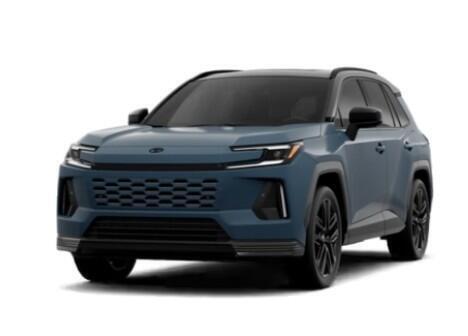
The Toyota RAV4 vs BYD Sealion 6 New Zealand comparison is more interesting than a simple contest between two family SUVs. It is a clash between two different approaches to electrified motoring.
On one side, we have the Toyota RAV4, a familiar Kiwi favourite with a long-standing reputation for dependability, practicality and strong resale value. On the other, we have the BYD Sealion 6, a newer plug-in hybrid packed with technology, electric driving capability and the kind of standard equipment that can make established rivals look slightly underdressed.
Both vehicles promise lower fuel consumption without demanding that we switch to a fully electric car. However, they achieve that goal differently.
The RAV4 Hybrid can be driven like an ordinary petrol vehicle. We fill the tank, start the car and let the hybrid system manage everything automatically. Selected 2026 RAV4 variants are also available with a plug-in hybrid powertrain, giving Toyota a more direct answer to the BYD.
The Sealion 6 is primarily a plug-in hybrid. It uses a comparatively large battery and an electric-focused drivetrain, allowing many daily journeys to be completed without burning much petrol at all—provided we charge it regularly.
So, which SUV better suits life in New Zealand? Let us compare their prices, performance, efficiency, comfort, technology, practicality and long-term ownership prospects.
- Toyota RAV4 vs BYD Sealion 6 NZ at a Glance
- Understanding the Biggest Difference
- New Zealand Pricing and Value
- Power and Performance
- Fuel Economy and Electric Range
- Interior Quality and Comfort
- Passenger Space and Family Practicality
- Technology and Infotainment
- Safety Equipment
- Towing and Weekend Adventures
- All-Wheel Drive and New Zealand Roads
- Warranty, Servicing and Dealer Support
- Reliability and Long-Term Confidence
- Resale Value and Depreciation
- Toyota RAV4 Pros and Cons
- BYD Sealion 6 Pros and Cons
- Which SUV Is Better for Different Kiwi Drivers?
- Best for Urban Commuters With Home Charging: BYD Sealion 6
- Best for Apartment Dwellers: Toyota RAV4 Hybrid
- Best for Long Regional Journeys: Toyota RAV4 Hybrid
- Best for Technology Lovers: BYD Sealion 6
- Best for Long-Term Resale Confidence: Toyota RAV4
- Best for Performance: RAV4 PHEV or Sealion 6 AWD
- Best for Families Carrying Lots of Gear: Toyota RAV4
- What Should We Check During a Test Drive?
- Toyota RAV4 vs BYD Sealion 6 New Zealand Verdict
- Frequently Asked Questions
Toyota RAV4 vs BYD Sealion 6 NZ at a Glance
Before we dive into the details, here is the basic personality of each vehicle.
| Category | Toyota RAV4 | BYD Sealion 6 |
|---|---|---|
| Powertrain choices | Hybrid and plug-in hybrid | Plug-in hybrid |
| Main strength | Proven all-round ownership | Electric range and equipment |
| Charging required | No for HEV; yes for PHEV | Recommended for best efficiency |
| Available drivetrains | FWD and AWD, depending on grade | FWD and AWD, depending on grade |
| Cabin character | Practical and increasingly modern | Luxurious, digital and feature-rich |
| Boot space advantage | Generally Toyota | Smaller 425-litre BYD boot |
| Performance advantage | RAV4 PHEV or Sealion 6 AWD, depending on grade | Strong electric response |
| Likely resale advantage | Toyota | Less predictable |
| Best for | Buyers wanting familiarity and low-fuss ownership | Buyers who can charge and value technology |
There is no universal winner. The answer changes depending on where we live, how far we drive and whether we have access to convenient home charging.
Understanding the Biggest Difference
The RAV4 Hybrid Does Not Need a Plug
A conventional Toyota RAV4 Hybrid uses a petrol engine, electric motor and relatively small hybrid battery. The battery charges itself through regenerative braking and energy produced by the powertrain.
We do not connect it to a wall socket.
That simplicity is one of the RAV4’s greatest strengths. It suits apartment dwellers, renters, regional motorists and anyone who does not want to organise charging. It behaves like a normal automatic SUV while quietly using electric assistance to reduce fuel consumption.
The latest New Zealand RAV4 range also includes plug-in hybrid variants, but the regular hybrid remains the straightforward choice for drivers who simply want to fill up and go. Toyota describes the hybrid battery as self-charging during normal driving, while the PHEV adds a larger battery and external charging capability.
The Sealion 6 Works Best When We Charge It
The BYD Sealion 6 uses the company’s DM-i plug-in hybrid technology. Its architecture is more electric-focused than a typical non-plug-in hybrid.
In many situations, the electric motor does most of the driving while the petrol engine supports the system or generates electricity. The result is smooth acceleration that often feels closer to an EV than a traditional hybrid.
Its 18.3kWh Blade Battery provides up to 92 kilometres of claimed pure-electric range, depending on the variant and test conditions. That is enough to cover many New Zealand commutes without starting the petrol engine.
But there is an important catch: we need to charge it.
A plug-in hybrid driven with a depleted battery can still operate normally, but it loses much of its economic advantage. Buying a Sealion 6 and rarely plugging it in is a little like purchasing hiking boots and only wearing them to the supermarket. They still work, but we are not using their main talent.
New Zealand Pricing and Value
How Much Does the BYD Sealion 6 Cost?
BYD New Zealand currently advertises the Sealion 6 from approximately $60,990 MSRP plus on-road costs, although offers, stock and available variants can change. Earlier entry-level versions and promotional pricing have appeared at lower figures, so buyers should confirm the exact drive-away price with a dealer.
The Sealion 6 often appears expensive until we examine its equipment list. Depending on the grade, features can include:
- A large rotating touchscreen
- A panoramic glass roof
- Heated and ventilated front seats
- A 360-degree camera
- A head-up display
- Wireless Apple CarPlay and Android Auto
- Ambient interior lighting
- Dual wireless phone charging
- Vehicle-to-load capability
- A comprehensive driver-assistance package
The BYD sells the feeling of a premium cabin without necessarily carrying a traditional premium badge.
How Much Does the 2026 Toyota RAV4 Cost?
The sixth-generation RAV4 range spans several grades, powertrains and drivetrain configurations. A Limited Hybrid AWD, for example, has been listed at $65,990, while the GR Sport Plug-in Hybrid AWD has been advertised at $66,990. Prices and availability should always be checked before ordering.
The RAV4’s price can therefore overlap heavily with the Sealion 6.
However, comparing the cheapest sticker prices alone can be misleading. We need to match equivalent drivetrains and specifications. A front-wheel-drive conventional RAV4 Hybrid is not mechanically equivalent to an AWD Sealion 6 plug-in hybrid, just as a performance-focused RAV4 PHEV is not a direct match for an entry-level Sealion 6.
This content may interest you! Toyota RAV4 vs Hyundai Tucson New Zealand: Which SUV Is the Better Buy?
Which SUV Offers Better Immediate Value?
The Sealion 6 generally gives us more visible equipment for the money. Its screens, cameras, powered features and cabin details create a strong showroom impression.
The RAV4’s value is less theatrical. Much of it lies in areas that become clearer after several years:
- Established service support
- Familiar hybrid engineering
- A broad dealer network
- Strong used-market recognition
- Potentially predictable depreciation
- Straightforward operation
The BYD places more presents under the tree. The Toyota may give us a sturdier tree.
Power and Performance
Toyota RAV4 Hybrid Performance
The RAV4 Limited Hybrid AWD uses a 2.5-litre petrol-hybrid system producing 143kW of total system output. Toyota combines this with an electronic continuously variable transmission and E-Four all-wheel drive.
It is not intended to feel like a sports SUV. Instead, acceleration is smooth, predictable and perfectly adequate for overtaking, merging and carrying a family.
The electric assistance gives the RAV4 a useful initial push away from traffic lights. At higher engine speeds, however, the e-CVT can allow the engine note to rise noticeably. That characteristic is common in Toyota hybrids. Some drivers barely notice it; others wish the sound matched the acceleration more closely.
Toyota RAV4 PHEV Performance
The RAV4 Plug-in Hybrid is considerably more powerful.
Toyota quotes:
- 201kW for front-wheel-drive PHEV versions
- 227kW for all-wheel-drive PHEV versions
- Up to 1,500kg braked towing capacity
The GR Sport PHEV AWD also gains suspension and steering changes designed to provide a sharper driving experience.
This version transforms the RAV4 from a sensible family appliance into something unexpectedly quick. It still looks ready for school runs and camping trips, but press the accelerator and it moves with considerably more enthusiasm.
BYD Sealion 6 Performance
The front-wheel-drive Sealion 6 produces approximately 160kW and 300Nm, while the high-output Premium AWD version produces up to 238kW and 550Nm. BYD claims a 0–100km/h time of around 5.9 seconds for the more powerful model.
That makes the AWD BYD genuinely fast.
More importantly, it feels responsive in normal driving. Electric motors deliver torque immediately, so the Sealion 6 steps away from junctions without waiting for an engine or gearbox to organise itself.
Which One Feels Better to Drive?
The answer depends on what we mean by “better.”
The Sealion 6 feels smoother and more EV-like at low and moderate speeds. Its comfort-oriented suspension gives it a relaxed character, although enthusiastic drivers may find that softness less controlled on twisting roads.
The RAV4 generally feels more familiar and predictable. It may not create the same electric-car illusion in regular hybrid form, but its controls, braking and power delivery are easy to understand.
For outright acceleration, the top Sealion 6 and RAV4 PHEV variants are both strong. For calm daily driving, either works well, but the BYD feels more electrically refined when its battery is charged.
Fuel Economy and Electric Range
RAV4 Hybrid Efficiency
The regular RAV4 Hybrid is ideal for drivers who want consistently good fuel economy without changing their habits.
We do not have to calculate charging schedules, install a wall box or search for a free charger. The car handles its energy management by itself.
Urban driving tends to suit the Toyota hybrid system particularly well because the vehicle can recover energy during braking and use its electric motor frequently at low speeds. Motorway driving reduces some of that advantage, but the RAV4 remains economical for its size.
The great benefit is consistency. Its official fuel figure is not dependent on beginning every journey with a full external charge.
Sealion 6 Plug-in Hybrid Efficiency
The Sealion 6 can be dramatically cheaper to fuel when we:
- Charge it regularly.
- Drive mostly within its electric range.
- Have affordable home electricity.
- Use the petrol engine mainly for longer journeys.
Its claimed electric range of up to 92km could cover several days of driving for some owners. BYD also claims a maximum total driving range of up to 970km for the high-output version, although real-world results will depend on temperature, terrain, driving speed, charging and vehicle load.
This content may interest you!Toyota RAV4 vs Mazda CX-50 New Zealand: Which SUV Makes More Sense?Official plug-in hybrid fuel-consumption figures can look astonishingly low because the test begins with a charged battery. That number is relevant when the vehicle is plugged in regularly. It is far less representative for an owner who drives long distances after the battery’s usable electric charge has been depleted.
The Charging Question Kiwi Buyers Must Answer
Can we charge at home?
If the answer is yes, the Sealion 6 becomes far more convincing. Overnight home charging lets us start most mornings with usable electric range.
If the answer is no, the RAV4 Hybrid is probably the easier and more efficient long-term choice. Depending entirely on public chargers for a plug-in hybrid can become inconvenient, especially because a PHEV’s smaller battery may not always justify waiting at a public charging station.
A Simple Real-World Example
Imagine that we travel 40km each weekday and occasionally complete a 400km weekend trip.
The Sealion 6 could perform most weekday driving electrically if charged each night. Petrol would mainly support longer trips.
The RAV4 Hybrid would use petrol every week, but it would require no charging effort and would remain efficient on every journey.
Now imagine that we travel 150km daily and cannot charge at work. The Sealion 6’s battery advantage becomes smaller after the initial electric distance. In that situation, the RAV4 Hybrid’s simplicity may win.
Interior Quality and Comfort
Inside the Toyota RAV4
The sixth-generation RAV4 has moved beyond the rugged but slightly plain atmosphere associated with earlier models.
Higher grades can include:
- A 12.9-inch touchscreen
- Wireless smartphone integration
- A digital rear-view mirror
- A head-up display
- Heated and ventilated front seats
- Heated outer rear seats
- A panoramic roof
- A JBL premium audio system
- Dual wireless phone charging
Toyota has also introduced Connected Services through the myToyota application, providing functions such as vehicle information, remote features, stolen-vehicle tracking and automatic collision notification on supported models.
The cabin still prioritises usability. Physical controls and a conventional layout make important functions relatively easy to find.
Inside the BYD Sealion 6
The Sealion 6 aims for a more luxurious first impression.
Soft materials, sculpted seats, a flat rear floor and a large central display help it feel like a vehicle from a higher price category. Its interior is less like a traditional family SUV and more like a modern technology lounge with wheels.
The large rotating screen is a signature BYD feature. It can switch between landscape and portrait orientations, although most drivers may choose one position and leave it there.
There are plenty of comfort features, but the screen-based interface may require more familiarity. Drivers who prefer physical buttons could find themselves diving into menus for functions that would be simpler with a dedicated switch.
Which Cabin Is Better?
The Sealion 6 wins for visual impact, softness and standard luxury.
The RAV4 wins for familiarity, straightforward ergonomics and the sense that its cabin was designed around repeated everyday use rather than a dealership demonstration.
The BYD feels like a modern hotel lobby. The Toyota feels like a thoughtfully renovated home. One impresses immediately; the other may become easier to live with.
Passenger Space and Family Practicality
Both SUVs provide five seats and enough rear space for adults, teenagers or child seats.
The Sealion 6’s flat rear floor is particularly useful for the centre passenger. Its generous legroom and comfort-focused suspension also make it a pleasant vehicle for long trips.
The RAV4 has a square, upright body that makes the interior feel practical. Wide-opening doors, a sensible seating position and a more conventional cargo area suit families carrying prams, groceries, sports gear or camping equipment.
Boot Space Comparison
The BYD Sealion 6 offers:
This content may interest you!Toyota RAV4 or Corolla Cross New Zealand: Which SUV Should We Buy?- 425 litres with the rear seats upright
- Up to 1,440 litres with the rear seats folded
Those figures are respectable, but not class-leading.
The RAV4 generally offers a larger and more usable load area, although exact capacity can vary by generation and powertrain. Its squarer shape can make bulky items easier to fit.
This may not matter to a couple carrying a few bags. It can matter enormously to a family trying to load a pushchair, travel cot, suitcases and a week’s groceries at the same time.
Which Is Better for Family Duty?
Choose the RAV4 when boot capacity and simple versatility are priorities.
Choose the Sealion 6 when rear-seat comfort, interior ambience and a flat passenger floor matter more than maximum cargo volume.
Technology and Infotainment
BYD Takes the Gadget Lead
The Sealion 6 treats technology as a headline act.
Its available equipment can include:
- A 15.6-inch rotating touchscreen
- A digital instrument display
- A surround-view camera
- Two wireless charging pads
- Wireless smartphone connectivity
- Voice commands
- Connected functions
- Over-the-air software capability
- Vehicle-to-load external power
Vehicle-to-load can be especially attractive for camping, outdoor work or power interruptions. It allows compatible electrical equipment to draw energy from the vehicle’s battery through an adaptor.
For Kiwi buyers who enjoy road trips, campsites and outdoor activities, that is more than a party trick.
Toyota Focuses on Integration
Toyota’s latest infotainment system is much more competitive than the systems found in older RAV4s.
The available 12.9-inch display, wireless phone integration, connected services and digital instruments bring the RAV4 into the modern era. However, Toyota generally avoids making the screen the centre of every interaction.
That balance can reduce distraction. A system does not need to resemble a cinema screen to be useful; it needs to respond quickly and place common functions where we expect them.
Technology Verdict
The Sealion 6 wins on display size, novelty and gadget count.
The RAV4 may be preferable for drivers who want technology to work quietly in the background.
Safety Equipment
Both models carry extensive active-safety technology.
Depending on grade, we can expect functions such as:
- Autonomous emergency braking
- Adaptive cruise control
- Lane-keeping assistance
- Blind-spot monitoring
- Rear cross-traffic alert
- Traffic-sign recognition
- Driver-attention monitoring
- Parking sensors
- Multiple cameras
The latest RAV4 introduces an enhanced Toyota Safety Sense package. It also offers an Emergency Driving Stop System designed to slow and stop the vehicle if the driver becomes unresponsive.
The Sealion 6 also carries a generous suite of driver-assistance features. Some owners may find certain warnings more vocal or interventionist than they prefer. Fortunately, settings can usually be adjusted, although some functions may reactivate when the vehicle is restarted.
Safety equipment should support us rather than conduct a running commentary on every road marking. A thorough test drive is therefore important. Listen to the alerts, try the lane assistance and make sure the system’s behaviour feels comfortable.
Towing and Weekend Adventures
The RAV4 Limited Hybrid AWD and RAV4 PHEV can offer up to 1,500kg of braked towing capacity, depending on the exact version. That makes the Toyota suitable for bike trailers, small boats and lightweight caravans.
The Sealion 6’s towing suitability should be checked carefully against the specific New Zealand variant, towbar approval and intended trailer weight. Buyers should never assume that high engine power automatically means high towing capacity.
For regular towing, the RAV4’s established specifications and AWD options make it the safer default recommendation.
For camping without a trailer, however, the BYD fights back with its spacious rear seating, quiet electric operation and available vehicle-to-load feature.
This content may interest you!Toyota RAV4 vs Kia Sportage New Zealand: Which Hybrid SUV Is Better?All-Wheel Drive and New Zealand Roads
New Zealand does not require every SUV to have all-wheel drive. For commuting around Auckland, Christchurch, Hamilton or Wellington, front-wheel drive is usually sufficient.
AWD becomes more useful when we regularly encounter:
- Wet rural access roads
- Gravel surfaces
- Steep driveways
- Ski-field approaches
- Boat ramps
- Slippery campsites
- Light towing
Toyota’s E-Four AWD system uses an electric motor to support the rear wheels when extra traction is needed. It is designed for stability and everyday confidence rather than serious off-road exploration.
The AWD Sealion 6 uses electric assistance to deliver strong traction and significantly more performance. However, neither vehicle should be confused with a dedicated four-wheel-drive off-roader.
They are hiking shoes, not mountaineering boots.
Warranty, Servicing and Dealer Support
Toyota Ownership Experience
Toyota New Zealand’s ownership package is one of the RAV4’s strongest cards.
New Toyotas can include a five-year warranty and five years of roadside assistance when applicable servicing requirements and conditions are met. Toyota also has a large, established service network across New Zealand.
That network matters outside the main centres. A vehicle can be excellent on paper, but ownership becomes less convenient when the nearest authorised workshop is several hours away.
Toyota’s hybrid technology is also widely understood. Independent workshops are increasingly familiar with it, and used buyers recognise the RAV4 name immediately.
BYD Ownership Experience
BYD has expanded quickly in New Zealand, but its local history is much shorter.
Its vehicles are supported by a manufacturer-backed warranty and dealer network, yet we have less long-term New Zealand data on repair costs, parts supply, depreciation and ten-year durability than we do with Toyota.
That does not mean the Sealion 6 will be unreliable. BYD has substantial experience producing batteries and electrified vehicles. It simply means that the long-term ownership picture remains less proven in the local market.
Before buying, we should check:
- Distance to the nearest authorised service centre
- Current vehicle and battery warranty terms
- Scheduled servicing costs
- Availability of replacement parts
- Insurance pricing
- Roadside-assistance coverage
- Whether software updates require dealer visits
Reliability and Long-Term Confidence
Why the RAV4 Feels Like the Safer Bet
Toyota has spent decades refining hybrid technology. The RAV4 also benefits from enormous global sales volumes and a strong reputation among private owners, businesses and fleets.
That creates a sense of certainty. Mechanics know it. Insurers know it. Used-car buyers know it.
The 2026 model introduces new technology, so we should not assume it will be identical to every earlier RAV4. Nevertheless, Toyota’s experience gives it a substantial credibility advantage.
Can We Trust the BYD Sealion 6?
The Sealion 6 uses BYD’s Blade Battery and vertically integrated electrified technology. BYD manufactures many of its own key components rather than relying entirely on external suppliers.
Its short-term quality can be impressive. The cabin materials feel solid, the drivetrain is smooth and the battery technology is a central part of BYD’s business.
The unanswered question is not whether BYD can build an appealing vehicle. It clearly can.
The question is how the Sealion 6 will age after eight, ten or twelve years of New Zealand use. We simply have less local evidence.
Risk-tolerant buyers may be comfortable with that uncertainty, particularly when the vehicle delivers so much equipment. Conservative buyers will probably sleep more easily with the Toyota.
Resale Value and Depreciation
The RAV4 is likely to hold the resale advantage.
Toyota has an established reputation, a large owner base and strong demand in New Zealand’s used-car market. Hybrid RAV4s are also easy for future buyers to understand because they do not require external charging.
This content may interest you!Toyota RAV4 Models New Zealand: The Complete Kiwi Buyer’s GuideBYD resale values are harder to predict. Rapid technological progress can place pressure on older electrified vehicles, especially when newer models arrive with more range, faster charging or lower prices.
However, purchase price matters too. A vehicle that loses a larger percentage of its value may still make financial sense if it was well priced, inexpensive to run and kept for many years.
Buyers planning to trade after three years should pay close attention to predicted resale values. Buyers planning to keep the vehicle for a decade may care more about warranty coverage, servicing and total energy costs.
Toyota RAV4 Pros and Cons
RAV4 Advantages
- Proven Toyota hybrid experience
- No charging required with regular hybrid models
- Plug-in hybrid versions now available
- Strong dealer and servicing coverage
- Larger, more useful cargo area
- Good towing ability on suitable variants
- Likely stronger resale value
- Familiar and practical controls
- Wide choice of grades and drivetrains
RAV4 Disadvantages
- Higher grades can become expensive
- Regular hybrid lacks meaningful EV-only range
- Some versions may offer fewer luxury features than the BYD
- e-CVT engine sound may not suit everyone
- Less visually dramatic cabin
- Desirable versions may overlap with premium-SUV pricing
BYD Sealion 6 Pros and Cons
Sealion 6 Advantages
- Up to 92km of claimed electric range
- Smooth, EV-like urban driving
- Strong performance, especially in AWD form
- High level of standard equipment
- Comfortable and spacious passenger cabin
- Large rotating touchscreen
- Available vehicle-to-load capability
- Premium atmosphere for the price
- Potentially very low petrol use when charged regularly
Sealion 6 Disadvantages
- Best economy depends on regular charging
- Smaller 425-litre boot
- Less established resale history
- Shorter track record in New Zealand
- Dealer coverage may be less convenient in some regions
- Screen-heavy controls may frustrate some drivers
- Soft suspension may not appeal to keen drivers
- Official PHEV fuel figures may not reflect uncharged use
Which SUV Is Better for Different Kiwi Drivers?
Best for Urban Commuters With Home Charging: BYD Sealion 6
For someone driving 30km to 70km most days and charging overnight, the Sealion 6 makes excellent sense. It can operate like an electric vehicle during the week while retaining petrol flexibility for road trips.
Best for Apartment Dwellers: Toyota RAV4 Hybrid
Without dependable home or workplace charging, the regular RAV4 Hybrid is the easier choice. We still gain hybrid efficiency without planning our life around a cable.
Best for Long Regional Journeys: Toyota RAV4 Hybrid
Drivers regularly covering long distances may appreciate the RAV4’s consistent economy, large dealer network and simple refuelling routine.
Best for Technology Lovers: BYD Sealion 6
The BYD’s displays, cameras, cabin lighting, charging functions and comfort features create a more futuristic experience.
Best for Long-Term Resale Confidence: Toyota RAV4
Toyota’s reputation and used-market recognition make it the more predictable option.
Best for Performance: RAV4 PHEV or Sealion 6 AWD
The AWD Sealion 6 is impressively quick, while the 227kW RAV4 PHEV also delivers serious performance. The final choice will come down to handling preferences, pricing and standard equipment.
Best for Families Carrying Lots of Gear: Toyota RAV4
Its cargo area and practical shape give the Toyota an advantage for prams, sports equipment, luggage and bulky weekend loads.
What Should We Check During a Test Drive?
A ten-minute loop around the dealership is not enough. Whenever possible, test both vehicles on familiar roads.
Pay attention to:
- Seat comfort after at least 30 minutes.
- Rear visibility and camera quality.
- Ease of accessing climate controls.
- Road noise on coarse-chip surfaces.
- Suspension behaviour over broken roads.
- Engine noise during hard acceleration.
- Brake-pedal consistency.
- Driver-assistance alerts.
- Rear-seat access with child seats.
- Whether your regular cargo fits in the boot.
For the Sealion 6, test it with meaningful battery charge. For the RAV4 Hybrid, include city traffic and an open-road section.
We should also request written quotes that include on-road costs, servicing, accessories and finance. A seemingly cheaper vehicle can become more expensive once tow bars, floor mats, paint charges and dealer fees are added.
Toyota RAV4 vs BYD Sealion 6 New Zealand Verdict
The Toyota RAV4 is the more conservative choice, but “conservative” should not be mistaken for outdated. The latest model offers modern technology, conventional and plug-in hybrid options, strong safety equipment and impressive everyday versatility.
It is the SUV we choose when we want minimal disruption. The dealer network is established, the badge is familiar and the ownership story is easier to predict. For buyers without home charging, the regular RAV4 Hybrid is particularly hard to argue against.
The BYD Sealion 6 is the more adventurous choice. It provides a smoother electric-style driving experience, an attractive cabin and a long list of standard equipment. When charged regularly, it can complete most everyday journeys on electricity while keeping a petrol engine ready for longer trips.
It asks us to change our routine slightly, but it rewards that change with lower petrol use and a more futuristic experience.
So, which would we buy?
For a household with home charging, a mostly urban routine and an appetite for technology, we would place the BYD Sealion 6 near the top of the shortlist.
For regional use, regular towing, uncertain charging access or maximum long-term resale confidence, we would lean toward the Toyota RAV4.
The Sealion 6 wins the showroom battle. The RAV4 may win the ten-year ownership battle. The smartest decision depends on which contest matters more to us.
Frequently Asked Questions
1. Is the BYD Sealion 6 better than the Toyota RAV4 Hybrid?
The Sealion 6 can be better for owners who charge regularly and want electric range, strong performance and generous standard equipment. The RAV4 Hybrid is better for drivers seeking simple operation, established reliability, stronger resale confidence and no charging requirement.
This content may interest you! Alternative to Tesla Model Y New Zealand: The Smart Buyer’s Guide
2. Does the BYD Sealion 6 need to be charged?
It can operate without being connected to a charger, but regular charging is strongly recommended. Charging allows us to use its electric range and achieve the low petrol consumption that makes a plug-in hybrid attractive.
3. Which has more boot space, the RAV4 or Sealion 6?
The Toyota RAV4 generally provides the larger and more practically shaped cargo area. The Sealion 6 offers 425 litres with its rear seats upright and up to 1,440 litres with them folded.
4. Which is cheaper to run in New Zealand?
The Sealion 6 may be cheaper for short daily journeys when charged with reasonably priced home electricity. The RAV4 Hybrid may be more economical and convenient for drivers who cannot charge regularly or who frequently travel beyond the BYD’s electric range.
5. Which SUV is likely to have better resale value?
The Toyota RAV4 is likely to retain value more predictably because Toyota has an established reputation and a large used-car market in New Zealand. The Sealion 6’s future resale value is harder to estimate because BYD is a newer local brand and electrified-vehicle pricing is evolving rapidly.
Leave a Reply