
Is the Toyota RAV4 Worth Buying in New Zealand?
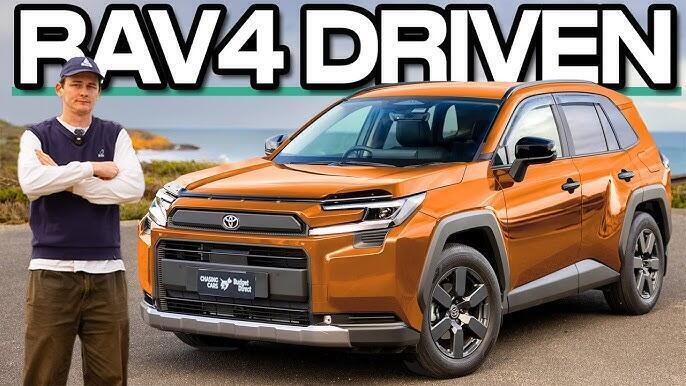
When considering a new vehicle in New Zealand, the Toyota RAV4 consistently emerges as a top contender in the compact SUV segment, blending practicality with renowned reliability. This model, available in hybrid and petrol variants, offers efficient fuel consumption ideal for both city commutes and longer road trips across varied landscapes.
Its spacious interior, robust safety features, and strong resale value appeal to families and adventurers alike. However, with its higher upfront cost compared to some rivals, potential buyers must weigh long-term savings and durability against budget constraints, making this question essential for informed decision-making.
Key Factors in Deciding Whether the Toyota RAV4 Is a Smart Buy in New Zealand
The Toyota RAV4 is consistently one of New Zealand’s best-selling vehicles, and for good reason: it combines practicality, reliability, and strong resale value. When evaluating if it’s worth buying, you should consider New Zealand-specific conditions such as road quality, fuel costs, and the prevalence of outdoor lifestyles.
The RAV4’s hybrid powertrain is especially popular here due to rising fuel prices, and its higher ground clearance makes it suitable for gravel roads and mild off-road use.
However, it faces stiff competition from models like the Mitsubishi Outlander and Mazda CX-5, so your final decision depends on whether you prioritize low running costs and durability over modern infotainment or sporty handling.
Hybrid Efficiency and Low Running Costs
One of the strongest arguments for purchasing a Toyota RAV4 in New Zealand is its exceptional hybrid fuel efficiency, which can achieve around 4.8–5.0 L/100km in mixed driving conditions. In a market where petrol prices are consistently high, this translates to significant long-term savings, especially for daily commuters or families who frequently drive between cities like Auckland and Hamilton.
The hybrid system also eliminates the need for plugging in, making it a hassle-free choice for those without home charging. Moreover, Toyota’s reputation for durability means lower maintenance costs, and the RAV4’s strong resale value ensures you recoup a good portion of your investment when it’s time to sell.
Safety Features and Japanese Engineering for New Zealand Roads
The Toyota RAV4 comes equipped with Toyota Safety Sense, a comprehensive suite of active safety technologies including pre-collision braking, lane-keeping assist, and adaptive cruise control. For New Zealand’s often narrow, winding, and varied road conditions from urban streets to rural highways these features provide added peace of mind.
The vehicle’s rigid body structure and well-tuned suspension also offer a stable ride on uneven surfaces, which is crucial given the country’s mix of seal and unsealed roads. Combined with strong crash-test ratings from ANCAP, the RAV4 stands out as a safe family vehicle that meets the demands of Kiwi driving environments.
This content may interest you! Best SUVs for New Zealand Roads in 2026
Space, Practicality, and Interior Comfort for Families
New Zealanders often use their vehicles for road trips, outdoor adventures, and family duties, and the RAV4 addresses these needs with a spacious cabin and a versatile 580–630 litre boot (depending on the model).
The rear seats offer ample legroom for adults, and the flat-loading floor makes it easy to haul camping gear, sports equipment, or bulky items from hardware stores. Additionally, the interior design prioritizes functionality over flashiness, with easy-to-clean materials and intuitive controls.
For families who need a reliable, everyday vehicle that can also handle weekend getaways to beaches or national parks, the RAV4 delivers a practical and comfortable experience without sacrificing passenger space.
| Aspect | Evaluation for New Zealand Buyers |
|---|---|
| Fuel Economy | Excellent with hybrid; low running costs are a major advantage. |
| Safety | High ANCAP rating; advanced driver assistance systems are standard. |
| Space & Practicality | Large boot and family-friendly interior; ideal for active lifestyles. |
| Resale Value | Very strong; Toyotas hold their value well in the NZ market. |
| Off-Road Capability | Suitable for gravel roads but not heavy off-roading; AWD available. |
Why the Toyota RAV4 Remains a Top Contender in New Zealand’s Competitive SUV Market
The Toyota RAV4’s reputation in New Zealand is built on a foundation of unmatched reliability, strong resale value, and practical design tailored to both urban and rural driving conditions.
With a hybrid powertrain that delivers exceptional fuel efficiency often exceeding 5.0 L/100 km in real-world use the RAV4 helps Kiwi drivers save on petrol costs, especially given New Zealand’s fluctuating fuel prices. Its spacious interior, high ground clearance, and all-wheel-drive options make it ideal for navigating city streets, winding coastal roads, and gravel farm tracks.
However, the long wait times for new models and higher upfront cost compared to some rivals, like the Mazda CX-5 or Hyundai Tucson, may give budget-conscious buyers pause. Overall, its proven durability and low maintenance costs often outweigh these drawbacks for those planning long-term ownership.
Fuel Efficiency and Hybrid Advantages for New Zealand Drivers
The RAV4’s hybrid system is a standout feature, offering combined fuel consumption as low as 4.8 L/100 km, which translates to significant savings for daily commuters and road-trippers alike. In New Zealand, where petrol prices can exceed $3 per liter, this efficiency reduces yearly running costs by up to $1,500 compared to traditional petrol SUVs.
The seamless transition between electric and petrol power also provides a quieter, smoother ride in traffic, while the regenerative braking system extends brake life a practical benefit for hilly terrains like those in Wellington or Queenstown.
Resale Value and Long-Term Depreciation Trends
Toyota vehicles, particularly the RAV4, are known for holding their value better than most competitors in New Zealand. After five years, a RAV4 typically retains 55-60% of its original price, compared to 45-50% for rivals like the Nissan X-Trail.
This content may interest you! Best AWD Vehicles for Kiwi Drivers
This is driven by high demand in the used car market, trust in Toyota’s engineering, and the popularity of hybrids among second-hand buyers. Factors like comprehensive service history and low mileage can further boost resale value, making the RAV4 a smart investment for those who plan to sell or trade-in after a few years.
Off-Road Capability and Suitability for New Zealand’s Terrain
With 206 mm of ground clearance and an available All-Wheel Drive (AWD) system, the RAV4 handles gravel roads, beach access tracks, and light off-road trails with confidence. The Trail mode optimizes traction on loose surfaces, while the electric motor’s instant torque aids in climbing steep inclines.
However, it’s not a heavy-duty 4×4; for serious off-roading, models like the Toyota Land Cruiser or Ford Everest are better suited. Still, for farm use, camping trips, and ski field access, the RAV4 strikes a practical balance between comfort and capability.
Interior Space and Practicality for Families
The RAV4 offers ample cabin space for five adults, with 580 liters of cargo capacity behind the rear seats—expandable to over 1,700 liters with seats folded. Rear legroom is generous, accommodating tall passengers easily, while ISOFIX anchors make child seat installation straightforward.
The high seating position provides good visibility for navigating tight parking lots, and storage cubbies are thoughtfully placed for phones, cups, and bags. Quality materials and easy-to-clean surfaces also appeal to active families dealing with muddy boots or pet hair.
Common Issues and Reliability Track Record
While the RAV4 has a strong reputation, some owners report minor issues like infotainment system lag or squeaky brakes in early models (pre-2021). The cable corrosion problem found in some AWD hybrids when exposed to salty coastal air is worth noting, though Toyota has addressed this with updated parts and warranty extensions.
Overall, reliability surveys place the RAV4 above average, with fewer breakdowns than the Subaru Forester or Mitsubishi Outlander. Regular servicing and adherence to recall notices are key to maintaining its dependable performance over 200,000 km.
Frequently Asked Questions
Is the Toyota RAV4 a reliable vehicle for New Zealand roads?
Yes, the Toyota RAV4 is highly reliable for New Zealand roads. It features robust build quality and durable components suited for both urban driving and rough rural terrain. Owners report minimal mechanical issues, with many models exceeding 200,000 kilometers without major repairs. Its all-wheel-drive options enhance traction on wet or gravel roads common in New Zealand.
How does the RAV4 perform in terms of fuel efficiency in New Zealand?
The Toyota RAV4 offers excellent fuel efficiency for a compact SUV. The hybrid model averages around 4.5 to 5.0 liters per 100 kilometers, ideal for high fuel costs in New Zealand. The petrol version achieves about 7.0 to 8.0 L/100 km. This efficiency makes it cost-effective for daily commutes and long-distance travel across the country.
This content may interest you! Best Vehicles for Rural New Zealand Living
What is the resale value of the Toyota RAV4 in New Zealand?
The Toyota RAV4 holds strong resale value in New Zealand. It consistently ranks among the top cars for retaining value, often depreciating slower than competitors like the Honda CR-V or Mazda CX-5. After three to five years, owners can expect to recover 50-60% of the original purchase price. This makes it a smart long-term investment.
Is the Toyota RAV4 suitable for New Zealand's diverse terrain?
Yes, the Toyota RAV4 is well-suited for New Zealand's diverse terrain. Its high ground clearance and available all-wheel drive handle gravel roads, hills, and light off-roading easily. The suspension absorbs bumps on unsealed surfaces, while the compact size navigates narrow city streets and parking lots. It performs reliably from urban centers to rural areas like the South Island.
Leave a Reply