
Kia Cerato Years to Avoid Forum: Owner Reports and Best Used Years
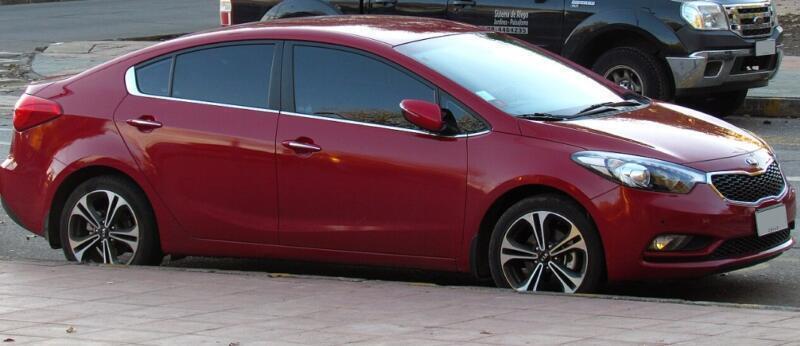
Buying a used Kia Cerato can feel surprisingly complicated once we start browsing forums. One owner says their Cerato has covered 250,000 km without breaking a sweat. Another describes an engine replacement, oil consumption, knocking noises, or an electrical problem that turned a cheap used car into an expensive headache.
So, what are the Kia Cerato years to avoid according to forum discussions, and which model years deserve a place on our shopping list?
There isn't one universally terrible Cerato generation. In fact, many owners report years of inexpensive, uneventful motoring. However, certain production periods deserve more investigation than others because of engine concerns, recalls, and recurring owner complaints.
The model years that deserve the closest inspection are 2009-2013, selected 2011-2015 cars, and particularly some 2020-2022 2.0L MPI Ceratos in Australia. That doesn't automatically make every car from those years bad. VIN-specific recalls, maintenance history, engine choice, mileage, and previous ownership matter far more than simply circling a year on a calendar.
Let's separate the forum chatter from the facts.
- Quick Answer: Which Kia Cerato Years Should We Avoid?
- Why Do Forums Call Certain Kia Cerato Years Bad?
- 2009 Kia Cerato: Buy Only After a Thorough Check
- 2010 Kia Cerato: One of the Years We'd Inspect Most Carefully
- 2011-2013 Kia Cerato: Reliability Depends Heavily on History
- 2014-2015 Kia Cerato: Check for Engine Recall History
- 2016 Kia Cerato: A Better Used-Car Sweet Spot?
- 2017 Kia Cerato: Generally Worth Considering
- 2018 Kia Cerato: Should We Avoid It?
- 2019 Kia Cerato: New Generation, New Things to Check
- 2020-2022 Kia Cerato: The Years Requiring a VIN Check
- 2023 and Later Kia Cerato Models: Are They Better?
- Kia Cerato 2.0L vs Cerato GT: Which Is Safer Used?
- The Biggest Kia Cerato Problems Mentioned by Owners
- How to Buy a Used Kia Cerato Without Regretting It
- Best Kia Cerato Years to Buy Used
- Kia Cerato Years to Avoid Forum Verdict
- Conclusion: Should We Buy a Used Kia Cerato?
- Frequently Asked Questions
Quick Answer: Which Kia Cerato Years Should We Avoid?
If we're shopping for a used Cerato, we wouldn't automatically blacklist an entire generation. Instead, we'd place several periods into a "buy only after careful inspection" category.
| Kia Cerato year | Our verdict | Main concern |
|---|---|---|
| 2009 | Caution | Age, engine complaints, recall eligibility |
| 2010 | Higher caution | Engine knocking/seizure complaints |
| 2011-2013 | Caution | Age plus recall considerations |
| 2014-2015 | Check carefully | Some vehicles involved in engine-related recall |
| 2016-2018 | Generally better | Condition and maintenance remain important |
| 2019 | Generally good candidate | First-year/new-generation checks recommended |
| 2020-2022 2.0 MPI | VIN check essential | Piston-ring recall on certain Australian cars |
| 2023+ | Promising | Younger vehicles, but history still matters |
Complaint databases contain relatively little Cerato-specific data compared with hugely popular North American cars, but 2010 stands out in the available Cerato reports for engine problems, including bearing knock and seizure.
More importantly for Australian buyers, official recalls provide harder evidence. Kia Australia recalled TD Ceratos from 2009-2013 over an HECU issue that could create an electrical short and potentially cause an engine-compartment fire.
There is also an engine-related recall covering certain 2011-2015 Kia vehicles, including YD Ceratos, due to the possibility of abnormal engine noise, seizure, loss of power, or fire.
Most recently, certain 2020-2022 BD Cerato 2.0L petrol MPI vehicles were recalled in Australia because piston rings might not meet manufacturing specifications. The Australian recall notice says the defect could cause engine failure, stalling, or an oil leak.
That makes one thing crystal clear: checking the VIN matters more than blindly avoiding every Cerato made during a particular year.
Why Do Forums Call Certain Kia Cerato Years Bad?
Car forums are useful because owners talk about problems long after professional road tests have finished.
A new-car reviewer might drive a Cerato for seven days.
An owner may drive one for ten years.
That's a big difference.
Forums can expose recurring patterns involving:
- engine knocking
- excessive oil consumption
- automatic transmission behavior
- steering noises
- infotainment problems
- suspension wear
- electrical faults
- ignition coils
- air-conditioning problems
- rattles and interior wear
Yet we should never treat forum posts like controlled reliability studies. People are far more likely to write a post titled "My Cerato engine died" than "Day 2,847 and absolutely nothing happened."
Complaints naturally magnify failures.
That's why we're combining owner experiences with formal recall information rather than declaring a particular year unreliable because three people had trouble with one.
2009 Kia Cerato: Buy Only After a Thorough Check
The 2009 Cerato is now an old vehicle, and age itself becomes a significant reliability factor.
At this stage, we're not simply judging Kia's original engineering. We're judging potentially 17 years of servicing, previous owners, potholes, overheating events, cheap replacement parts, neglected fluids, and perhaps a teenage driver's interpretation of "gentle acceleration."
Complaint data includes an engine-stalling report for the 2009 Cerato, although the overall number of Cerato complaints in that database is small.
The Bigger Issue With Older Ceratos
With a 2009 example, we'd pay particular attention to:
- cold-start engine noise
- cooling-system condition
- oil leaks
- oil level
- automatic transmission shifts
- suspension bushes
- engine mounts
- steering components
- air-conditioning performance
- service history
The car itself might be perfectly usable.
But an inexpensive old Cerato with no service records can become a financial trap dressed like a bargain.
Recall Status Matters
Australian TD Ceratos from 2009-2013 are included in an official HECU recall involving the potential for an electrical short and engine-compartment fire. Owners are instructed to arrange inspection and repair through Kia.
If we're considering one, verifying whether the recall work has been completed should happen before money changes hands.
2010 Kia Cerato: One of the Years We'd Inspect Most Carefully
If somebody searches "Kia Cerato years to avoid forum", 2010 deserves attention.
Why?
Among the limited Cerato complaints collected by CarComplaints, 2010 is ranked as the worst Cerato model year. Reported engine problems include bearing knock and seizure.
This doesn't prove that most 2010 Ceratos suffer engine failure. The sample is far too small for that conclusion.
Still, we're buying a used car, not conducting a courtroom trial. A warning signal doesn't need to prove universal failure before we investigate it.
Listen to the Engine Before Buying
Start the engine completely cold.
A seller who has warmed the car before we arrive removes one of our easiest opportunities to identify problems.
Listen for:
- persistent metallic knocking
- heavy tapping
- irregular idle
- squealing belts
- rattling during acceleration
Then check the oil.
Dark oil isn't automatically alarming. Oil becomes dark during normal use. What concerns us more is an oil level sitting dangerously below minimum, metallic particles, heavy sludge under the filler cap, or evidence that the engine has been repeatedly neglected.
Would We Avoid Every 2010 Cerato?
No.
A one-owner 2010 Cerato with extensive service records can be a better purchase than a neglected 2017 car.
This content may interest you! Kia Cerato Models: Complete Generations and Buyer’s Guide
But among otherwise equal cars, we'd choose a younger, well-maintained alternative.
2011-2013 Kia Cerato: Reliability Depends Heavily on History
These Ceratos sit in an awkward part of the used market.
They're often inexpensive enough to attract budget buyers but old enough that neglected maintenance starts showing its teeth.
The Australian HECU recall covers TD Ceratos built across the 2009-2013 year range, making a recall-status check particularly important.
The recall does not mean every vehicle developed a fault. It means affected cars require the prescribed remedy.
That's an important distinction.
What About the Cerato Koup?
The Cerato Koup attracts buyers because it offers something increasingly rare: inexpensive coupe styling without exotic-car maintenance costs.
Owner conversations about the Koup are mixed but frequently positive. In one Australian discussion, an owner of a later 1.6L turbo Koup reported electrical annoyances involving the stereo, window mechanism, and steering-wheel controls but otherwise described the car positively.
That neatly demonstrates why forums are useful.
Sometimes reliability isn't a dramatic engine explosion. It's five small electrical problems that slowly test our patience like mosquitoes in a bedroom.
2014-2015 Kia Cerato: Check for Engine Recall History
The YD Cerato generally feels considerably more modern than older TD examples. Better styling, improved cabin presentation, and widespread availability make these cars tempting used purchases.
However, certain vehicles deserve extra investigation.
An Australian recall covering some 2011-2015 Kia Sportage, Cerato, and Sorento vehicles states that affected vehicles could develop abnormal engine noise and potentially experience engine seizure, sudden loss of motive power, and/or fire. Owners of affected vehicles were instructed to have the engine inspected and, where required, replaced.
This is exactly why searching by year alone can mislead us.
Not every 2014 Cerato is affected.
Not every 2015 Cerato is affected.
The VIN tells us much more.
Forum Concerns About Mid-2010s Kia Engines
Used-car discussions regularly raise oil consumption when talking about Hyundai and Kia engines from this period. One Australian discussion involving a 2015 Cerato included warnings from commenters about oil-burning problems, while another owner reported no problems with their own car.
That's forum life in one paragraph: one person loves the car, another fears the engine.
Our takeaway?
Don't panic.
Inspect.
Check Oil Consumption Clues
Before buying, look for:
- an oil level below the dipstick minimum
- blue smoke from the exhaust
- oily exhaust deposits
- repeated oil top-ups documented in service records
- knocking noises
- an oil warning lamp history
- unusually thick oil that may have been used to mask consumption
Ask the seller a direct question:
"Does it use oil between services?"
Watch the answer as closely as we watch the dipstick.
2016 Kia Cerato: A Better Used-Car Sweet Spot?
The 2016 Cerato can represent a useful middle ground.
It's newer than the cheapest high-mileage examples yet old enough to have depreciated substantially.
There isn't enough evidence to crown every 2016 Cerato a reliability champion, but when comparing similar vehicles, we'd generally feel more comfortable starting our search here than with a poorly documented early-2010s example.
What Makes a Good 2016 Cerato?
We'd prioritize:
- complete servicing
- consistent oil changes
- no unexplained warning lights
- smooth automatic shifts
- good cold-start behavior
- evidence of responsible ownership
- no major crash history
A clean service book is often worth more than a shiny set of aftermarket wheels.
2017 Kia Cerato: Generally Worth Considering
The 2017 model year often sits in an attractive part of the market because it provides relatively modern safety, styling, and convenience without carrying new-car pricing.
One caution is that North American Kia Forte discussions and complaint databases can appear when searching for Cerato problems because Forte is a related nameplate used in other markets.
We shouldn't blindly transfer every Forte complaint to an Australian Cerato.
Specifications, engines, factories, recalls, and regional configurations can differ.
For example, the Forte complaint database contains substantially more reports than the Cerato database and shows elevated complaints for several years, including 2017.
That information can help us identify possible areas to inspect, but it does not mean an Australian 2017 Cerato has identical risk.
Condition Beats Internet Reputation
Between:
- a 2017 Cerato with 180,000 km and patchy servicing, and
- a slightly older Cerato with 80,000 km and meticulous maintenance,
we'd investigate the second car first.
This content may interest you!Kia Cerato Towing Capacity: Complete Guide for All GenerationsModel-year rankings are useful filters.
They're terrible substitutes for inspection.
2018 Kia Cerato: Should We Avoid It?
A small number of complaint reports exist for the 2018 Cerato, including an engine no-start complaint and a radio problem.
Again, the sample is tiny.
We wouldn't classify the 2018 Cerato as a blanket year to avoid based on those reports alone.
Instead, we'd inspect its:
- battery and charging system
- starter behavior
- infotainment system
- engine idle
- oil level
- service records
A properly maintained 2018 Cerato can remain an appealing used purchase.
2019 Kia Cerato: New Generation, New Things to Check
The BD-generation Cerato brought a sharper design and a more contemporary cabin.
First-year models of any new generation deserve slightly closer attention because manufacturers are introducing new electronics, components, production processes, and calibration changes at once.
That doesn't mean 2019 Ceratos are bad.
Far from it.
For many shoppers, 2019 can be an appealing year because we get newer-generation styling without paying the premium attached to nearly new examples.
Cerato GT Buyers Need a Different Checklist
The Cerato GT introduces more performance-focused hardware.
That means we should consider how the previous owner drove it.
A high-performance version owned by someone who carefully warmed the engine, followed maintenance schedules, and treated the transmission correctly may be fantastic.
One repeatedly launched from traffic lights while cold?
Different story.
High Mileage Changes Everything
A 2026 Australian forum discussion about a 2019 Cerato GT with roughly 177,000 km illustrates another key point: commenters focused heavily on the mileage and asking price rather than automatically condemning the model year.
That's sensible.
At very high kilometres, individual history begins overpowering broad model-year reputation.
2020-2022 Kia Cerato: The Years Requiring a VIN Check
Here's where we find the strongest reason for modern Cerato buyers to pay attention.
In July 2025, Australian authorities published recall REC-006395 for certain 2020-2022 BD Cerato and SP2 Seltos vehicles equipped with the 2.0L petrol MPI engine.
The recall covers 9,534 affected vehicles across the two model lines. According to the notice, piston rings in certain engines might not meet manufacturing specifications, potentially leading to engine failure and stalling. Engine oil could also leak, creating an increased accident or fire risk.
Does This Mean Avoid Every 2020-2022 Cerato?
Absolutely not.
That's too simplistic.
The recall applies to certain vehicles, not every Cerato wearing those model-year numbers.
The sensible procedure is:
- obtain the VIN
- check official recall status
- confirm whether the vehicle is affected
- verify whether recall work has been completed
- retain documentation
The recall instructs affected owners to contact Kia for engine inspection, replacement if damage is identified, and an ECU software update used as an additional monitoring measure.
Why Forum Threads Can Make These Years Look Worse
Once a recall becomes public, online discussion explodes.
Prospective buyers ask whether later cars are safe. Owners compare noises. People who have never owned the model repeat stories from somebody else's cousin's mechanic.
A January 2026 Australian Reddit thread shows exactly this concern, with a potential buyer asking whether a 2023-2024 Cerato should still be considered after learning about the 2020-2022 recall.
We should distinguish recall coverage from rumor expansion.
If a 2023 vehicle isn't part of a particular 2020-2022 campaign, we shouldn't simply assume the same defect carries forward.
2023 and Later Kia Cerato Models: Are They Better?
Later Ceratos naturally have several advantages.
They're younger.
They've usually travelled fewer kilometres.
They're less likely to have accumulated years of deferred maintenance.
And later production can incorporate engineering or manufacturing revisions introduced during a generation.
However, "newer" doesn't automatically equal "perfect."
This content may interest you!Are Kia Cerato Good Cars? Reliability, Problems, and Buying GuideUsed-car inspection remains essential.
Why We'd Generally Favor Later Examples
If budget allows, a late-production Cerato with documented servicing provides an attractive balance between price and risk.
We're reducing exposure to:
- age-related rubber deterioration
- worn suspension components
- neglected cooling systems
- tired engine mounts
- oxidized electrical connections
- years of unknown ownership
Sometimes buying reliability isn't about selecting the magical model year.
It's simply about buying less accumulated neglect.
Kia Cerato 2.0L vs Cerato GT: Which Is Safer Used?
These versions attract different buyers.
The naturally aspirated 2.0L Cerato is simpler in concept and frequently purchased as basic everyday transportation.
The GT is more entertaining, but additional performance hardware adds additional components to inspect.
Neither choice is universally right.
Why We'd Choose the 2.0L
A standard 2.0L car can make sense when our priorities are:
- straightforward commuting
- lower complexity
- conventional driving characteristics
- broad used-market availability
For affected 2020-2022 Australian cars, however, VIN recall verification is non-negotiable because of the piston-ring campaign discussed above.
Why We'd Choose the GT
The GT makes more sense when driving enjoyment matters.
But we'd become stricter about:
- service intervals
- transmission behavior
- modifications
- evidence of hard driving
- quality of replacement tyres
- previous accident damage
Performance cars don't automatically fail more often.
They simply give irresponsible owners more opportunities to abuse them.
The Biggest Kia Cerato Problems Mentioned by Owners
Rather than obsessing over one year, we can shop intelligently by knowing what symptoms deserve attention.
Engine Knocking
Persistent knocking is one of the most important warning signs.
Don't convince ourselves:
"It probably just needs better fuel."
Maybe.
Or maybe we're listening to a four-figure repair bill tapping on the door.
Oil Consumption
Check the dipstick before the test drive and again after examining the vehicle.
Low oil can indicate:
- leaks
- consumption
- poor maintenance
- owner neglect
None is particularly comforting.
Electrical Problems
Older Ceratos may develop smaller electrical inconveniences involving stereo systems, switches, sensors, windows, or steering-wheel controls. Owner discussions of the Koup, for example, contain reports of several relatively minor electrical issues.
These might not destroy the engine, but they can still drain our wallet one repair at a time.
Automatic Transmission Behavior
During the test drive, use the car in:
- stop-start traffic
- gentle acceleration
- harder acceleration
- reverse
- uphill starts
Watch for delayed engagement, harsh shifts, shuddering, slipping, or warning messages.
One awkward shift isn't necessarily catastrophic.
Repeated bad behavior deserves investigation.
How to Buy a Used Kia Cerato Without Regretting It
This matters more than any "years to avoid" list.
Check the VIN for Recalls
Official recall databases should be our first stop.
This is particularly important for:
- 2009-2013 TD Cerato buyers
- selected 2011-2015 YD Cerato buyers
- 2020-2022 BD Cerato 2.0L MPI buyers
Each group has appeared in Australian recall campaigns discussed earlier.
Demand Service Records
A stamped book alone isn't always enough.
Invoices are better.
They can reveal:
- oil-change frequency
- previous repairs
- recurring faults
- dealership campaigns
- replacement components
- mileage progression
Documentation turns a mystery car into a story we can actually read.
Start It Cold
A cold engine can reveal noises hidden once oil pressure rises and components expand.
This content may interest you! Audi A3 Models by Year New Zealand: Complete Buyer’s Guide
Tell the seller beforehand that we want the engine cold.
If it's conveniently warm when we arrive, ask why.
Get a Pre-Purchase Inspection
This is where many buyers try to save money.
Don't.
Paying for an independent inspection before purchase is like buying an umbrella before the storm rather than after we're already soaked.
A mechanic can examine:
- engine condition
- fluid leaks
- suspension
- brakes
- tyres
- transmission behavior
- fault codes
- cooling system
- accident repairs
Even if the inspection finds nothing serious, that's valuable information.
Best Kia Cerato Years to Buy Used
We can't nominate one universal winner because Cerato specifications vary by country, engine, transmission, body style, and trim.
Still, if we were shopping, we'd generally lean toward well-maintained later-generation examples, particularly cars with comprehensive records and completed recall work.
Our Used Cerato Buying Hierarchy
We'd prioritize the cars in this order:
First choice: newer, low-to-moderate kilometre Cerato with complete servicing and clean inspection.
Second choice: slightly older Cerato with exceptional ownership history.
Third choice: higher-mileage car with excellent maintenance and a price reflecting the kilometres.
Last choice: suspiciously cheap Cerato with no records, warm engine on arrival, warning lights, low oil, or an owner who says, "They all make that noise."
That final sentence has emptied plenty of bank accounts.
Kia Cerato Years to Avoid Forum Verdict
So, what have owners and available reliability information actually taught us?
The 2010 Kia Cerato deserves additional caution because the limited complaint data available points toward serious engine complaints, including bearing knock and seizure.
Australian 2009-2013 TD Ceratos also need recall-status verification because of the HECU fire-risk campaign.
Certain 2011-2015 YD Ceratos require an engine-recall check.
And buyers looking at 2020-2022 BD Cerato 2.0L MPI models should absolutely run the VIN through the relevant recall database because certain vehicles were recalled over piston-ring manufacturing concerns capable of causing engine failure, stalling, or oil leakage.
But we'd stop short of calling any entire generation universally unreliable.
A Cerato isn't a lottery ticket where the year stamped on the registration decides our fate.
Maintenance matters.
Mileage matters.
Engine choice matters.
Previous ownership matters.
Recall completion matters.
And the condition of the actual car sitting in front of us matters most of all.
Conclusion: Should We Buy a Used Kia Cerato?
Yes, a used Kia Cerato can still make plenty of sense.
It's generally an approachable, practical compact car, and the internet shouldn't scare us away from every example because some owners experienced problems.
What the forums should do is make us better shoppers.
We'd approach 2010 cars and poorly documented early Ceratos cautiously, verify recall work on applicable 2009-2015 cars, and be particularly careful about VIN status on 2020-2022 Australian 2.0L MPI models.
Beyond that, we'd buy the best-maintained individual car we can afford.
Think of the model year as the cover of a book.
Useful? Certainly.
But we still need to read the pages.
Frequently Asked Questions
1. What Kia Cerato year should we avoid most?
There isn't enough evidence to label one Cerato year universally defective. However, 2010 deserves extra caution because available complaint data includes significant engine concerns. Buyers should also check recall eligibility on 2009-2015 vehicles and certain 2020-2022 2.0L MPI Ceratos in Australia.
2. Are 2020-2022 Kia Ceratos bad cars?
Not necessarily. Certain Australian 2020-2022 BD Ceratos equipped with the 2.0L petrol MPI engine are included in a recall concerning piston rings that may not meet manufacturing specifications. Buyers should check the individual VIN rather than automatically rejecting every Cerato from those years.
3. Is the Kia Cerato reliable after 100,000 km?
It can be. At 100,000 km and beyond, service history becomes increasingly important. A properly maintained Cerato with regular oil changes may be a much safer purchase than a lower-mileage example with poor servicing. Inspect the engine, transmission, cooling system, suspension, brakes, and recall status before buying.
This content may interest you! What to Check Before Buying a Used Car in New Zealand
4. What should we check before buying a used Kia Cerato?
Check the VIN for outstanding recalls, inspect service records, start the engine cold, verify the oil level, listen for knocking, test the transmission thoroughly, scan for warning lights, examine tyres and brakes, and arrange an independent pre-purchase inspection.
5. Which Kia Cerato years are best to buy?
Later models with comprehensive servicing, reasonable kilometres, clean inspection results, and completed recall work are generally the most attractive choices. Rather than selecting purely by model year, prioritize documented maintenance and the condition of the individual vehicle.
Leave a Reply