
Toyota RAV4 vs Mazda CX-50 New Zealand: Which SUV Makes More Sense?
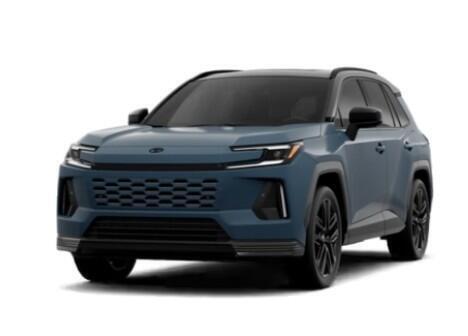
The Toyota RAV4 vs Mazda CX-50 New Zealand comparison is not quite as straightforward as placing two SUVs side by side at a dealership and choosing a colour. One is an established Kiwi favourite with local warranty coverage, nationwide servicing and several electrified powertrains. The other is a stylish, adventure-focused Mazda primarily built for North America and not officially listed in Mazda New Zealand’s current vehicle range.
That difference changes everything.
On paper, the Mazda CX-50 looks like a natural RAV4 rival. It offers standard all-wheel drive, handsome proportions, an upmarket cabin and available petrol, turbocharged and hybrid powertrains in overseas markets. It is the kind of SUV that looks ready for a South Island road trip before we have even packed the chilly bin.
The Toyota RAV4, meanwhile, takes a more practical route. It is available through official Toyota dealerships in New Zealand, offers hybrid and plug-in hybrid options, and has been designed around everyday efficiency, family usability and predictable ownership.
So, which one should New Zealand buyers choose? Let us dig into the details rather than simply declaring one SUV the winner after a glance at the brochure.
- Toyota RAV4 vs Mazda CX-50 New Zealand at a Glance
- The Biggest Difference: New Zealand Availability
- Exterior Design: Rugged Mazda or Modern Toyota?
- Dimensions and Road Presence
- Interior Quality and Cabin Atmosphere
- Passenger Space and Family Practicality
- Boot Space and Everyday Use
- Powertrain Comparison
- Toyota RAV4 Hybrid Performance
- Toyota RAV4 Plug-in Hybrid Performance
- Mazda CX-50 Petrol Performance
- Mazda CX-50 Turbo Performance
- Mazda CX-50 Hybrid
- Fuel Economy and Running Costs
- Driving Experience on New Zealand Roads
- All-Wheel Drive and Light Off-Road Ability
- Towing Capacity
- Technology and Infotainment
- Safety Equipment
- Reliability and Long-Term Ownership
- Warranty, Servicing and Parts Support
- Resale Value in New Zealand
- Which SUV Is Better for Urban Driving?
- Which SUV Is Better for Road Trips?
- Which SUV Is Better for Outdoor Adventures?
- Toyota RAV4 vs Mazda CX-50 Price in New Zealand
- Toyota RAV4 Advantages
- Mazda CX-50 Advantages
- Toyota RAV4 Disadvantages
- Mazda CX-50 Disadvantages
- Should Mazda New Zealand Sell the CX-50?
- Who Should Buy the Toyota RAV4?
- Who Should Consider the Mazda CX-50?
- Better Mazda Alternatives Available in New Zealand
- Final Verdict: Toyota RAV4 vs Mazda CX-50 New Zealand
- Frequently Asked Questions
Toyota RAV4 vs Mazda CX-50 New Zealand at a Glance
Before examining each category, we need to clarify the market situation.
As of July 2026, Toyota New Zealand officially offers the new-generation RAV4 with hybrid and plug-in hybrid powertrains. Mazda New Zealand’s official range includes models such as the CX-3, CX-30, CX-5, CX-60, CX-80 and CX-90, but the CX-50 is not listed as a locally available new model. The CX-50 is primarily manufactured for left-hand-drive North American markets.
| Category | Toyota RAV4 | Mazda CX-50 |
|---|---|---|
| Officially sold new in New Zealand | Yes | No |
| Steering configuration for main market | Right-hand drive available | Primarily left-hand drive |
| Main powertrains | Hybrid and plug-in hybrid | Petrol, turbo petrol and hybrid overseas |
| Drivetrain | FWD or AWD, depending on grade | AWD as standard in North America |
| Main character | Efficient and practical | Sporty and adventure-focused |
| Local dealer support | Extensive | No official CX-50-specific support |
| Best suited to | Mainstream NZ ownership | Enthusiasts considering an unusual import |
This is therefore partly a traditional SUV comparison and partly a question of whether the CX-50’s personality is compelling enough to outweigh the complications of owning a non-standard model.
The Biggest Difference: New Zealand Availability
Toyota RAV4 Availability
The RAV4 is a normal, officially supported New Zealand purchase. Buyers can configure one through Toyota New Zealand, arrange finance, book a test drive and access local servicing and warranty support.
The current RAV4 range places a strong emphasis on electrification. Toyota offers conventional self-charging hybrid variants as well as a more powerful plug-in hybrid model. The regular hybrid uses a 2.5-litre petrol-electric system, while the PHEV combines electric commuting capability with petrol flexibility for longer journeys.
In other words, buying a RAV4 is refreshingly uncomplicated.
Mazda CX-50 Availability
The CX-50 situation is more awkward. It may appear in global Mazda marketing or on overseas websites, but it is absent from Mazda New Zealand’s official new-car range. The model was developed chiefly for North America and is produced in the United States.
A private importer might theoretically source one, but the model’s left-hand-drive configuration creates an obvious barrier. New Zealand generally drives right-hand-drive vehicles, and registering a left-hand-drive vehicle involves eligibility rules rather than a simple “ship it and collect the keys” process.
That makes the CX-50 more of an interesting overseas alternative than a direct showroom competitor.
Why This Matters More Than It Sounds
Availability affects:
- Purchase price after shipping and compliance
- Registration eligibility
- Insurance
- Replacement parts
- Windscreen and body-panel availability
- Diagnostic software access
- Resale value
- Manufacturer warranty coverage
- Familiarity among local repairers
The CX-50 might win a beauty contest in the dealership car park, but first we need to get it into that car park.
Exterior Design: Rugged Mazda or Modern Toyota?
Toyota RAV4 Styling
The latest RAV4 continues moving away from the softly rounded crossover shape of earlier generations. It looks broader, sharper and more technical, particularly in adventure-themed grades.
The design communicates practicality without becoming anonymous. Squared wheel arches, a strong shoulder line and a relatively upright rear end give it the visual confidence buyers expect from a family SUV.
It is not trying to look like a sports car on stilts. Instead, it resembles a dependable pair of tramping boots: purposeful, familiar and ready to get dirty.
Mazda CX-50 Styling
The CX-50 arguably has the more emotional design. It sits lower and wider than many conventional compact SUVs, with a long bonnet, pronounced wheel arches and substantial black body cladding.
Mazda’s usual elegance is still present, but it has been mixed with a spoonful of outdoor toughness. The result is less delicate than a CX-5 and more athletic than the average family crossover.
The wide stance makes the CX-50 appear planted, particularly on its larger wheels. It feels designed for owners who want their SUV to look adventurous even when its biggest weekly expedition is the supermarket car park.
Which Design Works Better in New Zealand?
The CX-50 is likely to appeal more strongly to buyers who value style and road presence. The RAV4, however, offers a wider variety of personalities across its grade range and has the advantage of being designed and certified for the local market.
Our verdict on looks alone? The Mazda wins narrowly. Ownership, however, involves rather more than standing at the kitchen window admiring the driveway.
Dimensions and Road Presence
The Mazda CX-50 has a long, wide and relatively low body. Its proportions contribute to its more car-like road behaviour, but they can also make it feel substantial on narrow urban streets.
The RAV4 is comparatively upright. Adventure versions measure approximately 4,620 mm long, 1,880 mm wide and 1,730 mm high, with a 2,690 mm wheelbase.
That taller shape helps provide a traditional SUV seating position and a practical cabin. It also makes the RAV4 easier to understand from behind the wheel. We can see the corners more naturally, which is useful when reversing near a fence, manoeuvring through Wellington streets or squeezing into an older Auckland car park.
The CX-50’s wider stance feels confident on open roads, while the RAV4’s more upright packaging is generally easier to live with.
Interior Quality and Cabin Atmosphere
Inside the Toyota RAV4
The RAV4 cabin prioritises clarity. The main controls are placed where drivers expect to find them, storage areas are generous, and the overall atmosphere suits families who need a vehicle that works without demanding a training session.
The latest generation adds a more modern digital presentation and connected features. Depending on grade, buyers can expect digital instrumentation, smartphone connectivity and an expanded package of driver-assistance technology. Toyota’s objective is not to turn the dashboard into a nightclub; it is to make daily driving easier.
Materials are generally durable rather than indulgent. That can sound like faint praise, but durability matters when muddy shoes, school bags, coffee cups and wet jackets become regular passengers.
Inside the Mazda CX-50
The Mazda cabin has a more premium personality. Its dashboard is low and horizontal, the controls feel deliberate, and the seating position places greater emphasis on the driver.
Mazda continues to favour physical controls and a central rotary controller for many infotainment functions. That approach can feel less immediately flashy than an enormous touchscreen, but it often becomes easier to operate while moving.
The CX-50 also uses design touches inspired by outdoor equipment, including robust trim details and available upholstery with distinctive stitching. The atmosphere is closer to a carefully designed lodge than a plastic-heavy utility vehicle.
Cabin Winner
For perceived quality and design, the Mazda CX-50 wins.
For family-friendly storage, ease of use and local specification certainty, the Toyota RAV4 wins.
Passenger Space and Family Practicality
The RAV4 is the more conventional family tool. Its upright roofline benefits rear-seat headroom, while its doors and seating height make it easier to load children or assist less-mobile passengers.
Rear-seat space is generous enough for adults, and the relatively flat, broad cabin creates a relaxed atmosphere. A child seat can be installed without turning the front passenger area into a punishment cell.
The CX-50 also seats five, but its lower roof and sportier proportions create a slightly more enclosed feeling. Mazda’s overseas material confirms five-seat accommodation, while the hybrid provides 29.2 cubic feet of cargo room behind the rear seats and up to 56.3 cubic feet with them folded. That translates to roughly 827 litres and 1,594 litres under the North American measurement method, although cargo figures cannot always be compared directly with New Zealand VDA ratings.
For families regularly carrying bulky gear, the RAV4’s boxier shape will probably prove more convenient, even when published measurements appear close.
Boot Space and Everyday Use
Toyota RAV4 Boot
The RAV4’s cargo area is broad, easy to access and shaped sensibly. The rear opening is fairly square, making it suitable for:
- Pushchairs
- Grocery crates
- Suitcases
- Camping equipment
- Sports bags
- Medium-sized pet crates
- Foldable bicycles
The load floor is not needlessly sculpted, so fewer litres are lost to awkward corners.
Mazda CX-50 Boot
The CX-50’s cargo floor is long, reflecting its outdoor-lifestyle focus. It works particularly well for items such as skis, fishing equipment and camping gear.
However, the lower roofline reduces the vertical volume available for tall objects. It is a little like comparing a long drawer with a large cupboard: the Mazda has useful length, while the Toyota offers a more versatile box.
Which Boot Is Better?
For traditional family duty, choose the RAV4.
For long outdoor equipment and a lower loading profile, the CX-50 has appeal.
Powertrain Comparison
Toyota RAV4 Hybrid Performance
The regular New Zealand RAV4 Hybrid uses Toyota’s fifth-generation 2.5-litre petrol-electric system. Current AWD versions produce a total system output of 143 kW. The powertrain uses electric assistance to provide smooth initial acceleration while reducing the amount of petrol used in stop-start driving.
It is not a performance SUV, but it rarely feels strained in normal conditions. Around town, the electric motor fills the gaps that can make a conventional petrol engine feel sleepy. On the motorway, the system settles into a relaxed rhythm.
Heavy acceleration can make the engine sound busy because of the hybrid transmission’s operating characteristics. Some drivers dislike that elastic sensation. Others quickly stop noticing it, especially when they see the fuel economy.
Toyota RAV4 Plug-in Hybrid Performance
The RAV4 PHEV sits at the energetic end of the range. Toyota New Zealand quotes up to 227 kW of total system output, making it considerably more powerful than the standard hybrid.
For drivers who can charge at home, it offers the appealing possibility of completing many short journeys primarily on electricity while keeping a petrol engine for long-distance travel.
It is the sprinter of the RAV4 family, but it still arrives wearing practical shoes.
Mazda CX-50 Petrol Performance
In North America, the standard 2026 CX-50 uses a naturally aspirated 2.5-litre four-cylinder petrol engine producing 187 horsepower, or approximately 139 kW. It is paired with a six-speed automatic transmission and standard i-Activ all-wheel drive.
This version prioritises predictable response rather than dramatic speed. Unlike the Toyota hybrid system, it changes through conventional automatic gears, which some drivers will find more natural.
The engine needs revs when overtaking or climbing steep roads, but Mazda’s transmission generally works hard to keep it responsive.
Mazda CX-50 Turbo Performance
The turbocharged CX-50 is the enthusiast’s choice. Overseas specifications quote up to 256 horsepower and 320 lb-ft of torque when using the recommended premium fuel, equivalent to approximately 191 kW and 434 Nm.
It delivers stronger mid-range acceleration than the standard petrol model and feels far more effortless when overtaking. The turbo also suits the chassis, giving the vehicle the muscular performance its wide stance promises.
There are catches for a hypothetical New Zealand owner:
- Premium fuel may be required for maximum output.
- Fuel consumption will be higher than the RAV4 Hybrid’s.
- Servicing an unofficial powertrain may be more complicated.
- Turbo-specific parts may need to be imported.
The CX-50 Turbo is more exciting, but excitement has a habit of sending invoices.
Mazda CX-50 Hybrid
The overseas CX-50 Hybrid is particularly interesting because it uses a Toyota-derived 2.5-litre hybrid system. It combines three electric motors with standard all-wheel drive and is rated at 38 mpg combined under the US EPA system.
That means the conceptual gap between the two SUVs becomes surprisingly narrow. Both can use Toyota-related hybrid technology, but they wrap it in different personalities.
The RAV4 is the locally supported, efficiency-first option. The CX-50 Hybrid places similar basic technology inside a lower, more driver-focused Mazda body.
Unfortunately, its lack of official New Zealand availability remains the elephant sitting comfortably in the second row.
Fuel Economy and Running Costs
The current RAV4 Hybrid is the clear real-world choice for New Zealand buyers focused on fuel costs. Official local figures list approximately 5.0 L/100 km for some front-wheel-drive hybrid versions and 5.1 L/100 km for AWD versions under Toyota New Zealand’s converted WLTP figures.
Actual consumption will vary according to temperature, terrain, load, tyres and driving style. Nevertheless, the RAV4 Hybrid is particularly effective in urban driving, where regenerative braking and low-speed electric assistance can do their best work.
The standard and turbo CX-50 petrol models are less economical. Overseas EPA ratings cannot be directly compared with New Zealand WLTP figures, but Mazda quotes 24 mpg city and 30 mpg highway for the naturally aspirated US model.
The CX-50 Hybrid improves matters substantially, but importing one would likely erase some of the financial advantage through freight, compliance, insurance and parts costs.
Running-Cost Winner
For predictable, efficient New Zealand ownership, the RAV4 wins by a wide margin.
Driving Experience on New Zealand Roads
Toyota RAV4 on the Road
The RAV4 is tuned for comfort, stability and easy progress. Its steering is light enough for urban use, the suspension handles imperfect surfaces without becoming excessively soft, and the hybrid powertrain is well suited to congested traffic.
On winding roads, it remains secure, but it does not constantly encourage us to take the scenic route home. The driving experience is competent and confidence-inspiring rather than playful.
That is not necessarily a weakness. After a long day, many owners want their SUV to behave like a calm colleague, not an overenthusiastic personal trainer.
Mazda CX-50 on the Road
The CX-50 takes the driver more seriously. Its steering is heavier and more communicative, its body feels well controlled, and its wider stance helps it remain composed through bends.
This character could suit New Zealand’s sweeping rural roads beautifully. The Mazda feels more connected, particularly with the turbocharged engine.
The trade-off is ride comfort. Models with larger wheels may transmit more sharp-edged bumps into the cabin, especially over coarse chip-seal surfaces. What feels athletic on a smooth American highway may feel busier on a patched Kiwi back road.
Handling Winner
The CX-50 wins for enthusiastic drivers.
The RAV4 wins for drivers seeking comfort, quiet competence and lower effort.
All-Wheel Drive and Light Off-Road Ability
The CX-50 receives standard i-Activ AWD in its North American market and includes selectable Mi-Drive modes on relevant versions. Standard petrol models provide Sport and Off-Road settings, while turbo grades can add towing-focused functionality.
Its outdoor styling is not entirely decorative. The wide stance, protective cladding and AWD calibration make it suitable for gravel roads, campsites and slippery tracks.
The RAV4 Hybrid AWD uses Toyota’s E-Four system, in which a rear electric motor can assist traction without a conventional mechanical driveshaft linking the front and rear axles. The system automatically supports stability and grip when accelerating or when conditions become slippery.
This content may interest you! Toyota Voxy Battery Size: Complete Replacement Guide
Neither vehicle is a substitute for a serious low-range four-wheel drive. Deep mud, large rocks and demanding river crossings are not their natural habitat.
For ski-field access roads, wet grass, gravel and mild trails, however, both should be capable when fitted with appropriate tyres.
Towing Capacity
Toyota New Zealand lists a braked towing capacity of up to 1,500 kg for current RAV4 Hybrid and PHEV variants.
The overseas CX-50’s towing capacity depends heavily on the engine:
- Naturally aspirated 2.5-litre models: up to 2,000 lb, approximately 907 kg
- Hybrid models: up to 2,000 lb, approximately 907 kg
- Turbo models with the required equipment and towing mode: up to 3,500 lb, approximately 1,588 kg
The CX-50 Turbo therefore has the higher quoted maximum, but the RAV4 offers a more useful towing proposition for local buyers because its rating, hitch equipment and servicing requirements are supported through New Zealand channels.
For a small trailer, jet ski or lightweight caravan, the RAV4 should be easier to own. Buyers towing regularly should always check the exact variant’s rating, tow-ball limit, gross combination mass and trailer-brake requirements.
Technology and Infotainment
The RAV4’s latest-generation cabin places stronger emphasis on digital connectivity. Features vary by grade, but Toyota Connected Services, digital instrumentation, smartphone integration and modern driver interfaces form part of the new package.
The CX-50 uses a relatively wide 10.25-inch-style infotainment presentation in overseas versions, controlled mainly through Mazda’s centre-console rotary interface. Wireless smartphone connectivity is available on relevant grades.
Which system is better depends on personal preference.
Drivers who prefer touching large icons may favour the Toyota interface. Those who like resting a hand near the gear selector and controlling menus by feel may prefer Mazda’s rotary system.
The Mazda layout can initially seem old-fashioned. After a week, however, its physical controller may feel refreshingly sensible.
Safety Equipment
Both vehicles offer comprehensive modern driver-assistance technology, although the exact features depend on grade and market.
The new-generation RAV4 adds or expands systems including front cross-traffic alert and enhanced blind-spot monitoring functions in relevant global specifications. Local equipment should always be confirmed for the exact New Zealand grade.
The CX-50’s overseas i-Activsense package can include:
- Adaptive cruise control
- Blind-spot monitoring
- Rear cross-traffic alert
- Lane-departure warning
- Lane-keeping assistance
- Driver-attention monitoring
- Automatic emergency braking
- Available surround-view cameras
- Front cross-traffic alert on selected grades
The issue is not whether the CX-50 has good safety technology. It does. The problem is whether imported driver-assistance equipment, navigation data, lighting and replacement sensors would be fully suited to New Zealand conditions and regulations.
The officially supplied RAV4 therefore offers greater certainty.
Reliability and Long-Term Ownership
Toyota’s hybrid system is one of the RAV4’s strongest selling points. It is widely used, established and familiar to Toyota technicians. The local dealer network also means owners are less likely to spend days searching for a mechanic who recognises a component.
Mazda’s naturally aspirated 2.5-litre engine and six-speed automatic are relatively conventional. Mechanically, the standard CX-50 is not an alien spaceship. However, CX-50-specific body panels, electronic modules, glass, suspension pieces and interior trim could be difficult or expensive to source in New Zealand.
A minor collision that requires a RAV4 bumper might involve a straightforward local order. The same incident in a CX-50 could trigger an international treasure hunt.
Reliability Winner
Pure mechanical design does not tell the full story. In New Zealand ownership terms, the RAV4 wins because parts, expertise and official support are easier to access.
Warranty, Servicing and Parts Support
This category may decide the comparison before we even discuss paint colours.
A new RAV4 purchased through Toyota New Zealand comes within the local manufacturer and dealer ecosystem. Owners can access scheduled servicing, genuine parts, warranty processes, recalls and technical updates through authorised stores.
An imported CX-50 would not necessarily receive the same warranty protection from Mazda New Zealand. Even routine maintenance could require cross-referencing North American part numbers.
Special components might include:
- Windscreens with camera mounts
- Headlamps designed for another traffic direction
- Body panels
- Infotainment modules
- Radar sensors
- Turbocharger components
- Hybrid-system hardware
- Model-specific suspension parts
For a hobby vehicle, that challenge might form part of the adventure. For the family’s only car, it could become exhausting.
Resale Value in New Zealand
The RAV4 has several resale advantages:
- Strong model recognition
- Established hybrid demand
- Local service history
- Broad dealer support
- Easy access to replacement parts
- Familiarity among used-car buyers
The CX-50’s rarity could attract an enthusiast, but rarity does not automatically mean strong resale. A rare vehicle can be desirable or merely difficult to sell.
A left-hand-drive example would have a particularly narrow audience. Insurance and registration concerns could reduce demand further.
For owners planning to sell after three to five years, the RAV4 is the safer financial choice.
Which SUV Is Better for Urban Driving?
The RAV4 Hybrid wins in town.
Its low-speed electric assistance, local right-hand-drive configuration, lighter control effort and fuel efficiency make it better suited to repeated commuting.
It is also easier to service after years of speed bumps, school runs, short journeys and supermarket dents.
The CX-50 is not unpleasant in the city, but its width, heavier steering and non-local status provide few urban advantages beyond style.
Which SUV Is Better for Road Trips?
This is closer.
The RAV4 offers efficient long-distance travel, plentiful cabin space and straightforward nationwide support. A fault hundreds of kilometres from home is less intimidating when Toyota dealers and parts are distributed around the country.
The CX-50 offers the more engaging driving experience. Its supportive cabin, planted handling and long cargo floor suit weekends involving bicycles, skis or camping equipment.
For an exciting drive, we would pick the Mazda.
For a relaxed multi-day New Zealand holiday without ownership anxiety, we would take the Toyota.
Which SUV Is Better for Outdoor Adventures?
The CX-50 certainly looks the part. Its proportions, AWD system, drive modes and available roof accessories align strongly with kayaking, mountain biking and camping. Mazda even markets accessories such as ski carriers, kayak carriers and rooftop-tent equipment overseas.
Yet the RAV4 remains the more realistic adventure companion for New Zealand buyers. It offers AWD grades, respectable towing capability and the reassurance that local help is available when the gravel road fights back.
The Mazda wins the brochure fantasy. The Toyota wins the ownership reality.
Toyota RAV4 vs Mazda CX-50 Price in New Zealand
A direct New Zealand price comparison is impossible because the CX-50 does not have an official local retail price.
In the United States, the 2026 CX-50 range starts at US$29,990, while the hybrid starts at US$34,750 before destination fees, taxes and options. Those prices should not be converted directly into New Zealand dollars and treated as likely retail prices. Shipping, import duties, GST, compliance costs, registration eligibility and importer margins could alter the final figure dramatically.
Toyota New Zealand pricing varies by RAV4 grade. For example, the current Limited Hybrid AWD has been listed at $65,990 Toyota Driveaway Price, though prices and availability can change.
The essential point is simple: the RAV4 has a transparent local price. The CX-50 has an overseas price plus a long line of question marks.
Toyota RAV4 Advantages
The RAV4’s main strengths include:
- Official New Zealand availability
- Right-hand-drive configuration
- Efficient hybrid technology
- Powerful PHEV option
- Strong local service network
- Predictable parts supply
- Practical passenger compartment
- Useful cargo area
- Up to 1,500 kg braked towing capacity
- Stronger resale confidence
- Easier insurance and finance arrangements
It is the logical choice, and sometimes logic is exactly what we need from a family vehicle.
Mazda CX-50 Advantages
The CX-50 counters with:
- More distinctive styling
- More premium cabin atmosphere
- Standard AWD in its main market
- Sharper steering and handling
- Available turbocharged performance
- Available Toyota-derived hybrid system
- Long, useful cargo floor
- Strong outdoor-lifestyle character
- Greater rarity and exclusivity
It is the SUV we might choose with our heart—assuming our heart also understands import regulations.
Toyota RAV4 Disadvantages
No vehicle is perfect. Potential RAV4 weaknesses include:
- Less engaging steering
- A more ordinary road presence
- Engine noise under hard hybrid acceleration
- Interior materials that favour durability over luxury
- Popularity that makes it feel less distinctive
- Higher-grade and PHEV pricing that can become substantial
The RAV4 often feels like the sensible answer because it is the sensible answer. Some buyers will find that reassuring; others may find it uninspiring.
Mazda CX-50 Disadvantages
The CX-50’s drawbacks are much more significant in New Zealand:
- No official local new-car availability
- Primarily left-hand-drive production
- Possible registration restrictions
- No straightforward local CX-50 warranty
- More difficult parts sourcing
- Potentially higher insurance costs
- Uncertain resale demand
- Less fuel-efficient petrol engines
- Tighter-feeling rear accommodation
- Firmer ride on large wheels
- No official New Zealand price
- Limited familiarity among local workshops
These are not minor inconveniences. They shape the entire ownership experience.
Should Mazda New Zealand Sell the CX-50?
There is a persuasive argument that it should.
The CX-50 would bring a different personality to Mazda’s local range. It could sit beside the CX-5 as a lower, wider and more outdoor-oriented alternative, much as rugged crossover derivatives have expanded other brands’ line-ups.
A right-hand-drive CX-50 Hybrid would be particularly attractive. It could combine Toyota-influenced hybrid efficiency with Mazda steering, styling and cabin design.
However, Mazda would need to justify the overlap with the CX-5 and the more premium CX-60. Producing the CX-50 in right-hand drive would also require sufficient demand across markets such as New Zealand, Australia, Japan and the United Kingdom.
Until that happens, Kiwi buyers are comparing a real product with a tempting overseas possibility.
Who Should Buy the Toyota RAV4?
The RAV4 is best for buyers who:
- Need one dependable family vehicle
- Want low fuel consumption
- Drive frequently in urban traffic
- Plan to keep the SUV for several years
- Value easy servicing
- Need predictable resale value
- Want a hybrid without needing to charge
- Want a PHEV for electric commuting and long trips
- Regularly tour around New Zealand
- Prefer practical ownership over exclusivity
For most households, it is the better answer.
Who Should Consider the Mazda CX-50?
The CX-50 makes sense only for a narrow group of buyers who:
- Understand New Zealand import and registration requirements
- Are specifically permitted to register an eligible left-hand-drive vehicle
- Accept limited local support
- Are prepared to import parts
- Value rarity and design above convenience
- Already own another dependable daily vehicle
- Have specialist insurance arranged
- Are comfortable with potentially difficult resale
Even then, a locally available Mazda CX-5 or CX-60 is likely to provide a similar flavour with far fewer complications.
Better Mazda Alternatives Available in New Zealand
Buyers attracted to the CX-50 should consider Mazda’s official local alternatives.
Mazda CX-5
The CX-5 is the closest conventional substitute. It offers Mazda’s familiar driving character, an elegant cabin and official local support. The new generation uses a 2.5-litre Skyactiv-G petrol engine with a six-speed automatic and standard i-Activ AWD in its announced launch specification.
Mazda CX-60
The CX-60 is larger, more powerful and more premium. It offers hybrid powertrains and rear-biased architecture, giving it a more sophisticated character than the CX-50.
Mazda CX-30
For drivers who like the CX-50’s design but do not require as much space, the CX-30 provides a compact, locally supported alternative with available AWD.
None is an exact replacement, but all can be purchased without transforming vehicle ownership into an international logistics project.
Final Verdict: Toyota RAV4 vs Mazda CX-50 New Zealand
The Mazda CX-50 may be the more attractive and engaging SUV. It has a premium cabin, planted chassis, muscular design and a sense of occasion that the highly rational Toyota sometimes lacks.
If both vehicles were officially sold in New Zealand with equivalent warranty coverage, right-hand drive and comparable prices, this would be a close contest. Enthusiastic drivers might favour the Mazda, while families and high-mileage owners would lean towards the Toyota.
But that is not the market we have.
In New Zealand, the Toyota RAV4 is officially sold, properly supported, widely serviceable and available with efficient hybrid or powerful plug-in hybrid technology. The CX-50 remains mainly a North American, left-hand-drive model with no standard local purchasing pathway.
Therefore, the Toyota RAV4 is the clear overall winner for New Zealand buyers.
It may not stir the soul quite like the CX-50, but it fits Kiwi life more naturally. It is efficient in Auckland traffic, comfortable on long intercity drives, capable on gravel roads and easy to service almost anywhere in the country.
The CX-50 is the attractive postcard. The RAV4 is the vehicle that actually gets us home.
Frequently Asked Questions
1. Is the Mazda CX-50 available in New Zealand?
The Mazda CX-50 is not currently listed as an official new model in Mazda New Zealand’s vehicle range. It is primarily produced for North American left-hand-drive markets. A private import may be possible only under applicable registration and compliance rules, which should be confirmed before purchasing overseas.
2. Is the Mazda CX-50 bigger than the Toyota RAV4?
The CX-50 has a longer, wider and lower-looking body, while the RAV4 has a more upright SUV shape. The Mazda feels broader and sportier, but the Toyota’s boxier roofline can provide more practical passenger and cargo packaging.
3. Which is more fuel-efficient, the RAV4 or CX-50?
The Toyota RAV4 Hybrid is more efficient than the standard petrol and turbocharged CX-50 models. The CX-50 Hybrid is much closer in economy because it uses a Toyota-derived hybrid system, but it is not officially available in New Zealand.
4. Which is better for towing, the RAV4 or CX-50?
The Toyota RAV4 offers up to 1,500 kg of braked towing capacity in current New Zealand specifications. The North American CX-50 Turbo can tow up to approximately 1,588 kg when properly equipped, while standard petrol and hybrid CX-50 versions are rated at around 907 kg.
5. Should I import a Mazda CX-50 into New Zealand?
For most buyers, no. Its left-hand-drive configuration, registration requirements, limited local parts availability and lack of standard manufacturer support make it less practical than a locally sold RAV4, CX-5 or CX-60. It may interest specialist collectors or experienced importers, but it is not the easiest family-SUV purchase.
This content may interest you! Toyota RAV4 vs Honda CR-V New Zealand: Which SUV Is Better?
Leave a Reply