
Toyota RAV4 vs Honda CR-V New Zealand: Which SUV Is Better?
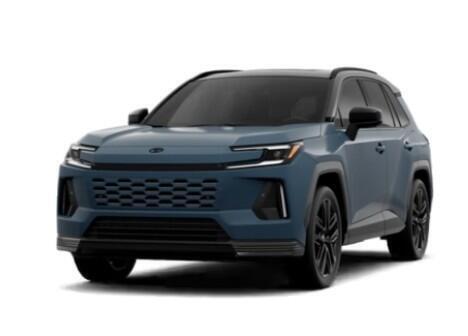
Choosing between the Toyota RAV4 and Honda CR-V in New Zealand is a bit like choosing between two excellent hiking boots. Both are comfortable, trustworthy, family-friendly and ready for unpredictable weather. Yet one may fit your lifestyle noticeably better once we examine how you actually drive.
The RAV4 leans towards electrification, efficiency and adventure-ready versatility. Toyota’s sixth-generation New Zealand range offers hybrid and plug-in hybrid powertrains, with front-wheel-drive and all-wheel-drive configurations available across several grades. The CR-V takes a slightly different path, mixing more affordable 1.5-litre turbo-petrol models with two-motor e hybrid options.
So, which SUV deserves space in your driveway?
For many Kiwi households, the Toyota RAV4 will be the more economical and versatile all-rounder. The Honda CR-V, however, fights back with a beautifully spacious cabin, comfortable road manners and a refined hybrid system.
Let’s compare them properly.
- Toyota RAV4 vs Honda CR-V NZ: Quick Verdict
- 2026 New Zealand Range Overview
- Exterior Design: Rugged or Refined?
- Interior Quality and Driving Environment
- Passenger Space and Family Practicality
- Boot Space and Cargo Capacity
- Engine and Hybrid Performance
- Fuel Economy and Everyday Running Costs
- Ride Comfort and Handling
- All-Wheel Drive and New Zealand Conditions
- Towing Capacity
- Technology and Infotainment
- Safety Comparison
- Warranty and Ownership Support
- Resale Value and Long-Term Appeal
- Which Toyota RAV4 Should We Choose?
- Which Honda CR-V Should We Choose?
- Toyota RAV4 vs Honda CR-V for Different Kiwi Drivers
- Toyota RAV4 Pros and Cons
- Honda CR-V Pros and Cons
- Final Verdict: Toyota RAV4 or Honda CR-V?
- Frequently Asked Questions
Toyota RAV4 vs Honda CR-V NZ: Quick Verdict
The Toyota RAV4 is our overall winner because its broader electrified range, available plug-in hybrid technology, stronger towing capability in selected AWD versions and competitive ownership package make it suitable for a wider variety of New Zealand drivers.
The Honda CR-V is the better choice for interior comfort and passenger space. Its sliding and reclining second row, large cargo area and relaxed driving character make it especially appealing to families that spend plenty of time on the road.
Our simple verdict looks like this:
- Best overall: Toyota RAV4
- Best for passenger comfort: Honda CR-V
- Best for regular urban driving: Toyota RAV4 Hybrid
- Best entry-level value: Honda CR-V X
- Best for towing: Toyota RAV4 AWD Hybrid or PHEV
- Best premium family cabin: Honda CR-V Hybrid RS AWD
- Best performance option: Toyota RAV4 GR SPORT PHEV
- Best for drivers without home charging: Either conventional hybrid
- Best for short commutes with home charging: Toyota RAV4 PHEV
Neither vehicle is a poor choice. We are really deciding which flavour of competence suits us better.
2026 New Zealand Range Overview
This comparison requires a little care because the two manufacturers structure their line-ups differently.
Toyota has launched a new-generation RAV4 range centred entirely around electrification. New Zealand buyers can choose between self-charging hybrid and plug-in hybrid powertrains, along with front-wheel-drive and E-Four all-wheel-drive configurations. Toyota also divides the range into Core, Adventure and GR SPORT personalities.
Honda’s 2026 CR-V range includes four main choices:
- CR-V X with a 1.5-litre turbo engine and front-wheel drive
- CR-V L AWD with a 1.5-litre turbo engine
- CR-V Hybrid X with a 2.0-litre two-motor hybrid system and front-wheel drive
- CR-V Hybrid RS AWD with the two-motor hybrid system and all-wheel drive
Honda’s advertised prices begin at NZ$51,000 plus NZ$1,395 in on-road costs for the CR-V X. The L AWD starts at NZ$59,000 plus on-road costs, the Hybrid X at NZ$62,000, and the Hybrid RS AWD at NZ$75,000.
That gives Honda an accessible petrol-powered entry point. Toyota’s approach is more future-facing: instead of offering a cheaper non-hybrid RAV4, it asks buyers to enter the range through an electrified model.
At-a-Glance Comparison
| Category | Toyota RAV4 | Honda CR-V |
|---|---|---|
| Body style | Five-seat medium SUV | Five-seat medium SUV |
| Petrol-only option | No current NZ option | Yes |
| Hybrid option | Yes | Yes |
| Plug-in hybrid option | Yes | No |
| Front-wheel drive | Available | Available |
| All-wheel drive | Available | Available |
| Maximum cited towing capacity | Up to 1,500kg braked on selected AWD grades | 750kg braked for CR-V Hybrid X |
| Entry price advantage | Depends on selected RAV4 grade | CR-V X starts at NZ$51,000 plus ORC |
| Cabin strength | Technology and broad specification | Passenger and cargo space |
| Performance flagship | 227kW GR SPORT PHEV | Hybrid RS AWD |
Specifications vary by grade, so buyers should compare equivalent versions rather than treating every RAV4 or CR-V as mechanically identical.
Exterior Design: Rugged or Refined?
Toyota RAV4 Styling
The RAV4 looks like it packed hiking boots before leaving the design studio. Its shape is angular, planted and deliberately rugged. Strong wheel arches and squared-off details help it look prepared for gravel roads, even when it spends most of its life outside a supermarket.
Toyota now offers three visual themes. Core models provide the clean, mainstream RAV4 appearance. Adventure versions lean harder into the outdoor aesthetic, while the GR SPORT PHEV adds performance-oriented bumpers, a wider track, 20-inch wheels, red brake callipers and model-specific aerodynamic details.
That variety matters. The RAV4 can look sensible, adventurous or unexpectedly sporty depending on the version we choose.
Honda CR-V Styling
The CR-V takes the calmer route. Its long bonnet, upright grille and restrained body lines create a smart, mature appearance. It looks substantial without shouting about it.
Where the RAV4 resembles an outdoor jacket with reinforced elbows, the CR-V is more like a well-tailored raincoat. It still handles bad weather, but it appears more polished while doing so.
The CR-V Hybrid RS AWD adds black exterior details, RS badging, sports bumpers, roof rails and 19-inch black alloy wheels. It looks noticeably sportier than the standard models without becoming overly theatrical.
Which SUV Looks Better?
Design is subjective, but our view is straightforward:
- Choose the RAV4 for a tougher, more adventurous presence.
- Choose the CR-V for a cleaner and more sophisticated appearance.
- Choose the RAV4 GR SPORT for maximum visual drama.
- Choose the CR-V Hybrid RS AWD for understated sportiness.
Interior Quality and Driving Environment
Inside the Toyota RAV4
The new RAV4 cabin places greater emphasis on displays, connectivity and useful everyday technology.
Higher-grade versions can include a 12.9-inch touchscreen, wireless Apple CarPlay and Android Auto, satellite navigation, dual wireless phone charging, a head-up display and a nine-speaker JBL audio system. The Limited Hybrid AWD also offers heated and ventilated front seats, heated outer rear seats and a digital rear-view mirror.
The overall design feels purposeful rather than delicate. Buttons and controls are intended to remain usable when the road becomes rough or the driver is wearing gloves.
That practical character suits New Zealand well. A family SUV should not feel like a fragile display cabinet. It needs to tolerate wet jackets, takeaway coffee, sports equipment, muddy footwear and the occasional energetic dog.
Inside the Honda CR-V
The CR-V cabin is one of its strongest arguments.
Its dashboard is simple, wide and easy to understand. The interior does not try to impress us with unnecessary complexity. Instead, it focuses on comfortable seating, good visibility and a sense of openness.
Current New Zealand models use a nine-inch infotainment display with Google services, while selected versions add wireless charging, a 10.2-inch digital driver display, a 360-degree camera and leather-appointed upholstery.
The top Hybrid RS AWD raises the luxury level with:
- Heated and ventilated front seats
- Heated rear seats
- Heated steering wheel
- Head-up display
- Panoramic sunroof
- Ambient interior lighting
- Leather-appointed RS seats
- 360-degree camera
It is an inviting place to spend several hours. The CR-V feels less like equipment for an expedition and more like a comfortable lounge that happens to travel.
Interior Winner: Honda CR-V
The RAV4 has an impressive technology package, particularly in upper grades. However, the CR-V wins this category because its cabin feels more spacious, relaxed and naturally family-friendly.
Passenger Space and Family Practicality
The Honda CR-V makes exceptionally good use of its footprint.
Its second row slides and offers up to 32 degrees of recline, allowing families to balance passenger comfort and luggage room. That adjustability becomes valuable when carrying rear-facing child seats, tall teenagers or adults on longer journeys.
The flat, open rear seating area also makes it easier to move across the cabin, help children with seatbelts or load awkward items.
The RAV4 remains a practical five-seat SUV. Adults can travel comfortably in the rear, and its upright body provides useful headroom. However, the Honda generally feels airier and gives passengers more flexibility.
Which Is Better for Child Seats?
Both vehicles are appropriate family SUVs, but the CR-V’s sliding rear bench can make everyday life easier.
Imagine installing a bulky rear-facing child seat. In the CR-V, we may be able to slide the rear seat slightly backwards to create additional clearance. Later, when we need more boot space, we can move it forward again.
That sounds like a small detail in a showroom. After six months of school runs, it can feel like a minor superpower.
Which Is Better for Tall Passengers?
The Honda CR-V is usually the stronger choice for families with tall rear-seat passengers. Its generous legroom and reclining bench give adults more opportunities to find a comfortable position.
The RAV4 still works well for four adults, but the CR-V creates the more relaxed long-distance environment.
Boot Space and Cargo Capacity
Honda lists 581 litres of boot capacity for the CR-V Hybrid X and 1,636 litres when the rear seats are folded and luggage is loaded to the roof. The petrol CR-V L AWD is listed with 589 litres of rear capacity.
Those are strong numbers for a five-seat medium SUV.
The boot opening is wide, the floor is usefully shaped and the adjustable rear seats make it easier to choose between legroom and cargo volume. Pushchairs, shopping bags, camping gear and suitcases should fit without requiring a game of luggage Tetris.
The RAV4 also provides a practical, square cargo area. Its advantage is not necessarily a dramatic difference in everyday usable volume, but the wider range of powertrain and towing choices available to buyers carrying equipment beyond the boot.
Boot-Space Winner: Honda CR-V
For pure family cargo practicality, we give the victory to the Honda.
The CR-V is particularly appealing when most of our equipment travels inside the vehicle. The RAV4 becomes more attractive when our lifestyle includes trailers, bike carriers or a small boat.
Engine and Hybrid Performance
Toyota RAV4 Hybrid
The RAV4 Hybrid uses a 2.5-litre petrol-electric system. In the Limited Hybrid AWD, Toyota quotes total system output of 143kW. Power reaches the rear axle through an electric motor in the E-Four AWD system, meaning there is no traditional mechanical driveshaft linking the engine to the rear wheels.
Around town, the hybrid system can move between petrol and electric assistance smoothly. There is no need to connect it to a charger because the battery is replenished while driving and through regenerative braking.
The result is an easy, low-effort driving experience. It is not designed to feel like a sports car, but it responds confidently when joining a motorway or overtaking slower traffic.
Toyota RAV4 Plug-In Hybrid
The RAV4 PHEV is the performance heavyweight of this comparison.
The GR SPORT version produces a quoted 227kW from its 2.5-litre plug-in hybrid system. It uses a 22.7kWh battery, intelligent E-Four AWD and model-specific suspension and steering tuning.
That transforms the RAV4 from a sensible hybrid SUV into something much quicker and more engaging.
A plug-in hybrid works best when we charge it regularly. Drivers with a driveway, garage or workplace charger may complete many short journeys using primarily electric energy. When the battery’s usable electric charge is depleted, the petrol engine allows the vehicle to continue without the range limitations of a fully electric SUV.
However, buying a PHEV and rarely charging it is like purchasing a reusable water bottle and filling it with disposable cups. It still functions, but we miss the point.
Honda CR-V 1.5 Turbo
The CR-V X and L AWD use a 1.5-litre turbocharged petrol engine with a continuously variable transmission.
In the AWD version, Honda quotes 140kW and 240Nm. The power delivery is smooth, predictable and adequate for ordinary New Zealand driving.
The turbo model may suit buyers who:
- Drive relatively low annual kilometres
- Prefer a lower initial purchase price
- Do not specifically want a hybrid
- Need AWD but cannot justify the Hybrid RS AWD
- Mainly travel on open roads rather than congested city streets
The engine can become more audible under strong acceleration because of the CVT, but it performs its family-SUV role without difficulty.
Honda CR-V e Hybrid
Honda’s e system uses a 2.0-litre petrol engine, two electric motors and an electronic transmission.
In many everyday situations, the petrol engine generates electricity while the electric drive motor moves the vehicle. At suitable higher speeds, the engine can connect more directly to the wheels.
The Hybrid X’s electric motor is rated at 135kW and 335Nm, while Honda lists combined fuel use at 5.5L/100km under its cited test standard.
The system feels natural in town because the electric motor provides immediate response. Unlike some conventional CVT-equipped vehicles, the Honda hybrid can deliver acceleration that feels direct and deliberate.
Performance Winner: Toyota RAV4
The CR-V Hybrid is refined and pleasant, but the RAV4 wins because Toyota offers a greater spread of electrified performance. The conventional hybrid handles everyday driving efficiently, while the PHEV provides substantially more power.
Fuel Economy and Everyday Running Costs
Fuel economy depends on the exact model, route, weather, tyres, traffic and driving style. A hybrid that spends its life on short urban trips may perform differently from one covering long, fast journeys between cities.
The Honda CR-V Hybrid X carries an official combined figure of 5.5L/100km.
The Toyota hybrid should also appeal strongly to drivers facing regular stop-start traffic. Toyota’s hybrid system can recover energy during deceleration and use electric assistance at low speeds, where a conventional petrol engine is often least efficient.
This content may interest you! Toyota RAV4 vs Hyundai Tucson New Zealand: Which SUV Is the Better Buy?
City Driving
For Auckland, Wellington, Christchurch or other urban areas, we favour the RAV4 Hybrid by a narrow margin.
Toyota has extensive experience tuning this type of hybrid system for stop-start driving. It feels effortless and requires no behavioural change beyond filling the petrol tank normally.
The CR-V Hybrid is also highly effective in town and may feel smoother under initial acceleration. The real difference in fuel expense could be relatively modest, depending on the route.
Motorway and Open-Road Driving
At constant motorway speeds, the advantage of any non-plug-in hybrid tends to shrink because there are fewer opportunities for regenerative braking.
The CR-V’s calm cabin and comfortable ride make it an excellent long-distance companion. The RAV4 counters with strong stability and a wider choice of AWD models.
PHEV Economics
The RAV4 PHEV can produce the lowest petrol consumption for drivers who:
- Charge frequently
- Complete many short or medium-length trips
- Have access to reasonably priced electricity
- Avoid carrying an empty battery around for most journeys
For drivers unable to charge at home or work, a conventional RAV4 Hybrid or CR-V Hybrid is likely to be the simpler choice.
Efficiency Winner: Toyota RAV4
The RAV4 wins because buyers can choose either a self-charging hybrid or a plug-in hybrid. Honda offers an excellent conventional hybrid, but no CR-V PHEV in the current New Zealand range.
Ride Comfort and Handling
How the RAV4 Drives
The RAV4 feels composed and secure. Its steering is easy to judge, visibility is good and the body remains controlled through bends.
The Adventure and GR SPORT personalities create a slightly more assertive character than we normally expect from a practical hybrid SUV. The GR SPORT goes further with revised dampers, steering and a wider track.
Regular versions prioritise predictable control over excitement. That is exactly what many families need.
How the CR-V Drives
The CR-V places more emphasis on comfort.
Its suspension handles imperfect road surfaces with a mature, settled response. It is easy to drive smoothly, and the steering rarely demands unnecessary effort.
The Honda feels particularly well suited to long journeys with passengers. It does not constantly remind us that we are driving. Instead, it quietly reduces fatigue.
Ride-Comfort Winner: Honda CR-V
The CR-V is our choice for ride comfort and relaxed touring. The RAV4 feels slightly more adventure-oriented, while the Honda behaves like the calmer road-trip companion.
All-Wheel Drive and New Zealand Conditions
New Zealand drivers do not need AWD simply because the vehicle is an SUV.
Front-wheel drive is usually sufficient for commuting, motorway driving and well-maintained sealed roads. Good tyres often make a greater everyday difference than an AWD badge.
AWD becomes more valuable when we frequently face:
- Wet grass
- Gravel driveways
- Steep rural roads
- Ski-field access routes
- Boat ramps
- Slippery campsites
- Repeated winter travel
The RAV4’s E-Four system uses a dedicated rear electric motor to add traction when required. Toyota describes it as operating automatically during acceleration and cornering, including on wet or uneven surfaces.
Honda offers AWD in the CR-V L and Hybrid RS. These models provide additional confidence without pretending to be serious off-road vehicles.
AWD Winner: Toyota RAV4
The RAV4 wins because AWD is available across a broader electrified package and is paired with stronger towing capability in selected grades.
Neither SUV replaces a proper low-range four-wheel drive for demanding off-road use.
Towing Capacity
Towing creates one of the clearest differences.
Toyota quotes up to 1,500kg braked towing capacity for the RAV4 Limited Hybrid AWD and GR SPORT PHEV AWD.
Honda lists the CR-V Hybrid X at 750kg braked and 600kg unbraked.
Exact limits differ by grade, so we must check the specification and tow-bar requirements for the particular vehicle we intend to buy.
For towing a small trailer, the CR-V may be perfectly adequate. For a lightweight caravan, small boat or heavier equipment, selected RAV4 AWD models provide a much more useful ceiling.
Towing Winner: Toyota RAV4
This is a decisive victory for the Toyota.
Technology and Infotainment
Honda includes a nine-inch touchscreen with Google Automotive services in the 2026 CR-V range. Depending on the grade, buyers can also receive wireless phone charging, a 10.2-inch driver display, Honda Connect features and a 360-degree camera.
The integrated Google environment will appeal to drivers who regularly use Google Maps, voice commands and connected services.
Toyota’s high-grade RAV4 models feature a larger 12.9-inch display, wireless Apple CarPlay and Android Auto, connected services through the myToyota app, dual wireless charging and available JBL audio.
Technology Winner: Toyota RAV4
Toyota wins for screen size and the breadth of equipment in premium versions. Honda’s interface may be preferable for drivers who value integrated Google functionality and simplicity.
Safety Comparison
The current CR-V received a four-star ANCAP rating in 2024, with scores of 88% for adult-occupant protection, 88% for child-occupant protection, 76% for vulnerable-road-user protection and 68% for safety assistance.
The previous-generation RAV4 held a five-star ANCAP rating based on 2019 testing, but that rating expired in December 2025. It does not automatically serve as a current rating for the new sixth-generation vehicle.
That distinction is important. We should not present an expired rating for the older model as though it were a fresh assessment of the redesigned RAV4.
The new-generation Toyota introduces upgraded assistance technology, including an Emergency Driving Stop System designed to bring the vehicle to a controlled halt if the driver becomes unresponsive.
Honda Sensing includes systems such as adaptive cruise control, low-speed follow, collision-mitigation braking, lane-keeping assistance, traffic-jam assistance and road-departure mitigation. Equipment varies by grade.
Safety Verdict
Both SUVs offer substantial active-safety equipment, but the comparison is not perfectly equal because their ANCAP assessments come from different testing years and protocols.
The Honda has a current four-star rating. The newly redesigned RAV4 should be judged by its applicable current-generation rating once confirmed rather than by the expired result of the previous model.
Warranty and Ownership Support
Honda advertises up to five years of warranty coverage, structured as a three-year manufacturer warranty plus a two-year distributor extension, with unlimited kilometres and conditions attached to the extension. It also provides roadside assistance while the vehicle remains under warranty. Honda’s e battery is covered for eight years or 160,000km, whichever comes first.
Toyota’s ownership package includes five years of warranty and five years of roadside assistance when servicing and other eligibility requirements are met. Toyota also promotes its Service Advantage package as part of the driveaway-price proposition.
Both brands have established New Zealand support networks. Honda states that it has 31 outlets nationwide, while Toyota operates through authorised stores around the country.
Ownership Winner: Toyota RAV4 by a Narrow Margin
Toyota’s package feels especially cohesive because warranty, roadside assistance and service benefits are presented together. Honda remains competitive, particularly with its unlimited-kilometre warranty structure and clearly stated hybrid-battery coverage.
Buyers should read the servicing conditions carefully. A five-year promise can contain requirements that matter more than the large number printed in the brochure.
Resale Value and Long-Term Appeal
Both Toyota and Honda have strong reputations among New Zealand buyers.
The RAV4’s popularity and widely recognised hybrid system may support strong demand in the used market. Its broad appeal matters: families, fleets, commuters and outdoor-focused drivers can all understand what a RAV4 offers.
The CR-V also has a loyal following. Its spacious cabin and long-running reputation as a practical family SUV should help it remain desirable.
Predicting resale value is never exact. Future fuel prices, vehicle supply, mileage, condition, service records and changes in taxation can all influence the eventual sale price.
Still, we would expect the RAV4 Hybrid to be the safer resale bet because of the Toyota name, widespread hybrid familiarity and the model’s broad market recognition.
Which Toyota RAV4 Should We Choose?
Choose a RAV4 Hybrid FWD When:
- Most journeys are on sealed roads
- Fuel economy matters
- We do not tow heavy loads
- We want lower complexity than a PHEV
- Home charging is unavailable
Choose a RAV4 Hybrid AWD When:
- We regularly travel on gravel or slippery surfaces
- We want up to 1,500kg of towing capacity in an applicable grade
- Winter traction matters
- We carry outdoor equipment
- We prefer additional all-weather confidence
Choose a RAV4 PHEV When:
- Home or workplace charging is available
- Daily journeys are relatively short
- We want stronger performance
- We still need petrol for longer trips
- The higher purchase price fits our budget
Choose the RAV4 GR SPORT PHEV When:
- Performance is a genuine priority
- We want 227kW
- Sportier suspension and steering appeal to us
- We like bold exterior styling
- We do not mind large 20-inch wheels and premium pricing
Which Honda CR-V Should We Choose?
Choose the CR-V X When:
- We want the lowest entry price
- Front-wheel drive is sufficient
- A petrol engine suits our annual mileage
- We want a spacious family SUV for NZ$51,000 plus on-road costs
Choose the CR-V L AWD When:
- AWD is important
- We prefer a turbo-petrol engine
- Leather-appointed seats and a 360-degree camera matter
- We want to avoid the price of the Hybrid RS AWD
Choose the CR-V Hybrid X When:
- Efficiency is more important than AWD
- We drive regularly in urban traffic
- A smooth hybrid powertrain appeals to us
- We want the hybrid without luxury-grade pricing
Choose the CR-V Hybrid RS AWD When:
- We want the most luxurious CR-V
- AWD is required
- Rear-seat comfort is a major priority
- Features such as ventilated seats, a head-up display and panoramic roof justify the NZ$75,000 starting price
Toyota RAV4 vs Honda CR-V for Different Kiwi Drivers
Best for Auckland Commuters: Toyota RAV4 Hybrid
Frequent congestion allows the Toyota hybrid system to use regenerative braking and electric assistance effectively. It also removes the need to plug in.
Best for Wellington Families: Honda CR-V
The roomy cabin, good visibility and comfortable suspension work well for urban hills, family duties and longer weekend journeys.
Best for South Island Road Trips: Honda CR-V
The CR-V’s relaxed ride and generous rear-seat space make it a natural touring vehicle.
Best for Ski Trips: Toyota RAV4 AWD
Its E-Four AWD availability and adventure-focused character make it our preferred option, although suitable tyres remain essential.
Best for Towing a Small Boat: Toyota RAV4 AWD
Selected RAV4 grades offer double the cited braked towing capacity of the CR-V Hybrid X.
Best for Families Carrying Everything Inside: Honda CR-V
The adaptable second row and large boot give the Honda an advantage when the load consists of people, bags and pushchairs rather than trailers.
Toyota RAV4 Pros and Cons
Advantages
- Wide choice of hybrid and plug-in hybrid models
- Available front-wheel drive and AWD
- Strong towing capacity in selected versions
- Efficient urban performance
- Rugged styling
- Powerful GR SPORT PHEV option
- Strong ownership package
- Likely broad resale appeal
Disadvantages
- No cheaper petrol-only entry model
- Premium versions can become expensive
- Some buyers may prefer the CR-V’s more spacious cabin
- PHEV savings depend on regular charging
- Current-generation safety rating should be checked separately from the expired previous-generation result
Honda CR-V Pros and Cons
Advantages
- Excellent passenger space
- Sliding and reclining second row
- Large, useful boot
- Comfortable ride
- Affordable petrol entry model
- Smooth e hybrid system
- Available AWD
- Well-designed, straightforward cabin
Disadvantages
- No plug-in hybrid option
- Hybrid RS AWD is relatively expensive
- Lower towing limit than selected RAV4 AWD models
- Four-star 2024 ANCAP rating rather than five stars
- Hybrid AWD is restricted to the top RS grade
- The turbo-petrol models may use more fuel in urban traffic than the hybrids
Final Verdict: Toyota RAV4 or Honda CR-V?
The Toyota RAV4 wins this New Zealand comparison, but not because it crushes the Honda in every category.
It wins because it casts a wider net.
The RAV4 can be an efficient city hybrid, an AWD family vehicle, a capable light-towing SUV or a 227kW plug-in hybrid with performance ambitions. Toyota gives us more ways to adapt the vehicle to our lifestyle.
The Honda CR-V remains deeply impressive. In fact, families prioritising rear-seat comfort, boot space and a smooth ride may find it more pleasant every single day. It feels thoughtful, spacious and remarkably easy to live with.
Our final recommendation is:
- Buy the Toyota RAV4 Hybrid for the strongest overall balance.
- Buy the RAV4 AWD when towing or slippery-road traction matters.
- Buy the RAV4 PHEV when regular charging is realistic.
- Buy the Honda CR-V Hybrid X for efficient family comfort.
- Buy the CR-V Hybrid RS AWD when cabin luxury matters more than price.
- Buy the CR-V X when we want maximum space at the lowest entry cost.
The smartest decision is not simply choosing the model with the longest equipment list. We should test-drive equivalent grades over roads similar to those we use every week.
After all, a family SUV is not purchased for a ten-minute showroom visit. It becomes the background to school runs, holidays, rainy mornings, grocery trips and thousands of ordinary kilometres.
That is where the real winner reveals itself.
Frequently Asked Questions
1. Is the Toyota RAV4 better than the Honda CR-V in New Zealand?
The Toyota RAV4 is better for buyers who prioritise electrified powertrains, towing capacity, AWD availability and overall versatility. The Honda CR-V is better for drivers who place passenger space, boot practicality and ride comfort first.
2. Which is more fuel-efficient, the RAV4 or CR-V?
Both conventional hybrid models are designed to reduce fuel consumption, especially in urban traffic. Honda lists the CR-V Hybrid X at 5.5L/100km under its cited test standard. The RAV4 PHEV may use less petrol for drivers who charge it regularly and complete many journeys within its usable electric range.
3. Which SUV has more boot space?
Honda lists up to 581 litres for the CR-V Hybrid X and 589 litres for the CR-V L AWD. The CR-V’s sliding second row also makes its cargo area particularly adaptable, giving it the practical advantage for many families.
4. Which is better for towing, the Toyota RAV4 or Honda CR-V?
The Toyota RAV4 is better for towing. Selected AWD hybrid and plug-in hybrid grades are rated to tow up to 1,500kg braked, while Honda lists the CR-V Hybrid X at 750kg braked. Always confirm the limit for the exact variant before attaching a trailer.
This content may interest you!Toyota RAV4 vs Mitsubishi Outlander New Zealand: Which SUV Is Better?5. Should we buy the RAV4 PHEV or CR-V Hybrid?
Choose the RAV4 PHEV when you can charge regularly, want stronger performance and complete plenty of shorter journeys. Choose the CR-V Hybrid when you want a simpler self-charging system, a spacious cabin and no need to connect the vehicle to a charger.
Leave a Reply