
Toyota RAV4 vs Kia Sportage New Zealand: Which Hybrid SUV Is Better?
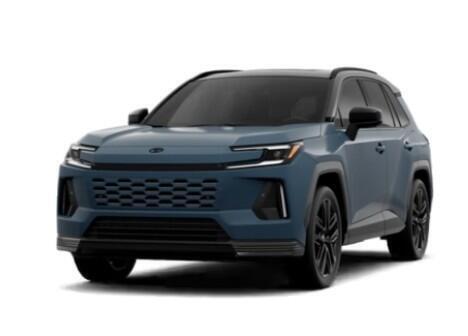
Choosing between the Toyota RAV4 and Kia Sportage in New Zealand is no longer a simple battle between proven reliability and generous equipment. Both SUVs have evolved, both now lean heavily into hybrid technology, and both are designed for the same broad Kiwi lifestyle: weekday commuting, school runs, supermarket missions, wet motorway journeys and weekends involving far more luggage than anyone originally planned.
Yet they approach the job differently.
The Toyota RAV4 feels like the seasoned traveller who packs sensibly, checks the weather and never forgets the emergency torch. The Kia Sportage is the more expressive friend who arrives with better gadgets, sharper clothes and enough interior technology to make the journey feel like an event.
For 2026, Toyota has introduced a new-generation RAV4 in New Zealand with hybrid and plug-in hybrid powertrains, upgraded safety technology and connected services. Kia, meanwhile, offers the Sportage exclusively as a turbocharged full hybrid across Light, Earth and X-Line grades, with both front-wheel-drive and all-wheel-drive configurations.
So, which one deserves a place in your driveway? Let us compare them properly.
- Toyota RAV4 vs Kia Sportage NZ at a Glance
- Which SUV Is Cheaper in New Zealand?
- Hybrid Performance: RAV4 vs Sportage
- Fuel Economy in Real Kiwi Driving
- The RAV4 Plug-in Hybrid Changes the Conversation
- Exterior Design: Conservative or Contemporary?
- Interior Quality and Cabin Design
- Infotainment and Connectivity
- Passenger Space and Family Practicality
- Boot Space and Everyday Usability
- Ride Comfort and Handling
- AWD Capability in New Zealand Conditions
- Towing Capacity
- Safety Technology
- Warranty and Servicing
- Reliability and Long-Term Ownership
- An Important Note About Fuel Grade
- Which RAV4 Grade Offers the Best Value?
- Which Sportage Grade Offers the Best Value?
- RAV4 vs Sportage for Different Kiwi Buyers
- The Case for the Toyota RAV4
- The Case for the Kia Sportage
- Toyota RAV4 vs Kia Sportage New Zealand: Final Verdict
- Frequently Asked Questions
Toyota RAV4 vs Kia Sportage NZ at a Glance
Before diving into every detail, here is the broad picture.
| Category | Toyota RAV4 | Kia Sportage |
|---|---|---|
| Main powertrains | Hybrid and plug-in hybrid | Full hybrid |
| Hybrid engine | 2.5-litre petrol hybrid | 1.6-litre turbo petrol hybrid |
| Hybrid system output | 143kW | 173kW |
| Drivetrain options | FWD and AWD | FWD and AWD |
| Entry pricing structure | Toyota Driveaway Price | From $49,990 plus ORC |
| Maximum hybrid towing | Up to 1,500kg braked | Grade-dependent |
| Main strengths | Efficiency, ownership package, practicality | Performance, technology, cabin presentation |
| Best suited to | Long-term, low-fuss ownership | Feature-focused family buyers |
The table already reveals the central theme. The RAV4 prioritises calm efficiency and ownership simplicity, while the Sportage offers more outright hybrid power and a more technology-heavy personality.
Which SUV Is Cheaper in New Zealand?
Kia Sportage Hybrid Pricing
The Kia Sportage Hybrid range starts at $49,990 plus on-road costs for the Light 2WD. Moving to all-wheel drive adds $5,000 at each equipment level.
Current advertised pricing is:
- Sportage HEV Light 2WD: $49,990 plus ORC
- Sportage HEV Light AWD: $54,990 plus ORC
- Sportage HEV Earth 2WD: $54,990 plus ORC
- Sportage HEV Earth AWD: $59,990 plus ORC
- Sportage HEV X-Line 2WD: $59,990 plus ORC
- Sportage HEV X-Line AWD: $64,990 plus ORC
These prices include GST but exclude on-road costs. Kia was also advertising a limited four-year or 40,000km service-plan promotion across the Sportage range between July and September 2026, subject to its campaign conditions.
That six-model structure is refreshingly logical. Choose your equipment level, then decide whether you need front-wheel drive or all-wheel drive. No decoder ring required.
Toyota RAV4 Pricing
Toyota’s pricing is structured differently because it uses a Toyota Driveaway Price. This normally includes registration, on-road preparation, floor mats and other costs needed to put the vehicle legally on the road. It can therefore be misleading to compare a Toyota driveaway figure directly with a Kia price listed before on-road costs.
For reference, the 2026 RAV4 Adventure Hybrid AWD is advertised at $62,990 driveaway, while the RAV4 Limited Hybrid AWD is listed at $65,990 driveaway.
Toyota also offers a broader range than Kia because buyers can select conventional self-charging hybrid or plug-in hybrid variants. The PHEV models naturally sit higher in the pricing structure but offer meaningful electric-only driving potential.
Price Verdict
The Kia Sportage presents the clearer low-entry price, particularly in Light 2WD form. However, remember to add on-road costs before making a genuine showroom comparison.
The RAV4 becomes more competitive once its included ownership package is considered. Toyota’s driveaway pricing can include capped-price servicing coverage, roadside assistance, warranty extensions and selected Warrant of Fitness inspections, subject to servicing and kilometre conditions.
In other words, Kia may look cheaper on the windscreen, while Toyota may make more sense when we calculate the total ownership bill.
Hybrid Performance: RAV4 vs Sportage
Toyota RAV4 Hybrid Powertrain
The standard RAV4 Hybrid uses a 2.5-litre petrol engine combined with Toyota’s fifth-generation hybrid system. Total system output is 143kW.
Toyota has tuned the system for progressive response rather than neck-snapping acceleration. It shifts automatically between electric and petrol assistance, requiring no charging cable and very little thought from the driver.
That simplicity is part of its appeal. You fill it with fuel, drive normally and let the electronics quietly manage the rest.
Toyota offers both front-wheel drive and its E-Four all-wheel-drive system. E-Four uses a separate rear electric motor to provide additional traction when accelerating, cornering or travelling on slippery surfaces. It is particularly relevant for Kiwi drivers dealing with steep wet roads, gravel driveways or winter trips toward the mountains.
Kia Sportage Hybrid Powertrain
The Sportage takes a more muscular approach.
Its 1.6-litre turbocharged petrol engine works with a 47.7kW electric motor and a 1.49kWh lithium-ion battery. Combined system output is 173kW and 367Nm, giving the Kia a substantial paper advantage over the 143kW RAV4 Hybrid.
The Kia also uses a conventional automatic-style transmission rather than Toyota’s hybrid e-CVT arrangement. As a result, its acceleration can feel more familiar because the engine works through defined ratios rather than settling into the sustained engine note sometimes associated with Toyota hybrids.
Which One Feels Faster?
The Sportage should feel stronger when joining a fast motorway, passing slower traffic or climbing with passengers and luggage aboard. Its turbocharged torque gives it a healthy shove that the RAV4 does not attempt to imitate.
The RAV4 feels smoother and less dramatic. It gathers speed cleanly, but its powertrain seems to whisper, “We will get there efficiently,” while the Kia says, “Let us get on with it.”
For drivers who value stronger acceleration, the Sportage wins.
For drivers who value predictable, relaxed hybrid operation, the RAV4 remains deeply convincing.
Fuel Economy in Real Kiwi Driving
The Sportage Hybrid has an official combined 3P-WLTP figure of 5.4L/100km in front-wheel-drive form and 5.9L/100km with all-wheel drive.
Toyota’s hybrid system is also designed around low fuel consumption, particularly in urban traffic where regenerative braking and low-speed electric assistance can do their best work. Toyota itself highlights fuel economy as one of the primary reasons New Zealand customers choose the RAV4.
In everyday use, several variables matter more than a decimal point on a brochure:
- Short journeys generally favour hybrid systems.
- Cold weather can increase fuel use.
- AWD versions usually consume more than FWD models.
- Roof boxes, heavy loads and towing affect both SUVs.
- Highway-only drivers may see a smaller hybrid advantage than urban commuters.
- Aggressive acceleration can quickly erase laboratory efficiency gains.
The RAV4 is likely to be the safer choice for drivers prioritising fuel economy above performance. Toyota has refined its hybrid system over many generations, and its calibration tends to encourage smooth, efficient progress.
The Sportage is still impressively economical considering its 173kW output. Think of it as an SUV that keeps one running shoe in the performance cupboard without emptying the fuel tank for fun.
The RAV4 Plug-in Hybrid Changes the Conversation
One major advantage for Toyota is the availability of a RAV4 Plug-in Hybrid.
Unlike the normal RAV4 Hybrid and Kia Sportage Hybrid, the RAV4 PHEV can be connected to an external power supply. It can charge from a domestic socket, home wall charger or compatible public charger. Once the stored electrical energy has been used, it continues operating as a petrol hybrid rather than becoming stranded.
This content may interest you! Toyota RAV4 vs Honda CR-V New Zealand: Which SUV Is Better?
Toyota lists total output of:
- 201kW for the front-wheel-drive PHEV
- 227kW for the all-wheel-drive PHEV
That makes the plug-in RAV4 much more powerful than the regular hybrid and potentially cheaper to run for owners who can charge regularly.
Who Should Buy the PHEV?
The RAV4 PHEV makes the most sense when:
- You can charge at home or work.
- Most daily journeys are relatively short.
- You still make long intercity trips.
- You want EV-like commuting without depending entirely on public charging.
- You are comfortable paying more upfront.
Without regular charging, much of the PHEV’s financial and environmental advantage disappears. Buying one without plugging it in is a little like carrying a raincoat but refusing to take it out of the bag.
Exterior Design: Conservative or Contemporary?
Toyota RAV4 Styling
The new-generation RAV4 looks cleaner and more modern than its predecessor, but Toyota has wisely avoided turning it into a fashion experiment.
Three design personalities are offered:
- Core for mainstream family use
- Adventure for a tougher outdoor appearance
- GR Sport for a more athletic look
Adventure models receive distinctive bumpers, broader-looking exterior details, raised roof rails and rugged visual touches. GR Sport models add performance-inspired styling, larger wheels and suspension revisions.
The RAV4 still looks like equipment rather than jewellery. That is not an insult. Its chunky proportions suit muddy trailheads, rural roads and crowded supermarket car parks equally well.
Kia Sportage Styling
The Sportage is more theatrical.
Kia’s design philosophy embraces contrast, distinctive lighting and a sharper road presence. The Sportage looks lower, wider and more urban, even when its actual dimensions remain firmly within the mid-size SUV class.
Park both vehicles beside a modern Auckland townhouse and the Sportage will probably attract the first glance. Park them beside a gravel road leading to a DOC campsite and the RAV4 may appear more naturally at home.
Design Verdict
Choose the RAV4 if you prefer robust, functional styling that is unlikely to age quickly.
Choose the Sportage if you want your family SUV to look modern, polished and slightly more expensive than it really is.
Interior Quality and Cabin Design
The Kia gains one of its clearest advantages when we open the doors.
Its dashboard feels more visually ambitious, particularly in upper grades. Large digital displays, touch-sensitive controls, ambient lighting and neatly integrated technology give it the atmosphere of a vehicle from a more expensive class.
The X-Line adds many of the details buyers notice during a short test drive: premium materials, upgraded audio, additional camera technology and a richer overall presentation.
The RAV4 interior is more straightforward. Toyota has modernised the digital instrumentation and infotainment system, but the cabin still prioritises ease of use. Controls are logically positioned, storage areas are practical and the design avoids unnecessary theatre.
Which Cabin Is Better?
The Sportage wins for showroom impact.
The RAV4 wins for functional clarity.
That distinction matters. A flashy cabin can create excitement during the first month of ownership, but clear controls and sensible storage may create less irritation over the next seven years.
Infotainment and Connectivity
The 2026 RAV4 represents a significant technological step forward for Toyota.
The GX Hybrid includes:
- A 12.3-inch digital instrument display
- A 10.5-inch touchscreen
- Satellite navigation
- Wireless Apple CarPlay
- Wireless Android Auto
- Toyota Connected Services
Higher grades can receive a larger 12.9-inch touchscreen and additional comfort features. Toyota Connected Services can provide vehicle-location functions, status information, remote climate preparation and security-related features through the myToyota Connect app.
The Sportage provides Android Auto and Apple CarPlay across the range, Kia Connect with over-the-air update capability, multiple USB-C connections and smart cruise control. Wireless charging and more advanced display features become available as we move through the grade structure.
The Kia remains the more visually impressive technology package, but the new RAV4 has closed much of the old gap.
Passenger Space and Family Practicality
Both SUVs are proper five-seat family vehicles rather than oversized hatchbacks wearing hiking boots.
The Sportage excels in rear-seat comfort. Its cabin shape provides generous legroom, and the placement of charging ports is particularly useful for families. Some grades locate USB charging points near the front seatbacks, reducing the cable jungle that often appears around a family SUV’s centre console.
The RAV4 also offers comfortable space for adults in both rows, with broad door openings and a practical seating position. Its cabin feels airy and easy to enter, which matters when fitting child seats or helping older passengers aboard.
For child-seat installation, the Sportage lists two ISOFIX points and three top-tether anchorages.
Neither SUV is a seven-seater. Families needing three rows should look elsewhere, perhaps toward a Kia Sorento, Hyundai Santa Fe or another larger SUV.
Boot Space and Everyday Usability
The Sportage is exceptionally well packaged. Its load area is wide, family-friendly and easy to access. It suits prams, sports equipment, suitcases and the mysterious collection of reusable shopping bags that seems to multiply in every household.
The RAV4 counters with a squared-off load area and a strong focus on practical details. The GX Hybrid also includes a full-size spare wheel, an increasingly rare feature that could prove valuable during long trips away from major centres.
By comparison, entry Sportage Light models use a tyre mobility kit, while Earth and X-Line versions include a space-saver spare.
That may not influence a five-minute dealership inspection, but it can feel extremely important on the side of a remote road during heavy rain.
Ride Comfort and Handling
The Sportage is the more polished urban cruiser. Its suspension absorbs everyday imperfections well, its steering feels light around town and its conventional transmission contributes to a familiar driving rhythm.
This content may interest you!Toyota RAV4 vs BYD Sealion 6 New Zealand: Which Hybrid SUV Is the Smarter Buy?The RAV4 feels slightly more purposeful. Its seating position, control weights and suspension tuning create the impression of a vehicle prepared for harder use. Adventure models strengthen that character with all-wheel drive, terrain modes and outdoor-focused tyres and styling.
Neither vehicle is a sports SUV in the traditional sense.
The Sportage is smoother and more refined.
The RAV4 feels tougher and more settled when the road surface deteriorates.
Auckland, Wellington or Rural New Zealand?
For congested Auckland commuting, the Sportage’s cabin and stronger acceleration are appealing.
For Wellington’s slopes, wet roads and tight streets, either AWD model can make sense, although the Sportage’s extra torque may feel useful.
For rural properties, gravel roads and longer journeys between towns, the RAV4’s practical design and full-size spare availability give it an edge.
AWD Capability in New Zealand Conditions
Both vehicles offer all-wheel drive, but neither should be confused with a serious low-range off-roader.
The Sportage AWD system is designed primarily to improve traction and stability. It can help when roads are wet, loose or steep, and it gives the driver more confidence when travelling to ski fields or remote holiday homes.
Toyota’s E-Four arrangement uses an electric rear motor rather than a traditional mechanical connection. The system can automatically send assistance to the rear wheels as needed.
RAV4 Adventure models also offer Trail and Snow modes, tailoring the vehicle’s responses for slippery or loose surfaces.
For most New Zealand buyers, AWD is not essential. Good tyres matter enormously, and a front-wheel-drive hybrid will handle sealed-road family duties without drama.
AWD becomes worthwhile when you regularly face:
- Gravel access roads
- Steep driveways
- Winter alpine journeys
- Boat ramps
- Muddy paddocks
- Frequent heavy rain
- Light towing on uneven surfaces
Towing Capacity
The RAV4’s towing ability varies significantly by drivetrain.
The front-wheel-drive GX Hybrid is rated to tow up to 800kg braked, while RAV4 Adventure and Limited Hybrid AWD models can tow up to 1,500kg braked.
That makes the AWD RAV4 suitable for a small boat, lightweight caravan, garden trailer or equipment trailer, provided the trailer’s total loaded weight remains within the official limit.
The Sportage also includes trailer stability assistance across the range, but buyers should confirm the specific towing rating of their chosen model and towbar package with Kia New Zealand before purchase.
For regular towing, we would lean toward the RAV4 AWD. Its 1,500kg rating is clearly communicated, and its hybrid AWD system suits the vehicle’s outdoor character.
Safety Technology
Toyota Safety Sense
The latest RAV4 introduces Toyota’s upgraded Safety Sense suite.
Notable additions include an Emergency Driving Stop System, designed to slow and stop the vehicle if the driver becomes unresponsive. Toyota has also added enhanced acceleration control and improved hazard-detection technology.
Available and standard features vary by grade, but the broader package is designed to support collision avoidance, lane positioning, adaptive cruise control and driver monitoring.
Kia Safety Systems
The Sportage includes a strong list of standard assistance technology, including:
- Forward collision-avoidance assistance
- Pedestrian and cyclist detection
- Junction assistance
- Blind-spot collision-avoidance assistance
- Rear cross-traffic collision avoidance
- Lane-keeping assistance
- Lane-following assistance
- Driver-attention alert
- Intelligent speed-limit assistance
- Safe-exit warning
- Front and rear parking sensors
Upper X-Line grades add technology such as a blind-spot view monitor, surround-view camera and reverse parking collision-avoidance assistance.
The Sportage range displays a five-star ANCAP rating based on its applicable 2022 assessment. However, safety-rating protocols become more demanding over time, so consumers should consider both the rating date and the installed technology rather than looking only at the number of stars.
Safety Verdict
The Kia provides an unusually broad standard equipment list.
The new Toyota brings more recently introduced safety technology and an impressive emergency stopping function.
There is no obvious loser here. Grade-by-grade comparison matters more than brand reputation.
Warranty and Servicing
Toyota Ownership Package
A new Toyota includes a standard three-year or 100,000km warranty. Owners who meet Toyota’s servicing requirements can qualify for an additional two years, producing up to five years of warranty coverage.
Toyota Driveaway Price can also include:
- Up to five years of capped-price servicing coverage
- Up to five years of roadside assistance
- Selected Warrant of Fitness inspections
- On-road costs
Terms, servicing requirements and kilometre limits apply.
Kia Warranty
Kia’s hybrid vehicles are covered by three years or 100,000km of standard warranty plus an extended programme that can bring total coverage to seven years or 150,000km, provided the vehicle is continuously maintained by an authorised Kia dealer according to the required schedule.
The high-voltage battery receives coverage of up to eight years or 160,000km, subject to Kia’s conditions and exclusions.
Warranty Verdict
Kia wins on maximum warranty duration for the Sportage Hybrid.
Toyota responds with a more comprehensive ownership bundle, especially when capped servicing, roadside assistance and included on-road costs are considered.
A buyer planning to keep the vehicle for six or seven years may prefer Kia’s longer warranty. A buyer who values predictable servicing and simplified driveaway costs may find Toyota’s package more attractive.
This content may interest you!Toyota RAV4 vs Hyundai Tucson New Zealand: Which SUV Is the Better Buy?Reliability and Long-Term Ownership
Toyota’s hybrid reputation is one of the RAV4’s strongest selling points. The company has produced electrified vehicles at scale for decades, and many buyers choose the RAV4 specifically because they want mature, familiar technology.
That does not automatically mean the Sportage is unreliable. Kia’s modern vehicles have improved dramatically, and its long hybrid warranty demonstrates confidence in the product.
Still, long-term ownership involves more than avoiding breakdowns. We should consider:
- Dealer availability
- Parts pricing
- Service intervals
- Insurance premiums
- Tyre replacement costs
- Resale value
- Fuel requirements
- Warranty conditions
Toyota’s broad New Zealand presence and strong used-vehicle demand are meaningful advantages. RAV4 models are widely recognised, and buyers tend to understand what they are purchasing in the second-hand market.
The Sportage may depreciate more quickly in percentage terms, although that gap can vary by grade, purchase price and future market conditions. Its longer warranty can also strengthen its used-market appeal when transferable coverage remains active.
An Important Note About Fuel Grade
Toyota states that newly produced RAV4 models meeting the updated Euro 6D emissions requirements require 95-octane fuel or higher. The change relates to the gasoline particulate filter and the vehicle’s emissions-control system.
That detail matters because 95-octane petrol normally costs more than 91. Even an efficient hybrid can become slightly more expensive to operate if its fuel carries a higher per-litre price.
Before buying either vehicle, check the official fuel requirement printed inside the fuel flap and listed in the owner’s manual. Never assume that every version or production year uses the same grade.
Which RAV4 Grade Offers the Best Value?
For most buyers, the standard GX or mid-range GXL Hybrid will make more sense than the top versions.
The GX already includes modern digital displays, connected services, wireless smartphone integration, dual-zone climate control and Toyota Safety Sense. It also uses smaller 17-inch wheels, which can improve ride comfort and reduce tyre replacement costs.
The Adventure AWD is the sweet spot for buyers who genuinely use gravel roads or tow. It brings:
- E-Four AWD
- Trail and Snow modes
- 1,500kg braked towing
- Raised roof rails
- Powered tailgate
- Heated front seats
- 12.9-inch touchscreen
- 10-way powered driver’s seat
It looks tougher without entering the more specialised and expensive PHEV GR Sport territory.
Which Sportage Grade Offers the Best Value?
The Sportage Earth 2WD may be the range’s strongest all-rounder.
At $54,990 plus ORC, it sits $5,000 above the entry Light but adds equipment and a more premium appearance without reaching X-Line pricing. Buyers who stay primarily on sealed roads can save another $5,000 by choosing 2WD rather than AWD.
The Light remains appealing for budget-conscious families because the core hybrid powertrain and many safety systems are standard.
The X-Line is for buyers who want the complete visual and technology experience. Its surround-view monitor, blind-spot cameras and premium cabin touches are genuinely useful, but the $64,990 plus ORC AWD version enters the territory of more expensive alternatives.
RAV4 vs Sportage for Different Kiwi Buyers
Best for City Commuters: Kia Sportage 2WD
The Sportage 2WD combines strong hybrid performance, competitive fuel consumption and a sophisticated cabin. It feels modern during traffic-heavy daily driving and offers plenty of technology for the money.
Best for Long-Term Ownership: Toyota RAV4 Hybrid
Toyota’s hybrid experience, practical interior and bundled ownership programme create a compelling long-term proposition.
Best for Rural Drivers: Toyota RAV4 Adventure AWD
Its full-size spare availability, E-Four system, terrain modes, raised roof rails and 1,500kg towing capacity suit life beyond urban streets.
Best for Technology Lovers: Kia Sportage X-Line
The X-Line’s cameras, displays, driver-assistance systems and cabin presentation make it the more impressive digital environment.
Best for Drivers Who Can Charge at Home: Toyota RAV4 PHEV
The RAV4 PHEV can complete many everyday journeys using stored electrical energy while retaining hybrid capability for long-distance travel.
Best for Performance: Kia Sportage Hybrid
With 173kW and 367Nm, the Sportage Hybrid has a substantial output advantage over the standard 143kW RAV4 Hybrid.
The Case for the Toyota RAV4
We would choose the RAV4 for:
- Proven hybrid experience
- Straightforward controls
- Practical load area
- Available full-size spare
- Strong AWD towing capacity
- Toyota Driveaway Price
- Predictable ownership support
- Strong likely resale demand
- Availability of plug-in hybrid models
- Rugged Adventure and sporty GR Sport choices
Its weaknesses are equally clear. The standard hybrid is less powerful than the Kia, some buyers may prefer the Sportage’s interior, and the requirement for 95-octane fuel deserves consideration.
The Case for the Kia Sportage
We would choose the Sportage for:
- Stronger standard hybrid output
- Modern cabin design
- Competitive entry pricing
- Generous safety technology
- Excellent rear-seat usability
- Clear grade structure
- Long hybrid warranty
- More premium showroom atmosphere
- Standard smartphone integration
- Choice of 2WD or AWD at every grade
Its disadvantages include pricing that excludes on-road costs, tyre mobility kit use in entry grades and a less established hybrid reputation than Toyota’s.
Toyota RAV4 vs Kia Sportage New Zealand: Final Verdict
The Kia Sportage Hybrid is the better choice for buyers who prioritise performance, interior design and technology. It feels fresher, accelerates more strongly and offers an impressive amount of standard safety equipment. The Light 2WD is especially attractive for families seeking an efficient new hybrid without climbing too far beyond the $50,000 mark.
The Toyota RAV4 is the stronger all-round ownership proposition. It feels purpose-built for New Zealand’s mixture of urban traffic, open highways, gravel roads and outdoor weekends. Its hybrid system is smooth, its cabin is sensible, its towing figures are clearly defined and Toyota’s driveaway ownership package reduces financial uncertainty.
Our overall winner is the Toyota RAV4 Hybrid, but only narrowly.
The RAV4 wins because it asks less of its owner. It is the vehicle we would choose for ten years of commuting, road trips, bad weather and family life. It may not sparkle as brightly under dealership lighting, yet it has the calm competence of a good pair of hiking boots: not always exciting, but exactly what we want when the road becomes unpredictable.
The Sportage remains the better emotional purchase. It is faster, more stylish and more technologically ambitious. For many buyers, particularly those choosing a 2WD model for city use, it may actually be the more enjoyable vehicle.
The smartest decision is to test-drive comparable grades on the same day. Bring the child seat, connect the phone, inspect the boot, drive up a hill and listen carefully at motorway speed. Specifications tell us what a vehicle can do. A proper test drive tells us whether we want to live with it.
Frequently Asked Questions
1. Is the Toyota RAV4 more fuel-efficient than the Kia Sportage Hybrid?
The RAV4 Hybrid is likely to have an advantage for buyers focused primarily on low fuel use, especially in urban driving. The Sportage 2WD is officially rated at 5.4L/100km, while its AWD versions use 5.9L/100km. Real-world results depend on traffic, temperature, driving style and load.
2. Is the Kia Sportage Hybrid more powerful than the RAV4 Hybrid?
Yes. The Sportage Hybrid produces 173kW and 367Nm, while the standard 2026 RAV4 Hybrid produces 143kW. However, RAV4 plug-in hybrid versions are more powerful, producing 201kW in FWD form and 227kW with AWD.
3. Which has the better warranty in New Zealand?
The Kia Sportage Hybrid can receive up to seven years or 150,000km of vehicle warranty coverage when servicing conditions are met. Toyota offers three years or 100,000km as standard, extendable to five years when eligible servicing requirements are followed. Kia wins for maximum duration, while Toyota offers a broader ownership package.
This content may interest you!Toyota RAV4 vs Mitsubishi Outlander New Zealand: Which SUV Is Better?4. Which SUV is better for towing?
The RAV4 Hybrid AWD is a strong option, with selected Adventure and Limited models rated to tow up to 1,500kg braked. The front-wheel-drive GX Hybrid is rated at 800kg braked. Buyers should always verify the exact rating of the grade, towbar and trailer combination before towing.
5. Should we choose AWD in New Zealand?
AWD is worthwhile for regular gravel-road driving, alpine trips, slippery boat ramps, steep rural properties or towing. For normal commuting and sealed-road family use, a front-wheel-drive hybrid will usually be cheaper, lighter and more fuel-efficient.
Leave a Reply