
Best Driving Techniques for Wet New Zealand Roads
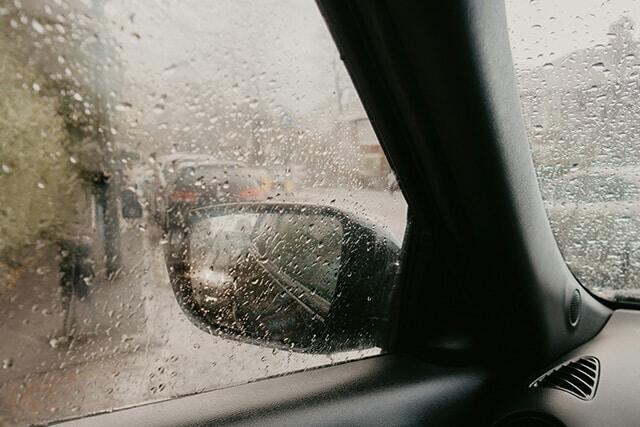
Driving on New Zealand’s wet roads demands a unique blend of caution and skill. The country’s unpredictable weather, from sudden downpours to persistent drizzle, combines with winding, rural highways and varying road surfaces to create challenging conditions.
Understanding hydroplaning risks, the importance of reducing speed gradually, and maintaining increased following distances are essential. Mastering smooth steering inputs and gentle braking can prevent skids on slick asphalt.
This article explores the best techniques for navigating these hazardous conditions, ensuring you stay safe while enjoying New Zealand’s breathtaking landscapes, even when the rain pours.
Mastering Advanced Driving Techniques for Wet New Zealand Roads
Driving on New Zealand's wet roads requires a fundamental shift from dry-weather habits. The combination of varying road surfaces, from chip-seal to asphalt, and frequent rainfall creates a uniquely challenging environment. The most effective technique is to drive with extreme smoothness on all inputs: steering, braking, and acceleration.
Anticipating corners and hazards well in advance allows you to maintain a constant, stable speed, which is crucial for preserving tire grip on slick surfaces. Remember that traction is significantly reduced in the wet, so a gentle foot on the gas and a progressive squeeze on the brakes will prevent the car from sliding or losing control.
Reducing Speed and Increasing Following Distance
The single most critical adjustment for wet driving is to drastically reduce your speed, often by 10 to 20 km/h below the posted limit, and to more than double your following distance.
On New Zealand's winding roads, a safe following gap is at least four seconds behind the car ahead, and even more in heavy rain. This extra space gives you the valuable time needed to react to the car in front braking or to unexpected hazards like a washout or standing water, preventing a low-grip skid.
Smooth Steering and Cornering on Slippery Surfaces
When approaching a corner on a wet road, the key is to brake gently in a straight line before you turn the wheel. Once you begin steering, your goal is to apply a smooth, constant throttle (or coast) through the apex. Avoid any sudden jerks on the steering wheel or stabs of the brake pedal, as this can instantly break the tires' grip.
On New Zealand's sharp, cambered bends, it's safer to take a wider, more patient line to minimize steering angle and maintain control.
Managing Aquaplaning and Standing Water
Aquaplaning, where a layer of water lifts your tires off the road, is a serious risk on New Zealand's roads. To avoid it, steer clear of large puddles and the outer edges of lanes where water often collects. If you feel the car start to float, remain calm: do not brake or turn the wheel sharply.
Instead, lift your foot gently off the accelerator to allow the car to naturally slow down, and keep the steering wheel pointed straight until you feel the tires regain contact with the asphalt.
| Technique | Primary Action | Key Risk to Avoid |
|---|---|---|
| Speed & Distance | Reduce speed by 10-20 km/h; increase following gap to 4+ seconds | Rear-ending other vehicles due to reduced stopping power |
| Cornering | Brake in a straight line; apply smooth, constant throttle through the turn | Losing traction and understeering (plowing) off the road |
| Aquaplaning | Lift off the accelerator gently; do not brake or steer | Losing all steering and braking control momentarily |
Mastering Hydroplaning Prevention on Wet New Zealand Roads
To effectively prevent hydroplaning on New Zealand's wet roads, you must reduce your speed significantly below the posted limit, as water accumulation on surfaces like chip seal or asphalt can cause tires to lose traction at speeds as low as 50 km/h.
Ensure your tire tread depth is at least 3mm to channel water away, and avoid sudden braking or sharp turns, especially on tight rural corners where standing water often forms near the centerline. Drive in the wheeltracks of the vehicle ahead, as these areas have less water buildup, and if you feel the steering go light, ease off the accelerator without braking until traction returns.
Adjusting Following Distance for Slippery Surfaces
On wet New Zealand roads, increase your following distance to at least four seconds behind the car ahead, doubling the usual two-second rule, because stopping distances can triple on wet tarmac, especially on downhill sections near passes like the Desert Road or Arthur's Pass.
Apply the international two-second count from a fixed point after the lead vehicle passes, and extend it further if your vehicle is heavy or towing, as aquaplaning risk rises with reduced tire contact.
When driving on chip seal surfaces, common on rural New Zealand routes, expect reduced grip compared to asphalt, particularly when wet, as the loose gravel can cause skidding on curves.
Reduce speed before entering a corner, avoid harsh acceleration, and steer smoothly to prevent the tires from scratching on the aggregate, which can cause loss of control. Be cautious of blinding glare from wet sealant on sunny days after rain.
Braking Techniques for Wet Conditions
Apply gentle, progressive braking to avoid lock-up on wet roads, using the cadence method if your vehicle lacks ABS—pump the brakes lightly to maintain steering control.
If your car has ABS, press the brake firmly and let the system pulse, but do not skid or pump manually, as this reduces effectiveness. Practice threshold braking in a safe area to feel the point just before wheel lock, which is critical for emergency stops on slippery downhill stretches.
Handling Standing Water and Flooded Areas
In standing water deeper than half an inch, slow down to a crawl before entering, then maintain a steady speed to avoid a wall of water pushing the car sideways.
Test your brakes lightly after exiting a deep puddle to dry them, and avoid driving through fast-flowing water on low-lying roads or fords, as it only takes six inches of moving water to sweep a car off the road. Look for ripples on the surface, which indicate deeper spots.
Managing Visibility in Heavy Rain
During heavy rain, turn on your headlights at low beam to be seen and to activate your tail lights, as using high beam in rain can cause reflection off the droplets and reduce visibility.
Set your wipers to the fastest intermittent setting or full speed, and apply rain-repellent products to the windshield to improve water sheeting. If visibility drops below 50 meters, pull over safely to a lay-by or rest area, avoiding stopping on the shoulder where other cars may hydroplane into you.
Frequently Asked Questions
What tire pressure adjustments are recommended for wet New Zealand roads?
Proper tire pressure is critical on wet roads. Maintain the manufacturer's recommended pressure for your vehicle; do not reduce it. Lowering pressure actually reduces the tire's contact patch and traction on wet surfaces. Higher pressure in rain can also decrease grip. Check your tires when cold, ideally before long trips, ensuring the pressure matches the specification in your owner's manual or door jamb sticker for optimal water dispersal and braking performance.
How should I use acceleration and braking in the rain?
On wet New Zealand roads, apply gentle, progressive inputs to both the accelerator and brake. Avoid sudden throttle stabs, which can cause wheel spin, and hard braking, which can lock wheels or trigger skids. Instead, accelerate smoothly out of corners and brake earlier than usual. Use engine braking by downshifting gently if your vehicle allows, reducing reliance on the brake pedal and helping maintain control in challenging conditions.
What is the proper following distance on slippery road surfaces?
On wet roads, increase your following distance to at least a four-second gap. In typical dry conditions, two seconds is adequate, but rain reduces braking effectiveness. Watch the vehicle ahead pass a fixed point, then count four seconds before you reach that point. This critical buffer provides time to react to sudden stops or hazards. On particularly slick roads or in heavy rain, extend this to six seconds for safety.
How should I handle hydroplaning on a wet New Zealand road?
If you feel your vehicle hydroplaning or losing steering contact, do not slam on the brakes or jerk the steering wheel. Instead, ease off the accelerator gently, keep the steering wheel pointing straight, and allow the vehicle's speed to drop naturally. As the tires regain contact, light, stable steering inputs help. Avoid sudden movements, which can induce a spin. Slow down in standing water and ensure your tires have good tread depth to minimize hydroplaning risk.
This content may interest you! Best Vehicles for Rural New Zealand Living
Leave a Reply