
Mitsubishi Triton vs Pajero Sport New Zealand: Which One Should We Buy?
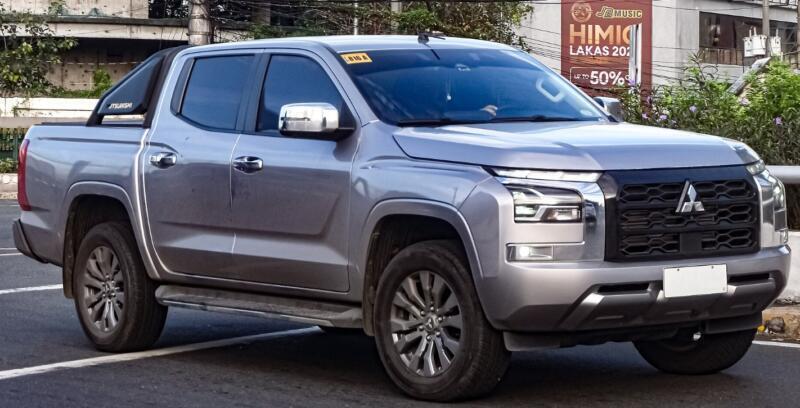
Choosing between the Mitsubishi Triton and Pajero Sport in New Zealand is not as simple as comparing a ute with an SUV. Both vehicles wear the Mitsubishi badge, use rugged ladder-frame construction, offer genuine four-wheel-drive capability and are designed to handle more than the weekday commute. Yet they serve noticeably different lifestyles.
The Triton is the practical workhorse. It gives us an open tray, greater towing capacity in selected configurations, a newer-generation powertrain and the flexibility to move tools, muddy equipment, firewood or oversized recreational gear without worrying about the carpet.
The Pajero Sport takes many of those tough-truck ingredients and wraps them in a quieter, enclosed seven-seat body. It is the more natural choice for families, long road trips and owners who need luggage protected from New Zealand’s unpredictable weather.
So, which one deserves a place in our driveway? Let us compare them across the areas that matter most to Kiwi buyers: price, performance, towing, passenger space, cargo capacity, comfort, off-road ability and everyday usability.
- Mitsubishi Triton vs Pajero Sport NZ at a Glance
- Are the Triton and Pajero Sport Basically the Same Vehicle?
- New Zealand Pricing and Value
- Engine Performance: New Triton Muscle vs Proven Pajero Sport Power
- Towing Capacity: Triton Takes the Lead
- Passenger Space and Seating
- Cargo Space: Tray or Enclosed Boot?
- Ride Comfort and Refinement
- Four-Wheel Drive and Off-Road Ability
- Safety and Driver Assistance
- Technology and Cabin Experience
- Fuel Economy and Running Costs
- Reliability and Long-Term Ownership
- Mitsubishi Triton vs Pajero Sport for Work
- Mitsubishi Triton vs Pajero Sport for Families
- Which Is Better for Camping and Outdoor Adventures?
- Which Is Easier to Live With Every Day?
- Who Should Buy the Mitsubishi Triton?
- Who Should Buy the Mitsubishi Pajero Sport?
- Our Verdict: Mitsubishi Triton or Pajero Sport?
- Frequently Asked Questions
Mitsubishi Triton vs Pajero Sport NZ at a Glance
The basic difference can be summed up in one sentence: the Triton carries awkward cargo better, while the Pajero Sport carries people better.
| Category | Mitsubishi Triton | Mitsubishi Pajero Sport |
|---|---|---|
| Vehicle type | Ute | Seven-seat SUV |
| Main strength | Tray, towing and work versatility | Family space and enclosed comfort |
| Engine | 2.4-litre bi-turbo diesel | 2.4-litre turbo-diesel |
| Maximum quoted torque | 470Nm | 437Nm |
| Transmission | Six-speed automatic on key NZ models | Eight-speed automatic |
| Maximum braked towing | Up to 3.5 tonnes on eligible models | 3.1 tonnes |
| Seating | Usually five in double-cab form | Seven |
| Cargo area | Open tray or cab-chassis configuration | Enclosed rear luggage compartment |
| Four-wheel-drive system | Super Select II on applicable 4WD models | Super Select II |
| Best suited to | Trades, towing, farming and adventure gear | Families, touring and mixed everyday use |
The current Triton employs a 2.4-litre intercooled bi-turbo diesel producing 470Nm, while four-wheel-drive versions use Mitsubishi’s Super Select II system and offer seven drive modes. Eligible double-cab 4WD versions can tow up to 3.5 tonnes under Mitsubishi’s stated conditions.
The Pajero Sport uses a 2.4-litre turbo-diesel producing 437Nm, an eight-speed automatic transmission, Super Select II four-wheel drive and a quoted 3.1-tonne braked towing capacity. It also provides seven seats as standard in the New Zealand range described by Mitsubishi dealers.
Are the Triton and Pajero Sport Basically the Same Vehicle?
Not quite.
They belong to the same broad family of rugged Mitsubishi vehicles, and both rely on truck-like foundations rather than the lighter unibody construction used by most suburban SUVs. That shared philosophy helps explain why both feel comfortable towing, travelling on gravel and tackling rough access tracks.
However, calling them identical underneath would oversimplify the comparison.
The latest Triton is a newer-generation vehicle with a redesigned chassis, updated suspension and a more powerful bi-turbo diesel engine. Mitsubishi describes it as wider and longer than its predecessor, with an upgraded frame designed to improve capability and comfort.
The Pajero Sport currently available in New Zealand continues with its familiar 2.4-litre single-turbo diesel, eight-speed automatic and seven-seat wagon body. It still has serious mechanical credentials, but its character is more mature and family-focused.
Think of them as two sturdy boots made for different walks. The Triton is the steel-capped work boot. The Pajero Sport is the waterproof hiking boot: still tough, but designed to keep the whole family comfortable along the way.
New Zealand Pricing and Value
Price may decide this contest before we even reach the test drive.
The Triton range covers multiple configurations, including two-wheel-drive and four-wheel-drive models, single cabs, double cabs, cab-chassis versions and well-side utes. That gives buyers a much broader entry point.
At the time of writing, one published New Zealand range listing placed the Triton 2WD GLX diesel single-cab chassis automatic at $42,250 plus on-road costs, with a 2WD double-cab chassis listed from $44,990 plus on-road costs. Prices increase as we move toward four-wheel-drive and higher-specification versions.
The Pajero Sport sits higher. A New Zealand Mitsubishi dealer listed the seven-seat VRX at a special price of $64,990 plus on-road costs, while the Black Edition VRXB was advertised at $67,990 plus on-road costs. Vehicle offers and specifications can change, so these figures should be checked with a dealer before purchase.
Why the Triton Can Look Like Better Value
A lower-specification Triton may save us a substantial amount at purchase. It can also deliver more towing capacity and an exposed load area that is vastly more useful for dirty or bulky items.
For a builder, landscaper, farmer or mobile technician, the tray is not merely cargo space. It is part of the business. A canopy, drawer system, ladder rack or service body can transform the ute into a rolling workshop.
The financial calculation may also differ for business purchasers, although tax treatment depends on the buyer’s circumstances and should be discussed with a qualified New Zealand tax adviser.
The Pajero Sport includes the elements needed to operate as a single family vehicle:
- Seven seats
- An enclosed cabin
- Protected luggage space
- A permanent roof
- Easier access to shopping and travel bags
- More passenger-focused equipment
- Greater separation from road grime and cargo
Adding a quality canopy, tub liner, cargo system and weatherproof storage to a Triton can reduce the apparent price gap. Even then, a canopy does not fully reproduce the security, insulation and integration of an SUV’s luggage compartment.
Engine Performance: New Triton Muscle vs Proven Pajero Sport Power
The Triton wins the numerical contest.
Its 2.4-litre bi-turbo diesel develops 470Nm of torque, giving it an advantage when accelerating with a load, climbing steep roads or pulling a substantial trailer. Mitsubishi pairs this with a six-speed automatic transmission in widely sold automatic variants.
The Pajero Sport produces 437Nm from its 2.4-litre turbo-diesel. It is connected to an eight-speed automatic, which uses closer ratios to keep the engine working in a useful part of its rev range.
How the Difference Feels on New Zealand Roads
On paper, the Triton’s extra torque appears decisive. In everyday driving, however, the experience is influenced by much more than the peak number.
The Pajero Sport’s eight-speed transmission can make progress feel relaxed and measured. It suits long journeys through the Waikato, Canterbury or Otago, where smooth cruising matters more than winning a traffic-light sprint.
The Triton’s stronger output becomes more obvious when the vehicle is loaded, towing or climbing. It feels like the engine has taken a deeper breath before pushing forward.
Neither is a sports car. Both prioritise low-speed pulling power, durability and controlled progress. The Triton simply has the stronger engine package of the two.
Which Engine Is Better?
For outright performance, heavy-duty use and towing headroom, we would choose the Triton.
For steady family touring and everyday driving, the Pajero Sport’s engine remains adequate. Its eight-speed gearbox also provides a relaxed character that suits an SUV.
Towing Capacity: Triton Takes the Lead
Towing is one of the clearest reasons to choose the Triton.
Selected double-cab 4WD Triton models are rated to tow up to 3,500kg braked, whereas the Pajero Sport is rated to tow up to 3,100kg braked.
That 400kg difference may sound small until we begin calculating the weight of a large caravan, horse float or boat with fuel, batteries, water, personal belongings and accessories.
Important Triton Towing Conditions
The 3.5-tonne Triton figure does not apply universally. Mitsubishi’s published New Zealand terms specify that the rating applies to eligible double-cab 4WD models and is subject to conditions, including an approved towbar and particular trailer and towball-load requirements.
This is why we should never choose a tow vehicle using only the headline capacity.
We must consider:
- Gross vehicle mass
- Gross combination mass
- Payload remaining after passengers and accessories
- Actual towball load
- Trailer axle configuration
- Towbar rating
- Tyre pressures
- Braking equipment
- Weight of fuel and luggage
A vehicle can have a high maximum trailer rating while losing usable payload as towball load rises.
Which Is Better for a Caravan?
The answer depends on the caravan.
For a lighter or medium-sized caravan, the Pajero Sport can be a more pleasant touring companion. Luggage stays enclosed, passengers have a quieter environment, and the SUV body is convenient at holiday parks.
For a caravan approaching three tonnes or more, the Triton’s higher rating and extra torque provide useful breathing room. Its tray can also hold levelling ramps, wet awnings, outdoor furniture and other items we may not want inside the cabin.
Which Is Better for Towing a Boat?
The Triton is usually the more practical boat-towing choice.
Its tray can carry fuel containers, fishing gear, bait bins, wet ropes and life jackets. After a day on the water, we can wash the tray rather than carefully cleaning an SUV’s carpeted luggage area.
The Pajero Sport remains a capable option for family boating, especially when seven seats and secure cabin storage matter more than the final 400kg of towing capacity.
Passenger Space and Seating
This category belongs to the Pajero Sport.
This content may interest you! Ford Ranger vs Nissan Navara: Which Pickup Is Better?
The Triton double cab provides five seats, but the rear bench is shaped by the realities of ute design. It is perfectly usable for children and adults on normal trips, yet the seating position can feel more upright than in a passenger-focused SUV.
The Pajero Sport offers seven seats, making it far more flexible for larger families, school runs and weekend activities. Mitsubishi presents it as an SUV for camping, school sport, towing and family trips.
Third-Row Reality
Seven seats do not mean seven adults will enjoy crossing the South Island together.
The third row is best considered occasional seating. It works well for children and can accommodate adults for shorter journeys, but access and legroom are naturally tighter than in a large people mover.
When the third row is raised, the usable luggage area also shrinks. Families travelling with seven occupants may need roof storage or a trailer for substantial luggage.
Still, even occasional sixth and seventh seats can be invaluable. The Triton cannot replicate that flexibility without leaving someone behind.
Which Is Better for Child Seats?
The Pajero Sport is the easier family proposition because its rear passengers sit inside a fully enclosed wagon cabin, and loading children does not compete with work equipment in an open tray.
A double-cab Triton can still handle child seats, but we should test the actual seat behind the driver and front passenger. Large rear-facing child restraints can consume significant space and force the front seats forward.
Cargo Space: Tray or Enclosed Boot?
Cargo comparisons between a ute and an SUV are less about litres and more about the type of items we carry.
Why the Triton Tray Wins for Messy Loads
The Triton is the obvious choice for:
- Building materials
- Farm supplies
- Garden waste
- Mountain bikes
- Surfboards
- Firewood
- Large tools
- Camping equipment
- Wet fishing gear
- Oversized appliances
The separation between passengers and cargo is a major advantage. Mud, dust, fuel smells and damp equipment remain outside the cabin.
The latest Triton also offers numerous accessories, including deck liners, tie-down systems, tonneau covers, sports bars and dust-and-water defence equipment, allowing owners to configure the load area around their work or leisure needs.
Why the Pajero Sport Boot Is Better Every Day
The Pajero Sport wins when the cargo consists of groceries, laptops, prams, suitcases, sports uniforms and other items that need to remain clean, dry and secure.
We can place shopping in the rear, lock the vehicle and walk away without relying on a separate tonneau cover or canopy. Air from the climate-control system also reaches the enclosed cabin, making it a kinder place for temperature-sensitive belongings.
The folding rear seats create extra space when fewer passengers are travelling. It cannot match a ute for tall or dirty objects, but it is far more convenient for ordinary family life.
The Canopy Question
Installing a canopy makes the Triton more SUV-like, but there are compromises:
- A good canopy adds cost.
- It consumes payload.
- Access may be less convenient.
- Temperature control remains limited.
- Dust and water sealing can vary.
- Removing it later can be inconvenient.
A canopy is an excellent solution for many owners. It is not the same as an integrated SUV body.
Ride Comfort and Refinement
The Pajero Sport generally has the advantage in comfort, although the difference is more nuanced than it once was.
Utes are built to support payloads, which means their rear suspension must remain capable under weight. When the tray is empty, that firmness can create a busy or slightly bouncy ride over broken surfaces.
The latest Triton has an upgraded chassis and suspension and is designed to be more comfortable than earlier generations. Mitsubishi openly emphasises its improved cabin and on-road usability.
Even so, the Pajero Sport’s enclosed wagon body and passenger-oriented setup make it the calmer long-distance companion. Wind and road noise feel more contained, and the rear of the vehicle is not responding like an unloaded work tray.
Around Auckland, Wellington and Christchurch
In city traffic, neither vehicle feels small. Their height provides a useful view, but parking spaces and older car parks can require care.
The Pajero Sport offers a more conventional SUV experience. Loading the boot is simple, passengers enter through four doors, and nothing needs to be secured beneath a tonneau cover.
The Triton feels more utilitarian, particularly in lower trims. Nevertheless, higher specifications now offer large touchscreens, driver-assistance technology and the type of cabin equipment once reserved for SUVs.
On Rural New Zealand Roads
The Triton’s tougher personality works well on corrugated gravel, farm tracks and rough work sites. Add weight to the tray and the rear suspension may settle noticeably.
The Pajero Sport feels composed when carrying a family and luggage. Its cabin also keeps gravel dust better separated from belongings.
Both are suited to rural use. The question is whether the journey ends at a family bach or a paddock gate.
Four-Wheel Drive and Off-Road Ability
Both vehicles offer Mitsubishi’s respected Super Select II four-wheel-drive system in relevant configurations.
The system gives drivers a selection of modes for different conditions, allowing the vehicle to adapt to sealed roads, slippery surfaces and low-traction terrain. The Triton’s current 4WD range includes seven drive modes, while the Pajero Sport supplements Super Select II with an off-road mode and hill-descent assistance.
Where the Triton Has an Advantage
The Triton is easier to treat like a tool. Scratches, mud and branches may still hurt, but they feel less emotionally devastating on a working ute than on a polished family SUV.
Its tray also carries recovery boards, muddy boots, shovels and spare equipment without invading passenger space.
For farms, forestry access or frequent rough-track travel, that practical separation is extremely valuable.
Where the Pajero Sport Has an Advantage
The Pajero Sport keeps occupants and luggage together in a protected body. On wet West Coast tracks or cold South Island trips, that matters.
Its shorter rear overhang relative to a long ute tray may also feel more manageable on uneven terrain, although exact clearance and departure performance depend on model, tyres, accessories and vehicle loading.
Do We Actually Need Serious 4WD Ability?
This is worth asking honestly.
Many buyers love the idea of crossing rivers and climbing rocky trails but spend 98 percent of their time on sealed roads. In that case, comfort, parking convenience and luggage security deserve more weight than extreme capability.
Both vehicles can go farther off-road than most owners will ever ask. Buying the one that handles our normal Tuesday is often wiser than buying for an imaginary expedition.
Safety and Driver Assistance
Modern examples of both vehicles include an extensive safety package, although equipment varies by trim.
The Triton range advertises features such as Forward Collision Mitigation, Lane Change Assist, parking sensors and Rear Cross Traffic Alert on applicable models. The latest generation also carries a five-star ANCAP rating in the variants listed by the New Zealand dealer source.
The Pajero Sport offers nine airbags and standard active features including Forward Collision Mitigation, Blind Spot Warning and Rear Cross Traffic Alert. Adaptive Cruise Control and Hill Descent Control are also listed, while front parking sensors may depend on specification.
Which Feels Safer for a Family?
The Pajero Sport feels more naturally family-oriented because all passengers and luggage sit within one enclosed body. The third row also avoids the need to take a second vehicle when six or seven people are travelling.
However, the newer Triton benefits from a more recent design and a strong suite of active safety systems. A high-specification double cab can serve as a capable family vehicle.
Safety equipment should always be checked against the exact model year and trim. A vehicle advertised under the same name may carry different features depending on when it was built.
Technology and Cabin Experience
The current Triton has made a large leap in presentation. A nine-inch touchscreen system is promoted across the New Zealand model information, and higher trims provide the connectivity and convenience expected in a modern dual-cab ute.
The Pajero Sport’s cabin remains functional and comfortable, but its design belongs to an older product generation. Its appeal comes less from looking futuristic and more from placing familiar controls where we expect them.
This content may interest you! Mitsubishi Triton vs Nissan Navara New Zealand: Which Ute Wins?
Triton Interior Strengths
The Triton feels contemporary, chunky and purpose-built. Controls are designed to be operated without excessive distraction, and the cabin has a more modern visual identity.
It is the better choice for buyers who care about obtaining Mitsubishi’s latest ute platform and cabin architecture.
Pajero Sport Interior Strengths
The Pajero Sport provides the more cohesive passenger environment. The rear cargo area, third-row seating and family-friendly body shape create a cabin that works naturally for commuting and touring.
Its hands-free power tailgate is another practical advantage when approaching the vehicle with shopping, bags or children in tow.
Fuel Economy and Running Costs
Real-world fuel use will depend heavily on tyres, terrain, towing, payload and driving style.
The Triton’s newer engine may look attractive from an efficiency perspective, but a heavily accessorised 4WD ute towing a caravan will consume considerably more fuel than a lightly loaded vehicle on an open road.
The Pajero Sport is not a lightweight crossover. It carries a ladder frame, four-wheel-drive hardware and a large body. We should expect diesel-SUV running costs rather than small-family-car economy.
Road User Charges
Because these are diesel vehicles, New Zealand owners must include Road User Charges in their budgets. On-road costs may also include registration, fuel, warrant-related charges and applicable stewardship fees, depending on the vehicle and dealer. Mitsubishi notes that these amounts can change.
Tyres, Servicing and Accessories
The Triton may become more expensive when modified. Bull bars, canopies, tow equipment, all-terrain tyres, suspension upgrades and storage systems can quickly add thousands of dollars.
The Pajero Sport may need fewer cargo-related accessories, but owners can still spend heavily on roof racks, tow bars, snorkels and touring equipment.
We should compare complete drive-away builds, not bare advertised prices.
Reliability and Long-Term Ownership
Both vehicles use familiar diesel and four-wheel-drive engineering, but long-term reliability depends greatly on maintenance and operating conditions.
A vehicle that spends its life towing near its limits, travelling through dust or completing short diesel trips will face a different workload from one used mainly for open-road touring.
Used Triton Checks
When inspecting a used Triton, we should pay attention to:
- Service history
- Evidence of commercial use
- Chassis and underbody damage
- Towbar wear
- Tray damage
- Aftermarket wiring
- Diesel particulate filter operation
- Transmission behaviour
- Four-wheel-drive engagement
- Uneven tyre wear
A spotless cabin does not prove an easy life. A ute may have pulled heavy trailers every week while looking perfectly tidy inside.
Used Pajero Sport Checks
For a used Pajero Sport, inspect:
- Complete servicing records
- Operation of all seven seats
- Power tailgate function
- Four-wheel-drive system
- Underbody condition
- Trailer wiring
- Interior water leaks
- Diesel emissions-system warnings
- Suspension noises
- Signs of beach launching or deep-water use
A pre-purchase inspection remains worthwhile, particularly when buying a vehicle with towing accessories or an unclear history.
Mitsubishi Triton vs Pajero Sport for Work
The Triton is the stronger choice for genuine commercial work.
Its exposed load area, range of body styles and ability to accept specialised fit-outs make it infinitely more adaptable. We can build a service body, fit toolboxes, add a flat deck or create a touring canopy.
The Pajero Sport can transport staff and equipment, but muddy tools and sharp materials do not belong beside a third-row seat. Folding the seats creates room, yet the vehicle remains an SUV rather than a mobile work platform.
Winner for work: Mitsubishi Triton.
Mitsubishi Triton vs Pajero Sport for Families
The Pajero Sport wins convincingly.
Seven seats, protected luggage space, an SUV-style rear entrance and a quieter passenger environment make daily family use easier. School bags can stay in the boot. Groceries are protected from rain. Children do not have to share cabin space with dirty recreational equipment.
A Triton can work for a family, particularly with a canopy, but the owner must manage the division between cabin and tray.
Winner for families: Mitsubishi Pajero Sport.
Which Is Better for Camping and Outdoor Adventures?
This is the closest category.
The Triton is better for dirty, large and awkward gear. It can carry bikes, gas bottles, wet tents, firewood and recovery equipment with little fuss.
The Pajero Sport is better when passengers need warmth, security and enclosed storage. Folding seats can also create a sheltered sleeping area for some owners, though dimensions should be checked before planning a vehicle-based camping setup.
Choose the Triton for Camping When:
- We transport mountain bikes or surf gear.
- We camp in muddy locations.
- We tow a large caravan.
- We want a drawer-and-canopy build.
- We regularly carry fuel, water or recovery equipment.
Choose the Pajero Sport for Camping When:
- We travel with children.
- We value a quieter highway ride.
- We want luggage inside the vehicle.
- We occasionally need seven seats.
- We prefer an SUV without aftermarket cargo modifications.
Which Is Easier to Live With Every Day?
For most suburban families, the Pajero Sport is easier.
The rear cargo door replaces the ritual of opening a tonneau cover. Shopping remains sheltered. Passenger comfort is better integrated into the design.
For an owner whose work and weekend activities overlap, the Triton may be easier. Its tray accepts almost anything, and we do not need to clean the entire interior after moving a muddy bike or leaking bag of garden material.
Daily convenience depends on what we carry, not simply where we drive.
Who Should Buy the Mitsubishi Triton?
The Triton is the better option when we:
- Need an open tray or commercial body.
- Tow a large caravan, boat or work trailer.
- Frequently carry dirty or oversized equipment.
- Want the newer Mitsubishi diesel powertrain.
- Need a ute for both work and recreation.
- Prefer 470Nm of torque and up to 3.5-tonne towing.
- Plan to build a customised touring vehicle.
- Can live with five seats and a firmer unladen ride.
It is the logical choice for tradespeople, rural owners, serious towing buyers and adventure enthusiasts who treat cargo capacity as a priority rather than a bonus.
Who Should Buy the Mitsubishi Pajero Sport?
The Pajero Sport makes more sense when we:
- Need seven seats.
- Want secure, weatherproof luggage storage.
- Prioritise passenger comfort.
- Tow less than 3.1 tonnes.
- Regularly complete long family journeys.
- Want genuine four-wheel drive without an open tray.
- Need one vehicle for school runs and holidays.
- Prefer an eight-speed automatic and SUV layout.
It is particularly compelling for families who find soft-road crossovers too limited but do not need the commercial flexibility of a ute.
Our Verdict: Mitsubishi Triton or Pajero Sport?
There is no universal winner because these vehicles solve different problems.
The Mitsubishi Triton is the stronger tool. It has the more powerful engine, a higher maximum towing rating in eligible models and a tray that can swallow equipment no family SUV wants to meet. It also sits on Mitsubishi’s newer-generation platform and can be configured for work, towing or serious touring.
The Mitsubishi Pajero Sport is the better all-round family vehicle. Its seven seats, enclosed cargo area, eight-speed automatic and passenger-oriented cabin make it easier to live with when people—not equipment—are the priority.
Our recommendation is simple:
- Buy the Triton when the load determines the journey.
- Buy the Pajero Sport when the passengers determine the journey.
For a tradesperson who tows a boat on weekends, the Triton is hard to beat. For a family heading from Auckland to Taupō with children, luggage and a trailer, the Pajero Sport feels like the more natural companion.
The best final test is not a brochure comparison. Load the family, bring the child seats, inspect the tray or boot and drive both vehicles over the roads we actually use. One will probably feel less like a compromise within the first twenty minutes.
Frequently Asked Questions
1. Is the Mitsubishi Pajero Sport based on the Triton?
The Pajero Sport and Triton share Mitsubishi’s rugged ladder-frame philosophy and related four-wheel-drive engineering, but the current New Zealand models are not simply identical vehicles with different rear bodies. The latest Triton uses a newer chassis and a 470Nm bi-turbo diesel, while the Pajero Sport uses a 437Nm turbo-diesel with an eight-speed automatic.
2. Which can tow more, the Triton or Pajero Sport?
Eligible Mitsubishi Triton double-cab 4WD models can tow up to 3,500kg braked under specified conditions. The Pajero Sport is rated to tow up to 3,100kg braked. Actual towing suitability depends on payload, gross combination mass, towball load and trailer configuration.
3. Is the Pajero Sport better than a Triton for a family?
Usually, yes. The Pajero Sport provides seven seats, enclosed luggage storage and a more passenger-focused body. A double-cab Triton can still work well for a family, especially with a canopy, but it only offers five seats and keeps most cargo outside the cabin.
This content may interest you! Toyota RAV4 vs Kia Sportage New Zealand: Which Hybrid SUV Is Better?
4. Is the Triton more powerful than the Pajero Sport?
Yes. The current Triton’s 2.4-litre bi-turbo diesel produces 470Nm of torque, compared with 437Nm from the Pajero Sport’s 2.4-litre turbo-diesel. The Triton therefore has the advantage for heavy loads and demanding towing.
5. Which is better off-road in New Zealand?
Both are capable four-wheel drives equipped with Mitsubishi’s Super Select II system. The Triton is better suited to carrying muddy recovery equipment and enduring work-site use, while the Pajero Sport protects passengers and luggage more effectively. Tyres, driver skill, ground clearance, accessories and vehicle loading may matter more than the badge when conditions become difficult.
Leave a Reply