
Ford Ranger vs Nissan Navara: Which Pickup Is Better?
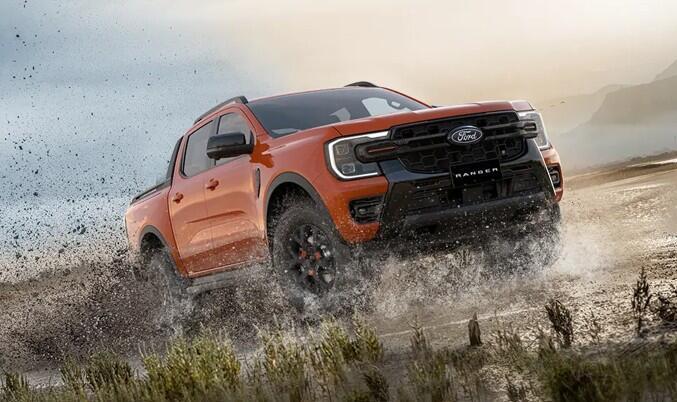
The Ford Ranger vs Nissan Navara debate is one of those automotive arguments that refuses to disappear—and honestly, we understand why. Both pickups promise muscular towing capacity, dependable diesel power, genuine off-road ability, and enough everyday comfort to serve as family vehicles. They wear work boots during the week and hiking shoes at the weekend.
Yet these two trucks approach the job from different angles.
The Ford Ranger feels like the ambitious all-rounder. It offers a broad engine range, modern cabin technology, sophisticated towing tools, and several personalities—from basic workhorse to powerful V6 tourer and high-performance Raptor.
The Nissan Navara follows a more focused path. The latest Australian-market model uses a 2.4-litre bi-turbo diesel producing 150 kW and 470 Nm, paired with a six-speed automatic transmission. Nissan promotes a one-tonne payload across the dual-cab range and a 3,500 kg maximum braked towing capacity across every variant.
So, which one deserves your money?
The answer depends on what kind of owner you are. Do you want the most polished and versatile truck? Are you chasing maximum engine muscle? Or would you prefer a straightforward, capable pickup that delivers the essentials without turning the cabin into a rolling technology showroom?
Let us put both vehicles under the microscope.
- Ford Ranger vs Nissan Navara at a Glance
- Exterior Design: Bold Presence or Honest Toughness?
- Engine Performance and Acceleration
- Towing Capacity: Can Either Truck Pull Ahead?
- Payload and Practical Work Capacity
- On-Road Comfort and Handling
- Off-Road Capability
- Interior Quality and Everyday Space
- Infotainment and Technology
- Safety and Driver Assistance
- Fuel Economy and Running Costs
- Model Range and Buyer Choice
- Reliability and Long-Term Ownership
- Ford Ranger vs Nissan Navara for Work
- Ford Ranger vs Nissan Navara for Families
- Ford Ranger vs Nissan Navara for Off-Road Touring
- Price and Overall Value
- Major Advantages and Disadvantages
- Which Pickup Should We Buy?
- Conclusion: Ford Ranger vs Nissan Navara
- Frequently Asked Questions
Before diving into the details, here is the basic shape of the contest. Specifications vary by trim, body style, model year, and country, so buyers should always confirm figures for the exact vehicle they are considering.
| Category | Ford Ranger | Nissan Navara |
|---|---|---|
| Main character | Modern, versatile and technology-rich | Tough, focused and practical |
| Diesel engine choices | 2.0-litre turbo diesel and available 3.0-litre V6 diesel in Australia | 2.4-litre bi-turbo diesel in the latest Australian model |
| Maximum diesel torque | Up to 600 Nm | 470 Nm |
| Transmission | 10-speed automatic on major Australian variants | Six-speed automatic |
| Maximum braked towing | Up to 3,500 kg on mainstream models | 3,500 kg across the latest range |
| Maximum advertised payload | Up to 1,412 kg, depending on configuration | At least one tonne across dual-cab models |
| Cabin experience | More digital and SUV-like | Functional, robust and easy to understand |
| Best suited to | Buyers wanting choice, refinement and stronger performance | Buyers wanting balanced capability and simplicity |
Ford’s Australian Ranger range includes a 2.0-litre turbo-diesel producing 125 kW and 405 Nm, while selected versions offer a 3.0-litre V6 turbo-diesel developing 184 kW and 600 Nm. Ford also lists a maximum mainstream Ranger towing capacity of 3,500 kg, excluding special cases such as the performance-focused Raptor and heavy-duty Ranger Super Duty.
Those figures immediately give the Ranger an advantage in variety. The Navara counters by offering one consistent powertrain and towing specification throughout its latest range, simplifying the buying decision.
Exterior Design: Bold Presence or Honest Toughness?
Neither truck looks shy. These are large pickups designed to project confidence, whether they are parked outside a building site or coated in mud beside a mountain trail.
Ford Ranger Styling
The Ranger uses a broad grille, C-shaped lighting signatures, squared wheel arches, and a high bonnet line. It looks substantial without appearing clumsy. Higher trims add distinctive wheels, premium lighting, sports bars, side steps, and trim-specific grille treatments.
The design works because it reflects the Ranger’s personality. It appears modern, but it has not forgotten that a pickup should look ready to pull something heavy out of a ditch.
Wildtrak models lean into the lifestyle market, while basic work versions keep things simpler. Then there is the Ranger Raptor, which looks as though it has escaped from an off-road racing paddock.
The latest Navara has a similarly upright stance, but its design feels slightly more utilitarian. A strong front end, prominent Nissan badging, sculpted body panels, and practical proportions give it a purposeful appearance.
Nissan has resisted making the Navara look overly delicate or urban. It still resembles a machine built to carry tools, cross rough terrain, and survive years of hard use.
Which Pickup Looks Better?
The Ranger arguably has the more sophisticated and recognisable design. It also offers greater visual variety between trims.
The Navara looks solid and believable. It may not turn as many heads, but that can be part of its charm. Not every truck needs to arrive shouting through a megaphone.
Design winner: Ford Ranger, although personal taste may easily swing the result.
Engine Performance and Acceleration
A pickup engine needs more than an impressive figure on a brochure. It must deliver usable torque at low speeds, respond smoothly when overtaking, and remain composed when the tray and trailer are loaded.
Ford Ranger Engine Options
In Australia, mainstream Ranger buyers can choose configurations built around Ford’s 2.0-litre turbo-diesel or its stronger 3.0-litre V6 turbo-diesel.
The 2.0-litre engine produces 125 kW and 405 Nm. It is the sensible choice for everyday work, commuting, and moderate towing. Performance is adequate rather than dramatic, but the engine delivers useful low-speed pulling power.
The available 3.0-litre V6 diesel raises output to 184 kW and 600 Nm.
That extra torque changes the character of the truck. The V6 Ranger feels less strained when carrying weight, climbing hills, or accelerating with a trailer. It does not turn the Ranger into a sports car, but it gives the driver a deeper reserve of strength—like having a larger hammer in the toolbox.
The latest Australian Navara uses a 2.4-litre bi-turbo diesel producing 150 kW and 470 Nm. It is paired with a wide-ratio six-speed automatic transmission, and Nissan quotes combined fuel consumption of 7.7 L/100 km.
On paper, that places the Navara between the Ranger’s mainstream four-cylinder diesel and the stronger V6.
Its 470 Nm output should be enough for most private buyers and tradespeople. The Navara is unlikely to feel weak in ordinary driving, particularly because diesel torque arrives where a working pickup needs it—lower in the rev range.
However, buyers regularly towing heavy caravans, boats, horse trailers, or equipment may appreciate the Ranger V6’s additional 130 Nm.
Transmission Comparison
Ford’s 10-speed automatic gives the Ranger a wide spread of ratios. It can keep the engine close to its most effective operating range, particularly while towing or accelerating.
However, more gears do not automatically guarantee a better experience. A transmission must know when to hold a ratio and when to shift. An overly busy gearbox can feel like someone constantly changing their mind.
The Navara’s six-speed automatic is simpler. It has fewer ratios to manage, which may create a more predictable driving feel. The trade-off is that it cannot divide the engine’s working range as finely as Ford’s 10-speed unit.
Performance Verdict
The Navara offers a healthy middle ground, but the Ranger wins the engine contest because it gives buyers more choice and a considerably stronger V6 option.
Performance winner: Ford Ranger
This content may interest you! Ford Ranger vs Maverick: Which Ford Truck Fits Your Life?
Towing Capacity: Can Either Truck Pull Ahead?
For many buyers, towing capacity is not an optional detail. It is the entire reason for purchasing a pickup.
Both mainstream trucks advertise a maximum braked towing capacity of 3,500 kg in applicable configurations. Ford states that the conventional Australian Ranger can tow up to 3,500 kg when fitted with the required genuine towing equipment. Nissan states that every variant in its latest Navara range achieves a 3,500 kg braked towing rating.
That looks like a tie—but maximum towing capacity never tells the whole story.
Why the Maximum Figure Can Be Misleading
A truck may be rated to tow 3,500 kg, but drivers must also consider:
- Gross vehicle mass
- Gross combined mass
- Kerb weight
- Payload
- Tow-ball download
- Passenger weight
- Accessories
- Cargo in the tray
- Local towing regulations
Imagine loading five adults into a pickup, adding a canopy, bull bar, recovery gear, fridge, luggage, and a heavy trailer. The truck may reach its legal weight limits before the trailer reaches the headline 3,500 kg figure.
Ford explicitly advises owners to check gross vehicle mass and gross combined mass limits, noting that cargo may need to be reduced when towing at maximum capacity.
The same principle applies to the Navara. Its maximum towing rating must be considered alongside the vehicle’s actual loaded condition and towbar limits.
Which One Is the Better Tow Vehicle?
The Navara’s 470 Nm is respectable, and its 3,500 kg rating makes it a serious towing contender.
Nevertheless, the Ranger V6’s 600 Nm gives it a meaningful advantage when pulling heavy loads. Extra torque can reduce the effort required on steep climbs and make highway overtaking feel less stressful.
Ford also offers advanced towing-related technologies on selected variants, including trailer profiles and systems designed to improve trailer visibility and control. Availability depends on trim and equipment.
For occasional towing, the difference may not matter. For frequent towing close to the legal limit, the V6 Ranger is the more compelling choice.
Towing winner: Ford Ranger V6
Payload and Practical Work Capacity
Towing gets the glamorous advertisements, but payload often matters more in real life.
Payload includes far more than whatever sits in the tray. Passengers, accessories, luggage, tools, tow-ball download, and aftermarket equipment all eat into the available figure.
Ford Ranger Payload
Ford advertises a maximum Ranger payload of up to 1,412 kg, depending on grade, cab style, body configuration, and equipment. Higher-specification pickups generally carry less than basic cab-chassis models because luxury equipment increases kerb weight.
This means a simple work-focused Ranger can be a very capable load carrier. A premium double cab with more accessories will have a lower usable payload.
Nissan promotes a minimum one-tonne payload across the latest Navara dual-cab range. It also highlights strengthened rear-axle and braking components designed to handle heavy-load duties.
That consistency is valuable. Buyers do not have to assume that choosing a higher trim automatically reduces the truck below the psychologically important one-tonne mark.
Tray Usability
Both vehicles are built to accommodate tools, camping equipment, sports gear, construction materials, and everyday cargo. Bed dimensions and equipment vary by body style and model.
The Navara’s New Zealand specification, for example, lists a 1,555 mm cargo-bed floor length for the relevant dual-cab configuration.
Ford places significant emphasis on practical load-box features. Depending on the model, buyers may find tie-down points, a powered outlet, lighting, a tailgate work surface, side steps behind the rear wheels, and load-management accessories.
Workhorse Verdict
For maximum payload potential across the broad model range, the Ranger has the stronger headline number.
For buyers choosing a well-equipped dual cab and wanting at least a tonne of carrying capacity, the Navara’s consistent specification deserves attention.
Payload winner: Draw, depending on configuration.
On-Road Comfort and Handling
Older pickups often drove like agricultural machinery wearing number plates. Modern trucks have changed dramatically. They still need to tolerate heavy loads, but owners now expect them to behave like comfortable SUVs during the school run.
Ford Ranger on the Road
The Ranger is widely positioned as a dual-purpose vehicle, and its design reflects that ambition. Steering feels manageable for a truck of its size, the cabin remains reasonably isolated from road noise, and the suspension balances load-carrying discipline with everyday comfort.
The V6 provides relaxed acceleration, especially on highways. The 10-speed automatic can settle into a tall cruising ratio, helping the Ranger feel calmer on long journeys.
Unladen ride quality still cannot completely hide the vehicle’s commercial roots. Sharp road imperfections can send a reminder through the rear of the cabin, especially in work-oriented versions. Even so, the Ranger generally feels polished and well controlled.
The Navara aims for a similarly broad balance. Nissan says the latest model uses suspension tuning developed for Australian and New Zealand conditions, with the goal of delivering comfort both unladen and loaded.
That local emphasis matters. A pickup that behaves well on smooth test tracks may feel very different on broken rural roads, corrugated surfaces, and imperfect city streets.
The Navara’s six-speed transmission may feel less complicated in daily driving, while its diesel engine provides enough torque to move confidently without demanding constant throttle input.
Comfort Winner
The Ranger remains the safer choice for buyers prioritising an SUV-like driving experience, particularly in its more expensive trims.
The Navara should still offer a controlled and comfortable ride, but the Ranger’s broader refinement and powertrain choices give it the edge.
This content may interest you! Mitsubishi Triton Years to Avoid in New Zealand: A Used-Buyer’s Guide
On-road winner: Ford Ranger
Off-Road Capability
A serious pickup should not panic when the asphalt ends.
Both models offer four-wheel-drive variants, low-range gearing, hill-descent assistance, rear differential-locking technology, and electronic systems intended to improve traction.
Ford Ranger Off-Road Strengths
Depending on specification, the Ranger may include selectable drive modes, an electronic rear differential lock, underbody protection, off-road displays, hill-descent control, and cameras that make it easier to place the wheels around obstacles.
V6 models with full-time four-wheel drive can also provide extra confidence on mixed surfaces. Full-time operation allows drivers to use four-wheel-drive traction on sealed roads where a traditional locked part-time system may not be suitable.
The Ranger Raptor occupies another universe. It uses a 3.0-litre twin-turbo petrol V6 producing 292 kW and 583 Nm in New Zealand specification, along with specialised Fox suspension and performance-focused differentials. However, its 2,500 kg towing capacity makes it a different proposition from an ordinary diesel work truck.
The Navara offers essential off-road hardware without overwhelming the driver. Nissan lists hill-descent control, hill-start assistance, and an electronic rear differential lock on applicable four-wheel-drive models.
The New Zealand specification lists 228 mm of unladen ground clearance, a 30.4-degree approach angle, a 22.8-degree departure angle, and a 23.4-degree breakover angle for the relevant model.
Those figures indicate useful real-world ability for trails, farms, beaches, muddy tracks, and work sites.
Which One Is Better Off Road?
In standard form, both trucks can travel much farther off the beaten path than most owners will ever ask of them.
The Ranger gains an advantage through its available cameras, drive modes, full-time four-wheel-drive system on selected V6 models, and specialised Raptor variant.
The Navara keeps the recipe simpler. For owners who know how to choose lines, adjust tyre pressures, and use low-range gearing properly, that simplicity may be entirely sufficient.
Off-road winner: Ford Ranger, particularly when comparing upper trims.
Interior Quality and Everyday Space
A modern dual cab may spend more time transporting people than carrying concrete bags. Cabin design therefore matters just as much as tray size.
Inside the Ford Ranger
The Ranger’s dashboard uses a large portrait-oriented touchscreen on many variants, supported by a digital or partially digital instrument display. Physical controls remain available for frequently used functions, although some settings rely on the central screen.
The design feels more like a modern SUV than a traditional work truck. Storage solutions are generally plentiful, with door pockets, cupholders, console space, and useful compartments for everyday clutter.
Higher trims introduce better upholstery, additional adjustment, upgraded audio, ambient details, and more sophisticated driver information.
Rear-seat space is competitive for the class, but we should keep expectations realistic. A dual-cab pickup is not a limousine. The rear bench must share the vehicle with a load bed, chassis, fuel tank, and rear axle.
The Navara takes a more conventional route. Its cabin focuses on clear controls, durable materials, and practical operation.
That approach has benefits. Drivers wearing gloves or travelling over rough ground may prefer a straightforward switch to a beautifully animated submenu.
The cabin should offer the connectivity features modern buyers expect, including smartphone integration on applicable trims. Nissan also offers its Around View Monitor with Moving Object Detection on selected versions, helping drivers manoeuvre a large vehicle in tight spaces.
Interior Verdict
The Ranger looks more advanced and usually feels more premium in higher grades.
The Navara’s interior may appeal to drivers who value clarity and robustness over visual drama.
Interior winner: Ford Ranger
Infotainment and Technology
Technology can make a truck easier to live with—or turn a simple task into a digital treasure hunt.
The Ranger offers one of the more ambitious technology packages in the pickup segment. Depending on trim, features may include:
- A large central touchscreen
- Smartphone connectivity
- Digital instrumentation
- Multiple exterior camera views
- Trailer-related assistance
- Drive-mode displays
- Remote vehicle functions
- Connected navigation and services
- Household-style power supply features on selected models
The Navara covers the essentials with smartphone integration, driver-assistance systems, camera technology, and practical infotainment.
Its system may not feel as visually impressive, but simplicity has value. A smaller learning curve can matter to fleet operators and drivers who regularly change vehicles.
Technology Winner
The Ford offers more depth and a stronger showroom “wow” factor.
Technology winner: Ford Ranger
Safety and Driver Assistance
Modern pickups are large, heavy vehicles, so active safety systems are not merely luxury extras.
Equipment varies by trim and market, but available technology across these models can include:
- Autonomous emergency braking
- Forward-collision warning
- Lane-departure warning
- Lane-keeping assistance
- Blind-spot monitoring
- Rear cross-traffic alert
- Adaptive cruise control
- Traffic-sign recognition
- Surround-view cameras
- Parking sensors
- Trailer-related blind-spot coverage
The latest New Zealand Navara is promoted with a five-star ANCAP safety rating, while the Australian specification highlights intelligent emergency braking and its Around View Monitor on applicable models.
This content may interest you!Mitsubishi Triton Reliability New Zealand: Is It a Dependable Ute?Ford’s safety package can be extensive, particularly on higher Ranger trims. Its towing-related assistance is a meaningful advantage for owners regularly pulling wide trailers.
However, buyers should never assume every displayed feature is standard. Entry-level work variants may have different equipment from premium lifestyle versions.
Safety winner: Slight advantage to Ford Ranger, depending on trim.
Fuel Economy and Running Costs
Fuel economy is difficult to compare fairly without matching equivalent body styles, drivetrains, tyres, loads, and testing standards.
Nissan quotes 7.7 L/100 km combined for the latest 2.4-litre bi-turbo Navara in Australia.
Ranger consumption varies substantially because the range includes different diesel engines, a petrol-powered Raptor, and plug-in hybrid versions in selected markets.
What Influences Real-World Fuel Use?
Official figures are useful for comparison, but actual consumption depends on:
- Traffic conditions
- Driving speed
- Trailer weight
- Payload
- Tyre type and pressure
- Roof racks and accessories
- Four-wheel-drive use
- Terrain
- Weather
- Driving style
A heavily accessorised pickup on all-terrain tyres will rarely match the laboratory figure. Add a large caravan, and the fuel gauge may begin moving like the second hand of a clock.
Which One Should Cost Less to Fuel?
The Navara’s single diesel powertrain provides a clear and competitive official figure.
A four-cylinder Ranger may deliver similarly sensible consumption under comparable conditions, but the V6’s additional power is likely to bring a fuel penalty. The Raptor belongs in an entirely different conversation.
Fuel-economy winner: Nissan Navara, based on its efficient and consistent diesel setup.
Model Range and Buyer Choice
Choice is one of the Ranger’s greatest strengths.
Ford offers numerous combinations of cab style, chassis type, engine, drivetrain, and trim. Buyers may choose a basic work vehicle, a family-friendly double cab, a luxury-oriented Wildtrak, an off-road Raptor, a plug-in hybrid in certain markets, or the specialised Ranger Super Duty.
The standard Australian Ranger can offer up to 1,412 kg of payload, while Ranger Super Duty expands the envelope with up to 4,500 kg of braked towing and as much as 1,982 kg of payload in applicable configurations. It is important to treat Super Duty as a specialised derivative rather than a direct Navara rival.
Nissan’s Navara range is narrower and easier to understand. That can be refreshing. Rather than studying a maze of engines and driveline combinations, buyers select the body style and equipment level that best fits their needs.
Range winner: Ford Ranger
Reliability and Long-Term Ownership
No responsible comparison can declare one model universally reliable based solely on its badge.
Reliability depends on:
- Model year
- Engine and transmission combination
- Service history
- Driving conditions
- Previous towing use
- Aftermarket modifications
- Corrosion exposure
- Repair quality
- Software updates
- Owner maintenance
A carefully maintained Navara can outlast a neglected Ranger, and the reverse is equally true.
What to Check on a Used Ranger
Used Ranger buyers should examine service records, transmission behaviour, diesel-emissions components, cooling-system condition, suspension wear, four-wheel-drive operation, and signs of hard towing.
The vehicle should start cleanly, shift smoothly, track straight, and show no warning lights. A pre-purchase inspection becomes particularly important when the truck has aftermarket suspension, oversized tyres, engine tuning, or heavy towing accessories.
For a used Navara, inspect the chassis and underbody, suspension, steering, diesel system, cooling system, transmission behaviour, differential operation, and service documentation.
Look closely for evidence of overloading. Sagging suspension, unusual tyre wear, tray damage, and excessive towbar wear may tell a story the seller forgot to mention.
Reliability Verdict
Neither badge should replace a mechanical inspection.
The simpler Navara range may appeal to buyers concerned about long-term complexity. The Ranger’s more advanced systems and broader engine choices deliver extra capability but also create more variables.
Reliability winner: No universal winner
The best work truck is not necessarily the most powerful or luxurious. It is the one that matches the job without wasting money.
Choose the Ford Ranger for work when:
- You need several cab and chassis configurations
- Maximum payload potential matters
- You regularly tow heavy equipment
- You want the 600 Nm V6 diesel
- Advanced trailer assistance would be useful
- You need a specialised heavy-duty option
Choose the Nissan Navara for work when:
- A one-tonne dual-cab payload meets your needs
- You want one consistent diesel powertrain
- You prefer a six-speed automatic
- Straightforward operation matters
- You value competitive fuel consumption
- You do not need the Ranger’s extra technology
For large fleets, the decision may ultimately come down to purchase price, servicing agreements, dealer access, parts availability, and whole-of-life cost.
Family buyers tend to care about different things:
- Rear-seat comfort
- Child-seat access
- Cabin storage
- Safety technology
- Parking cameras
- Ride comfort
- Smartphone connectivity
- Highway refinement
- Running costs
The Ranger is likely to appeal more strongly here. Its cabin feels more contemporary, its technology package is broader, and the V6 offers relaxed long-distance performance.
The Navara remains a credible family truck. Its cabin is practical, its diesel engine is economical on paper, and the available surround-view camera system can make school parking areas less intimidating.
This content may interest you!Ford Ranger vs Isuzu D-Max: Which Pickup Is Better?However, any family considering a pickup should test the rear seats. Seatback angle, legroom, door opening, and ride quality can matter more than touchscreen size.
Family winner: Ford Ranger
Long-distance touring introduces a different set of priorities:
- Fuel range
- Payload after accessories
- Roof-load limits
- Suspension performance
- Tyre availability
- Recovery points
- Electrical accessories
- Dealer coverage
- Spare-parts access
- Towing stability
The Ranger’s broad aftermarket support and strong touring reputation make it an obvious candidate. Its V6 powertrain is particularly attractive for owners carrying camping equipment or towing over long distances.
The Navara’s one-tonne dual-cab payload and efficient diesel engine create a persuasive alternative. A less complex specification may also appeal to travellers who value straightforward operation.
The decisive factor may be payload. Touring accessories accumulate weight with frightening speed. A bull bar, winch, canopy, drawers, fridge, auxiliary battery, water tank, passengers, and tow-ball load can devour the available capacity before anyone packs a toothbrush.
Always calculate the finished vehicle’s weight rather than relying on the brochure’s unmodified payload.
Price and Overall Value
Prices change frequently and vary by country, trim, offers, and on-road costs, so a direct price comparison can become outdated quickly.
The broader principle is more useful.
The Ranger often commands a premium because it offers more powertrain choices, stronger brand recognition in the segment, modern technology, and a polished driving experience.
The Navara’s value proposition rests on delivering serious towing, a one-tonne dual-cab payload, good diesel output, and competitive fuel economy in a simpler package.
A cheaper purchase is not automatically better value. We should compare:
- Drive-away price
- Insurance
- Scheduled servicing
- Fuel consumption
- Tyres
- Accessories
- Finance costs
- Warranty conditions
- Expected resale value
- Downtime and dealer access
The right truck is the one that costs less to own while completing the work we actually require—not the work imagined in an advertisement.
Major Advantages and Disadvantages
Ford Ranger Advantages
- Wider choice of engines and body styles
- Powerful 3.0-litre V6 diesel option
- Up to 600 Nm of torque
- Modern and premium-feeling interior
- Advanced towing and camera technology
- Strong payload potential
- Greater selection of specialist variants
- Excellent all-round versatility
Ford Ranger Disadvantages
- Higher trims can become expensive
- More technology may mean a steeper learning curve
- Ten-speed transmission behaviour may feel busy in some conditions
- V6 versions may consume more fuel
- Premium accessories reduce usable payload
- Raptor towing capacity is lower than mainstream diesel models
- Strong 150 kW and 470 Nm diesel engine
- 3,500 kg braked towing across the latest range
- Minimum one-tonne payload across dual-cab variants
- Competitive official fuel consumption
- Straightforward six-speed automatic
- Practical and easy-to-understand cabin
- Useful surround-view camera technology
- Focused range simplifies the buying process
- No direct answer to the Ranger’s 600 Nm V6
- Narrower powertrain selection
- Less sophisticated interior presentation
- Fewer specialised variants
- Technology package is not as extensive
- Ranger may feel more refined on long journeys
Which Pickup Should We Buy?
The Ford Ranger is the stronger all-rounder.
It offers more engine choices, a superior maximum diesel torque figure, a more sophisticated cabin, advanced towing technology, and a model for nearly every kind of buyer. It works as a trade vehicle, family truck, touring machine, luxury pickup, and off-road performance toy.
The Nissan Navara makes its case through focus rather than variety.
Its 2.4-litre bi-turbo diesel delivers 150 kW and 470 Nm, every latest-range variant carries a 3,500 kg braked towing rating, and dual-cab models offer at least a one-tonne payload. Add an official combined fuel-consumption figure of 7.7 L/100 km, and the Navara becomes a well-balanced alternative for practical buyers.
Buy the Ford Ranger If…
You want the best combination of performance, comfort, technology, model choice, towing confidence, and everyday usability.
The V6 Ranger is especially attractive for regular heavy towing and long-distance travel.
You want a capable, economical diesel pickup with straightforward controls, one-tonne dual-cab payload capacity, and a consistent towing rating.
It may also be the smarter choice when its purchase price or ownership package is meaningfully lower than that of an equivalent Ranger.
Our Final Recommendation
For most private buyers, families, and recreational towers, we would choose the Ford Ranger. It feels like the more complete vehicle and offers room to select exactly how much engine, equipment, and off-road ability we need.
For tradespeople and value-focused owners who do not need a V6 or an enormous touchscreen, the Nissan Navara deserves a serious test drive. It is not merely the cheaper seat at the table. It brings legitimate towing, payload, and diesel performance of its own.
The Ford Ranger wins this comparison, but not by making the Navara irrelevant.
The Ranger is the more versatile, powerful, technologically advanced, and premium-feeling pickup. Its available 3.0-litre V6 diesel provides a major performance advantage, while its broad range lets buyers move from basic workhorse to specialised off-road machine.
The Navara answers with clarity. Its latest 2.4-litre bi-turbo diesel offers a useful balance of output and economy, while its standardised 3,500 kg braked towing capacity and one-tonne dual-cab payload make it easy to understand what the truck can do.
Think of the Ranger as a well-equipped multitool with every attachment imaginable. The Navara is a sturdy spanner: less theatrical, easier to understand, and highly effective when matched to the right job.
Before signing a contract, compare exact variants—not just badges. Check payload plates, towing limits, safety equipment, tyre specifications, servicing costs, and real drive-away prices. Then load the family into the back, drive both trucks over imperfect roads, and see which one feels natural.
A specification sheet can identify the stronger machine. Only a proper test drive can identify the right truck for us.
Frequently Asked Questions
The Ford Ranger is better for buyers seeking stronger engine options, more technology, a modern interior, and a wider model range. The Nissan Navara may be better for those prioritising simplicity, one-tonne dual-cab payload capacity, and competitive diesel fuel economy.
Mainstream Ford Ranger variants and the latest Nissan Navara can both tow up to 3,500 kg braked in applicable configurations. The Ranger V6 may feel more confident under heavy loads because it produces up to 600 Nm, compared with the Navara’s 470 Nm. Actual towing ability also depends on payload, tow-ball load, gross vehicle mass, and gross combined mass.
The latest Australian Navara has an official combined figure of 7.7 L/100 km. Ranger consumption varies by engine and configuration. A four-cylinder diesel Ranger may be competitive, while the V6 and petrol-powered Raptor will generally prioritise performance over minimum fuel consumption.
Yes. Four-wheel-drive Navara variants offer useful off-road equipment such as low-range gearing, hill-descent control, hill-start assistance, and an electronic rear differential lock. Its capability is suitable for rough work sites, farms, trails, sand, and recreational touring when fitted with appropriate tyres.
This content may interest you!Ford Ranger Towing Capacity New Zealand: Complete Guide5. Which pickup is better for a family?
The Ford Ranger is generally the better family pickup because of its refined driving experience, modern cabin, advanced safety options, and broader technology package. The Navara remains practical, but families should test rear-seat comfort and compare safety equipment on the exact trims they are considering.
Leave a Reply