
Ford Ranger vs Maverick: Which Ford Truck Fits Your Life?
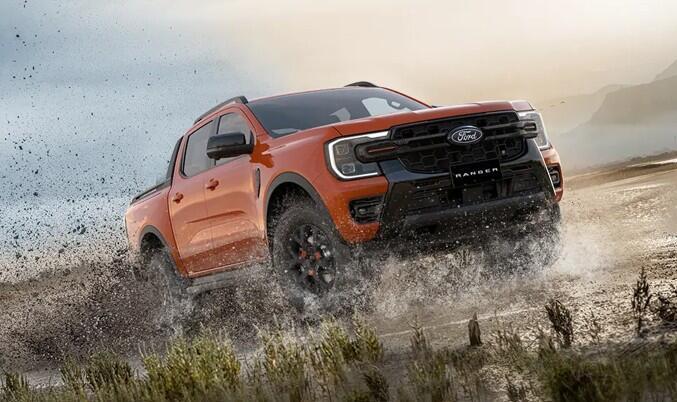
Choosing between the Ford Ranger and Ford Maverick sounds straightforward until we begin looking beneath the sheet metal. Both have four doors, five seats, open cargo beds, Ford badges, and enough versatility to make an SUV owner reconsider everything. Yet these trucks approach daily life from completely different directions.
The Ford Maverick is a compact, unibody pickup designed for commuters, homeowners, weekend adventurers, and buyers who want truck usefulness without traditional truck bulk. It feels like a practical crossover that happens to carry mulch, bicycles, camping equipment, and home-improvement supplies in the back.
The Ford Ranger is a larger, body-on-frame midsize pickup. It is built for heavier trailers, tougher terrain, larger payloads, and owners who regularly expect their truck to perform real work. It behaves more like a scaled-down full-size pickup than an oversized crossover.
So, which one should we choose?
The answer is not simply that the Ranger is stronger and the Maverick is cheaper. We need to consider how these differences affect fuel costs, parking, towing, comfort, off-road capability, cargo management, and everyday usability.
- Ford Ranger vs Maverick at a Glance
- What Is the Main Difference Between the Ford Ranger and Maverick?
- Ford Ranger vs Maverick Exterior Size
- Ford Ranger vs Maverick Engine Performance
- Ford Ranger vs Maverick Towing Capacity
- Ford Ranger vs Maverick Payload Capacity
- Ford Ranger vs Maverick Bed Size and Practicality
- Ford Ranger vs Maverick Interior Space
- Ford Ranger vs Maverick Ride Comfort
- Ford Ranger vs Maverick Fuel Economy
- Ford Ranger vs Maverick Off-Road Capability
- Ford Ranger vs Maverick in Snow
- Ford Ranger vs Maverick Technology
- Ford Ranger vs Maverick Safety and Visibility
- Ford Ranger vs Maverick for Daily Driving
- Ford Ranger vs Maverick for Work
- Ford Ranger vs Maverick for Camping and Adventure
- Ford Ranger vs Maverick Price and Ownership Costs
- Ford Ranger vs Maverick Reliability Expectations
- Ford Ranger vs Maverick Pros and Cons
- Who Should Buy the Ford Maverick?
- Who Should Buy the Ford Ranger?
- Ford Ranger vs Maverick: Our Final Verdict
- Frequently Asked Questions
Ford Ranger vs Maverick at a Glance
Before diving deeper, here is the basic personality of each truck:
| Category | Ford Maverick | Ford Ranger |
|---|---|---|
| Vehicle class | Compact pickup | Midsize pickup |
| Construction | Unibody | Body-on-frame |
| Best environment | Cities, suburbs and light-duty adventures | Work sites, trails and regular towing |
| Maximum available towing | 4,000 pounds | 7,500 pounds |
| Maximum available payload | 1,500 pounds | 1,767 pounds |
| Bed length | Approximately 4.5 feet | Approximately 5 feet |
| Fuel-efficient option | Hybrid powertrain | Turbocharged gasoline engine |
| Off-road potential | Moderate to strong, depending on trim | Strong to exceptional |
| Driving character | Car-like and maneuverable | Truck-like and substantial |
| Best for | Everyday utility | Heavy-duty recreation and work |
Ford lists a maximum available towing capacity of 4,000 pounds and a maximum available payload of 1,500 pounds for the 2026 Maverick. The 2026 Ranger can tow up to 7,500 pounds and carry up to 1,767 pounds when properly configured.
Those figures immediately reveal the central difference. The Maverick covers ordinary pickup duties. The Ranger creates more room for heavier equipment, larger trailers, and demanding terrain.
What Is the Main Difference Between the Ford Ranger and Maverick?
The most important difference is not horsepower, price, or bed length. It is construction.
Unibody Construction in the Maverick
The Maverick uses unibody construction, meaning its body and structural platform work as one integrated unit. This is common among passenger cars and crossovers.
Why does that matter?
A unibody vehicle generally feels lighter, smoother, and more responsive on paved roads. It can deliver better fuel economy while requiring less effort to steer and park. That makes the Maverick feel approachable, even for someone who has never owned a pickup.
We might describe it as a multitool disguised as a daily driver. It gives us a bed and useful capability without constantly reminding us that we are driving a truck.
Body-on-Frame Construction in the Ranger
The Ranger places its body on a separate, rigid frame. This traditional truck construction supports higher towing demands, stronger off-road performance, and better durability when carrying heavy loads over rough surfaces.
However, that strength comes with consequences. The Ranger feels taller, heavier, and more substantial. Its ride can feel firmer, particularly when the bed is empty.
The Ranger is the work boot of the pair. It may not feel as light as a running shoe, but it is better prepared when the road becomes rocky and the job becomes serious.
Ford Ranger vs Maverick Exterior Size
Size affects almost every moment of ownership, from fitting inside a garage to navigating a crowded parking lot.
Is the Ranger Much Bigger Than the Maverick?
Yes, although the difference is not as dramatic as comparing the Maverick with an F-150.
The Ranger is longer, wider, taller, and positioned higher above the ground. We notice the difference immediately when standing beside the trucks. The Ranger has a broader stance and more traditional pickup proportions, while the Maverick looks lower and more compact.
That extra Ranger size helps create:
- Greater ground clearance
- A longer cargo bed
- A more commanding driving position
- More substantial towing stability
- Better clearance around rough trails
The Maverick’s smaller footprint brings different advantages:
- Easier parallel parking
- Better maneuverability in urban traffic
- Less intimidating dimensions
- Easier garage access
- More convenient loading height
Why Maneuverability Matters More Than We Think
A truck can possess impressive specifications and still become frustrating if it feels oversized for our routine.
Suppose we drive through narrow city streets, use underground parking garages, or regularly visit busy shopping centers. In that case, the Maverick’s compact dimensions may provide more value than thousands of pounds of unused towing capacity.
The Ranger is manageable by pickup standards, but the Maverick slips into everyday life like a backpack. It is simply easier to carry around.
Ford Ranger vs Maverick Engine Performance
Both trucks use modern Ford powertrains, but their priorities differ.
Ford Maverick Powertrain Character
The Maverick has become particularly attractive because of its fuel-conscious powertrain choices. Its available hybrid system is designed around efficient commuting, smooth low-speed operation, and reduced fuel consumption.
Ford lists EPA estimates of up to 42 mpg in the city and 35 mpg on the highway for an appropriately equipped 2026 Maverick XLT. Actual mileage will vary according to configuration, driving conditions, cargo, weather, and driving habits.
A turbocharged EcoBoost option is better suited to buyers who want stronger acceleration, available all-wheel drive, or maximum Maverick towing capability.
Neither powertrain turns the Maverick into a heavy-duty machine, but that is not the goal. It prioritizes accessible power and everyday efficiency.
Ford Ranger Engine Performance
The Ranger delivers the stronger and more traditional truck experience. Depending on the trim, buyers can access turbocharged engines that provide more low-end torque and considerably greater towing muscle.
The standard Ranger engine already delivers useful power, while an available V6 gives the midsize truck a stronger surge when merging, climbing grades, carrying cargo, or pulling a trailer.
At the top sits the Ranger Raptor, which uses a performance-focused 3.0-liter EcoBoost V6. Ford lists up to 430 pound-feet of torque for the 2026 Ranger Raptor, although its specialized off-road configuration reduces its maximum towing and payload figures compared with certain conventional Ranger models.
Which Truck Feels Faster?
This depends on the configuration.
A turbocharged Maverick can feel surprisingly quick because it is relatively light and responds eagerly in urban driving. The Ranger’s available V6 offers deeper reserves of power, particularly under load.
Without a trailer, the Maverick may feel more playful. With a trailer or a bed full of equipment, the Ranger feels more relaxed.
This content may interest you! Mitsubishi Triton Years to Avoid in New Zealand: A Used-Buyer’s Guide
Ford Ranger vs Maverick Towing Capacity
Towing is one of the clearest reasons to move from a Maverick to a Ranger.
How Much Can the Ford Maverick Tow?
The standard Maverick towing capacity is 2,000 pounds. When properly equipped with the available towing package, it can tow up to 4,000 pounds.
That may be sufficient for:
- A small utility trailer
- Lightweight personal watercraft
- Compact camping trailers
- Small boats
- Motorcycles or ATVs
- Landscaping equipment
Four thousand pounds is meaningful capacity. It is not merely decorative capability for advertisements. However, we need to account for trailer weight, cargo, passengers, accessories, tongue weight, and the specific truck configuration.
How Much Can the Ford Ranger Tow?
The 2026 Ranger can tow up to 7,500 pounds when properly equipped, nearly doubling the Maverick’s maximum rating.
That opens the door to:
- Larger travel trailers
- Heavier boats
- Enclosed equipment trailers
- Multiple recreational vehicles
- Heavier work machinery
- Larger utility trailers
The extra capability also provides a comfortable margin. Even when a trailer falls below the Maverick’s maximum rating, the Ranger may feel more stable and less strained, particularly during highway travel, steep climbs, or windy conditions.
Do Not Buy Only for the Maximum Number
Maximum towing capacity represents a properly equipped configuration operating within several weight limits. It does not mean every Ranger can tow 7,500 pounds or every Maverick can tow 4,000 pounds.
Before towing, we should confirm the exact vehicle’s ratings and consider:
- Gross vehicle weight rating
- Gross combined weight rating
- Maximum payload
- Tongue weight
- Trailer brake requirements
- Passenger and cargo weight
- Hitch and equipment ratings
For occasional towing of a lightweight trailer, the Maverick remains sensible. For frequent towing or loads approaching 4,000 pounds, the Ranger offers the safer and more flexible ownership experience.
Ford Ranger vs Maverick Payload Capacity
Payload refers to the weight carried inside the vehicle and cargo bed, including passengers, tools, luggage, accessories, and trailer tongue weight.
The Maverick offers up to 1,500 pounds of available payload capacity. The Ranger reaches up to 1,767 pounds in specific configurations.
On paper, the payload gap looks smaller than the towing difference. In practice, the Ranger’s heavier-duty chassis, longer bed, and available power make it more comfortable for demanding work.
When the Maverick Has Enough Payload
The Maverick is well suited to carrying:
- Bags of soil or mulch
- Camping supplies
- Bicycles
- Home-improvement materials
- Household appliances
- Sports equipment
- Tools for light trade work
When the Ranger Makes More Sense
The Ranger becomes more appropriate when we regularly carry:
- Heavy construction tools
- Dense building materials
- Off-road equipment
- Large coolers and recovery gear
- Trailer tongue weight
- Commercial supplies
- Heavy rooftop or bed-mounted accessories
Payload varies by trim and equipment. Adding four-wheel drive, luxury features, off-road equipment, or larger engines may reduce the amount we can legally carry.
Ford Ranger vs Maverick Bed Size and Practicality
A pickup bed is more than an empty rectangle. Its height, length, outlets, tie-down points, storage solutions, and accessory compatibility all influence usefulness.
The Maverick FLEXBED Advantage
The Maverick’s bed is short, but Ford designed it to be unusually configurable. Its FLEXBED system supports dividers, tie-down solutions, racks, lighting, and do-it-yourself storage arrangements.
The low bed height is another quiet advantage. Loading bicycles, bags of cement, coolers, or heavy equipment requires less lifting.
For weekend projects and household errands, the Maverick bed often feels more useful than its dimensions suggest. It is like a small apartment with clever storage: limited space, intelligently arranged.
The Ranger’s Larger Cargo Bed
The Ranger provides a bed of roughly five feet in its current crew-cab configuration, compared with the Maverick’s approximately 4.5-foot bed. Ford’s technical information lists a 59.6-inch floor length for the Ranger box.
That extra space helps with:
- Longer tools
- Larger coolers
- Camping systems
- Dirt bikes
- Building supplies
- Bed-mounted tents
- Commercial equipment
The Ranger bed also benefits from the broader ecosystem of midsize-truck accessories, including bed caps, drawer systems, heavy-duty racks, and overlanding equipment.
Which Bed Is Better?
The Maverick bed is easier to reach and creatively organized.
The Ranger bed is larger and better suited to serious equipment.
For most household jobs, either will work. For regular commercial work or adventure gear, the Ranger gives us more breathing room.
Ford Ranger vs Maverick Interior Space
Both trucks seat five, but neither provides limousine-like rear accommodations.
Maverick Interior Experience
The Maverick cabin emphasizes simplicity and clever storage. It uses open compartments, door-pocket solutions, and practical surfaces rather than pretending to be a luxury sedan.
Its lower step-in height makes entry easier for children, older passengers, and anyone who dislikes climbing into a tall truck.
The rear seat is useful for adults, although taller passengers may prefer shorter journeys. Under-seat storage adds valuable space for smaller items we do not want exposed in the bed.
Ranger Interior Experience
The Ranger feels more substantial from the driver’s seat. Its upright position, taller hood, larger displays on upper trims, and broader truck proportions create a stronger sense of occasion.
Rear-seat space is competitive for a midsize pickup, but the Ranger is not automatically more spacious in every measurable direction simply because it is larger outside. Body-on-frame packaging and a higher floor can influence leg position.
The Ranger’s available technology and premium finishes can feel more sophisticated, especially in Lariat and Raptor forms.
Ford Ranger vs Maverick Ride Comfort
Here the Maverick usually holds the advantage.
Why the Maverick Feels More Like a Car
Its unibody platform, independent suspension character, lower center of gravity, and compact footprint help it remain composed on ordinary roads.
This content may interest you!Mitsubishi Triton Reliability New Zealand: Is It a Dependable Ute?Potholes, tight corners, and abrupt lane changes generally feel less dramatic. Steering is light, and the truck feels easy to place between lane markings.
For a long daily commute, the Maverick asks less from the driver.
Why the Ranger Feels More Like a Truck
The Ranger’s structure is designed to manage heavy loads, towing forces, and rough terrain. When unloaded, that capability can produce a firmer or busier ride over broken pavement.
This does not make the Ranger uncomfortable. Modern versions are considerably more refined than old-school compact pickups. Nevertheless, the laws of physics remain. A tougher chassis rarely floats over city streets quite like a crossover-based vehicle.
Ford Ranger vs Maverick Fuel Economy
Fuel cost may become one of the biggest long-term differences between these trucks.
Maverick Efficiency
The Maverick hybrid is the obvious choice for buyers who spend much of their time in traffic. Regenerative braking and electric assistance are especially valuable during stop-and-go driving.
Its EPA-estimated city economy can reach 42 mpg in the highlighted hybrid configuration.
That is exceptional for a pickup and can translate into significant savings for high-mileage drivers.
Ranger Efficiency
The Ranger’s turbocharged engines are modern and relatively efficient for a capable midsize pickup. Still, its heavier construction, taller body, larger tires, and stronger powertrains generally require more fuel.
When we tow regularly, the Ranger’s greater fuel consumption may be justified because it performs the task with more stability and less mechanical strain.
When we never tow and spend our lives in traffic, paying for Ranger capability at the fuel pump can feel like wearing hiking boots on a treadmill.
Ford Ranger vs Maverick Off-Road Capability
Both trucks can leave the pavement, but they do not begin with equal hardware.
Can the Maverick Go Off-Road?
Yes. Properly equipped Maverick models can manage:
- Gravel roads
- Snow-covered streets
- Maintained forest roads
- Muddy campsites
- Moderate trails
- Beach access where legally permitted
Off-road-oriented packages and trims improve traction, underbody protection, tires, and drive modes. However, the Maverick remains lower and less mechanically robust than the Ranger for severe terrain.
Its long wheelbase relative to its compact size and limited clearance can also become concerns over deep ruts or large obstacles.
Why the Ranger Is the Better Trail Truck
The Ranger offers the traditional ingredients of a serious off-roader:
- Body-on-frame construction
- Greater ground clearance
- Available four-wheel drive
- Low-range gearing
- Stronger underbody protection
- Greater suspension travel
- Better approach and departure geometry
- More substantial recovery potential
The Ranger Raptor takes this formula much further with specialized suspension, aggressive tires, additional power, and high-speed off-road engineering.
Who Actually Needs a Ranger Raptor?
Very few people need one. Many people understandably want one.
A conventional Ranger with an appropriate off-road package can already handle challenging terrain. The Raptor is for buyers who value specialized capability and excitement more than maximum payload, towing, fuel economy, or affordability.
Ford Ranger vs Maverick in Snow
The better snow vehicle depends heavily on tires, drivetrain, ground clearance, and driver judgment.
The Maverick’s available all-wheel-drive system can react smoothly to changing road conditions and feels reassuring during winter commuting. Its lower center of gravity may also make it feel predictable on slippery pavement.
The Ranger’s available four-wheel-drive system and greater clearance provide an advantage in deep snow, unplowed roads, and rural conditions. However, an unloaded pickup bed can reduce rear traction, and four-wheel drive cannot shorten braking distances.
For ordinary snowy streets, an all-wheel-drive Maverick with quality winter tires may be ideal. For deep snow and remote routes, the Ranger has the stronger foundation.
Ford Ranger vs Maverick Technology
Technology availability varies by trim, but both trucks can include modern infotainment, smartphone integration, driver-assistance features, cameras, and connectivity.
The Maverick’s technology supports its urban, lifestyle-oriented mission. Convenient infotainment and driver aids make it feel familiar to crossover owners.
The Ranger offers technology that becomes particularly useful while working or exploring. Available camera views, trailer assistance, drive modes, and off-road information can reduce the stress of maneuvering a larger truck.
We should compare actual trims rather than model names alone. A well-equipped Maverick may contain more convenience features than an entry-level Ranger.
Ford Ranger vs Maverick Safety and Visibility
The Maverick’s lower hood and smaller exterior dimensions generally make it easier to judge in traffic. We can more easily see surrounding objects and understand where the corners of the truck are located.
The Ranger provides a commanding view of the road but creates larger blind areas due to its height and dimensions. Parking sensors and camera systems become particularly valuable.
Driver-assistance features may include functions such as:
- Automatic emergency braking
- Blind-spot monitoring
- Rear cross-traffic assistance
- Lane-keeping support
- Adaptive cruise control
- Parking sensors
- Surround-view camera technology
Exact availability depends on model year, trim, packages, and market.
Ford Ranger vs Maverick for Daily Driving
For most commuters, the Maverick wins.
It is easier to park, more efficient, smoother over pavement, and less expensive to operate. Its utility does not interfere with its role as everyday transportation.
The Ranger remains perfectly usable as a daily driver, particularly for owners who enjoy a taller seating position. Yet its advantages become meaningful only when we use them.
Before paying for the Ranger, we should ask ourselves:
This content may interest you!Mitsubishi Triton Best Years New Zealand: Complete Used-Buyer Guide- How often do we tow?
- How heavy is the trailer?
- Do we regularly drive on difficult trails?
- Do we carry heavy equipment?
- Is our parking space limited?
- Will fuel costs bother us?
- Do we prefer an upright truck feel or a car-like ride?
Our weekly routine matters more than the most exciting trip we might take once every two years.
Ford Ranger vs Maverick for Work
The answer depends on the work.
Choose the Maverick for Light-Duty Work
The Maverick can be an excellent mobile tool for:
- Inspectors
- Property managers
- Technicians
- Gardeners
- Photographers
- Delivery operators
- Mobile service professionals
- Real estate contractors
It carries equipment without consuming the fuel or parking space of a larger truck.
Choose the Ranger for Demanding Work
The Ranger is more appropriate for:
- Construction crews
- Rural businesses
- Heavy landscaping
- Equipment towing
- Farm use
- Utility work
- Remote-site operations
- Frequent payload hauling
If downtime, trailer stability, and rough-road durability affect our income, the Ranger’s higher capability can justify its greater cost.
Ford Ranger vs Maverick for Camping and Adventure
Both can become capable weekend companions.
The Maverick is ideal for efficient road trips, established campgrounds, bicycles, kayaks, and lightweight camping trailers. It consumes less fuel on long highway journeys and remains easy to maneuver after returning to civilization.
The Ranger is better for remote camping, heavier trailers, rooftop tents, off-road routes, recovery equipment, and extensive gear.
Think of the Maverick as a comfortable daypack. The Ranger is a full expedition backpack. Carrying the larger one makes sense only when we need everything inside it.
Ford Ranger vs Maverick Price and Ownership Costs
The Maverick generally occupies the more affordable position in Ford’s truck lineup. However, adding premium trims, all-wheel drive, off-road equipment, hybrid upgrades, or towing packages can narrow the difference.
The Ranger begins at a higher level and can become considerably more expensive with a V6, luxury trim, or Raptor configuration.
Purchase price is only part of the equation. We should also consider:
- Fuel consumption
- Insurance premiums
- Tire replacement
- Registration costs
- Financing interest
- Maintenance
- Depreciation
- Accessories
- Parking expenses
Larger off-road tires, for example, usually cost more to replace than ordinary compact-truck tires. A Ranger may also encourage us to purchase accessories we never knew we needed until we saw them in a catalog at midnight.
Which Truck Offers Better Value?
The Maverick provides better value when we need affordable transportation with an open bed.
The Ranger provides better value when its additional capability prevents us from renting, borrowing, or upgrading to a larger truck.
Value is not the lowest price. It is paying for features we genuinely use.
Ford Ranger vs Maverick Reliability Expectations
Both trucks use modern turbocharged engines, electronics, driver-assistance systems, and complex transmissions. Long-term reliability depends on configuration, maintenance, operating conditions, and production year.
A simpler configuration may reduce potential repair complexity, but no modern vehicle is truly simple.
To improve ownership prospects, we should:
- Follow the maintenance schedule.
- Use the correct oil and fluids.
- Address warning lights promptly.
- Inspect vehicles that tow frequently.
- Wash the underbody after exposure to salt or mud.
- Avoid exceeding payload and towing limits.
- Review recalls and service campaigns.
- Obtain a pre-purchase inspection when buying used.
The best choice is not automatically the truck with the strongest reputation online. A carefully maintained example is often a safer purchase than a neglected vehicle from a supposedly superior model year.
Ford Ranger vs Maverick Pros and Cons
Ford Maverick Pros
- Excellent fuel economy with the hybrid
- Easy to park and maneuver
- Comfortable car-like ride
- Useful and configurable cargo bed
- Lower purchase and operating costs
- Practical for commuting
- Available all-wheel drive
- Up to 4,000 pounds of towing
Ford Maverick Cons
- Lower towing ceiling
- Smaller cargo bed
- Less ground clearance
- Limited severe off-road ability
- Cabin materials may feel basic
- Less suitable for constant heavy work
Ford Ranger Pros
- Up to 7,500 pounds of towing
- Stronger engine options
- Traditional body-on-frame durability
- Better off-road capability
- Larger bed
- Greater maximum payload
- More substantial truck presence
- High-performance Raptor available
Ford Ranger Cons
- Higher purchase price
- Greater fuel consumption
- Harder to park
- Firmer ride when unloaded
- More expensive tires and accessories
- Excess capability for light-duty owners
Who Should Buy the Ford Maverick?
We should choose the Maverick when most of these statements sound familiar:
- We commute frequently.
- We live in a city or dense suburb.
- We rarely tow more than 4,000 pounds.
- We want low fuel consumption.
- We need a bed for occasional projects.
- We prefer a smoother, car-like drive.
- We have limited garage space.
- We want the most affordable entry into truck ownership.
The Maverick is not a lesser Ranger. It solves a different problem.
Who Should Buy the Ford Ranger?
The Ranger is the stronger choice when:
- We tow regularly.
- Our trailer exceeds the Maverick’s limits.
- We travel on difficult trails.
- We carry heavy equipment.
- We want a traditional truck chassis.
- We need more bed space.
- We live in a rural area.
- We value off-road performance.
- We might otherwise need a full-size pickup.
The Ranger gives us room to grow. It can handle light daily duties while retaining the ability to tackle heavier jobs.
Ford Ranger vs Maverick: Our Final Verdict
The Ford Maverick is the smarter truck for the average urban or suburban buyer. It combines genuine cargo flexibility, useful towing capacity, impressive available hybrid efficiency, and easy road manners in a compact package.
It is the truck for people who need a bed more often than they need brute force.
The Ford Ranger is the better choice for frequent towing, challenging trails, heavier payloads, and buyers who want a traditional pickup experience. Its stronger chassis, higher towing limit, longer bed, and available performance hardware make it considerably more capable.
It is the truck for people whose adventures or jobs regularly push beyond ordinary household duties.
Our decision should therefore be refreshingly simple:
Choose the Maverick when efficiency, maneuverability, affordability, and everyday practicality matter most.
Choose the Ranger when towing strength, off-road capability, durability, and heavy-duty versatility justify the extra size and expense.
The best truck is not the one with the biggest number printed in the brochure. It is the one that fits naturally into our real life without making us pay every day for capability we rarely use.
Frequently Asked Questions
1. Is the Ford Maverick smaller than the Ford Ranger?
Yes. The Maverick is a compact pickup, while the Ranger belongs to the midsize category. The Maverick is easier to park and maneuver, whereas the Ranger provides greater ground clearance, a larger bed, and a more commanding driving position.
2. Can the Ford Maverick tow as much as the Ranger?
No. A properly equipped Maverick can tow up to 4,000 pounds, while a properly configured Ranger can tow up to 7,500 pounds.
This content may interest you! Ford Ranger vs F-150: Which Ford Truck Should We Buy?
3. Is the Ford Maverick better on fuel than the Ranger?
Generally, yes. The Maverick’s available hybrid powertrain is designed for high efficiency and can achieve an EPA-estimated 42 mpg in the city in the highlighted configuration. The heavier Ranger prioritizes power, towing, and off-road capability.
4. Is the Ford Ranger better for off-roading?
Yes. Its body-on-frame platform, available four-wheel drive, low-range capability, ground clearance, and specialized off-road trims make the Ranger more suitable for difficult trails. The Maverick can handle moderate off-pavement driving when properly equipped.
5. Is the Maverick a real truck?
Yes. It has an open cargo bed, meaningful payload capacity, available all-wheel drive, and up to 4,000 pounds of towing capability. It simply uses unibody construction and prioritizes everyday efficiency rather than maximum heavy-duty performance.
Leave a Reply