
Mitsubishi Triton Years to Avoid in New Zealand: A Used-Buyer’s Guide
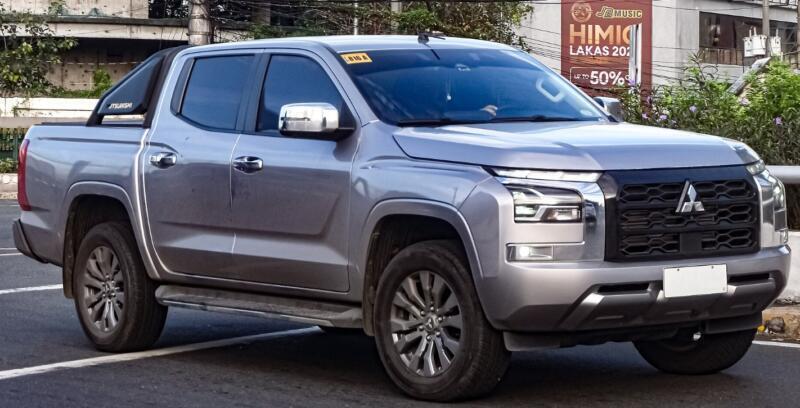
Searching for the Mitsubishi Triton years to avoid in New Zealand can feel like opening a toolbox and discovering that every mechanic has a different favourite spanner. One owner will swear their older Triton has crossed 300,000 kilometres without complaint. Another will tell us about a cooling-system failure, clogged intake or expensive engine repair that arrived without warning.
So, which story should we believe?
Both, to some extent.
The Mitsubishi Triton has earned a strong following in New Zealand because it is practical, capable and usually more affordable than an equivalent Toyota Hilux or Ford Ranger. Many examples provide years of dependable service. However, certain generations deserve more scrutiny because of known engine, cooling, intake, transmission or chassis concerns.
Our overall conclusion is straightforward:
- Approach 2006–2014 diesel Tritons with the greatest caution
- Inspect 2015–2017 models particularly carefully
- Do not reject a Triton solely because of its registration year
- Prioritise maintenance history, mechanical condition and recall completion
- Consider 2019–2023 models when the budget allows
- Treat the 2024-onward generation as promising but not yet proven over the long term
A neglected “good year” can be far worse than a carefully maintained model from a supposedly troublesome period. The badge on the tailgate tells us only part of the story; the service invoices usually tell us the rest.
- Quick Answer: Which Mitsubishi Triton Years Should We Avoid?
- Why “Years to Avoid” Is Not a Perfect Question
- Understanding the Triton Generations Sold in New Zealand
- 2006–2009 Triton: The First High-Caution Period
- 2010–2014 Triton: The Years Requiring the Most Care
- 2015–2017 Triton: Better, but Not Automatically Safe
- Is the 2018 Mitsubishi Triton a Year to Avoid?
- 2019–2023 Triton: Generally the Safer Used Choice
- Should We Avoid the 2024 and Newer Triton?
- The Real Triton Red Flags Matter More Than Model Year
- How to Inspect a Used Mitsubishi Triton in New Zealand
- Step 1: Check the Vehicle Identity
- Step 2: Check for Money Owing
- Step 3: Verify Recall Completion
- Step 4: Start It Completely Cold
- Step 5: Inspect All Fluids
- Step 6: Use a Diagnostic Scanner
- Step 7: Test the Four-Wheel-Drive System
- Step 8: Drive at Open-Road Speed
- Step 9: Inspect the Chassis on a Hoist
- Step 10: Pay for an Independent Inspection
- Best Mitsubishi Triton Years to Buy in New Zealand
- Can a High-Kilometre Triton Still Be a Good Buy?
- Petrol Versus Diesel Triton Reliability
- Manual Versus Automatic: Which Is Safer?
- How Much Should We Budget After Buying?
- Our Final Ranking of Mitsubishi Triton Years
- Conclusion: Which Triton Years Should New Zealand Buyers Avoid?
- Frequently Asked Questions
Quick Answer: Which Mitsubishi Triton Years Should We Avoid?
For New Zealand used-ute buyers, the following periods deserve the most caution:
| Model years | Generation | Risk level | Main reasons for caution |
|---|---|---|---|
| 2006–2009 | ML | High | Age, diesel cooling concerns, cambelt maintenance, hard commercial use |
| 2010–2014 | MN | High | Potential overheating or coolant-loss concerns, intake deposits, ageing components |
| 2015–2017 | Early MQ | Medium to high | Intake clogging, emissions-system issues, manual gearbox concerns and chassis inspection |
| 2018 | Late MQ | Medium | Generally improved, but condition and maintenance still matter |
| 2019–2023 | MR | Lower | Newer design, improved safety and refinement, though still requires proper diesel servicing |
| 2024 onward | New generation | Unknown long-term | Encouraging early reviews, but insufficient high-kilometre history |
This is not a list of years that will automatically fail. It is a shopping-risk guide. A 2012 Triton with excellent records, recent cooling-system work and a clean inspection may be a better purchase than a neglected 2020 example that has spent its life towing heavy equipment.
Why “Years to Avoid” Is Not a Perfect Question
Vehicles do not become unreliable when the calendar changes on 1 January. Manufacturing updates overlap, registrations occur months after production and New Zealand receives a mixture of local-new vehicles and used imports.
The more useful question is:
Which Triton generations and mechanical combinations require the most careful inspection?
That distinction matters because two utes registered in the same year may have different engines, transmissions, drivetrains and maintenance histories.
A Triton may also have spent its working life in very different conditions. One might have travelled mostly on sealed roads between Auckland and Hamilton. Another may have carried tools through forestry tracks, launched boats into salt water or pulled trailers over steep South Island passes.
Same year. Same badge. Completely different life.
Understanding the Triton Generations Sold in New Zealand
Before identifying the riskiest years, we need to understand the main generations commonly encountered in the New Zealand used market.
ML Triton: Approximately 2006–2009
The ML introduced the rounded, distinctive body shape that separated the Triton from more traditional-looking utes. It offered useful capability and remains attractive to budget-conscious buyers.
However, these vehicles are now old enough for age to become a major reliability factor. Rubber hoses harden, cooling systems accumulate corrosion, suspension bushes wear and service histories disappear.
MN Triton: Approximately 2010–2014
The MN was an evolution of the ML and became a common workhorse. It can represent good value, but diesel-engine and cooling-system condition must be investigated carefully.
New Zealand used-car guidance for the 2005–2015 Triton specifically warns that diesel versions can overheat and that serious engine damage may follow. It also notes the importance of cambelt replacement.
MQ Triton: Approximately 2015–2018
The MQ brought a newer 2.4-litre turbo-diesel engine, updated styling and a more modern cabin. It was quieter, more economical and easier to live with than many older versions.
Still, the early years are not completely trouble-free. Reported areas of concern include carbon accumulation in the intake, emissions-system behaviour, driveline wear and the need to inspect the chassis carefully on vehicles used for heavy towing or severe off-road work.
MR Triton: Approximately 2019–2023
The MR was technically an extensive facelift rather than an entirely clean-sheet model, but it brought sharper styling, more safety equipment and improved refinement.
New Zealand reviews have generally treated this generation favourably. The AA praised the restrained and effective operation of its driver-assistance warnings, while long-term local testing highlighted comfort, towing ability and fuel economy.
New-Generation Triton: 2024 Onward
The latest Triton introduced a substantially revised platform, new engine configuration and more modern technology.
Initial New Zealand reviews have been positive about its value, chassis, engine response and overall capability. However, a recently released vehicle cannot yet have a meaningful 10-year or 250,000-kilometre reliability record.
2006–2009 Triton: The First High-Caution Period
We would not automatically dismiss every 2006–2009 Triton. Some have survived demanding lives and remain honest, dependable workhorses.
Nevertheless, this is one of the main periods we would approach cautiously.
Age Is Now the Biggest Enemy
Even if the engine design is sound, a ute approaching or exceeding 20 years old can require constant attention. Potential age-related costs include:
- Cooling hoses and radiator replacement
- Water-pump or thermostat problems
- Oil leaks
- Worn engine mounts
- Cracked suspension bushes
- Wheel-bearing wear
- Corroded electrical connections
- Air-conditioning faults
- Ageing fuel-system components
- Rust beneath trays, chassis rails and mounting points
An old Triton may look inexpensive at NZ$10,000, but the purchase price is only the entrance ticket. A series of NZ$800–NZ$2,000 repairs can quickly turn a bargain into a financial sinkhole.
Cambelt History Is Essential
Older Triton diesel engines commonly use a timing belt rather than a maintenance-free timing chain. If the belt, tensioners and associated components are not replaced at the correct interval, failure can cause severe internal engine damage.
We should never accept “the previous owner probably changed it” as evidence. Look for an invoice, workshop sticker or service-book entry showing:
- Replacement date
- Odometer reading
- Parts fitted
- Workshop details
- Whether tensioners and related components were included
No proof should mean budgeting for immediate replacement.
Cooling-System Condition Can Make or Break the Purchase
An older diesel engine is much like an athlete running uphill with a blocked water bottle: it may cope briefly, but the temperature can rise quickly under load.
Before buying, check for:
- Coolant stains around the radiator or overflow bottle
- A low coolant level
- Rust-coloured coolant
- Bubbling in the expansion tank
- White exhaust smoke
- Sweet smells from the engine bay
- A temperature gauge that moves under load
- Rock-hard cooling hoses shortly after a cold start
- Evidence of repeated radiator or cylinder-head work
A standard test drive around suburban streets may not reveal an overheating problem. Ideally, the ute should be assessed from cold and then driven under sustained load.
Our Verdict on 2006–2009 Models
Avoid poorly documented examples, modified off-road vehicles and utes showing any sign of cooling-system trouble.
A well-kept model may still be worthwhile as a low-cost farm or secondary vehicle, but we would not buy one without an independent inspection.
2010–2014 Triton: The Years Requiring the Most Care
When buyers ask us to name the Mitsubishi Triton years to avoid in New Zealand, the 2010–2014 MN period usually deserves the strongest warning.
That does not mean every MN Triton is defective. It means the potential consequences of buying the wrong one can be expensive.
Overheating and Coolant-Loss Concerns
Used-car guidance published for New Zealand buyers warns that diesel Tritons from the broader 2005–2015 generation can overheat, potentially progressing to major engine failure.
The warning signs may initially be subtle:
- Coolant requires occasional topping up
- The heater changes temperature unexpectedly
- The overflow bottle fills excessively
- The engine runs normally in town but heats up when towing
- Coolant disappears without an obvious external leak
- The cooling system remains pressurised after the engine cools
- The vehicle has had several thermostats, radiators or caps fitted
A seller may describe coolant loss as “normal for an older diesel.” It is not something we should casually accept.
Why a Previous Overheat Matters
A diesel engine that has overheated can suffer damage even if it seems to run properly afterward. Potential consequences include:
- Cylinder-head distortion
- Head-gasket failure
- Cracking
- Loss of compression
- Pressurisation of the cooling system
- Coolant contamination
- Recurring overheating under load
The engine can behave perfectly during a 15-minute test drive and become problematic halfway up the Desert Road with a trailer behind it.
Carbon Build-Up in the Intake
Diesel exhaust-gas recirculation systems can allow soot and oily vapour to combine inside the intake. Over time, the mixture resembles thick black mud.
Symptoms may include:
- Sluggish acceleration
- Flat spots
- Reduced fuel economy
- Excessive smoke
- Uneven power delivery
- Engine-warning lights
- Limp-mode events
An intake clean can restore performance, but we also need to understand why the deposits formed and whether related components require attention.
Automatic and Manual Transmission Checks
Manual models should shift cleanly without crunching, jumping out of gear or producing clutch vibration. The clutch should engage progressively rather than near the top of the pedal.
Automatic models should:
- Select drive and reverse promptly
- Change gears smoothly when cold
- Avoid flaring between shifts
- Hold gears appropriately on hills
- Show no transmission warning lights
- Have evidence of sensible fluid servicing
A ute that has towed frequently may show driveline wear earlier than its odometer suggests.
Rust and Commercial Wear
New Zealand’s coastal environment can be harsh on vehicles exposed to salt, mud and wet conditions. Inspect:
- Chassis rails
- Towbar mounting points
- Tray mounts
- Suspension brackets
- Crossmembers
- Underbody protection
- Brake and fuel lines
- Areas concealed by aftermarket accessories
Fresh black paint underneath can be genuine protection—or makeup covering a problem. We should look beyond the shine.
This content may interest you! Ford Ranger Years to Avoid in New Zealand: A Used-Buyer’s Guide
Our Verdict on 2010–2014 Models
These are the Triton years we would inspect most aggressively. Walk away from unexplained coolant loss, repeated overheating, poor servicing or suspiciously fresh engine work without supporting invoices.
An excellent example can still be a useful ute. A bad one can swallow its purchase-price advantage astonishingly quickly.
2015–2017 Triton: Better, but Not Automatically Safe
The MQ generation was a major step forward. Its 2.4-litre diesel felt more modern, the cabin became more comfortable and fuel consumption improved.
For many buyers, it represents the sweet spot between affordability and modern usability. Yet the earliest MQ years deserve a careful pre-purchase inspection.
Intake and EGR Contamination
Carbon build-up remains one of the best-known concerns associated with modern diesel operation, particularly when a ute spends its life making short urban trips.
Diesels generally prefer reaching full operating temperature and travelling long enough to complete their emissions-management processes. Constant five-minute school runs are not their natural habitat.
Possible warning signs include:
- Hesitation under acceleration
- Poor low-speed response
- Surging
- Black smoke
- Increased fuel use
- Warning lights
- Uneven idle
- Reduced power
A diagnostic scan should form part of the pre-purchase inspection, even when no dashboard light is currently illuminated.
Diesel Particulate Filter Use
Not every Triton use pattern suits a DPF-equipped diesel. Short journeys and long periods of idling can interfere with regeneration.
We should ask the seller how the ute has been driven. A vehicle covering long rural distances may have had an easier emissions-system life than one used for repeated short trips through central Auckland or Wellington.
Check for:
- DPF warning history
- Forced regeneration invoices
- Frequent oil changes
- Rising engine-oil level
- Limp mode
- Excessive regeneration frequency
- Deleted or modified emissions equipment
A ute with illegally altered emissions hardware may create inspection, compliance, insurance and resale complications.
Manual Gearbox Behaviour
Some owner reports and troubleshooting records mention manual Tritons jumping out of gear. This is not proof that every manual model has a defective gearbox, but it is enough reason to test all gears carefully under acceleration and deceleration.
Do not merely drive around a flat car park. Use fifth and sixth gear where legally possible, listen for whining and check whether the gear lever moves excessively as load changes.
Chassis Inspection Matters
A technical overview of MQ problems highlights chassis cracking as an area worth examining, especially where vehicles have carried substantial loads, towed heavily or been fitted with accessories that alter load distribution.
Pay close attention to:
- Rear chassis sections
- Tray and canopy mounts
- Towbar attachment areas
- Suspension mounting points
- Signs of welding
- Distorted panel gaps between cab and tray
- Unusual tyre wear
- Sagging rear suspension
Our Verdict on 2015–2017 Models
We would not place these in the same danger category as a neglected 2010–2014 diesel. Still, they should not receive an automatic pass simply because they have the newer engine.
Look for a complete service record, clean diagnostic scan, healthy intake and emissions system, and evidence that towing and payload limits were respected.
Is the 2018 Mitsubishi Triton a Year to Avoid?
The 2018 Triton sits near the end of the MQ period and can be one of the more sensible value choices.
By this stage, owners and workshops had gained greater familiarity with the model. The vehicle was also old enough for recurring faults to become visible, but not so old that age alone dominated the purchase.
We would rate 2018 as a medium-risk year rather than a year to avoid.
The same checks still apply:
- Confirm servicing
- Scan for stored fault codes
- Examine the intake and DPF history
- Check the chassis
- Test the four-wheel-drive system
- Inspect for towing-related wear
- Verify recall completion
Condition remains more important than the final digit on the registration papers.
2019–2023 Triton: Generally the Safer Used Choice
For buyers wanting lower risk without purchasing a brand-new ute, the 2019–2023 MR generation is usually where we would begin.
It offers:
- More modern safety technology
- Improved cabin presentation
- Better road manners
- Proven 2.4-litre diesel architecture
- Strong value compared with major rivals
- Wide availability in New Zealand
- A useful choice of work-focused and lifestyle specifications
Local reviews found the later Triton comfortable and economical, with respectable towing performance and user-friendly driver-assistance technology.
These Models Still Need Inspection
“Safer” does not mean “immune.”
Potential areas to inspect include:
- DPF operation
- EGR and intake deposits
- Automatic transmission servicing
- Front suspension and steering wear
- Rear suspension fatigue
- Four-wheel-drive engagement
- Accident damage
- Underbody corrosion
- Electronic safety-system faults
- Aftermarket modifications
A three-year-old ute may have worked harder than a 10-year-old family SUV. Kilometres alone do not measure strain.
Work Ute Versus Lifestyle Ute
Look beyond trim level and paint condition.
A base-spec model may have spent every day carrying tools. A premium VRX may have towed a large boat every weekend. Conversely, either one may have enjoyed an easy life.
Useful clues include:
- Wear in the driver’s seat bolster
- Pedal condition
- Scratches around the tailgate
- Distorted tray liners
- Towbar wear
- Electric-brake controller installation
- Suspension upgrades
- Uneven rear ride height
- Mud trapped in chassis cavities
- Multiple antenna or wiring holes
The ute always leaves fingerprints of its previous life.
Should We Avoid the 2024 and Newer Triton?
No strong evidence currently justifies labelling the new-generation Triton as one to avoid.
Early New Zealand reviews have praised its smoother engine response, improved chassis, value and off-road ability.
However, long-term reliability remains unproven simply because the model is still young.
A review can tell us how a vehicle performs over a week or several months. It cannot show us how the engine, electronics and emissions equipment will behave after 250,000 kilometres of towing, dust, winter starts and rural roads.
For now, our position is:
- Promising: Yes
- Clearly unreliable: No
- Long-term proven: Not yet
- A year to avoid: Too early to claim
The Real Triton Red Flags Matter More Than Model Year
A suspicious vehicle from a strong year is still a suspicious vehicle.
No Service Records
A verbal promise is not a service history. We want invoices, stamped records and odometer-consistent documentation.
Coolant Loss
Any unexplained coolant loss should be treated seriously, particularly on older diesel models.
Cold Engine Already Warm
Arrange to see the vehicle before it is started. A warm engine may conceal difficult starting, smoke, rattles or rough idle.
Heavy Modifications
Large tyres, suspension lifts, engine tuning and aggressive off-road accessories can increase mechanical stress.
Modifications are not automatically bad, but they require a higher standard of inspection.
Freshly Cleaned Engine Bay
A clean engine bay is pleasant. An engine bay soaked in dressing immediately before sale can also hide leaks.
Look beneath the engine, around bellhousing areas and behind covers.
Warning Lights That Do Not Illuminate
When the ignition is switched on, dashboard warning lights should perform their normal self-check. A light that never appears may have been disabled.
Suspiciously Low Price
A cheap Triton can be a genuine urgent sale. It can also be a repair estimate wearing number plates.
Ask why the price is below comparable listings.
How to Inspect a Used Mitsubishi Triton in New Zealand
Step 1: Check the Vehicle Identity
Confirm that the VIN, registration information and physical vehicle match. Review whether it was sold new in New Zealand or imported later.
Step 2: Check for Money Owing
A vehicle-history check can help identify outstanding finance, previous registration issues and other relevant records.
Step 3: Verify Recall Completion
Mitsubishi Motors New Zealand provides a recall-checking service and states that qualifying recall work is completed free of charge. The NZTA also maintains a national safety-recall database.
This content may interest you! Toyota RAV4 Years to Avoid NZ: A Used-Buyer’s Guide
Do not assume a recall was completed merely because the vehicle changed owners.
Step 4: Start It Completely Cold
Listen for:
- Extended cranking
- Metallic rattles
- Rough idle
- Belt noise
- Excessive smoke
- Injector knock
- Irregular exhaust pulses
Step 5: Inspect All Fluids
Check engine oil, coolant, brake fluid and transmission condition where accessible.
Oil resembling mayonnaise, contaminated coolant or unexplained fluid loss should trigger further investigation.
Step 6: Use a Diagnostic Scanner
A scan may reveal stored, pending or recently cleared codes.
Recently cleared codes are not proof of dishonesty, but they deserve an explanation.
Step 7: Test the Four-Wheel-Drive System
Confirm that the vehicle moves correctly through its available modes. Warning lights should behave normally, and there should be no binding, grinding or delayed engagement.
Step 8: Drive at Open-Road Speed
The test drive should include:
- Low-speed manoeuvring
- Moderate acceleration
- Hill climbing
- Engine braking
- Gear changes under load
- Braking from speed
- Rougher road surfaces
- Full steering-lock checks
Step 9: Inspect the Chassis on a Hoist
A driveway inspection cannot reveal everything. A workshop hoist exposes cracks, corrosion, leaks, damaged mounts and evidence of previous repairs.
Step 10: Pay for an Independent Inspection
A professional inspection may feel expensive before purchase. It feels remarkably cheap compared with an engine replacement.
What the Inspection Should Specifically Include
Ask the technician to assess:
- Cooling-system pressure
- Signs of combustion gases in coolant
- Injector behaviour
- Turbocharger condition
- Intake contamination
- DPF-related data
- Transmission operation
- Clutch wear
- Chassis integrity
- Differential and transfer-case leaks
- Suspension condition
- Evidence of heavy towing
- Previous accident repair
A generic warrant-style check is not enough for a high-kilometre diesel ute.
Best Mitsubishi Triton Years to Buy in New Zealand
For most buyers, the strongest used-buying zone is 2019–2023, assuming the vehicle passes inspection.
Why 2019–2023 Models Stand Out
They combine:
- Modern safety equipment
- Established mechanical components
- Better comfort than older models
- Strong market availability
- Lower age-related deterioration
- More complete service records
- Better daily usability
The 2018 model can also be a strong budget alternative.
Buyers with more money may consider the 2024-onward generation, particularly when covered by a manufacturer or dealer warranty. Early reviews suggest a significant improvement in refinement and chassis behaviour, but we should continue distinguishing positive first impressions from proven long-term durability.
Can a High-Kilometre Triton Still Be a Good Buy?
Yes.
A ute with 220,000 kilometres of documented open-road travel may be healthier than one with 120,000 kilometres of short trips, excessive idling and neglected servicing.
High kilometres become less frightening when we can see:
- Consistent oil-change history
- Cooling-system maintenance
- Transmission servicing
- Cambelt replacement where applicable
- Injector or intake work
- DPF maintenance
- Suspension repairs
- Quality tyres
- Evidence of careful ownership
Low kilometres should not hypnotise us. A low odometer is only valuable when the rest of the vehicle supports the story.
Petrol Versus Diesel Triton Reliability
Diesel dominates the New Zealand Triton market because it suits towing, payload and rural work. However, diesel also brings greater mechanical and emissions-system complexity.
A petrol Triton may avoid certain diesel-specific concerns, but it can consume more fuel and may be harder to find in the desired configuration.
For typical buyers, choosing between petrol and diesel should depend on use:
- Regular towing or long rural journeys favour diesel
- Short urban trips may be less suitable for a DPF-equipped diesel
- Low annual mileage can reduce the financial benefit of diesel
- Mechanical condition matters more than fuel type alone
Buying a diesel for five-minute journeys is like buying hiking boots for the office: possible, but not the environment they were designed to enjoy.
Manual Versus Automatic: Which Is Safer?
Neither transmission is automatically superior.
A manual can be durable, but clutch and gearbox repairs may become necessary after heavy towing or poor driving. An automatic is easier in traffic and can work well, but neglected fluid and heat-related wear can create expensive problems.
Choose based on condition rather than ideology.
Manual Inspection Checklist
- Clutch does not slip
- Engagement is smooth
- No flywheel vibration
- All gears engage cleanly
- Gear lever remains in position
- No whining on acceleration or deceleration
Automatic Inspection Checklist
- Prompt selection of drive and reverse
- Smooth cold shifts
- No flare between gears
- No harsh engagement
- No shudder at steady speed
- Documented fluid servicing
- No overheating history
How Much Should We Budget After Buying?
Even after choosing a good Triton, keep money aside for initial maintenance.
A sensible post-purchase budget may cover:
- Full fluid and filter service
- Transmission or driveline fluids
- Cambelt work where required
- Cooling-system service
- Tyres
- Brake repairs
- Battery replacement
- Intake cleaning
- Suspension bushes
- Wheel alignment
The exact amount depends on age and condition, but spending the entire budget on the purchase price leaves no safety net.
For an older Triton, a repair reserve of several thousand New Zealand dollars is far more realistic than assuming nothing will go wrong.
Our Final Ranking of Mitsubishi Triton Years
Highest Caution
2006–2014
These vehicles may still be dependable, but age, cooling-system condition, cambelt history and previous commercial use make careful inspection essential.
Moderate Caution
2015–2017
A more modern generation, but buyers should investigate intake contamination, emissions-system operation, transmission behaviour and chassis condition.
Reasonable Budget Choice
2018
Often a balanced option when properly maintained.
Generally Preferred Used Years
2019–2023
Usually the best combination of age, refinement, safety, availability and mechanical familiarity.
Promising but Unproven Long-Term
2024 onward
Early impressions are strong, although meaningful long-term reliability data will take years to develop.
Conclusion: Which Triton Years Should New Zealand Buyers Avoid?
The most cautious answer is that we should be wary of 2006–2014 Mitsubishi Tritons, especially diesel models with incomplete service records, coolant loss, overheating history or uncertain cambelt maintenance.
We should also inspect 2015–2017 models carefully for intake deposits, emissions-system trouble, gearbox behaviour and signs of chassis stress.
But the model year should never make the final decision for us.
A cared-for older Triton can remain a loyal workhorse, rumbling through paddocks and hauling equipment like an old sheepdog that still knows every gate. A neglected newer ute can become a polished money pit.
For the lowest-risk used purchase, we would usually start with a well-documented 2019–2023 Triton, obtain a diagnostic scan, verify recalls and pay for an independent inspection before handing over any money.
The best Triton is not necessarily the newest, cheapest or lowest-kilometre one. It is the vehicle whose condition, history and previous use all tell the same believable story.
Frequently Asked Questions
1. What are the worst Mitsubishi Triton years in New Zealand?
The 2006–2014 period deserves the most caution because these vehicles are older and some diesel examples may experience serious cooling or overheating-related trouble. Their cambelt history, coolant condition and previous workload should be examined closely.
2. Is the 2015 Mitsubishi Triton a bad model?
Not necessarily. The 2015 MQ was more modern and efficient than the previous generation. However, early MQ vehicles should be checked for intake carbon, DPF or EGR-related faults, gearbox behaviour and signs of chassis stress.
3. What is the most reliable used Triton year?
There is no single guaranteed year, but well-maintained 2019–2023 MR Tritons are generally among the most attractive used choices. They are newer, more refined and widely available while retaining an established diesel powertrain.
4. How many kilometres can a Mitsubishi Triton last?
A properly maintained Triton can cover high kilometres, but longevity depends heavily on servicing, cooling-system health, driving conditions and towing history. A documented 200,000-kilometre example can be safer than a neglected ute showing far fewer kilometres.
5. Should I buy a Triton with more than 200,000 kilometres?
It may be worth considering when it has detailed service records and passes a diesel-specialist inspection. Check the cooling system, injectors, turbocharger, intake, DPF, transmission, chassis and four-wheel-drive system before purchasing.
This content may interest you! Most Reliable Vehicles to Buy in New Zealand
Leave a Reply