
Ford Ranger Years to Avoid in New Zealand: A Used-Buyer’s Guide
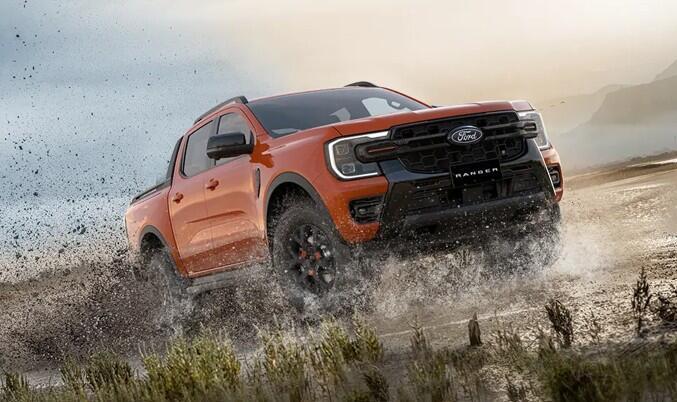
The Ford Ranger is woven into New Zealand motoring culture. We see it hauling tools through Auckland traffic, towing boats toward Taupō, climbing muddy farm tracks in Waikato, and carrying families across the South Island. It is practical, capable, handsome, and available in enough configurations to fill an entire dealership yard.
However, not every used Ranger deserves a place in our driveway.
Certain model years demand more caution because they combine age, known mechanical weaknesses, complicated powertrains, hard commercial use, or incomplete recall work. That does not mean every Ranger from those years is unreliable. A carefully maintained example can still be an excellent purchase, while a neglected “good year” can become a four-wheeled money pit.
So, which Ford Ranger years should we avoid in New Zealand?
As a practical rule, early PX Rangers from approximately 2011 to 2014 deserve the greatest caution, particularly high-kilometre 3.2-litre automatic models with weak service records. Some 2015–2018 Rangers also require close inspection, while 2019–2021 2.0-litre Bi-Turbo models should be assessed carefully for transmission, cooling, emissions-system, and maintenance concerns.
Let’s break the risks down properly rather than throwing every Ranger into the same mechanical bucket.
- Quick Answer: Ford Ranger Years to Avoid in New Zealand
- Why Model Year Alone Does Not Tell the Whole Story
- 2011–2014 Ford Ranger PX1: The Main Years to Approach Carefully
- Early 3.2-Litre Five-Cylinder Diesel Concerns
- Automatic Transmission Problems in Older PX Rangers
- 2015–2018 Ford Ranger PX2: Better, but Not Risk-Free
- 2017–2019 Ranger Recall Considerations
- 2019–2021 Ford Ranger PX3: Bi-Turbo and 10-Speed Caution
- The 10-Speed Automatic: What Should Buyers Watch For?
- Should We Avoid the 2022 Next-Generation Ranger?
- Are Newer 2023–2025 Rangers Automatically Safer Purchases?
- Ford Ranger Engines: Which One Should We Choose?
- The Ranger Years We Would Target Instead
- Red Flags That Should Make Us Walk Away
- Check for Off-Road and Worksite Damage
- Inspect Modifications Carefully
- How to Test-Drive a Used Ford Ranger
- Service History: What Do We Actually Want to See?
- How Much Should We Budget After Buying?
- Is a High-Kilometre Ranger Worth Buying?
- Final Verdict: Which Ford Ranger Years Should We Avoid?
- Frequently Asked Questions
Quick Answer: Ford Ranger Years to Avoid in New Zealand
The Ranger years we would approach most carefully are:
- 2011–2014 PX1 Ranger: highest overall caution due to age, early-production problems, cooling-system concerns, injector issues, transmission complaints, and the possibility of hard commercial use.
- 2015–2018 PX2 Ranger: not necessarily a year range to reject, but neglected 3.2-litre automatic models can produce expensive engine, EGR, turbo, and gearbox repairs.
- 2019–2021 PX3 Bi-Turbo Ranger: inspect the 2.0-litre Bi-Turbo engine and 10-speed automatic carefully, especially where servicing has been irregular.
- Early 2022 next-generation Ranger: generally promising, but the first production year of a new generation deserves extra scrutiny for software updates, recall work, and early manufacturing corrections.
The most important message is simple: avoid neglected Rangers, not merely registration years.
A Ranger with complete servicing, documented repairs, clean diagnostics, and responsible ownership can be safer than a newer vehicle that has spent its life towing above its comfort zone and receiving bargain-basement maintenance.
Why Model Year Alone Does Not Tell the Whole Story
Used-vehicle advice often becomes too simplistic. We hear phrases such as “never buy a 2013 Ranger” or “the 2018 model is bulletproof.” Real life is rarely that tidy.
Two Rangers built in the same month can age very differently.
One may have travelled mostly on sealed roads, received scheduled servicing, and lived in a dry garage. The other may have towed heavy machinery, idled for hours on worksites, swallowed mud through farm tracks, and had its warning lights cleared before every sale.
That difference matters more than the badge on the tailgate.
Usage Can Matter More Than Mileage
A Ranger showing 120,000 kilometres is not automatically better than one showing 190,000 kilometres.
The lower-mileage ute may have:
- Completed constant short urban journeys
- Suffered interrupted diesel particulate filter regeneration
- Towed heavy trailers
- Spent hours idling
- Been modified poorly
- Missed time-based servicing
Meanwhile, the higher-mileage Ranger may have spent its life cruising long distances between regional centres, which is often easier on a diesel engine.
We should treat the odometer as one clue, not a final verdict.
New Zealand Rangers Often Work Hard
Many Rangers are not lifestyle ornaments. They are work vehicles.
They may have been used by builders, forestry crews, farmers, utility companies, rental fleets, and contractors. Their engines, cooling systems, transmissions, suspension components, and differentials can therefore experience far more strain than those of an ordinary family SUV.
A freshly polished bonnet can hide a very tired mechanical story.
2011–2014 Ford Ranger PX1: The Main Years to Approach Carefully
The first PX-generation Ranger arrived as a major leap forward. It offered stronger road manners, modern diesel engines, improved towing ability, and a much more comfortable cabin than older work-focused utes.
Yet early examples are now among the Rangers we would inspect most aggressively.
A New Zealand used-buying guide published by Driven noted that early PX-generation vehicles had reports involving diesel injector leaks, noisy transmissions, and coolant leaks, while costly engine and gearbox failures had also been reported.
Age now adds another layer to the equation. Even a well-designed component can eventually become fragile after more than a decade of vibration, towing, heat cycles, mud, moisture, and deferred maintenance.
Why Early PX1 Rangers Carry Greater Risk
The 2011–2014 models sit in an uncomfortable zone. They are modern enough to contain complicated diesel and electronic systems, but old enough for those systems to be heavily worn.
Common areas demanding attention include:
- Cooling-system leaks
- Diesel injector sealing or performance problems
- EGR-system contamination
- Turbocharger and boost-hose faults
- Automatic transmission behaviour
- Electrical wiring damage
- Four-wheel-drive engagement problems
- Worn suspension and steering components
- Oil leaks and neglected servicing
None of these faults affects every vehicle. The issue is that several can appear together on a poorly maintained example.
A cheap PX1 can look like a bargain at first and then begin consuming money like a thirsty V8 consumes petrol.
Early 3.2-Litre Five-Cylinder Diesel Concerns
The 3.2-litre five-cylinder turbo-diesel remains popular because it feels muscular and suits towing. It produces the sort of low-speed shove that makes a loaded trailer feel less intimidating.
However, the engine should not be treated as indestructible.
Cooling-System Problems
Cooling-system condition is critical on any used 3.2-litre Ranger.
We should inspect for:
- Coolant residue around hoses and joins
- A low coolant level
- Staining around the expansion tank
- Signs of overheating
- A sweet coolant smell after driving
- Pressurised or unusually hard coolant hoses
- Temperature fluctuations
- Evidence of a recently replaced radiator without supporting paperwork
An overheated diesel can move from “small leak” to “major engine repair” frighteningly quickly.
A replacement hose is manageable. A damaged cylinder head is a different conversation entirely.
Oil-Service Sensitivity
The 3.2-litre engine requires correct servicing procedures and appropriate oil.
Mechanical guides discussing this engine commonly highlight oil-pump concerns, EGR cooler failures, injector damage caused by contaminated fuel, split intercooler hoses, wiring wear, and six-speed automatic transmission issues.
For buyers, this means service documentation must show more than occasional stamps. We want evidence that the correct oil specification was used and that servicing was performed consistently.
A vague statement such as “my mate always serviced it” should not fill us with confidence.
Be Careful After an Oil Change
Some 3.2-litre engines have specific oil-draining and priming considerations. An owner or workshop unfamiliar with the correct procedure may create lubrication problems.
When viewing a Ranger, we should ask who serviced it, what oil was used, and whether any oil-pressure warnings appeared after maintenance.
The seller’s reaction can reveal almost as much as the answer.
Automatic Transmission Problems in Older PX Rangers
The six-speed automatic can drive smoothly when healthy, but neglected or hard-worked examples may develop costly issues.
Warning signs include:
- Delayed engagement when selecting Drive or Reverse
- Harsh shifting
- Flaring between gears
- Shuddering under light acceleration
- Thumps when slowing down
- Transmission-temperature warnings
- Fluid leaks
- A whining or droning sound
- Gearbox behaviour that changes once hot
We should perform more than a five-minute test drive around the dealership block.
The transmission should be tested from cold, through stop-start traffic, at open-road speed, on hills, and during moderate acceleration. Some faults only become noticeable after the fluid and internal components reach operating temperature.
“Sealed for Life” Does Not Mean Immortal
Owners sometimes assume an automatic transmission needs no attention because it was marketed as low maintenance.
That belief can become expensive.
A transmission hauling trailers, climbing steep roads, or operating in heat may benefit from preventative fluid servicing performed by a knowledgeable specialist. When buying, we should look for evidence that the owner treated the gearbox as a working mechanical unit—not a magical sealed box.
2015–2018 Ford Ranger PX2: Better, but Not Risk-Free
The facelifted PX2 introduced updated styling, improved technology, and refinements that made the Ranger feel more polished. These models are often attractive used buys because they look relatively modern without carrying new-vehicle prices.
Should we avoid all 2015–2018 Rangers? No.
However, we should avoid buying one casually.
This content may interest you! Ford Ranger Years to Buy New Zealand: The Best Used Models
Problems to Check on PX2 Rangers
Potential trouble areas include:
- EGR valve or cooler faults
- Diesel particulate filter issues on relevant variants
- Turbocharger wear
- Split or leaking intercooler hoses
- Injector problems
- Cooling-system deterioration
- Automatic gearbox shudder or harsh shifts
- Transfer-case and four-wheel-drive faults
- Faulty sensors
- Electrical accessories damaged by aftermarket installations
By this age, maintenance quality becomes decisive.
A Ranger with invoices for scheduled servicing, coolant replacement, transmission care, and corrected recall work is far more appealing than a vehicle with shiny wheels and no paperwork.
2015 and 2016 Models Deserve Extra Inspection
Early facelift examples can represent good value, but they are also old enough to have accumulated substantial wear.
These model years often appeal to buyers searching for a cheaper Wildtrak or well-equipped XLT. That popularity can create a trap: we become emotionally attached to the trim level and ignore the mechanical condition.
Leather seats do not repair injectors. A sports bar does not strengthen a tired transmission.
When comparing vehicles, we would choose a mechanically healthy XL over a neglected Wildtrak every day of the week.
2017–2019 Ranger Recall Considerations
Recall history does not automatically make a vehicle unreliable. Recalls are issued so manufacturers can correct defects, and properly completed recall work may remove the risk entirely.
The real concern is an outstanding campaign.
New Zealand’s official vehicle safety recall database has listed Ford Ranger and Everest vehicles from the 2017–2019 model-year range in connection with recall-remedy requirements.
Ford New Zealand allows owners and prospective buyers to check recall status using the vehicle’s 17-digit VIN.
Never Rely Only on the Seller’s Word
Before buying, we should:
- Obtain the VIN.
- Check it through Ford New Zealand’s recall system.
- Search the New Zealand vehicle safety recall database.
- Ask a Ford dealer to confirm outstanding campaigns.
- Request invoices or dealer records for completed work.
A seller saying “I think all recalls were done” is not documentation.
The VIN tells the truth.
2019–2021 Ford Ranger PX3: Bi-Turbo and 10-Speed Caution
The PX3 brought updated safety technology, refreshed styling, and the increasingly popular 2.0-litre Bi-Turbo diesel paired with a 10-speed automatic.
On paper, the combination is impressive. It delivers strong performance from a relatively small engine and provides closely spaced gears for towing, overtaking, and daily driving.
But complexity is a double-edged sword.
More turbocharging hardware, additional transmission ratios, emissions equipment, sensors, and software create more places for poor maintenance to cause trouble.
Does the 2.0-Litre Bi-Turbo Make the Ranger Unreliable?
Not automatically.
Many owners have covered substantial distances without major failures. The powertrain can perform extremely well when correctly maintained.
Still, we would be cautious with 2019–2021 examples showing:
- Missing or inconsistent service records
- Long oil-change intervals
- Engine warning lights
- Abnormal turbo noise
- Hesitation or reduced power
- Coolant loss
- Transmission hunting
- Repeated software updates without clear resolution
- Evidence of heavy towing
- Performance modifications
The Bi-Turbo engine is less forgiving of careless servicing than an old, low-output diesel tractor engine. It is a sophisticated power unit, and it needs to be treated accordingly.
The 10-Speed Automatic: What Should Buyers Watch For?
Ten gears allow the engine to stay close to its ideal operating range. When everything works properly, the transmission can feel responsive and efficient.
However, suspicious behaviour should not be dismissed as “just how they drive.”
During a test drive, watch for:
- Repeated gear hunting
- Harsh downshifts
- Delayed take-up
- Shuddering
- Clunks at low speed
- Unusual vibration under load
- Gears being skipped unpredictably
- Warning messages
- Different behaviour when cold and hot
Some shift characteristics may be improved through software updates or adaptive relearning. Others may indicate mechanical wear.
We should never assume the cheapest explanation without professional diagnosis.
A Ranger may drive perfectly when empty but behave differently with a heavy trailer.
Look for signs of long-term towing use:
- Permanently fitted electric brake controller
- Worn tow ball
- Scratches around the hitch
- Rear suspension sag
- Transmission cooler modifications
- Heavy-duty springs
- Uneven rear tyre wear
- Extensive stone damage beneath the vehicle
Towing is what the Ranger was built to do. It is not automatically harmful. But repeated heavy towing without proactive maintenance can accelerate wear.
Should We Avoid the 2022 Next-Generation Ranger?
The next-generation Ranger launched in New Zealand with updated engines, a redesigned chassis, modern technology, and new powertrain choices.
Ford’s New Zealand launch information listed a 3.0-litre V6 turbo-diesel producing 184 kW and 600 Nm, alongside 2.0-litre Bi-Turbo and single-turbo diesel options.
The 2022 model is not a clear “avoid” year. However, it was the first year of a major new generation, and first-year vehicles can experience software glitches, production changes, and early service campaigns.
Why First-Year Vehicles Deserve Caution
An all-new model introduces many fresh components simultaneously:
- Electronic architecture
- Infotainment software
- Driver-assistance systems
- Body hardware
- Wiring layouts
- Cooling arrangements
- Transmission calibration
- New engine configurations
Manufacturers usually refine these systems as real-world data arrives.
A 2022 Ranger with updated software, completed recalls, dealer history, and remaining warranty support can be an excellent vehicle. A neglected early example with unresolved warning messages is less attractive.
The lesson is not “avoid every 2022 Ranger.” It is “do not pay a premium without verifying its history.”
Are Newer 2023–2025 Rangers Automatically Safer Purchases?
Newer vehicles generally offer lower mileage, more warranty coverage, and less age-related wear. Nevertheless, they still require VIN and history checks.
Safety campaigns can affect recent vehicles too. Recall databases evolve as manufacturers identify defects, which is why a current VIN search should be part of every purchase—not only purchases involving old utes.
Ford New Zealand specifically recommends using the VIN to identify open recalls and field service actions.
In 2026, a New Zealand recall was also reported for a limited number of 2025 Ranger plug-in hybrid vehicles due to a possible EGR-valve issue.
That does not justify avoiding the entire model year. It demonstrates why precise vehicle identification matters more than internet rumours.
Ford Ranger Engines: Which One Should We Choose?
There is no single perfect Ranger engine. Each option suits a different buyer.
2.2-Litre Turbo-Diesel
The 2.2-litre diesel is sometimes overlooked beside the larger 3.2. Yet it can be a sensible choice for buyers who do not need maximum towing performance.
Advantages may include:
- Lower purchase prices
- Adequate everyday power
- Potentially lower fuel use
- Less temptation for previous owners to tow extremely heavy loads
We should still inspect the turbo, injectors, EGR system, cooling system, and service history.
3.2-Litre Five-Cylinder Diesel
The 3.2 provides strong low-speed torque and relaxed towing ability. It is widely available, and experienced independent workshops know the engine well.
Its risks increase when maintenance has been poor.
We would prioritise a 3.2 with:
- Frequent documented oil changes
- Clean coolant
- Smooth cold starts
- No excessive smoke
- Stable engine temperature
- Healthy transmission behaviour
- No unexplained warning lights
2.0-Litre Bi-Turbo Diesel
The Bi-Turbo offers strong output and a more modern driving experience. It can be a fine choice, but we should insist on excellent maintenance records.
Avoid examples with cheap tuning modules, questionable remaps, extended oil intervals, or unresolved transmission complaints.
This content may interest you!Is Ford Ranger a Good Car in New Zealand? An Honest Kiwi Buyer’s Guide3.0-Litre V6 Turbo-Diesel
The V6 provides effortless performance and impressive towing capability. Because these vehicles are newer, long-term New Zealand reliability data remains less extensive than it is for the older 2.2 and 3.2 engines.
Buy based on condition, warranty status, recall completion, and dealer history rather than assuming that the largest engine is automatically the strongest long-term choice.
The Ranger Years We Would Target Instead
Rather than naming a magical “best year,” we would focus on well-maintained examples from later in each production cycle.
Potentially appealing targets include:
- 2017–2018 PX2 models with complete maintenance and recall records
- 2020–2021 PX3 models with excellent servicing and smooth transmission operation
- 2023-onward next-generation models with current software, recall completion, and remaining warranty coverage
These are not guarantees.
A neglected 2021 Ranger can be worse than a cherished 2014. The registration year merely helps us decide how deeply to investigate.
Red Flags That Should Make Us Walk Away
Sometimes the smartest inspection decision is to stop inspecting.
We would be ready to leave if we found:
- No service history
- A warmed-up engine before arrival
- Coolant loss
- Heavy white, blue, or black smoke
- Persistent engine or transmission warnings
- Harsh gearbox engagement
- Milky engine oil
- Oil floating in the coolant
- Strong crankcase pressure
- Obvious chassis damage
- Serious underbody corrosion
- Mismatched tyres
- Poorly installed electrical accessories
- Deleted emissions equipment
- Suspiciously fresh engine cleaning
- A seller refusing an independent inspection
A cheap Ranger with several red flags is not a bargain. It is an invoice waiting for our name.
Check for Off-Road and Worksite Damage
Four-wheel-drive Rangers often lead adventurous lives.
Look beneath the vehicle for:
- Crushed bash plates
- Damaged crossmembers
- Bent suspension mounts
- Differential leaks
- Scraped fuel tanks
- Mud trapped inside chassis sections
- Damaged wiring
- Rust around impact areas
- Torn CV boots
- Worn universal joints
Saltwater exposure deserves special attention. A Ranger used to launch boats may suffer corrosion around the rear chassis, brakes, tow equipment, electrical connectors, and differential components.
A little sand in the tray is harmless. Saltwater hiding inside the chassis is not.
Inspect Modifications Carefully
Modified Rangers are common in New Zealand. Some upgrades are professionally installed and genuinely useful. Others create reliability, safety, insurance, and certification concerns.
Pay attention to:
- Suspension lifts
- Oversized tyres
- Wheel spacers
- Engine remaps
- Exhaust modifications
- DPF or EGR deletion
- Winches
- Bull bars
- Dual-battery systems
- Aftermarket lights
- Canopy wiring
- Heavy towing upgrades
Larger tyres can increase strain on wheel bearings, steering components, brakes, axles, and the transmission. Poor electrical work can produce intermittent faults that are harder to chase than a sheep through morning fog.
Ask for invoices, certification where required, and details about who completed the work.
How to Test-Drive a Used Ford Ranger
A proper test drive should be deliberate.
Start the Engine Cold
Ask the seller not to warm the Ranger before we arrive.
A cold start can reveal:
- Slow cranking
- Injector rattle
- Excessive smoke
- Timing-related noise
- Battery weakness
- Rough idle
- Glow-plug issues
- Fluid leaks
Check the dashboard before starting. All relevant warning lights should illuminate briefly and then switch off appropriately.
A warning light that never appears may have been disabled.
Test Every Driving Condition
Drive the Ranger through:
- Low-speed traffic
- Moderate acceleration
- Open-road cruising
- Hills
- Tight turns
- Reverse manoeuvres
- Rough surfaces
- Four-wheel-drive operation, where appropriate
Listen with the radio switched off.
A good ute does not need loud music to hide its soundtrack.
Recheck It After the Drive
Once the vehicle is fully warm:
- Look beneath it for fresh leaks
- Smell for coolant or burning oil
- Check for bubbling in the coolant reservoir
- Listen for turbo or belt noise
- Test hot restarting
- Reassess the transmission
- Scan for stored fault codes
A professional pre-purchase inspection should include electronic diagnostics, not only a visual check.
Service History: What Do We Actually Want to See?
A stamped booklet is useful, but detailed invoices are better.
Invoices can show:
- Oil specification
- Filter replacement
- Coolant service
- Transmission servicing
- Injector repairs
- EGR replacement
- Timing-related work
- Brake maintenance
- Differential oils
- Recall completion
- Software updates
- Repeated unresolved faults
Patterns matter.
Three invoices mentioning the same transmission shudder tell a story, even when the seller says it has “always driven like that.”
How Much Should We Budget After Buying?
Even a healthy used Ranger may need immediate maintenance.
We should keep money aside for:
- Full fluid and filter servicing
- Tyres
- Brakes
- Battery replacement
- Suspension bushes
- Wheel alignment
- Transmission inspection
- Cooling-system repairs
- Diagnostic scanning
- Catching up on deferred maintenance
Spending every dollar on the purchase price leaves no room for reality.
A sensible emergency repair fund can turn an unexpected problem from a crisis into an inconvenience.
Is a High-Kilometre Ranger Worth Buying?
It can be.
A high-kilometre Ranger with transparent ownership, motorway use, regular servicing, and documented repairs may still provide years of useful work.
We would rather buy a 220,000-kilometre Ranger with a folder of invoices than a 130,000-kilometre example with no records, a suspiciously clean engine bay, and a seller who cannot remember the last oil change.
At high mileage, check:
- Injector correction values
- Turbo condition
- Compression or crankcase pressure
- Cooling-system integrity
- Transmission operation
- Differential noise
- Driveshaft joints
- Suspension wear
- DPF condition
- Chassis fatigue
Mileage should adjust the price and inspection depth—not automatically end the conversation.
Final Verdict: Which Ford Ranger Years Should We Avoid?
For New Zealand used buyers, 2011–2014 PX1 Rangers are the years we would treat with the most caution. They are now old enough for cooling, injector, turbo, transmission, electrical, and hard-use problems to overlap.
We would also inspect 2015–2018 PX2 Rangers closely, particularly high-kilometre 3.2-litre automatics with incomplete records.
For 2019–2021 PX3 Bi-Turbo models, maintenance quality is everything. The 2.0-litre engine and 10-speed automatic can perform well, but complexity punishes neglect.
The 2022 next-generation Ranger is not automatically a year to avoid, although first-year production, software history, recalls, and warranty status should be checked carefully.
Ultimately, the worst Ranger year is the one with missing servicing, hidden overheating, unresolved transmission faults, poor modifications, and a seller hoping we will become distracted by the oversized wheels.
Buy the history. Inspect the condition. Check the VIN. Then choose the year.
Frequently Asked Questions
1. What is the worst Ford Ranger year to buy in New Zealand?
There is no universally worst year, but early PX1 Rangers from around 2011 to 2014 generally deserve the greatest caution. Their age, early-production issues, potential cooling-system faults, injector concerns, transmission wear, and likelihood of heavy commercial use make a thorough inspection essential.
2. Is the Ford Ranger 3.2 engine reliable?
The 3.2-litre five-cylinder diesel can be reliable when serviced correctly and protected from overheating. Problems are more likely when oil changes are delayed, incorrect servicing procedures are used, coolant leaks are ignored, or the vehicle has spent years towing heavily. Detailed maintenance history is more important than mileage alone.
3. Should we avoid the 2.0 Bi-Turbo Ford Ranger?
Not necessarily. The 2.0-litre Bi-Turbo delivers strong performance and suits many buyers. However, we should avoid examples with poor servicing, questionable engine tuning, coolant loss, turbo noise, warning lights, or abnormal 10-speed transmission behaviour.
4. Is a 2018 Ford Ranger a good used buy?
A well-maintained 2018 Ranger can be a strong used purchase. It sits later in the PX2 production cycle and offers modern equipment without the cost of a new model. Still, buyers should verify recall completion, cooling-system condition, transmission operation, service records, and evidence of heavy towing or off-road work.
5. How can we check whether a New Zealand Ford Ranger has an outstanding recall?
Obtain the vehicle’s 17-digit VIN and enter it into Ford New Zealand’s recall checker. We can also consult New Zealand’s official vehicle safety recall database or ask an authorised Ford dealer to confirm whether campaigns remain outstanding. Never rely solely on a seller’s verbal assurance.
This content may interest you!Ford Ranger Fuel Economy New Zealand: Real-World Guide
Leave a Reply