
Is Ford Ranger a Good Car in New Zealand? An Honest Kiwi Buyer’s Guide
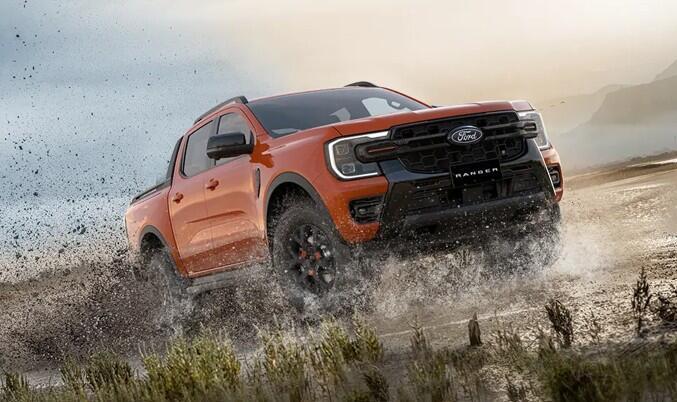
The Ford Ranger is not merely another ute on New Zealand roads. It is practically part of the landscape. We see Rangers parked outside rural supply stores, towing boats toward the coast, carrying tools through Auckland traffic, and climbing muddy tracks on farms across the country.
But popularity does not automatically make a vehicle the right choice for everyone.
So, is Ford Ranger a good car in New Zealand? For many Kiwi drivers, the answer is yes. The Ranger combines strong towing capability, comfortable road manners, useful technology, solid safety credentials, and an extensive range of configurations. It can work during the week, carry the family at the weekend, and head into the backcountry without looking out of place.
However, it is not cheap to buy, particularly in the higher trim levels. It is also large, relatively thirsty, and potentially expensive to repair once it is outside warranty. Buyers who mainly drive through crowded city streets may discover that they are paying for capability they rarely use.
In this guide, we will examine the Ranger from a New Zealand perspective. We will look at driving comfort, towing, reliability, fuel consumption, ownership costs, safety, off-road ability, family practicality, engine choices, and the differences between buying new and used.
By the end, we should have a clear answer—not just about whether the Ranger is good, but whether it is good for you.
- The Quick Verdict: Is the Ford Ranger Good in New Zealand?
- Why Is the Ford Ranger So Popular in New Zealand?
- Ford Ranger Prices in New Zealand
- How Well Does the Ford Ranger Drive on New Zealand Roads?
- Is the Ford Ranger Comfortable Enough for Families?
- Ford Ranger Towing Capacity in New Zealand
- Ford Ranger Engine Options: Which One Should We Choose?
- Ford Ranger Fuel Economy in New Zealand
- Is the Ford Ranger Reliable?
- Ford Ranger Warranty in New Zealand
- Is the Ford Ranger Expensive to Maintain?
- Is the Ford Ranger Good Off-Road?
- How Safe Is the Ford Ranger?
- Ford Ranger Versus Toyota Hilux in New Zealand
- Ford Ranger Versus Isuzu D-Max
- Ford Ranger Versus Mitsubishi Triton
- Should We Buy a New or Used Ford Ranger?
- Who Should Buy a Ford Ranger in New Zealand?
- Which Ford Ranger Model Is Best for Most New Zealanders?
- What Should We Check Before Buying a Ford Ranger?
- Final Verdict: Is Ford Ranger a Good Car in New Zealand?
- Frequently Asked Questions
The Quick Verdict: Is the Ford Ranger Good in New Zealand?
Yes, the Ford Ranger is generally a very good ute for New Zealand conditions.
It suits our mixture of motorways, rural roads, steep terrain, gravel tracks, farms, construction sites, boat ramps, and outdoor lifestyles unusually well. Most current Ranger variants offer a compelling blend of refinement and capability, while models other than the performance-focused Raptor carry a five-star ANCAP safety rating.
Its biggest strengths include:
- Strong diesel engine options
- Excellent towing ability
- Comfortable road manners for a ladder-frame ute
- Modern interior technology
- Practical cab and tray configurations
- Good off-road capability
- Broad dealer and servicing support
- Strong appeal in the New Zealand used market
Its main weaknesses include:
- High purchase prices
- Significant fuel and road-user costs
- Large exterior dimensions
- Expensive tyres, servicing, and repairs
- Possible complexity in modern diesel and automatic systems
- More vehicle than many urban owners genuinely need
The Ranger is best viewed as a versatile workhorse rather than an economical everyday car. It is like a sturdy pair of hiking boots: excellent when we need grip, strength, and protection, but excessive for a short walk to the corner dairy.
Why Is the Ford Ranger So Popular in New Zealand?
The Ranger fits the way many New Zealanders live and work.
Our roads vary enormously. A journey may begin on a smooth motorway, continue along a narrow rural road, and end on gravel, grass, or mud. The Ranger handles those transitions with far less drama than a conventional passenger car.
It is also adaptable. A tradie may use the tray for equipment from Monday to Friday, attach a boat on Saturday, and carry children or friends on Sunday. That flexibility gives the Ranger a wider audience than a traditional commercial vehicle.
Another reason is image. The Ranger feels tough without being completely agricultural. Higher-spec models such as the Wildtrak can look and feel more like premium SUVs than basic work trucks. That matters to buyers who want a vehicle capable of doing dirty jobs without feeling dirty inside.
A Ute That Can Replace Two Vehicles
For some households, the Ranger can replace both a work vehicle and a recreational SUV.
That can make its price easier to justify. Instead of owning a van or work ute plus a family vehicle, a dual-cab Ranger may perform both roles reasonably well.
Nevertheless, compromise remains. The tray is useful but less secure than an SUV boot unless we install a canopy or roller shutter. Rear-seat comfort is acceptable rather than luxurious. The ride can also feel firmer when the tray is empty.
Ford Ranger Prices in New Zealand
The Ranger covers a wide price range, beginning with commercial-oriented XL models and extending into highly equipped lifestyle and performance variants.
Ford New Zealand’s published 2026.50 model-year pricing lists the XL Single Cab Chassis Turbo from NZ$54,990 and an XL Double Cab Pick Up Turbo at NZ$59,990. V6 versions and better-equipped XLT, Sport, Wildtrak, Platinum, hybrid, and Raptor models move considerably higher. These figures are recommended retail prices and may exclude accessories or on-road costs.
That means the Ranger is not a budget vehicle.
Even an entry-level model represents a substantial investment. Once we add a canopy, tow bar, deck liner, all-terrain tyres, roof racks, bull bar, sports bar, or upgraded suspension, the final cost can climb like a steep South Island mountain road.
Is a Higher Ranger Trim Worth It?
That depends on how we intend to use it.
An XL may be the smarter choice for:
- Farm use
- Fleet operation
- Building and trade work
- Buyers prioritising durability over luxury
- Owners likely to modify the ute heavily
An XLT, Sport, Wildtrak, or Platinum may suit:
- Families
- Long-distance drivers
- Boat or caravan owners
- Buyers wanting better cabin technology
- People using the Ranger as their only vehicle
Higher trims usually improve comfort, appearance, safety equipment, infotainment, and convenience. However, they do not always improve basic utility enough to justify the price for a purely commercial buyer.
How Well Does the Ford Ranger Drive on New Zealand Roads?
One of the Ranger’s strongest qualities is the way it drives.
Traditional utes can bounce, lean, shudder, and feel vague, particularly when unloaded. The Ranger generally feels more controlled and settled than many buyers expect from a body-on-frame utility vehicle.
Independent reviews continue to describe its ride quality as one of the strongest in the segment.
On New Zealand motorways, the Ranger feels stable and confident. On open roads, its strong torque makes overtaking easier, although we still need to remember its size and weight. On coarse-chip surfaces, tyre and road noise can be noticeable, particularly with more aggressive all-terrain rubber.
Urban Driving
In towns and cities, the Ranger is easy enough to operate, but its dimensions cannot be ignored.
Parking spaces suddenly seem narrower. Older parking buildings may feel like concrete obstacle courses. Tight driveways require care, while the long bonnet and broad body can make small suburban streets feel smaller still.
Parking sensors, reversing cameras, and surround-view systems are extremely valuable on higher trims. Without them, manoeuvring a Ranger can feel like guiding a fishing boat into a bathtub.
Rural and Open-Road Driving
The Ranger feels at home outside the city.
This content may interest you! Ford Ranger vs Toyota Hilux: Which Pickup Is Better?
Its driving position provides good visibility, and diesel torque suits steep roads and heavy loads. The suspension can absorb rough surfaces effectively, although an empty tray may still create some rear-end movement over bumps.
Drivers frequently travelling on rural roads should consider:
- Quality tyres suited to local conditions
- Regular wheel alignment checks
- Proper load distribution
- Headlight adjustment when towing
- Additional underbody protection for rough tracks
- A full-size spare tyre where available
Is the Ford Ranger Comfortable Enough for Families?
Yes, especially in dual-cab form, but it is not quite a luxury SUV.
The front seats are generally supportive, and modern Ranger cabins offer large screens, useful storage, smartphone connectivity, and a dashboard that feels more polished than traditional work utes.
Rear-seat accommodation is usable for children and adults, although tall passengers may find the upright seating position less relaxing on long journeys. The ride can also become unsettled when the tray is empty.
Cabin Practicality
The Ranger cabin provides many useful storage areas for everyday life. Depending on the model, we may find:
- Large door pockets
- Centre-console storage
- Cup holders
- Rear under-seat storage
- USB charging
- Wireless smartphone integration
- Multiple power outlets
- Digital driver information
- Trailer and off-road displays
These small features make a major difference when the vehicle becomes a mobile office, family car, and weekend adventure machine.
The Tray Versus an SUV Boot
A ute tray gives us flexibility, but it needs management.
Loose shopping bags can slide around. Luggage may get wet. Tools can become theft targets. Dogs require secure restraint and weather protection.
A canopy or lockable roller cover improves the Ranger’s family usefulness considerably, but it adds cost and weight. Before buying accessories, we should calculate the remaining payload because every fitted item reduces how much legal cargo the vehicle can carry.
Ford Ranger Towing Capacity in New Zealand
Towing is one of the Ranger’s headline strengths.
Many diesel Ranger variants are rated to tow up to 3,500kg braked when properly configured. The Ranger PHEV also retains a 3.5-tonne maximum towing rating, while the forthcoming Ranger Super Duty has been promoted with a maximum braked towing capacity of 4,500kg.
That makes the Ranger attractive for towing:
- Boats
- Horse floats
- Caravans
- Machinery
- Building trailers
- Landscaping equipment
- Motorbike trailers
However, a 3,500kg rating does not mean every Ranger can automatically tow that weight safely in every situation.
Towing Capacity Is Not the Whole Story
We must consider:
- Gross vehicle mass
- Gross combined mass
- Tow-ball download
- Payload
- Passenger weight
- Accessories
- Tray load
- Trailer brakes
- Tyre condition
- Suspension setup
Imagine a Ranger carrying four adults, camping equipment, a canopy, roof racks, a fridge, recovery gear, and a heavy tow-ball load. It may reach its payload or axle limits before reaching the headline towing figure.
Which Ranger Engine Is Best for Towing?
The diesel V6 is often considered the most relaxed towing option because of its torque and effortless delivery. New Zealand towing tests have praised its ability to pull heavy loads while keeping real-world fuel consumption relatively controlled.
The smaller turbo-diesel engines can still tow strongly, but may need to work harder on steep roads or with heavier trailers.
For regular heavy towing, the V6 is usually the most convincing choice. For occasional moderate towing, a four-cylinder Ranger may offer a better balance of cost and efficiency.
Ford Ranger Engine Options: Which One Should We Choose?
The ideal engine depends on budget, workload, annual mileage, and towing needs.
Four-Cylinder Turbo-Diesel
A four-cylinder diesel Ranger generally suits buyers who want:
- Lower purchase costs
- Reasonable fuel economy
- Everyday commercial use
- Moderate towing
- A lighter front end
- Simpler justification for fleet use
It should provide enough performance for most owners. However, it may feel busier when carrying or towing near the upper end of its capacity.
V6 Turbo-Diesel
The V6 diesel offers stronger, smoother power delivery. It feels more relaxed when overtaking, climbing hills, carrying heavy loads, or towing.
Its advantages include:
- Higher torque
- Effortless acceleration
- Better heavy-load performance
- More relaxed long-distance driving
- Strong towing confidence
The disadvantages are higher purchase cost, potentially greater fuel consumption, and more expensive maintenance components.
Ranger Raptor Petrol V6
The Raptor is a specialist performance ute rather than the most practical Ranger.
It offers dramatic acceleration, advanced suspension, and serious high-speed off-road ability. Yet it costs more, consumes more fuel, sacrifices some payload and towing practicality, and does not carry the same ANCAP rating as mainstream Ranger variants. Ford states that Ranger variants excluding the Raptor are five-star ANCAP rated, while the Raptor is unrated.
The Raptor is the exciting choice, not necessarily the rational one.
Ranger Plug-In Hybrid
The Ranger PHEV adds petrol-electric power, limited electric-only driving, strong combined output, and the ability to provide external electrical power for tools or camping equipment.
Ford New Zealand quotes a combined fuel figure of 2.8L/100km under the relevant test cycle. That figure assumes regular charging and substantial electric driving; real-world consumption can be much higher once the battery is depleted or when the vehicle is towing.
The hybrid makes the most sense for owners who:
- Can charge at home or work
- Drive regular short routes
- Want mobile power for equipment
- Still require serious towing
- Can justify the higher purchase price
Ford Ranger Fuel Economy in New Zealand
Fuel economy varies widely according to engine, trim, tyre type, load, towing, road conditions, and driving style.
A diesel Ranger may appear reasonably economical for its size, but it will not match a small SUV or hybrid passenger car. V6 diesel models have recorded real-world results below 10L/100km in some New Zealand testing, although towing, city driving, short trips, and aggressive acceleration can increase that figure substantially.
An overseas review listed an official combined figure of 8.4L/100km for the Wildtrak V6, while noting that actual consumption was higher during testing.
This content may interest you!Ford Ranger vs Raptor: Which Pickup Should We Buy?What Makes a Ranger Use More Fuel?
Fuel consumption rises when we add:
- All-terrain or mud-terrain tyres
- Roof racks
- Bull bars
- A heavy canopy
- Suspension lifts
- Wider wheels
- Constant tray loads
- Frequent towing
- Short urban journeys
- Aggressive acceleration
- Long periods of idling
A heavily modified Ranger can be far less efficient than the brochure figure suggests.
Do Not Forget Diesel Road-User Charges
New Zealand diesel owners must also account for road-user charges. Fuel consumption alone does not show the complete running cost.
When comparing a diesel Ranger with a petrol or hybrid vehicle, we should calculate:
- Fuel expenditure
- Road-user charges
- Servicing
- Tyres
- Registration
- Insurance
- Depreciation
- Finance costs
That gives us a more honest picture than comparing litres per 100 kilometres alone.
Is the Ford Ranger Reliable?
The Ford Ranger can be reliable when maintained correctly, but reliability depends heavily on the generation, engine, transmission, service history, and previous use.
A privately owned Ranger used for commuting and occasional recreation may have a much easier life than one that has spent years towing machinery, crossing farms, idling on construction sites, or driving through mud and salt water.
Modern Rangers are sophisticated machines. They include turbochargers, emissions systems, sensors, electronic driver aids, automatic transmissions, four-wheel-drive controls, and complex infotainment. These features improve performance and comfort but create more potential failure points.
Common Used-Ranger Concerns
Depending on the model year and configuration, buyers may encounter issues involving:
- Diesel particulate filters
- Exhaust gas recirculation systems
- Turbocharger hoses
- Cooling systems
- Automatic transmissions
- Electronic sensors
- Batteries
- AdBlue or emissions equipment
- Four-wheel-drive components
- Infotainment faults
- Suspension wear
- Differential or driveline noise
Older manual Rangers used for towing may also show dual-mass flywheel or clutch wear. Used-vehicle guidance in New Zealand specifically warns that heavily worked manual examples can develop clutch shudder or vibration linked to flywheel wear.
Service History Matters More Than Shiny Paint
A polished Ranger with oversized wheels can hide a difficult past.
Before buying used, we should inspect:
- Complete service records
- Cold-start behaviour
- Fluid leaks
- Transmission shifts
- Underbody damage
- Chassis corrosion
- Tow-bar wear
- Uneven tyre wear
- Four-wheel-drive engagement
- Dashboard warning lights
- Smoke under acceleration
- Signs of accident repair
- Evidence of repeated beach launching
- Modifications without certification
A professional pre-purchase inspection is money well spent.
Ford Ranger Warranty in New Zealand
Ford New Zealand provides substantial warranty coverage for new Rangers.
Ford’s published warranty information states that eligible new Ranger vehicles receive a five-year or 150,000km Ford Express New Vehicle Warranty.
Some Ford pages describe broader five-year or unlimited-kilometre coverage for new vehicles but include an asterisk and model-specific conditions, so Ranger buyers should confirm the exact terms written in their sales agreement.
The original equipment battery has separate coverage of three years or 100,000km.
New Zealand buyers also retain rights under the Consumer Guarantees Act. A manufacturer’s warranty does not remove those legal protections.
Is the Ford Ranger Expensive to Maintain?
It can be.
Routine servicing may be manageable, but the Ranger has larger quantities of oil, larger tyres, heavy-duty brakes, diesel emissions equipment, four-wheel-drive components, and complex electronics.
Potential ownership expenses include:
- Scheduled servicing
- Diesel fuel
- Road-user charges
- Tyres
- Brake pads and rotors
- Transmission servicing
- Differential fluids
- Battery replacement
- Diesel emissions repairs
- Suspension bushes
- Wheel alignments
- Insurance
- Registration
- Accessory maintenance
A set of quality tyres can be costly, particularly on models with large wheels. Off-road tyres may wear quickly or become noisy if used mainly on sealed roads.
How Can We Reduce Maintenance Costs?
We can protect the vehicle by:
- Following the correct service schedule
- Using the specified oil and fluids
- Avoiding repeated short diesel trips
- Letting the engine reach operating temperature
- Checking tyre pressures monthly
- Servicing the transmission and driveline appropriately
- Washing salt and mud from underneath
- Addressing warning lights immediately
- Avoiding poor-quality modifications
- Keeping accurate maintenance records
Preventive care is cheaper than waiting for a small issue to become a mechanical avalanche.
Is the Ford Ranger Good Off-Road?
Yes. Four-wheel-drive Ranger models are very capable off-road.
Depending on the variant, features may include:
- Low-range four-wheel drive
- Rear differential lock
- Terrain drive modes
- Hill descent control
- Underbody protection
- Off-road camera views
- Strong ground clearance
- Electronic traction management
For farm tracks, forestry roads, gravel routes, muddy campsites, and boat ramps, a standard 4x4 Ranger is usually more capable than most owners will ever need.
Tyres Matter More Than Badges
A high-spec Ranger on road-focused tyres may struggle where a basic XL on suitable all-terrain tyres succeeds.
Tyres determine how effectively the vehicle can transfer power to the ground. Before spending heavily on cosmetic accessories, we should choose rubber suited to our actual driving.
Mud-terrain tyres may look heroic but can increase noise, fuel use, braking distance, and wear on sealed roads. For mixed New Zealand use, a quality all-terrain tyre is often the sensible middle ground.
Beach Driving and Salt Water
The Ranger may handle sand, but salt water is unforgiving.
After beach driving or launching a boat, rinse the chassis, brakes, suspension, tow bar, and underbody thoroughly. Salt works silently, like rust writing a slow invoice underneath the vehicle.
How Safe Is the Ford Ranger?
Current mainstream Ranger variants have strong safety credentials.
Ford states that all Ranger variants other than the Raptor carry a five-star ANCAP rating.
This content may interest you!Ford Ranger and Everest: Two Sides of the Same AdventureDepending on the model and specification, available safety technology may include:
- Autonomous emergency braking
- Lane-keeping assistance
- Blind-spot monitoring
- Rear cross-traffic alert
- Adaptive cruise control
- Traffic-sign recognition
- Trailer coverage for blind-spot monitoring
- Reversing camera
- Parking sensors
- Surround-view camera
- Driver-attention monitoring
We should still check the exact equipment of each variant. Safety technology often differs between trims, model years, cab styles, and fleet specifications.
Older Rangers may have ratings based on earlier testing protocols. Safety-star comparisons across different years are not always directly equivalent because assessment standards become stricter over time. Rightcar also publishes used-vehicle safety information that may differ by generation and variant.
Ford Ranger Versus Toyota Hilux in New Zealand
The Hilux is the Ranger’s natural rival.
The Hilux has a formidable reputation for durability, strong resale value, and proven performance in demanding conditions. The Ranger often counters with a more comfortable ride, stronger engine options, more sophisticated technology, and a more car-like cabin.
Choose the Ranger When We Prioritise:
- Road comfort
- Strong towing performance
- Cabin technology
- V6 diesel power
- Refined automatic driving
- Lifestyle appeal
Choose the Hilux When We Prioritise:
- Simplicity
- Long-established durability
- Conservative ownership
- Strong reputation in remote areas
- Traditional work-ute character
Neither is universally better. A carefully maintained Ranger is preferable to a neglected Hilux, and vice versa.
Ford Ranger Versus Isuzu D-Max
The Isuzu D-Max appeals to buyers seeking rugged simplicity, a strong diesel reputation, and practical work-focused ownership.
The Ranger generally feels more refined, powerful, and technologically advanced. The D-Max may appear less polished, but some owners value its straightforward character.
The decision resembles choosing between a multi-tool and a heavy-duty spanner. The Ranger does more things with greater finesse; the D-Max concentrates more heavily on straightforward utility.
Ford Ranger Versus Mitsubishi Triton
The Triton is often the value-oriented alternative.
It can cost less while still delivering useful towing and four-wheel-drive capability. The Ranger usually wins on powertrain choice, interior presentation, road comfort, perceived size, and overall sophistication.
A Triton may make more financial sense for a buyer who needs a dependable ute but does not require the Ranger’s premium features or stronger engines.
Should We Buy a New or Used Ford Ranger?
Buying new gives us warranty protection, the latest safety equipment, predictable history, and the ability to choose the exact specification.
Buying used can save considerable money, but only when the vehicle has been maintained properly.
Advantages of Buying New
- Full warranty
- Known history
- Latest safety technology
- Current infotainment
- Better finance options in some cases
- No hidden off-road or towing abuse
- Greater choice of trim and accessories
Advantages of Buying Used
- Lower purchase price
- Reduced initial depreciation
- Accessories may already be fitted
- Wider choice within a fixed budget
- Older models may be mechanically simpler
The Best Used Ranger Is Not Always the Newest
Condition matters more than age alone.
A slightly older Ranger with complete dealer servicing, quality tyres, one careful owner, and no modifications may be a better purchase than a newer example with missing records and a hard commercial history.
Who Should Buy a Ford Ranger in New Zealand?
The Ranger makes excellent sense for:
- Tradies carrying equipment
- Farmers and rural workers
- Boat owners
- Caravan owners
- Horse owners
- Outdoor enthusiasts
- Families needing tray versatility
- Drivers regularly using gravel roads
- Buyers wanting one vehicle for work and recreation
- Owners requiring serious towing capacity
It makes less sense for:
- Drivers living entirely in dense urban areas
- Buyers prioritising low running costs
- People who rarely carry or tow anything
- Owners uncomfortable parking large vehicles
- Households already owning a dedicated work vehicle
- Buyers wanting a soft, quiet luxury-SUV ride
- Drivers making constant short diesel journeys
Which Ford Ranger Model Is Best for Most New Zealanders?
For many buyers, the sweet spot is likely an XLT, Sport, or similarly equipped four-wheel-drive dual cab.
These variants can provide:
- Enough comfort for family use
- Genuine off-road ability
- Strong towing
- Useful safety technology
- Better value than flagship models
- More refinement than work-focused XL versions
The diesel V6 is appealing for regular heavy towing and long-distance driving. A four-cylinder diesel may be more sensible for commuting, moderate loads, and budget-conscious ownership.
The Wildtrak and Platinum provide more luxury, but we should ask whether the additional equipment improves how we will genuinely use the vehicle.
The Raptor is brilliant entertainment but difficult to justify as the rational all-rounder.
The PHEV is compelling for owners who can charge frequently and use its electrical power capability. Without regular charging, much of its efficiency advantage may disappear.
What Should We Check Before Buying a Ford Ranger?
Before signing anything, we should complete this checklist:
- Define the job. How much will we carry or tow?
- Choose the correct cab. Single, Super Cab, or Double Cab?
- Compare 4x2 and 4x4. Do we actually need low range?
- Calculate payload. Include people and accessories.
- Check towing limits. Do not rely only on the headline figure.
- Price insurance. Premiums vary by trim, location, and use.
- Estimate road-user charges. Especially for high annual mileage.
- Compare tyre costs. Large wheels can be expensive.
- Review the service history. Essential when buying used.
- Arrange an inspection. Look beyond cosmetic presentation.
- Test every electronic feature. Screens, cameras, sensors, and four-wheel drive.
- Test-drive it cold. Some faults hide once the engine warms up.
- Inspect the chassis. Look for rust, dents, mud, and impact damage.
- Check modifications. Confirm legality, certification, and quality.
- Drive it in your normal environment. City parking can be as revealing as an off-road track.
Final Verdict: Is Ford Ranger a Good Car in New Zealand?
Yes, the Ford Ranger is a very good vehicle for New Zealand—provided we need what it offers.
It is powerful, practical, comfortable, capable, and unusually versatile. It can tow a large boat, carry tools, transport a family, tackle rough terrain, and remain composed on a long motorway journey. Few vehicles can wear so many hats without looking confused.
Its strong towing ability, broad model range, modern cabin, five-star safety rating on mainstream variants, and available diesel, petrol-performance, and plug-in-hybrid powertrains make it one of the most complete ute ranges available locally.
Yet the Ranger is not automatically the best vehicle simply because it is popular.
It is expensive to purchase and operate. It takes up considerable space. Large tyres, diesel servicing, road-user charges, accessories, insurance, and repairs can create substantial ongoing costs. A small SUV or wagon may be more comfortable and economical for drivers who never tow, carry heavy equipment, or leave sealed roads.
The smartest approach is to match the Ranger to a real purpose.
When we genuinely need a hardworking ute that can also serve as a family and recreation vehicle, the Ford Ranger is one of the strongest choices in New Zealand. When we only want the appearance of capability, it may become an expensive toolbox that never leaves the garage.
Frequently Asked Questions
1. Is the Ford Ranger reliable in New Zealand?
The Ford Ranger can be reliable when it receives correct and timely maintenance. Reliability varies by model year, engine, transmission, previous workload, and service history. Used buyers should be especially cautious with heavily modified, frequently towed, or commercially worked examples.
2. Is a Ford Ranger expensive to run in New Zealand?
Yes, compared with a small car or medium SUV. Owners need to budget for diesel, road-user charges, servicing, large tyres, insurance, registration, and possible diesel-emissions or driveline repairs. Operating costs may still be reasonable when the vehicle earns income or replaces both a work ute and family SUV.
This content may interest you!Ford Ranger Fuel Economy New Zealand: Real-World Guide3. Which Ford Ranger engine is best?
A four-cylinder turbo-diesel is sufficient for most everyday and commercial users. The diesel V6 is better suited to frequent heavy towing, long-distance driving, and buyers wanting effortless performance. The PHEV suits owners who can charge regularly, while the Raptor petrol V6 is designed primarily for performance.
4. Is the Ford Ranger suitable for family use?
A dual-cab Ranger can work well as a family vehicle. It offers modern safety technology, useful storage, smartphone connectivity, and reasonable rear-seat space. However, it is larger and firmer-riding than many family SUVs, and the tray usually needs a secure cover or canopy.
5. Is a Ford Ranger better than a Toyota Hilux?
The Ranger often provides better road comfort, more advanced technology, and stronger engine choices. The Hilux has a powerful reputation for durability and straightforward ownership. The better choice depends on condition, price, intended use, servicing support, and personal preference.
Leave a Reply