
Ford Ranger Towing Capacity New Zealand: Complete Guide
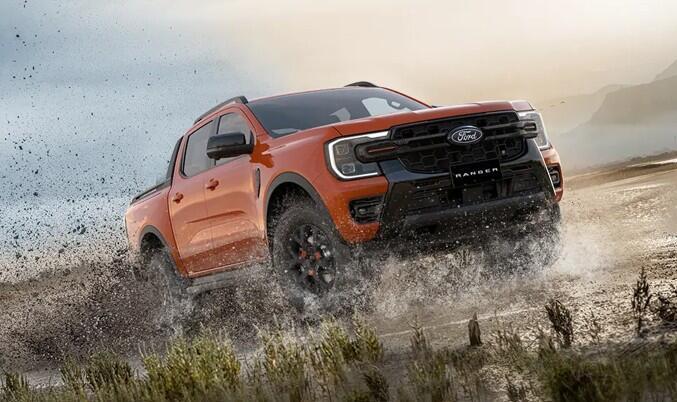
The Ford Ranger towing capacity in New Zealand is one of the ute’s biggest selling points. Whether we are pulling a work trailer through Waikato, hauling a boat toward the Bay of Islands, or taking a caravan across the South Island, the Ranger promises the muscle needed to move serious weight.
For most current Ford Ranger models sold in New Zealand, the headline figure is up to 3,500 kg of braked towing capacity. That number places the Ranger among the strongest mainstream utes available locally. The Ranger Hybrid also retains a maximum braked rating of up to 3,500 kg, while the incoming Ranger Super Duty raises the ceiling to a remarkable 4,500 kg.
However, towing capacity is not as simple as attaching a 3.5-tonne trailer and heading for the hills. The advertised maximum depends on the exact model, tow equipment, trailer brakes, payload, gross vehicle mass, gross combined mass and tow-ball download.
In other words, that shiny 3,500 kg figure is the front door—not the whole house.
This guide explains what the numbers mean, how towing limits change in real-world use and what New Zealand Ranger owners should check before connecting a caravan, boat, horse float or machinery trailer.
- What Is the Ford Ranger Towing Capacity in New Zealand?
- Understanding Braked and Unbraked Towing Capacity
- Why the 3,500 kg Figure Is Not the Whole Story
- Ford Ranger Payload While Towing
- Ford Ranger Towing Capacity by Engine
- Ford Ranger Super Duty Towing Capacity
- Can a Ford Ranger Tow a Caravan?
- Can a Ford Ranger Tow a Boat?
- Can a Ranger Tow a Horse Float?
- Ford Ranger Towing Technology
- New Zealand Towing Rules to Remember
- How to Calculate Your Real Towing Capacity
- Common Ford Ranger Towing Mistakes
- How Towing Affects Fuel Consumption
- Preparing a Ford Ranger for Heavy Towing
- Is the Ford Ranger a Good Towing Ute for New Zealand?
- Final Thoughts on Ford Ranger Towing Capacity
- Frequently Asked Questions
What Is the Ford Ranger Towing Capacity in New Zealand?
Most mainstream Ford Ranger variants in New Zealand offer a maximum braked towing capacity of up to 3,500 kg when correctly equipped.
That is enough theoretical capacity for many common loads, including:
- Large tandem-axle caravans
- Horse floats carrying one or two horses
- Medium and large recreational boats
- Enclosed vehicle trailers
- Landscaping and construction equipment
- Farm trailers
- Heavy camping trailers
- Machinery and commercial loads
The crucial words are “up to.” Not every Ranger configuration, trailer or loading arrangement will let us use the entire maximum capacity safely.
Ford states that its maximum rating applies to braked trailers and that occupants or luggage may need to be restricted to remain within the Ranger’s gross vehicle mass and gross combined mass limits.
That detail matters. A Ranger may technically be capable of towing a 3,500 kg trailer, yet adding passengers, tools, a canopy, a bull bar and camping gear could push the vehicle beyond another legal or manufacturer-defined limit.
Ford Ranger Towing Capacity at a Glance
| Ranger type | Maximum braked towing capacity |
|---|---|
| Mainstream current Ranger range | Up to 3,500 kg |
| Ranger Hybrid | Up to 3,500 kg |
| Ranger Super Duty | Up to 4,500 kg |
| Unbraked trailer | Check the exact model, trailer and owner’s manual |
The Super Duty figure represents a significant leap, but buyers should note that its full New Zealand release is scheduled during 2026, with specifications and conditions varying according to body style and final local approval. Ford says the model combines a 4,500 kg maximum braked rating with an 8,000 kg gross combined mass.
Understanding Braked and Unbraked Towing Capacity
The difference between a braked trailer and an unbraked trailer is fundamental.
Braked Towing Capacity
A braked trailer has its own braking system. When we press the Ranger’s brake pedal, the trailer brakes contribute to slowing the combination.
This is essential when towing heavy caravans, boats, horse floats or equipment trailers. Without effective trailer brakes, the ute would carry almost the entire braking burden. That is rather like asking one person to stop a shopping trolley loaded with concrete blocks while running downhill.
The widely quoted 3,500 kg Ranger towing capacity refers to a properly equipped braked trailer.
Ford also notes that maximum towing capacity requires the appropriate genuine towing equipment. Depending on the model, a tow pack may be standard or available at additional cost.
Unbraked Towing Capacity
An unbraked trailer has no independent service braking system. Because the Ranger must stop both itself and the trailer, the permitted weight is much lower.
Waka Kotahi NZ Transport Agency recommends, as a general guide, that the laden weight of an unbraked trailer should not exceed three-quarters of the towing vehicle’s unladen weight. Even then, the towing vehicle’s tyres and brakes should be in excellent condition.
That recommendation is not a replacement for the Ranger’s handbook, towbar rating or trailer requirements. We must always follow the lowest applicable limit.
Why the 3,500 kg Figure Is Not the Whole Story
Maximum towing capacity gets the spotlight because it is easy to understand and easy to advertise. Yet several other weight ratings quietly control what we can actually tow.
The five figures that matter most are:
- Trailer laden weight
- Gross Vehicle Mass
- Gross Combined Mass
- Payload
- Tow-ball download
Ignore one of them and an apparently legal towing setup can become overloaded.
Gross Vehicle Mass
Gross Vehicle Mass, usually shortened to GVM, is the maximum permitted operating weight of the Ranger itself.
It generally includes:
- The vehicle
- Driver and passengers
- Fuel
- Accessories
- Cargo in the tray
- Tools and recovery equipment
- Canopies or service bodies
- Tow-ball download
The trailer’s total weight is not included in the Ranger’s GVM, but the downward load imposed on the tow ball is.
That last point catches many owners by surprise.
Imagine a trailer places 300 kg on the tow ball. That 300 kg acts against the Ranger’s available payload. Add four adults, a drawer system, fridge, canopy, bull bar and recovery equipment, and the payload can disappear faster than ice cream on a hot Canterbury afternoon.
Gross Combined Mass
Gross Combined Mass, or GCM, is the maximum permitted total weight of the loaded Ranger and loaded trailer combined.
We can think of GCM as the total size of the pie. The Ranger, its passengers, its accessories, its cargo and the trailer all need a slice. Once the pie is gone, there is no extra piece hiding in the box.
Ford specifically warns that cargo or passenger loads may need to be reduced when towing at the maximum trailer rating.
This means we should never assume:
Maximum payload + maximum towing capacity = legal combination.
This content may interest you! Ford Ranger Tyre Pressure: The Complete PSI and Bar Guide
In many vehicles, those two headline maximums cannot be used simultaneously.
A Simple GCM Example
Suppose a Ranger configuration has the following hypothetical figures:
- Gross combined mass: 6,400 kg
- Actual loaded vehicle weight: 3,000 kg
- Loaded trailer weight: 3,400 kg
The total combination weighs:
3,000 kg + 3,400 kg = 6,400 kg
That setup reaches the GCM exactly.
Now add 100 kg of equipment to the tray. The combination becomes 6,500 kg, exceeding the example GCM even though the trailer itself remains below 3,500 kg.
The exact ratings vary by Ranger variant, engine, body and equipment, so the compliance label, owner’s manual and model specification sheet must take priority.
Ford Ranger Payload While Towing
Payload is the difference between the Ranger’s kerb weight and its GVM. It represents the combined weight available for people, accessories, cargo and tow-ball download.
Ford describes payload as including occupants, added accessories, added structures, cargo and the trailer’s tow-ball download.
This is where theoretical towing capacity meets everyday reality.
A bare work ute may have generous payload capacity. A heavily accessorised touring Ranger can be a different animal. Common additions include:
- Steel bull bar
- Winch
- Underbody protection
- Canopy
- Roof platform
- Drawer system
- Auxiliary battery
- Fridge
- Long-range fuel tank
- Side steps
- Towbar
- Tools
- Recovery gear
Individually, each accessory may seem harmless. Together, they can weigh several hundred kilograms.
Before we even connect the trailer, our Ranger may already be carrying a small grand piano’s worth of equipment.
How Tow-Ball Weight Reduces Payload
Tow-ball download is the downward force the trailer applies to the vehicle’s tow ball.
The ideal amount depends on the trailer design, manufacturer’s instructions and loading arrangement. It should be sufficient to promote stability without exceeding the vehicle, towbar or trailer coupling limits.
For a simple illustration, consider:
- Available Ranger payload: 950 kg
- Passengers: 300 kg
- Canopy and accessories: 250 kg
- Tray cargo: 150 kg
- Tow-ball download: 250 kg
Total payload used:
300 + 250 + 150 + 250 = 950 kg
The Ranger has now used its full payload allowance, even though the cargo sitting visibly in the tray weighs only 150 kg.
That is why payload calculations should always include tow-ball download.
Ford Ranger Towing Capacity by Engine
New Zealand Ranger buyers may encounter several powertrain choices depending on model year and variant. These can include four-cylinder turbo-diesel engines, a V6 turbo diesel, a high-output petrol engine in performance-focused models and the plug-in hybrid system.
Although many mainstream versions share the same headline 3,500 kg braked towing rating, engine choice changes how the Ranger feels while pulling a load.
Four-Cylinder Diesel Ranger
The four-cylinder diesel is usually the practical all-rounder. It offers useful low-speed torque, comparatively manageable fuel consumption and enough towing performance for many boats, work trailers and caravans.
For owners who tow occasionally rather than every week, it can be the sensible middle path. It is the sturdy pair of boots in the Ranger wardrobe: not flashy, but ready for work.
When towing close to the maximum, we should expect:
- Slower acceleration
- More frequent transmission activity
- Higher fuel consumption
- Longer overtaking distances
- Greater sensitivity to steep gradients
- Increased engine and transmission heat
V6 Diesel Ranger
The V6 diesel is often the preferred option for regular heavy towing. Its broader torque delivery can make launching, hill climbing and motorway merging feel less strained.
A V6 does not automatically increase the legal towing limit beyond 3,500 kg in the regular Ranger range, but it may deliver a calmer and more effortless experience.
That distinction matters. Capability is not only about how much a vehicle may legally tow; it is also about how confidently it handles the load.
For frequent caravan touring, horse transport or commercial hauling, the V6 can feel like the difference between carrying a suitcase by its handle and dragging it by one corner.
Ford Ranger Hybrid Towing Capacity
The Ford Ranger Hybrid offers up to 3,500 kg of braked towing capacity and payload of up to 973 kg, depending on specification.
That makes it unusually capable for an electrified ute. Buyers do not necessarily need to sacrifice towing ability merely because they want plug-in hybrid technology.
The system combines a petrol engine with battery-electric assistance. It also offers selectable driving modes and a towing mode intended to optimise performance when hauling.
This content may interest you!Ford Ranger Dashboard Symbols and Meanings: Complete Warning Light GuideNevertheless, hybrid owners must complete the same weight calculations as diesel owners. The battery and electrical system do not make GVM, GCM or tow-ball limits disappear.
The Ranger Hybrid may be attractive for drivers who:
- Complete short daily trips
- Can charge regularly
- Want reduced urban fuel use
- Still need to tow a boat or caravan
- Value onboard electrical power
- Need a ute for both work and family use
Will Towing Reduce Electric Range?
Yes. Pulling a trailer increases aerodynamic drag, rolling resistance and overall mass. Electric-only operation may become less practical under sustained heavy loads, particularly at motorway speeds or on steep roads.
Real-world energy and fuel use will depend on:
- Trailer weight
- Trailer shape
- Road speed
- Elevation
- Headwinds
- Temperature
- Tyre pressure
- Driving style
- Battery state of charge
A tall caravan pushes through the air like a garden shed in a gale. Even an efficient powertrain must work much harder.
Ford Ranger Super Duty Towing Capacity
The Ford Ranger Super Duty changes the towing conversation considerably.
Ford New Zealand states that the incoming model has a maximum braked towing capacity of 4,500 kg, an 8,000 kg GCM and a specially calibrated 3.0-litre V6 turbo-diesel engine.
It is designed for work that sits beyond the regular Ranger’s 3,500 kg ceiling, potentially including:
- Large plant trailers
- Heavy agricultural equipment
- Oversized commercial trailers
- Large boats
- Specialist service bodies
- Emergency-service equipment
- Heavy touring configurations
Ford has also strengthened and redesigned systems to support the increased load, including cooling and heavy-duty hardware.
However, buyers should not treat 4,500 kg as a plug-and-play upgrade. A trailer above 3,500 kg may move into a different regulatory category in New Zealand and may involve different licensing, certification, braking, inspection or operational requirements.
The New Zealand Transport Agency identifies a light trailer as one with a gross laden weight of 3,500 kg or less. Above that threshold, heavy-trailer rules may apply.
Before ordering a Super Duty for 4.5-tonne towing, we should confirm:
- Driver-licence requirements
- Trailer classification
- Certification requirements
- Brake specifications
- Tow coupling rating
- Road-user charges where applicable
- Insurance conditions
- GVM and GCM limits
- Axle-load restrictions
- The final New Zealand model specification
Can a Ford Ranger Tow a Caravan?
Yes. The Ford Ranger is well suited to towing many caravans found in New Zealand.
A lightweight touring caravan may sit comfortably below the Ranger’s capacity, while a large twin-axle model can move much closer to the 3,500 kg limit.
The caravan’s empty or tare weight is not enough for a proper calculation. We need its actual loaded weight, including:
- Water
- Gas bottles
- Food
- Clothing
- Awning
- Batteries
- Solar equipment
- Camping furniture
- Bikes
- Appliances
- Personal belongings
A caravan that weighs 2,800 kg empty can become considerably heavier after preparing for a long trip.
Best Ranger Setup for Caravan Towing
For frequent caravan towing, desirable features include:
- Factory-approved tow equipment
- Integrated or compatible trailer brake controller
- Trailer stability assistance
- Reversing camera
- Tow mode
- Suitable mirrors
- Correctly rated tyres
- Full-size spare wheel
- Weight-distribution equipment where approved
- Adequate payload after passengers and luggage
Ford’s trailer brake controller is designed to control electric or electric-over-hydraulic trailer brakes, improving towing comfort and braking coordination.
We should still confirm compatibility between the controller and the caravan braking system before travel.
Can a Ford Ranger Tow a Boat?
A Ranger can tow everything from a small fishing boat to a substantial offshore vessel, provided the boat-and-trailer combination remains within all applicable limits.
Boat towing presents some unique challenges.
Unlike a caravan, a boat trailer is regularly submerged in water. Brakes, wheel bearings, wiring and couplings may face saltwater exposure. A powerful Ranger cannot compensate for a rusty trailer component or neglected bearing.
Before launching, check:
- Boat and trailer’s actual combined weight
- Trailer brake condition
- Wheel bearings
- Tyres and spare tyre
- Safety chains
- Coupling security
- Lights and electrical plug
- Winch strap
- Tie-down points
- Tow-ball rating
- Ramp traction
Four-wheel drive can be useful on slippery ramps, but it does not create unlimited grip. Smooth throttle inputs are far more effective than charging out of the water like a startled bull.
Can a Ranger Tow a Horse Float?
Yes, many Ford Ranger variants are capable of towing horse floats.
However, horses are live, moving cargo. Their weight shifts as they balance, turn or react to road movements. This makes careful driving even more important.
A loaded horse float should be weighed with:
- Horses aboard
- Feed
- Water
- Tack
- Rugs
- Dividers
- Storage equipment
- Any front tack box
- Additional gear
Smooth acceleration and progressive braking reduce stress on both the animals and the vehicle. Sudden steering inputs can unsettle the trailer, while harsh braking may cause the horses to shift forward.
For regular horse transport, we should leave a comfortable safety margin rather than operating at the Ranger’s absolute maximum on every journey.
Ford Ranger Towing Technology
Modern Rangers include or offer several systems designed to make towing easier.
Availability depends on the variant, specification and model year, so equipment should be checked before purchase.
Trailer Brake Controller
An integrated or approved trailer brake controller adjusts the braking force delivered to a compatible braked trailer.
This content may interest you!Ford Ranger Battery Replacement: Complete DIY GuideCorrect gain adjustment is essential. Too little gain allows the trailer to push the Ranger during braking. Too much may cause the trailer wheels to lock or brake aggressively.
Ford advises drivers to create a trailer profile in the SYNC system where required and correctly set the trailer brake controller gain.
Trailer Sway Control
Trailer sway can begin after a sudden steering correction, strong side wind, poor loading or excessive speed.
Sway control may detect unstable trailer movement and use the vehicle’s braking and engine-management systems to help restore stability.
It is a valuable safety net, not permission to ignore poor weight distribution. Technology can catch a stumble, but it cannot repeal physics.
Pro Trailer Backup Assist
Available towing-assistance features can help drivers reverse a trailer more accurately. Instead of repeatedly turning the steering wheel in the wrong direction, the system can simplify directional control.
This is especially helpful when:
- Reversing a caravan into a campsite
- Positioning a boat on a narrow ramp
- Backing a work trailer through a gate
- Manoeuvring around a farmyard
- Parking beside a house
Even so, a spotter remains useful in tight spaces.
Trailer Coverage and Camera Systems
Some Ranger camera and blind-spot functions can account for a connected trailer after the driver enters its dimensions into the vehicle system.
Ford states that supported conventional trailers may be up to 2.4 metres wide at the front and up to 10 metres long from the rear of the vehicle for relevant trailer-coverage functionality.
Drivers should verify system compatibility because cameras and sensors may not detect every object, particularly in bad weather or low light.
New Zealand Towing Rules to Remember
A vehicle’s manufacturer rating is only one part of legal towing.
The trailer, towbar, coupling, safety chains, brakes, tyres and driver licensing must also comply with New Zealand requirements.
The guiding principle is simple:
The lowest applicable rating wins.
For example, if:
- Ranger rating: 3,500 kg
- Towbar rating: 3,500 kg
- Tow ball rating: 3,000 kg
- Trailer coupling rating: 3,500 kg
The practical ceiling is 3,000 kg because the tow ball is the weakest rated component.
Trailer Brakes and Safety Connections
Brake and safety-chain requirements depend on trailer weight and configuration. New Zealand inspection guidance requires trailers to have suitable service, parking or breakaway braking equipment according to laden weight.
Safety chains or cables must be correctly rated and attached to appropriate points. They should never be looped casually around an unsuitable part of the towbar.
Safe Following Distance
A trailer increases stopping distance considerably.
NZTA advises drivers towing caravans and light trailers to leave at least a four-second gap from the vehicle ahead, with additional distance in poor weather. It also recommends slowing before corners and avoiding sudden braking, especially on gravel or slippery roads.
Those recommendations make sense across New Zealand, where conditions can change within a few kilometres. A dry highway can become wet, windy or icy before we have finished the same playlist.
How to Calculate Your Real Towing Capacity
We can estimate a safe and compliant setup through a structured process.
Step 1: Identify the Exact Ranger Variant
Record:
- Model year
- Engine
- Cab style
- Two-wheel or four-wheel drive
- Pick-up or cab-chassis body
- Factory options
- GVM
- GCM
- Maximum axle ratings
- Maximum braked trailer rating
- Maximum tow-ball download
Do not rely on figures from a similar Ranger parked beside it. Small specification differences can change vehicle masses and available payload.
Step 2: Check Every Towing Component
Inspect the ratings of:
- Towbar
- Tow ball
- Hitch
- Trailer coupling
- Safety chains
- Brake controller
- Trailer brakes
- Tyres
- Wheels
The component with the lowest rating determines the limit.
Step 3: Weigh the Loaded Ranger
The vehicle should be weighed as it will travel, including:
- Driver
- Passengers
- Fuel
- Accessories
- Cargo
- Tools
- Pets
- Tow-ball download
Portable guesses are convenient. A certified weighbridge is convincing.
Step 4: Weigh the Loaded Trailer
Load the trailer for travel and measure its actual weight.
Do not rely on the tare weight printed on an old registration document if the trailer now carries extra batteries, water tanks, storage boxes or accessories.
Step 5: Calculate Combined Weight
Add:
This content may interest you!Ford Ranger Weight KG: Kerb Weight, Payload and GVM ExplainedActual loaded Ranger weight + actual loaded trailer weight
The result must not exceed the Ranger’s GCM.
Step 6: Check Axle Loads
A combination can remain below GVM while still exceeding a front or rear axle rating.
Heavy tow-ball download and rear cargo can place substantial load on the rear axle. Suspension upgrades may improve ride height, but they do not automatically increase the manufacturer’s axle, GVM or towing ratings.
Common Ford Ranger Towing Mistakes
Even experienced drivers can fall into familiar traps.
Using Tare Weight Instead of Loaded Weight
Tare is only the trailer’s starting point. Water, fuel, equipment and cargo all count.
Ignoring Accessories
A canopy, bull bar, winch and drawer system may consume a large part of the Ranger’s payload before passengers climb aboard.
Assuming Maximum Payload and Maximum Towing Work Together
They often do not. GCM may force us to reduce either trailer weight or vehicle load.
Loading Too Much Behind the Trailer Axle
Rear-heavy trailers are vulnerable to sway. Heavy items should be secured and positioned according to the trailer manufacturer’s recommendations.
Depending Completely on Electronic Assistance
Sway control and reversing assistance are useful, but correct loading, speed and driver judgement remain essential.
Towing at the Limit Without a Margin
A legal maximum is not necessarily an ideal everyday target. Wind, steep descents, wet roads and emergency braking do not care how impressive the brochure looked.
How Towing Affects Fuel Consumption
Towing can increase Ranger fuel consumption substantially.
The exact change depends on trailer weight and shape. A low equipment trailer may create less aerodynamic resistance than a tall caravan, even if both have similar mass.
Fuel use commonly increases because the engine must overcome:
- Extra weight
- Greater rolling resistance
- Aerodynamic drag
- Hill gradients
- Headwinds
- More frequent acceleration
- Transmission losses
- Increased cooling demand
To control consumption:
- Maintain sensible speeds
- Accelerate progressively
- Anticipate traffic
- Use the correct drive mode
- Check tyre pressures
- Remove unnecessary cargo
- Avoid abrupt braking
- Plan fuel stops before remote routes
Slowing slightly can make a meaningful difference. Air resistance rises dramatically with speed, so towing faster is often like trying to jog while holding an open umbrella.
Preparing a Ford Ranger for Heavy Towing
Before a major trip, inspect the complete combination rather than focusing solely on the ute.
A practical checklist includes:
- Engine oil at correct level
- Coolant level and condition
- Transmission operating normally
- Ranger tyres correctly inflated
- Trailer tyres correctly inflated
- Wheel nuts secure
- Trailer bearings checked
- Lights operational
- Brake controller tested
- Safety chains connected
- Coupling locked
- Breakaway cable attached correctly
- Mirrors adjusted
- Cargo secured
- Tow-ball download verified
- GVM and GCM calculations completed
- Spare wheels accessible
For regular heavy towing, maintenance intervals and fluid condition deserve close attention. Heat is the quiet enemy of engines, transmissions, brakes and bearings.
Is the Ford Ranger a Good Towing Ute for New Zealand?
Yes. The Ford Ranger is one of the most complete towing utes available in New Zealand.
Its strengths include:
- Up to 3,500 kg braked towing across much of the range
- Strong diesel engine options
- A capable plug-in hybrid alternative
- Trailer brake-controller compatibility
- Towing-focused driver assistance
- Useful camera technology
- Four-wheel-drive availability
- Wide dealer and service support
- Incoming 4,500 kg Super Duty capability
It is particularly well suited to New Zealand because one vehicle may need to perform several jobs. On Friday it carries tools. On Saturday it launches the boat. On Sunday it transports bikes, children and enough camping gear to establish a small village.
The main limitation is not a shortage of headline capacity. It is the complexity of staying within every weight rating once accessories, passengers and tow-ball download are included.
Final Thoughts on Ford Ranger Towing Capacity
The standard Ford Ranger towing capacity in New Zealand is up to 3,500 kg for a braked trailer, while the Ranger Hybrid preserves that same maximum capability. The 2026 Ranger Super Duty moves into heavier territory with a maximum braked figure of 4,500 kg.
Those are impressive numbers, but responsible towing is a calculation rather than a slogan.
We need to consider the exact Ranger variant, tow equipment, trailer weight, tow-ball download, payload, GVM, GCM, axle ratings and New Zealand regulations. A trailer can sit below the advertised towing limit while still making the overall combination overloaded.
The safest approach is to weigh the Ranger and trailer in travel-ready condition, verify every rated component and leave a sensible operating margin.
Do that, and the Ranger becomes what it was designed to be: a dependable partner that pulls hard without turning every journey into a wrestling match with gravity.
Frequently Asked Questions
1. What is the maximum Ford Ranger towing capacity in New Zealand?
Most current mainstream Ford Ranger models can tow up to 3,500 kg with a braked trailer when correctly equipped. The actual permissible weight also depends on GVM, GCM, payload, tow-ball download and component ratings.
2. Can a Ford Ranger tow a 3,500 kg caravan?
A suitably specified Ranger may tow a caravan weighing up to 3,500 kg, but the loaded vehicle and caravan must remain within all GVM, GCM, axle, towbar and tow-ball limits. Passenger and cargo weight may need to be reduced.
3. What is the Ford Ranger Hybrid towing capacity?
The New Zealand Ford Ranger Hybrid offers a maximum braked towing capacity of up to 3,500 kg, depending on the variant and correct towing equipment.
4. How much can the Ford Ranger Super Duty tow?
Ford states that the Ranger Super Duty can tow up to 4,500 kg with a braked trailer. Because this exceeds the 3,500 kg light-trailer threshold, additional New Zealand regulatory and licensing considerations may apply.
This content may interest you! Kia Cerato Towing Capacity: Complete Guide for All Generations
5. Does tow-ball weight count toward Ranger payload?
Yes. Tow-ball download counts as part of the load carried by the Ranger. It reduces the payload available for passengers, accessories, tools and cargo.
Leave a Reply