
Driving a Ford Ranger Off-Road Safely
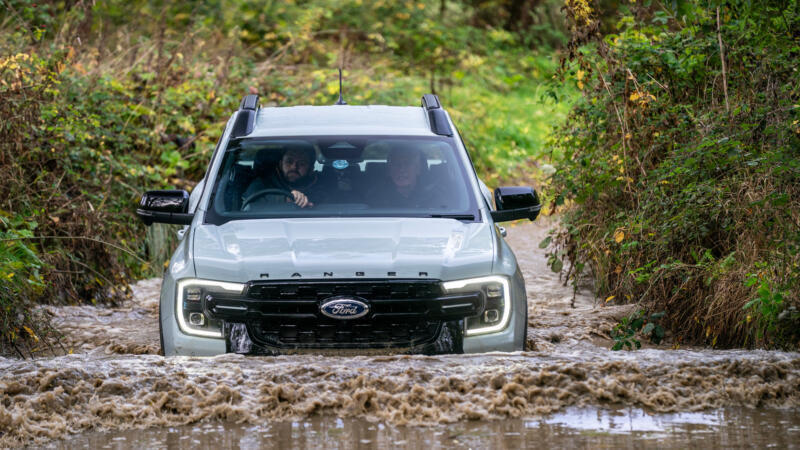
Conquering rugged terrain in a Ford Ranger demands respect for both vehicle capabilities and environmental conditions. Off-road safety begins with pre-trip inspections, ensuring tire pressure suits loose gravel or mud, and checking four-wheel-drive engagement.
Equally vital is understanding ground clearance limitations to avoid undercarriage damage on uneven trails. Mastering slow, controlled throttle inputs prevents wheel spin on slippery slopes, while maintaining momentum on ascents reduces stalling risks. Awareness of weather changes and trail markers helps avoid hazardous areas.
Ultimately, responsible off-roading combines mechanical preparation with cautious driving techniques, protecting both the driver and the delicate ecosystems traversed.
Essential Techniques for Driving a Ford Ranger Off-Road Safely
To drive a Ford Ranger off-road safely, you must first understand its capabilities and limitations. Begin by lowering your tire pressure to around 20-25 PSI to improve traction on loose surfaces like sand or gravel. Always engage 4WD low range before tackling steep inclines, descents, or deep ruts.
Use the Ranger's Terrain Management System to select the appropriate mode such as Grass/Gravel/Snow, Mud/Ruts, or Sand which optimizes throttle response and traction control. Maintain a steady, controlled speed; avoid sudden acceleration or braking to prevent loss of grip.
Before any off-road trip, conduct a thorough vehicle inspection, including checking the underbody for clearance, ensuring your recovery equipment is accessible, and planning your route using GPS or trail maps.
Choosing the Correct 4WD Mode for Different Terrain
Your Ford Ranger's 4WD system and Terrain Management System are key to safe off-road driving. For mud and ruts, select the Mud/Ruts mode, which allows some wheel spin to clear tires and maximizes traction. On sandy trails, Sand mode reduces throttle sensitivity and holds gears longer to prevent bogging down.
For rocky or gravel paths, Grass/Gravel/Snow mode minimizes wheel slip and maintains stability. Always engage 4WD High (4H) for moderate terrain at higher speeds, and switch to 4WD Low (4L) for low-speed, high-torque situations like rock crawling or steep descents. Practice switching between modes on flat ground before facing challenging obstacles.
When approaching a steep incline, shift to 4WD Low and ascend straight up the hill, avoiding side angles that could cause a rollover. Maintain a steady, moderate speed too fast can cause loss of control, too slow may stall. If you lose traction, gently ease off the accelerator rather than braking hard.
For descents, use the Ranger's Hill Descent Control (if equipped) to automatically apply brakes and maintain a safe speed. Keep your foot off the clutch (in manual models) and let the system manage speed. Always look ahead and plan your line of descent to avoid large rocks or deep ruts.
Essential Recovery Gear and Safety Techniques
Before heading off-road, equip your Ford Ranger with recovery straps (rated for the vehicle's weight), a shovel, and a traction board. If you get stuck, never use a tow strap with a metal hook; use a soft shackle with a kinetic recovery rope to avoid snap-back injuries.
Always air down your tires for sand or snow to increase the contact patch. When winching, attach the line to a solid anchor point like a tree trunk (using a tree strap) and stand clear of the cable.
Carry a first aid kit and a communication device like a satellite phone if traveling in remote areas.
| Terrain Type | Recommended 4WD Mode | Key Technique |
|---|---|---|
| Mud & Ruts | Mud/Ruts | Allow slight wheel spin; maintain momentum |
| Sand | Sand | Lower tire pressure; avoid sharp turns |
| Rock Crawling | 4L | Use low range; drive slowly over obstacles |
| Gravel/Snow | Grass/Gravel/Snow | Gentle throttle inputs; avoid sudden braking |
Key Suspension and Tire Considerations for Off-Road Stability
To safely tackle rugged terrain in a Ford Ranger, you must first understand how suspension and tires interact with uneven surfaces. The stock suspension is designed for on-road comfort, so upgrading to off-road shocks like Fox or Bilstein units provides better damping over rocks and ruts.
Additionally, selecting all-terrain or mud-terrain tires with a load range suited to the Ranger’s weight improves traction and reduces puncture risks.
Always check tire pressure before each trip lowering it to around 20–25 PSI on soft ground increases the tire’s footprint, enhancing grip on sand or gravel. Failure to adjust these elements can lead to suspension bottoming out or tire sidewall damage, compromising vehicle control.
Selecting the Right Terrain Mode and 4WD System
The Ford Ranger offers multiple terrain management systems, such as Grass/Gravel/Snow, Mud/Ruts, and Sand modes, which adjust throttle response, transmission shift points, and traction control.
Engage 4-High (4H) for moderate off-road conditions like dirt trails or loose gravel, while 4-Low (4L) is essential for steep climbs or deep mud, as it multiplies torque at low speeds for better crawling.
Always shift into 4H or 4L only when the vehicle is stopped or moving slowly under 5 mph to avoid damaging the transfer case. Using the wrong mode, like keeping 2WD on slippery inclines, can cause wheel spin and loss of traction.
Mastering Approach and Departure Angles
The Ford Ranger has approach angles of up to 30.4 degrees and departure angles around 24.2 degrees, but these vary with trim and aftermarket bumpers. When climbing over obstacles, you must approach at a 45-degree angle to prevent the front bumper from striking rocks, and when descending, aim the rear differential away from the obstacle to avoid scraping the tail.
Use a spotter when navigating large boulders or deep ruts, as even a slight misjudgment can bend suspension components or damage the underbody. Ignoring these angles often results in bumper damage or getting high-centered on logs or rocks.
Proper Use of Hill Descent Control and Braking
Hill Descent Control (HDC) is a critical feature for safely descending steep grades without losing control. Activate HDC by pressing the button on the center console, then select a target speed between 2–15 mph using the cruise control buttons—start slow at 5 mph for loose surfaces.
The system automatically applies brakes to each wheel independently, maintaining stability even on loose gravel or mud. Never pump the brakes manually while HDC is active, as this can override the algorithm and cause wheel lockup. For extreme descents over 30 degrees, switch to 4-Low to maximize engine braking and reduce brake fade.
Maintaining Momentum and Wheel Placement on Soft Ground
When driving on sand, mud, or loose snow, momentum is your best friend, but it must be carefully controlled. In soft sand, shift to Sand mode and keep engine speed above 2,500 RPM to prevent wheels from digging in.
For mud crossings, reduce tire pressure slightly to 18–20 PSI and keep a steady throttle sudden acceleration or braking can cause the tires to lose grip or bury the chassis.
Choose your line early by looking at the highest point between ruts to avoid bottoming out. If you feel the vehicle slowing, gently turn the steering wheel side to side to help clean mud from tire treads and regain traction.
Safe Recovery Techniques for Stuck Situations
Even with careful planning, getting stuck can happen, and using proper recovery methods prevents vehicle damage. Always carry a kinetic recovery rope (not a static strap) when off-roading with a Ford Ranger, as the weight difference between your vehicle and a larger truck may snap weaker ropes.
Attach the rope to factory recovery points—the front tow hooks (if equipped) or the rear receiver hitch—never to the bumper or suspension components.
Once connected, use slow, steady pulls rather than jerky movements to avoid ripping off the recovery point or damaging the frame. After freeing the vehicle, inspect the rope and attachment points for fraying or cracking before moving on.
Frequently Asked Questions
What is the most important pre-trip safety check before off-roading in a Ford Ranger?
Before hitting the trail, inspect tire pressure, tread depth, and spare tire condition for rough terrain. Check all fluid levels, including engine oil, brake fluid, and coolant. Ensure the four-wheel-drive system engages correctly, and test the differential lock if equipped. Also, verify that recovery gear like a tow strap and shovel are secure and accessible in the truck bed.
How should I use the Ford Ranger's Terrain Management System off-road?
The Terrain Management System adjusts throttle response, traction control, and transmission behavior for specific surfaces. For rock crawling, select Rock Crawl mode to optimize low-speed control and torque. In sand, choose Sand mode to reduce wheel spin and maintain momentum. Use Mud/Ruts on slippery, uneven ground to maximize grip. Always reduce speed and monitor traction before engaging each mode.
What are essential driving techniques for steep descents in a Ford Ranger?
For steep descents, shift to low-range 4WD and engage Hill Descent Control, which automatically modulates brakes to maintain a slow, controlled speed. Keep the transmission in first gear and avoid riding the brake pedal to prevent overheating. Steer smoothly and look ahead, not directly at obstacles. Use short, gentle brake taps if you need to adjust speed, but rely primarily on engine braking.
How do I safely cross water in a Ford Ranger?
Ford Ranger models typically have a wading depth of up to 2.5 feet, but always check local conditions before crossing. Approach water slowly in 4WD low range to create a bow wave, keeping engine rpm steady. Avoid sudden stops or changes in direction. After crossing, test brakes by gently applying them to dry rotors. Inspect air intake and electrical connections for any water ingress afterward.
This content may interest you! Driving Through Snow in a Toyota RAV4
Leave a Reply