
Safe Overtaking Tips on New Zealand Highways
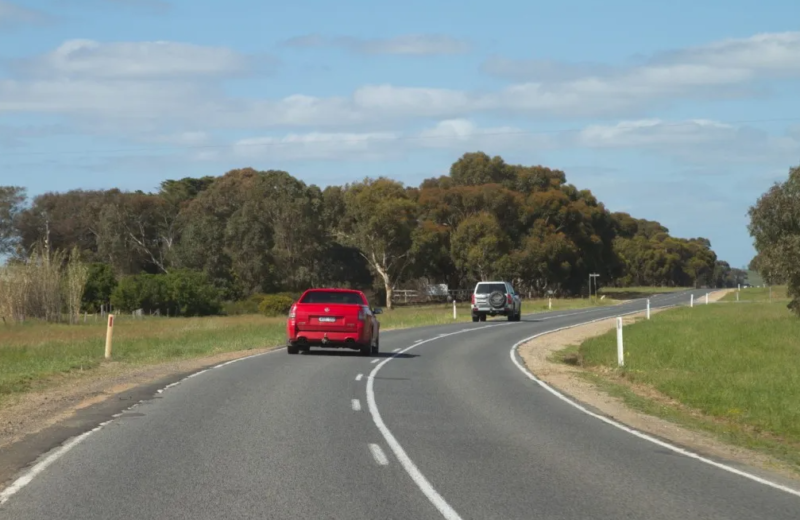
Overtaking on New Zealand’s highways demands cautious judgment due to narrow lanes, winding roads, and often unpredictable weather. Unlike multi-lane motorways, many two-lane roads require drivers to cross into oncoming traffic, making timing and visibility critical.
Always assess distance to vehicles ahead, ensure clear sightlines through curves or dips, and use designated passing lanes whenever possible. Check mirrors and blind spots thoroughly, signal early, and commit decisively without lingering in the opposite lane.
Avoid overtaking near intersections, bridges, or in wet or icy conditions. Simple patience and adherence to rules like never exceeding speed limits while passing can prevent serious collisions. Mastering these techniques keeps everyone safer.
Safe Overtaking Tips on New Zealand Highways
Overtaking on New Zealand highways requires extreme caution and patience. The roads often feature narrow lanes, blind corners, and one-lane bridges, making it critical to assess the situation thoroughly before committing to a pass. Always obey the road rules, including solid yellow lines and no-passing zones.
Ensure you have a clear, straight stretch of road with sufficient visibility to see oncoming traffic from both directions. Use your mirrors and check your blind spots before signaling, and never overtake if there is any doubt about the space or time available.
Assess Visibility and Road Conditions
Before overtaking, check for clear visibility ahead you should be able to see at least 100 meters of empty road. In New Zealand, highways often have steep grades, gravel shoulders, and unpredictable weather; avoid overtaking on curves, dips, or near intersections.
Rain, fog, or high sun glare can drastically reduce your ability to judge distances, so only proceed when conditions are optimal.
Use Passing Lanes and Safe Zones
New Zealand highways feature designated passing lanes and passing bays to facilitate safe overtaking. Use these areas whenever possible, as they are designed with adequate sight lines and turn-out areas for slower vehicles.
If a vehicle is traveling below the speed limit and you are in a no-passing zone, wait for a safe passing bay or a broken yellow line never try to overtake illegally or unsafely.
Signal and Execute with Confidence
When ready to overtake, signal your intention clearly for at least three seconds before moving left or right. Accelerate decisively to minimize time in the opposing lane, and check your mirrors constantly for vehicles that may be approaching from behind or overtaking you.
Once you have passed the vehicle, return to your lane only when you can see both headlights of the passed vehicle in your rearview mirror never cut back in too early.
| Key Factor | Safety Tip |
|---|---|
| Visibility | Only overtake on straight, open roads with 100m+ clear view |
| Road Markings | Never cross solid yellow lines or attempt in no-passing zones |
| Passing Lanes | Use designated lanes and bays for the safest options |
| Weather | Avoid overtaking in rain, fog, or during low sun glare |
| Speed Differential | Ensure you can accelerate quickly to pass safely |
| Re-enter Lane | Only return when you see both headlights in rearview mirror |
Mastering Overtaking on New Zealand's Highways
Overtaking on New Zealand highways demands constant vigilance and strict adherence to road rules. The most critical factor is patience: never overtake unless you have a clear, uninterrupted view of at least 100 meters of open road ahead. Broken yellow lines on your side mean overtaking is prohibited, while broken white lines allow it only when safe.
Speed differentials are key accelerate decisively in a lower gear (if manual) to minimize time in the opposing lane. Always check blind spots and use your indicator well in advance.
Be especially cautious on narrow, winding roads common in the South Island, where trucks and campervans can make overtaking risky. Weather conditions like rain or fog drastically reduce visibility and grip, so adjust your judgment accordingly.
This content may interest you! Best Cars for Long Road Trips Across New Zealand
Identifying Safe Overtaking Zones
Safe overtaking on New Zealand highways is only permitted where broken white center lines exist. Look for "passing lanes" designated sections with an extra lane for overtaking which are common on main routes like State Highway 1. Long, straight stretches with clear visibility are ideal, but avoid overtaking near crests, curves, bridges, or intersections.
No-overtaking zones are marked with solid yellow lines and often coincide with high accident areas, so respect them strictly. Use overtaking signs a black car on a white background to indicate upcoming passing opportunities.
Assessing Oncoming Traffic and Distance
A precise distance judgment is essential: you need at least 10 seconds of clear road ahead of oncoming traffic. For a vehicle at 100 km/h, that means a gap of about 400 meters. Factor in the speed of the vehicle you're overtaking—if it's a slow truck at 80 km/h, your overtaking time increases.
Never rely on closing speed alone; a car cresting a hill can appear suddenly. Use the "two-second rule" but extend it to four seconds in wet or foggy conditions. Always estimate the distance of oncoming headlights at night to avoid surprises.
Executing the Overtaking Maneuver
Once you've identified a safe zone, signal your intention for at least 3 seconds before pulling out. Accelerate briskly to exceed the overtaken vehicle's speed by 20-30 km/h to minimize time in the opposing lane.
Stay left of the center line except when passing never cross yellow lines. Check your mirrors and blind spot again before merging back. Never overtake more than one vehicle at a time on undivided highways. If a faster vehicle is approaching from behind, hold position and let them pass first.
Managing Risks with Trucks and Campervans
Heavy vehicles like trucks and campervans create larger blind spots and longer braking distances. When overtaking a truck, pull out wide to avoid wind buffeting the suction effect near the truck's rear. Truck drivers may signal with their left indicator to indicate it's safe to pull in behind them after overtaking, but never rely on this.
Be aware of truck length: a semi-trailer can take 30-40 seconds to pass, especially uphill. Campervans often sway, so increase your gap when passing. Never overtake a truck approaching a steep descent—they may need extra room for braking.
Handling Highways After Dark or in Bad Weather
Night overtaking on New Zealand highways requires extreme caution use high beams when no oncoming traffic is present, but dim them as you pass. Fog, heavy rain, or frost reduce traction and visibility; avoid overtaking unless absolutely necessary. In rain, your stopping distance doubles, so increase your safety margin by 50%.
Ice is common in alpine passes (e.g., Arthur's Pass); never overtake on white frost. If road spray from a truck blinds you, drop back and wait for conditions to improve. Always turn on headlights in poor weather to be visible to others.
Frequently Asked Questions
What is the safest way to overtake on a two-lane highway in New Zealand?
The safest method is to overtake only on clearly marked passing lanes or straight stretches with ample visibility. Before merging left, check your mirrors and blind spots, signal for at least three seconds, and ensure you have enough space to return to your lane without cutting off the overtaken vehicle. Never overtake on solid yellow lines, near intersections, or on curves.
How much distance should I keep when overtaking a large truck or campervan?
Maintain at least a two-second gap before pulling out, and allow extra space due to their length and wind turbulence. Accelerate decisively to pass efficiently, but never exceed the posted speed limit. After passing, ensure you can see the entire vehicle in your rearview mirror before merging back, leaving a safe buffer to avoid brake-checking.
Can I overtake on a broken yellow line in New Zealand?
No, overtaking on a broken yellow line is illegal and dangerous. Yellow lines indicate no-passing zones, even if broken, due to hidden hazards like dips, curves, or limited visibility. Always wait for a passing lane or a clear stretch with a solid white line on your side. Breaking this rule can result in fines and serious accidents on narrow highways.
What should I do if a vehicle behind me wants to overtake?
If safe, slow down slightly and drive as far left as possible, using the left lane if available. Avoid speeding up or blocking the overtaking vehicle. On single-lane roads, use pull-off bays or slow vehicle lanes to let faster traffic pass. Never brake suddenly or wave them through; simply create space and maintain a steady speed.
This content may interest you! Best Road Trip Routes for SUV Owners in New Zealand
Leave a Reply