
Mitsubishi Triton Models New Zealand: Complete Range Guide
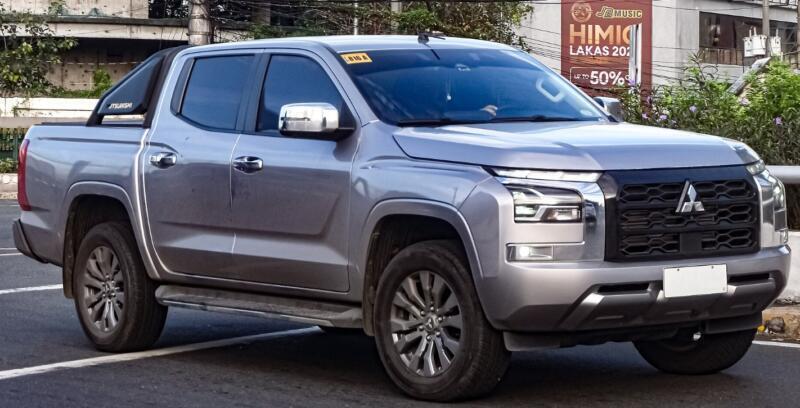
The Mitsubishi Triton has long been part of New Zealand’s ute landscape. We see it on building sites, parked outside rural supply stores, towing boats toward the coast and carrying mountain bikes into places where sealed roads quietly disappear.
Yet choosing between the different Mitsubishi Triton models in New Zealand is not always straightforward. A GLX Single Cab and a VRX Double Cab may wear the same three-diamond badge, but they serve very different buyers. One is essentially a dependable tool with wheels; the other blends work-ready engineering with the comfort and technology expected from a modern family vehicle.
The current New Zealand range covers several body configurations, including Single Cab, Club Cab and Double Cab options, along with 2WD and 4WD drivetrains. Depending on availability, buyers may encounter GLX, GLX Sport or GLX-S, GLX-R and VRX grades. Newer 2026 examples also use an upgraded 2.4-litre bi-turbo diesel engine producing 150kW and 470Nm, paired with a six-speed automatic transmission.
So, which Triton belongs in your driveway?
Let us work through the range without drowning in brochure language.
- Mitsubishi Triton Models in New Zealand at a Glance
- What Is New About the Latest Mitsubishi Triton?
- Mitsubishi Triton Cab Styles Explained
- Mitsubishi Triton GLX: The Workhorse
- Mitsubishi Triton GLX Sport and GLX-S
- Mitsubishi Triton GLX-R: The Best All-Rounder?
- Mitsubishi Triton VRX: The Premium Choice
- Understanding the Triton 4WD System
- Engine, Transmission and Everyday Performance
- Fuel Economy
- Towing and Payload Considerations
- Safety Across the Triton Range
- Which Mitsubishi Triton Model Should We Buy?
- Wellside or Cab Chassis?
- Should We Buy 2WD or 4WD?
- Triton Accessories Worth Considering
- What to Check Before Ordering a New Triton
- Are Mitsubishi Triton Models Good Value in New Zealand?
- Final Thoughts on Mitsubishi Triton Models in New Zealand
- Frequently Asked Questions
Mitsubishi Triton Models in New Zealand at a Glance
The Triton line-up is easier to understand when we separate it into two broad groups:
- Cab-chassis models, designed for flat decks, service bodies and specialised commercial equipment
- Wellside models, supplied with a factory cargo tub and aimed at tradespeople, private buyers and families
Within those groups, the principal grades are:
- Triton GLX
- Triton GLX Sport or GLX-S
- Triton GLX-R
- Triton VRX
Not every cab style is offered with every grade. GLX sits at the practical end of the range and provides the widest choice of body styles. GLX-R and VRX are primarily Double Cab models, reflecting their stronger focus on passenger comfort and lifestyle use.
Prices also vary between model years, promotional offers, body configurations and dealerships. Current dealer listings have shown entry-level cab-chassis versions beginning around NZ$42,250 before delivery costs, while wellside Double Cab models generally sit higher.
Quick Triton Model Comparison
| Triton model | Best suited to | Typical body style | Main character |
|---|---|---|---|
| GLX Single Cab | Farms, fleets, contractors | Cab chassis | Maximum practicality |
| GLX Club Cab | Trades requiring extra cabin storage | Cab chassis | Work-focused flexibility |
| GLX Double Cab | Crews, businesses and value buyers | Cab chassis or wellside | Practical five-seat utility |
| GLX Sport/GLX-S | Buyers wanting tougher styling | Double Cab wellside | GLX with visual upgrades |
| GLX-R | Mixed work and personal use | Double Cab wellside | Balanced equipment |
| VRX | Family, touring and premium use | Double Cab wellside | Comfort-focused flagship |
What Is New About the Latest Mitsubishi Triton?
The newest-generation Triton is not simply an old ute wearing a sharper grille. Mitsubishi redesigned the body, ladder frame, suspension and cabin to create a vehicle that feels larger, stronger and more settled than its predecessor.
The design is unapologetically square. Its front end looks like it was carved from a block of steel, while the high bonnet and upright surfaces communicate strength without relying on excessive decoration.
Underneath, the ladder-frame chassis is intended to improve durability, steering stability and load-carrying performance. Mitsubishi also revised the suspension, helping the Triton feel more composed on everyday roads while retaining the rugged construction expected from a proper ute.
The latest powertrain brings another significant change. Current 2026 New Zealand examples use a 2.4-litre bi-turbo four-cylinder diesel producing:
- 150kW of power
- 470Nm of torque
- Six-speed automatic transmission
- Selectable four-wheel-drive technology on 4WD models
It is not chasing the biggest engine figures in the class. Instead, it delivers its performance in a useful, workmanlike manner. Think of it less as a sprinter wearing polished shoes and more as a strong hiker who can carry a heavy pack all day.
Mitsubishi Triton Cab Styles Explained
Before comparing trim levels, we need to choose the correct cab. This decision may matter more than whether the seats are cloth or leather.
Triton Single Cab
The Single Cab is the purest work vehicle in the range. It has one row of seats and leaves as much chassis length as possible for a tray, flat deck or customised body.
It makes sense for:
- Farmers
- Local councils
- Construction fleets
- Landscaping businesses
- Rural contractors
- Utility and maintenance companies
Because there is no second row, the Single Cab is not intended to serve as family transport. What it sacrifices in passenger space, however, it gains in load-area flexibility.
A wide flat deck can swallow materials that would sit awkwardly inside a conventional wellside. Pallets, fencing equipment, toolboxes and agricultural supplies are easier to load from the rear or sides.
Single Cab 2WD or 4WD?
A 2WD model is often enough for urban deliveries, sealed-road fleets and reasonably flat worksites. It usually costs less and avoids paying for off-road hardware the operator may never use.
A 4WD Single Cab is the smarter option when the vehicle regularly encounters:
- Muddy paddocks
- Forestry roads
- Steep rural properties
- Loose gravel
- Boat ramps
- Snow or poor winter conditions
Buying 4WD merely because it sounds tougher can waste money. Buying 2WD and discovering that your worksite turns into soup every July can cost even more.
Triton Club Cab
The Club Cab sits between the Single Cab and Double Cab. It gives us additional space behind the front seats without consuming as much chassis length as a full four-door cabin.
This configuration suits tradespeople who need secure interior storage for tools, clothing, electronics or equipment but still want a generous deck.
The rear area is not designed to replace the proper second row of a Double Cab. Instead, it works like a weatherproof storage room attached to the cabin.
A Club Cab can be ideal for:
- Electricians
- Surveyors
- Mobile technicians
- Builders
- Pest-control operators
- Rural service providers
It is one of the most sensible configurations in the range, although private buyers often overlook it because the Double Cab has greater showroom appeal.
Triton Double Cab
The Double Cab is the model most New Zealand private buyers will recognise. It has four conventional doors, a proper second row and seating for up to five occupants.
This content may interest you! Is Mitsubishi Triton a Good Car in New Zealand? Complete Buyer’s Guide
This configuration can operate as:
- A work vehicle during the week
- A family vehicle after hours
- A towing vehicle on weekends
- A touring vehicle during holidays
- An adventure platform for camping or cycling
The latest Triton’s second row is more spacious than before, and the load bed is competitive despite the vehicle remaining relatively manageable by modern ute standards. One independent New Zealand review found that the current bed is 91mm longer and 25mm wider than the bed in the Ford Ranger used for comparison.
A Double Cab inevitably compromises some deck length compared with a Single Cab. Nevertheless, it is the most versatile option for buyers who need one vehicle to play several roles.
Mitsubishi Triton GLX: The Workhorse
The GLX is the foundation of the New Zealand Triton range. It strips away unnecessary luxury without making the vehicle feel bare or outdated.
Depending on the exact model and body configuration, GLX equipment can include:
- 17-inch alloy wheels
- Heavy-duty rear suspension
- Vinyl flooring on commercial versions
- Cloth upholstery
- Locking tailgate on wellside models
- Nine-inch infotainment display
- Seven-inch driver display
- Adaptive cruise control
- Multi-around-view camera
- Modern driver-assistance systems
- Multiple airbags
Dealer specifications show that wellside GLX models may include a surprisingly substantial technology package, including a 360-degree camera and adaptive cruise control.
Who Should Buy a Triton GLX?
The GLX is the natural choice when function matters more than decoration.
It works especially well for:
- Business fleets
- Tradies carrying dirty equipment
- Rural users
- Buyers planning to install accessories
- Owners who prefer durable materials
- Drivers seeking a lower purchase price
Vinyl flooring deserves more appreciation than it receives. After a muddy day, we can wipe it down rather than worrying about preserving expensive carpet. Cloth seats are also less precious than leather when boots, tools and wet jackets become regular passengers.
GLX Single Cab 2WD
This is one of the least complicated choices in the range. It is designed to work, earn and repeat the process tomorrow.
The 2WD Single Cab is well suited to sealed roads, light industrial use and businesses that value payload flexibility over off-road performance.
Its biggest advantages are simplicity, lower entry cost and compatibility with customised decks or commercial bodies.
GLX Single Cab 4WD
Adding 4WD transforms the Single Cab into a stronger rural and off-road tool. Current dealer listings have highlighted Super Select 4WD II and hill-descent assistance on applicable GLX 4WD chassis models.
This is the version to choose when traction is not merely a weekend hobby but part of the job description.
GLX Club Cab 4WD
The Club Cab 4WD occupies a useful niche. It provides extra secure cabin storage, serious traction and a longer usable tray than a Double Cab.
For a technician travelling between isolated sites, this configuration may be more useful than a heavily equipped lifestyle model. It carries equipment rather than image, and that honesty is part of its appeal.
GLX Double Cab 2WD
The GLX Double Cab 2WD gives businesses and private buyers access to a proper five-seat cabin without the extra cost of four-wheel drive.
It is suitable for:
- Urban trades
- Delivery supervision
- Company fleets
- Family owners who remain mostly on sealed roads
- Buyers who need a tray but rarely travel off-road
A 2WD ute can still tow, carry loads and handle gravel roads. It simply does not provide the same low-speed traction or drivetrain flexibility as a 4WD model.
GLX Double Cab 4WD
For many working buyers, this is the sweet spot.
It combines:
- Five-seat practicality
- Work-ready cabin materials
- Heavy-duty suspension
- Four-wheel-drive capability
- Modern safety technology
- A competitive equipment level
It may not turn heads in the supermarket car park, but it is a rational choice. Like a good pair of work boots, it is built around what it can do rather than how loudly it announces itself.
Mitsubishi Triton GLX Sport and GLX-S
The GLX Sport, sometimes marketed or listed as GLX-S depending on the offer or model designation, adds a tougher visual identity to the basic GLX formula.
Typical upgrades may include:
- Black 18-inch alloy wheels
- Black sports bar
- Darkened front grille
- Sport badging or decals
- Leather-wrapped steering wheel
- Leather gear selector
- Heated, electrically folding mirrors
The mechanical foundation remains closely related to the GLX. In other words, this is not a dedicated high-performance model. The Sport treatment is mostly about presentation and selected comfort upgrades.
Is the GLX Sport Worth Buying?
It depends on what we would otherwise add after purchase.
A buyer planning to install black wheels, a sports bar and exterior styling accessories may find the factory package convenient. Everything arrives fitted, coordinated and covered under the applicable vehicle or accessory arrangements.
However, buyers focused purely on value may prefer a standard GLX. Black wheels do not improve payload, and a sports bar will not pull a trailer uphill.
This content may interest you!Mitsubishi Triton vs Nissan Navara New Zealand: Which Ute Wins?The GLX Sport makes the most sense for owner-operators who use the Triton for business but still want it to look polished when meeting clients or using it privately.
Mitsubishi Triton GLX-R: The Best All-Rounder?
The GLX-R sits at the centre of the range, and that position is not accidental. It offers more refinement than the GLX without pushing fully into flagship territory.
Common GLX-R features include:
- 18-inch alloy wheels
- Carpeted flooring
- Cloth upholstery with upgraded stitching
- Keyless entry
- Push-button start
- Dual-zone climate control
- Wireless smartphone charging
- Roof rails
- Nine-inch infotainment screen
- Seven-inch driver display
- Adaptive cruise control
- Multi-around-view camera
These additions change the Triton’s personality. The cabin starts to feel less like a mobile equipment shed and more like an everyday vehicle.
GLX-R Double Cab 2WD
The 2WD GLX-R is aimed at buyers who want comfort and style but do not require serious off-road ability.
It suits urban or suburban owners who:
- Tow occasionally
- Carry recreational equipment
- Drive long distances
- Want a ute-style vehicle without full 4WD hardware
- Value cabin technology over rugged accessories
Because it is a Double Cab, it can cover family duties more naturally than the commercial chassis variants.
GLX-R Double Cab 4WD
The 4WD GLX-R may be the most balanced Triton in the New Zealand range.
It provides the equipment we interact with every day—climate control, keyless access, wireless charging and improved cabin materials—while retaining the drivetrain capability needed for slippery roads, campsites, farms and boat ramps.
Current 4WD Tritons use Mitsubishi’s Super Select II system. Unlike basic part-time systems, it can offer a full-time four-wheel-drive setting suitable for sealed surfaces, in addition to more specialised off-road modes.
That flexibility matters in New Zealand. A journey might begin on wet motorway tarmac, continue along a corrugated gravel road and end on a muddy track. Super Select II allows the vehicle to adapt without treating every unsealed surface like an expedition across the moon.
Why the GLX-R Is the Range Sweet Spot
The GLX-R avoids two common extremes.
It is not so basic that daily driving feels like a compromise, yet it does not charge us for every luxury feature available.
For a buyer who uses a ute for work, family trips and weekend adventures in roughly equal measure, the GLX-R 4WD deserves to sit near the top of the shortlist.
The VRX is the comfort-focused flagship of the mainstream New Zealand range.
It builds on the equipment in the GLX-R and typically adds:
- Leather-trimmed seating
- Heated front seats
- Heated steering wheel
- Black 18-inch alloy wheels
- Black exterior body details
- Roof rails
- Additional rear USB ports
- LED daytime running lights
- Premium cabin finishes
- Expanded convenience equipment
Dealer listings also identify black wheel-arch treatments and a more assertive exterior presentation.
VRX Double Cab 2WD
The 2WD VRX is a relatively specialised choice. It delivers most of the flagship cabin experience without the additional expense of the 4WD drivetrain.
It works for buyers who love the seating, technology and appearance of the VRX but remain almost entirely on sealed roads.
However, we should think carefully before selecting it. At this price level, many buyers may prefer to pay more for 4WD because it improves versatility and may support stronger used-market appeal.
VRX Double Cab 4WD
The VRX 4WD is the model for buyers who want one Triton to handle almost everything.
It is comfortable enough for long intercity journeys, capable enough for recreational off-roading and sufficiently practical for towing or carrying equipment.
It will appeal to:
- Families replacing an SUV
- Caravan owners
- Boat owners
- Rural professionals
- Lifestyle-block residents
- Buyers planning long-distance touring
- Drivers who want premium features without abandoning ute practicality
The leather and heated equipment are not essential, but they become easy to appreciate on a cold South Island morning. Luxury often sounds unnecessary until we use it every day.
Understanding the Triton 4WD System
The four-wheel-drive system is one of the strongest reasons to consider a Triton.
Super Select II can provide several drivetrain settings, depending on specification:
- 2H: Rear-wheel drive for normal dry-road use
- 4H: Full-time four-wheel drive for added stability
- 4HLc: Locked centre differential for loose surfaces
- 4LLc: Low-range gearing for demanding terrain
The key advantage is the availability of a four-wheel-drive mode that can be used on sealed roads. Many traditional part-time systems require the driver to return to rear-wheel drive on high-grip tarmac.
When Is 4WD Worth the Extra Cost?
Choose 4WD when the Triton will regularly encounter:
This content may interest you!Mitsubishi Triton vs Strada New Zealand: Are They Actually Different?- Wet grass
- Gravel and forestry roads
- Steep driveways
- Snow
- Mud
- Soft sand
- Slippery boat ramps
- Remote campsites
- Rural worksites
For occasional travel along maintained gravel roads, 2WD may still be sufficient. Tyres, driver judgement and load placement matter enormously.
Four-wheel drive increases capability, but it does not repeal the laws of physics.
Engine, Transmission and Everyday Performance
The latest New Zealand Triton uses a 2.4-litre bi-turbo diesel engine with 150kW and 470Nm. Power is sent through a six-speed automatic transmission across the current 2026 range.
Some buyers may question why Mitsubishi stayed with six ratios when competitors advertise eight- or ten-speed gearboxes. Yet more gears do not automatically create a better ute.
A six-speed automatic can deliver:
- Predictable shifts
- Fewer unnecessary gear changes
- Straightforward operation
- Strong mid-range response
- Proven mechanical simplicity
The engine does sound recognisably diesel, particularly when cold or accelerating firmly. Once cruising, it settles into a more relaxed rhythm.
Its 470Nm output falls below the 500Nm headline figure attached to some competitors, but the Triton does not feel dramatically underpowered in ordinary use. The engine focuses on accessible low- and mid-range pulling power rather than dramatic acceleration.
Fuel Economy
Official combined fuel consumption for newer Triton models is approximately 8.8L/100km, although the exact figure can vary by model, drivetrain and test cycle. Independent testing has indicated that the vehicle may perform better than the official claim under favourable real-world conditions.
Actual consumption will depend on:
- Payload
- Towing weight
- Tyre type
- Roof accessories
- Driving speed
- Urban traffic
- Terrain
- Weather
- Use of four-wheel drive
A Triton wearing all-terrain tyres, carrying a canopy and towing a large boat will not consume fuel like an empty 2WD vehicle on a calm motorway.
Towing and Payload Considerations
Many Triton buyers intend to tow, but a headline towing figure never tells the full story.
Before connecting a heavy trailer, we need to consider:
- Maximum braked towing capacity
- Gross vehicle mass
- Gross combination mass
- Tow-ball download
- Passenger weight
- Cargo in the tray
- Accessories
- Legal loading requirements
A vehicle may theoretically tow its maximum-rated trailer, but carrying five adults, tools, a canopy and camping equipment can reduce the remaining legal margin.
The right Triton model therefore depends on the complete load, not merely the number printed beside “towing capacity” in an advertisement.
For regular heavy towing, a 4WD Double Cab may offer better all-round traction and stability. A brake controller, suitable towbar and correctly rated tyres are equally important.
Safety Across the Triton Range
The latest Triton introduces a broad safety package, although equipment can differ between variants.
Available technologies include:
- Forward Collision Mitigation
- Adaptive cruise control
- Lane-departure warning
- Blind-spot monitoring
- Lane Change Assist
- Rear Cross Traffic Alert
- Front and rear parking sensors
- Multi-around-view camera
- Stability and traction control
- Trailer stability assistance
- Multiple airbags
Dealer listings for current variants highlight adaptive cruise control, a 360-degree camera and eight airbags on several wellside models.
The multi-around-view camera is particularly useful in a ute. It helps with parking, connecting a trailer and navigating tight worksites where the bonnet, tray and wheel arches can otherwise feel like the edges of a small ship.
Which Mitsubishi Triton Model Should We Buy?
There is no single best Triton. There is only the model that creates the fewest compromises for its owner.
Best Triton for Farm Work
Choose the GLX Single Cab 4WD.
It provides:
- Maximum deck flexibility
- Work-ready interior materials
- Low-range capability
- Strong traction
- Space for a custom flat deck or service body
Best Triton for Urban Trades
Choose the GLX Double Cab 2WD or GLX-R Double Cab 2WD.
The GLX prioritises durability and value. The GLX-R adds comfort for drivers spending long days moving between jobs.
Best Triton for Mixed Work and Family Use
Choose the GLX-R Double Cab 4WD.
It combines the useful technology and comfort features most people want with genuine all-surface capability.
Best Triton for Touring and Towing
Choose the VRX Double Cab 4WD.
The heated leather seating, upgraded cabin and Super Select II drivetrain make it more comfortable for long trips and recreational use.
This content may interest you! Is Ford Ranger a Good Car in New Zealand? An Honest Kiwi Buyer’s Guide
Best Triton for a Business Fleet
Choose a GLX 2WD, with the cab configuration selected according to staffing and cargo needs.
Businesses should avoid paying for 4WD, leather or cosmetic accessories unless those features serve a measurable operational purpose.
Wellside or Cab Chassis?
A wellside is convenient because it arrives as a complete vehicle with an integrated cargo tub. It suits general use, luggage, sports equipment and recreational gear.
A cab chassis is more adaptable. We can install:
- Flat decks
- Toolboxes
- Service bodies
- Tipper decks
- Refrigerated units
- Agricultural equipment
- Custom storage systems
The correct choice depends on what we carry most often.
A wellside is like a ready-made room. A cab chassis is an empty section of land: less useful on day one, but far more adaptable when designed around a particular purpose.
Should We Buy 2WD or 4WD?
A 2WD Triton offers better value when:
- Most travel occurs on sealed roads
- Loads are moderate
- The vehicle operates in urban areas
- Off-road use is rare
- Lower purchase cost is a priority
A 4WD Triton is worth considering when:
- The vehicle works in rural areas
- Winter traction matters
- Towing involves slippery launching areas
- Camping or hunting is frequent
- Gravel and mud are normal
- Resale flexibility matters
Do not choose based solely on image. A carefully selected 2WD can be smarter than an underused 4WD. Equally, saving money on 2WD makes little sense when traction determines whether the vehicle can complete its job.
Triton Accessories Worth Considering
The Triton’s usefulness can change dramatically with the right accessories.
Popular additions include:
- Towbar
- Brake controller
- Deck liner
- Canopy
- Tonneau cover
- Hard lid
- Rubber floor mats
- Nudge bar
- Bonnet protector
- Roof racks
- Underbody protection
- All-terrain tyres
- Lockable toolboxes
A canopy improves weather protection and secure storage, but it also adds weight. Roof racks and bars can increase wind noise and fuel consumption. Larger tyres may affect handling, gearing and speedometer accuracy.
Accessories should solve real problems. Bolting every item in the catalogue onto the vehicle can turn a practical ute into an expensive, overweight Christmas tree.
What to Check Before Ordering a New Triton
Before signing a purchase agreement, confirm:
- The exact model year
- Engine output
- 2WD or 4WD drivetrain
- Cab and body configuration
- Maximum payload
- Towing requirements
- Included safety equipment
- Delivery costs
- Road-user charges
- Accessory installation costs
- Warranty conditions
- Estimated delivery time
New Zealand pricing can differ between national campaigns and individual dealers. Some advertised figures exclude delivery costs, registration expenses, finance fees or accessories. Dealer listings may also include outgoing stock alongside newer 2026 models.
Always compare complete drive-away quotes rather than headline prices alone.
Are Mitsubishi Triton Models Good Value in New Zealand?
The Triton’s value proposition rests on balance.
It may not offer the most powerful engine, the plushest ride or the strongest badge recognition in the ute market. What it does offer is a useful combination of equipment, 4WD flexibility, safety, load-carrying practicality and competitive pricing.
The GLX models deliver genuine commercial value. The GLX-R occupies a persuasive middle ground. The VRX gives private buyers enough comfort to question whether they need a separate SUV.
The strongest argument for the Triton is not that it dominates every category. It is that it performs well across many of them without demanding top-of-segment money.
Final Thoughts on Mitsubishi Triton Models in New Zealand
The New Zealand Mitsubishi Triton range stretches from honest cab-chassis workhorses to well-equipped Double Cab lifestyle utes.
The GLX Single Cab is the clear specialist for commercial and rural work. The GLX Double Cab adds crew-carrying flexibility without unnecessary luxury. The GLX Sport or GLX-S introduces visual attitude, while the GLX-R provides perhaps the strongest balance of comfort, price and capability.
At the top, the VRX Double Cab 4WD turns the Triton into a credible family tourer, towing vehicle and adventure companion.
Our best advice is simple: choose the cab first, the drivetrain second and the trim level third. Cabin configuration and traction determine what the Triton can do. Wheels, leather and styling determine how pleasant it feels while doing it.
A well-chosen Triton should not merely look impressive outside the dealership. It should fit into daily life like a favourite tool—reliable, familiar and always ready when the road turns rough.
Frequently Asked Questions
What Mitsubishi Triton models are available in New Zealand?
The New Zealand range generally includes GLX, GLX Sport or GLX-S, GLX-R and VRX grades. Depending on the variant, buyers can choose Single Cab, Club Cab or Double Cab bodies, along with 2WD and 4WD drivetrains. Availability may change by model year and dealer stock.
Which Mitsubishi Triton model is the best value?
The GLX-R Double Cab is often the best all-round value. It adds keyless entry, climate control, wireless charging, upgraded interior materials and other convenience features without reaching the flagship VRX price level.
What is the best Triton model for off-road driving?
A GLX-R or VRX Double Cab 4WD is ideal for mixed recreational and everyday use. Commercial buyers may prefer the GLX Single Cab or Club Cab 4WD. Applicable 4WD models use Mitsubishi’s Super Select II system with high-range, locked and low-range settings.
This content may interest you!Ford Ranger Models New Zealand: Complete 2026 Buyer’s GuideIs the Triton VRX worth the extra money?
The VRX is worthwhile for buyers who value heated leather seats, a heated steering wheel, premium styling and extra passenger comfort. A GLX-R may be better value when those luxury features are not essential.
Should I buy a 2WD or 4WD Mitsubishi Triton?
Choose 2WD for mostly sealed-road driving, urban work and lower purchase costs. Choose 4WD for rural properties, poor-weather traction, boat ramps, off-road travel, remote campsites or regular use on mud, snow and loose gravel.
Leave a Reply