
Is Mitsubishi Triton a Good Car in New Zealand? Complete Buyer’s Guide
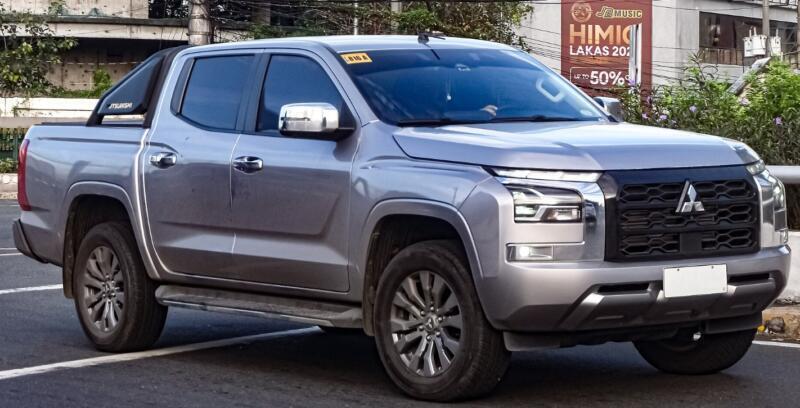
The Mitsubishi Triton has spent decades working on New Zealand farms, hauling tools between building sites, towing boats to the coast and carrying families away for muddy weekends. It has never enjoyed quite the same almost-mythical status as the Toyota Hilux, nor has it chased the Ford Ranger’s increasingly premium personality. Instead, the Triton has usually followed a simpler recipe: provide genuine ute capability, sensible equipment and competitive value without making buyers pay for unnecessary swagger.
So, is the Mitsubishi Triton a good car in New Zealand?
Yes, in most circumstances, the Mitsubishi Triton is a good ute for New Zealand buyers. It is particularly appealing when we want dependable diesel performance, useful off-road ability, manageable dimensions and strong value for money. Newer generations also add modern safety technology, improved towing capacity and cabins that no longer feel like garden sheds with Bluetooth.
That does not mean every Triton is automatically a wise purchase. Early models are now old enough for rust, poor maintenance and hard working lives to matter more than the badge on the grille. Some later versions can feel less polished than equivalent Rangers, while heavily modified examples may hide years of off-road punishment.
The right Triton can be a loyal workhorse. The wrong one can be a toolbox filled with invoices.
Let us examine every major generation sold in New Zealand, identify the strengths and weaknesses, and decide which versions are genuinely worth buying.
- Quick Verdict: Is the Mitsubishi Triton Worth Buying?
- What Exactly Is the Mitsubishi Triton?
- Why the Triton Makes Sense in New Zealand
- Mitsubishi Triton Generations Sold in New Zealand
- First-Generation L200: Rugged but Now a Classic
- Second-Generation L200: A Familiar Rural Workhorse
- Third-Generation MK Triton: Affordable but Condition Is Crucial
- Fourth-Generation ML and MN Triton: The Value Sweet Spot?
- Fifth-Generation MQ Triton: A Major Improvement
- MR Triton: Sharper Styling and Better Technology
- Sixth-Generation Triton: The Best All-Rounder Yet
- Is the Mitsubishi Triton Reliable?
- How Good Is the Triton Off Road?
- Is the Triton Good for Towing?
- Is the Triton Comfortable for Families?
- How Safe Is the Mitsubishi Triton?
- How Economical Is the Triton?
- How Does the Triton Compare With Its Main Rivals?
- Which Mitsubishi Triton Generation Should We Buy?
- Which Triton Models Should We Avoid?
- The Essential Pre-Purchase Inspection Checklist
- Is a New Zealand-New Triton Better Than an Import?
- Is the Mitsubishi Triton Good Value for Money?
- Who Should Buy a Mitsubishi Triton?
- Who Should Consider Something Else?
- Final Verdict: Is the Mitsubishi Triton a Good Car in New Zealand?
- Frequently Asked Questions
Quick Verdict: Is the Mitsubishi Triton Worth Buying?
The Triton is worth considering when our priorities include:
- Competitive purchase prices
- Proven four-wheel-drive capability
- Straightforward diesel engines
- Reasonable running costs
- A useful balance between work and family duties
- Good standard equipment on later models
- A strong dealer presence in New Zealand
- Better value than some higher-profile rivals
It may be less suitable when we want:
- The smoothest and quietest ute in its class
- Class-leading rear-seat space in every generation
- Maximum resale strength
- Luxury-SUV ride comfort
- The highest towing limit from an older model
- A prestigious badge or especially premium cabin
The current-generation Triton, introduced in New Zealand in 2024, received a five-star ANCAP safety rating under the stricter 2023–2025 testing criteria. The rating applies across the range and reflects its standard crash-protection and collision-avoidance equipment.
That makes the newest model one of the easiest Tritons to recommend. However, a well-maintained older example can still make excellent sense when our budget is limited.
What Exactly Is the Mitsubishi Triton?
The Triton is Mitsubishi’s body-on-frame pickup truck, known in some international markets as the L200. It has been produced in multiple forms since the late 1970s, including single-cab, club-cab and double-cab configurations.
New Zealand buyers have seen the vehicle evolve from a basic commercial machine into a multipurpose ute. Early models prioritised payloads, mechanical simplicity and rough-road durability. Later Tritons added turbo-diesel power, automatic transmissions, stability control, touchscreen infotainment and sophisticated four-wheel-drive systems.
This gradual transformation matters. Asking whether “a Triton” is good without mentioning the generation is like asking whether a farmhouse is warm without checking when it was built. A 1990s L200 and a 2026 Triton share a family tree, but the ownership experience is dramatically different.
Why the Triton Makes Sense in New Zealand
New Zealand gives a ute plenty to think about. Our roads can change from smooth motorway to narrow chip seal before breakfast. Rural properties bring steep tracks, loose gravel and mud. Coastal lifestyles encourage boat towing, while tradespeople need a vehicle that can carry equipment during the week without becoming miserable on family trips.
The Triton fits this landscape well because it has traditionally been smaller, lighter and easier to place than some bulkier rivals. Its turning behaviour and relatively compact footprint can be useful on forestry roads, farm tracks and urban car parks.
The Mitsubishi badge also has a long history in New Zealand. That contributes to parts availability, mechanical familiarity and a reasonably broad network of workshops that understand the vehicle.
A Ute Rather Than a Conventional Car
We should still remember that the Triton is a ute. Its separate chassis, rear suspension design, high centre of gravity and load-carrying focus mean that it will not drive like an Outlander, station wagon or medium SUV.
An empty tray can produce a busy or bouncy ride, particularly in older generations. Rear passengers may notice more vertical movement over broken roads. Wet-road handling also requires respect, especially in rear-wheel-drive models with little weight over the back axle.
For buyers who never tow, carry cargo or travel off sealed roads, an SUV may be more comfortable and efficient. The Triton becomes a good purchase when we actually use the abilities for which it was designed.
Mitsubishi Triton Generations Sold in New Zealand
Naming conventions can become confusing because New Zealand listings may use model years, chassis codes or informal generation labels. Imported vehicles can also differ from officially supplied New Zealand models.
Broadly, the Triton’s New Zealand story can be divided into six generations:
- First-generation L200 models from the late 1970s and 1980s
- Second-generation L200 and Sport models from the late 1980s through the 1990s
- Third-generation MK-era Tritons from the late 1990s to the mid-2000s
- Fourth-generation ML and MN Tritons from the mid-2000s to 2015
- Fifth-generation MQ and MR Tritons from 2015 to early 2024
- Sixth-generation Tritons sold from 2024 onward
The oldest versions are now specialist purchases. Their condition, restoration quality and maintenance history matter far more than their original specifications.
First-Generation L200: Rugged but Now a Classic
The earliest L200 models established the basic Mitsubishi ute formula: modest dimensions, simple mechanical engineering and genuine commercial usefulness.
Today, these vehicles attract enthusiasts, collectors and buyers who appreciate old-school simplicity. They can be charming in the way an old pair of work boots is charming—honest, familiar and ready to get dirty.
However, we should not treat one as an ordinary modern daily driver.
First-Generation Strengths
The main advantages are mechanical simplicity and compact size. Basic engines, manual gearboxes and limited electronics can make repairs understandable to experienced mechanics.
A tidy example may also have character that no current ute can replicate. Thin pillars provide visibility, the body feels narrow on rural tracks, and there are fewer electronic systems waiting to flash warnings at us.
First-Generation Weaknesses
Age is the central concern. Potential problems include:
- Structural corrosion
- Worn suspension bushes
- Oil leaks
- Cooling-system deterioration
- Degraded wiring
- Difficult-to-source trim pieces
- Weak crash protection by modern standards
- Slow performance
- Poor refinement
Buying one for occasional use or restoration can make sense. Buying one to carry children daily, tow heavy loads or commute long distances usually does not.
Should We Buy One?
Only when the vehicle has been carefully inspected and we specifically want a classic ute. It should not be our default low-budget work vehicle simply because the asking price looks tempting.
Second-Generation L200: A Familiar Rural Workhorse
The second generation became an important part of Mitsubishi’s commercial presence in New Zealand. It appeared in multiple configurations and gradually added more lifestyle-oriented versions.
New Zealand received a broader selection than many markets, including diesel and petrol engines. A 3.0-litre V6 was offered in the 1990s, although diesel versions generally made more sense for towing and commercial work because of their stronger low-speed character and lower fuel consumption.
What Makes It Appealing?
A surviving example can still perform light farm duties, transport firewood or act as a basic project vehicle. These Tritons are narrow, mechanically uncomplicated and usually inexpensive compared with fashionable classic Japanese utes.
The styling has also aged well. Squared panels and compact proportions give it a purposeful appearance without the inflated bodywork of modern pickups.
What Could Go Wrong?
We need to inspect the chassis, cab mounts, sills and tray carefully for corrosion. Diesel engines may be durable, but decades of missed servicing, overheating and poor-quality repairs can defeat even a strong design.
Older V6 models deserve additional caution. Fuel use can be high, towing performance may feel disappointing compared with a diesel, and neglected engine problems can be expensive.
Other warning signs include:
- Difficult cold starting
- Excessive smoke
- Gearbox noise
- Four-wheel-drive systems that do not engage
- Differential whine
- Steering play
- Sagging rear springs
- Homemade electrical modifications
Best Buyer for a Second-Generation Triton
This generation suits an enthusiast or rural owner who can perform some maintenance personally. It is less attractive for anyone expecting modern safety, quiet motorway cruising or hassle-free daily transportation.
Third-Generation MK Triton: Affordable but Condition Is Crucial
The third-generation Triton brought rounder styling and a more substantial road presence. Many examples remain available in the used market, although their histories vary enormously.
Some spent gentle lives carrying garden supplies. Others spent years towing stock trailers, crossing paddocks and hauling loads close to their limits. Two vehicles with identical odometer readings can therefore feel completely different.
Reasons to Consider an MK Triton
The MK can be an affordable route into four-wheel-drive ute ownership. Its mechanical systems are generally less complicated than those in newer vehicles, and independent workshops are familiar with common maintenance tasks.
It also retains a useful compactness. Modern double-cab utes can feel like barges in narrow supermarket spaces; the MK is closer to a dinghy.
Reasons to Be Careful
Age-related wear now dominates the buying decision. We should examine:
- Cylinder-head and cooling-system condition
- Signs of previous overheating
- Turbocharger performance on diesel versions
- Clutch wear
- Automatic transmission servicing
- Front suspension and steering components
- Chassis damage from overloading
- Corrosion around the body and undercarriage
- Evidence of beach driving
- Oil contamination in the cooling system
A low price does not automatically create value. Spending several thousand dollars correcting cooling, suspension and drivetrain faults can quickly erase the original saving.
Is the MK Triton Reliable?
It can be, but only when properly maintained. At this age, reliability belongs to the individual vehicle rather than the entire model range.
A carefully owned MK with service records can still work dependably. A neglected one may become a mechanical treasure hunt in which every repaired fault reveals another underneath.
Fourth-Generation ML and MN Triton: The Value Sweet Spot?
The fourth generation marked a major visual and mechanical step forward. Its curved rear cab profile made it instantly recognisable, while stronger diesel performance and improved cabin comfort broadened its appeal beyond purely commercial buyers.
This is the generation many New Zealanders picture when someone says “used Triton.”
The ML arrived first, followed by the updated MN. Depending on version and year, buyers could find two-wheel drive, four-wheel drive, manual or automatic transmissions, and different cab layouts.
A 2010 New Zealand review highlighted the diesel engine, broad model range and pricing, while noting braked towing capacities of up to 3,000 kilograms depending on the variant.
Why Buyers Like the ML and MN
These models often provide a useful compromise between affordability and modern usability. They are new enough to offer reasonable comfort and common safety features, yet old enough to avoid the purchase prices attached to late-model utes.
Their strengths can include:
- Strong low-speed diesel torque
- Capable four-wheel-drive hardware
- Manageable exterior dimensions
- Good visibility
- Straightforward controls
- Competitive used prices
- A practical cabin
- Reasonable availability of parts
The Distinctive Cab Design
The curved line between the cabin and tray was not merely a styling trick. It gave the double-cab model a recognisable profile and contributed to a tighter overall package.
Some buyers love the shape. Others think it resembles a ute that has been left too close to a heater. Either way, it helps the Triton stand apart from the square-jawed crowd.
ML and MN Problems to Check
These vehicles are now old enough that preventive maintenance is essential. Buyers should investigate:
- Cooling-system condition
- Evidence of overheating
- Injector operation
- Diesel smoke under acceleration
- Turbocharger noise
- Timing-belt replacement where applicable
- Clutch and dual-mass flywheel wear
- Automatic transmission fluid history
- Front suspension wear
- Steering play
- Differential and transfer-case noises
- Corrosion or impact damage underneath
- Cracked or distorted trays
- Four-wheel-drive engagement
A pre-purchase inspection should include a cold start. A seller who warms the engine before our arrival may simply be courteous—or may be hiding poor starting, smoke or mechanical noise.
Who Should Buy an ML or MN Triton?
These generations can suit budget-conscious tradies, rural owners, hunters and weekend adventurers who need real capability without financing a new ute.
They are less appealing when we want modern driver assistance, excellent rear-seat refinement or the confidence of a long factory warranty.
Fifth-Generation MQ Triton: A Major Improvement
The MQ arrived in New Zealand for the 2015 model year and made the Triton feel more modern. It introduced cleaner styling, a 2.4-litre turbo-diesel engine in the New Zealand range and a more car-like cabin.
New Zealand-market 2016 versions produced 135kW and 437Nm, with rear-wheel-drive and four-wheel-drive configurations and either a six-speed manual or five-speed automatic transmission.
Compared with the ML and MN, the MQ generally feels quieter, more efficient and more sophisticated. It remains recognisably a working ute, but the rough edges have been sanded down.
MQ Strengths
The MQ’s strongest argument is value. It tends to cost less than an equivalent Hilux or Ranger while delivering most of the capability an ordinary owner actually needs.
A detailed used-vehicle review judged the MQ an excellent-value purchase, provided buyers check for off-road abuse, demand a comprehensive service history and verify that accessories were professionally installed.
Other strengths include:
- Good diesel torque
- Reasonable fuel economy for a ute
- Useful manoeuvrability
- Comfortable front seats
- Available Super Select four-wheel drive on selected models
- Strong standard equipment in higher trims
- Proven towing and load-carrying usefulness
- Lower entry prices than many competitors
What Is Super Select Four-Wheel Drive?
Mitsubishi’s Super Select system is one of the Triton’s most valuable features on equipped models. Unlike basic part-time systems that restrict four-wheel drive to loose surfaces, Super Select can offer a four-wheel-drive mode suitable for sealed roads.
That is useful in changeable New Zealand conditions. We might leave Auckland in rain, travel over wet rural roads, cross gravel and finish on a muddy track. A flexible four-wheel-drive system means fewer compromises along the way.
We must still check the exact specification of the vehicle. Not every Triton has the same drivetrain.
MQ Weaknesses
The MQ is not perfect. Some drivers find its steering slow, the rear seat upright and the empty ride busy. Early automatic versions also have fewer ratios than newer rivals, which can make the engine feel more noticeable during acceleration.
The cabin materials are practical rather than luxurious. That is acceptable in a work ute, but buyers comparing it with lifestyle-focused Rangers may find the Triton less polished.
MQ Used-Buying Checks
Before buying, inspect:
- Complete servicing records
- Diesel particulate filter operation where fitted
- Signs of oil dilution or interrupted regeneration
- Injector performance
- Turbocharger response
- Transmission behaviour
- Clutch condition on manuals
- Uneven tyre wear
- Suspension noises
- Underbody damage
- Towbar and wiring quality
- Aftermarket suspension installation
- Canopy water leaks
- Four-wheel-drive operation
A lifted ute on oversized tyres can look adventurous while standing still. It can also carry accelerated suspension wear, altered handling and questionable modifications. Factory-standard examples are often the safer buy.
MR Triton: Sharper Styling and Better Technology
The MR update arrived with a dramatic grille, squarer bodywork and additional safety technology. It looked tougher, even though the underlying platform retained a close relationship with the MQ.
The update also brought a six-speed automatic transmission to relevant variants, helping the engine operate more comfortably across different conditions.
Why the MR Is One of the Best Used Tritons
For many buyers, the MR represents the strongest second-hand balance. It is modern enough to provide useful safety systems and everyday comfort, yet used examples can cost meaningfully less than the current generation.
A New Zealand AA review of the updated Triton praised its improved cabin, off-road capability and electronic safety equipment.
The MR works particularly well for people who need one vehicle to cover several roles:
- Work transport from Monday to Friday
- Family duties in the evenings
- Towing at weekends
- Gravel-road travel
- Camping or hunting trips
- Occasional serious off-road use
MR Triton Advantages
Important advantages include:
- Mature 2.4-litre turbo-diesel performance
- Six-speed automatic availability
- Strong safety equipment on higher specifications
- Good off-road geometry
- Super Select four-wheel drive on relevant variants
- Competitive pricing
- Easier urban manoeuvrability than some larger utes
- Widely available parts and servicing knowledge
MR Triton Disadvantages
The MR’s cabin still does not feel as spacious as the largest competitors. Tall rear passengers may prefer the accommodation in a Ranger or Amarok.
Ride comfort remains recognisably ute-like when the tray is empty. The engine can also sound coarse during hard acceleration, and some active safety systems may feel intrusive.
Another important detail concerns safety-rating dates. ANCAP states that Tritons built from January 2023 to January 2024 became unrated because the previous rating had expired, even though earlier examples from the same basic generation had carried a five-star rating under older criteria. An expired or unrated status does not necessarily mean the later vehicle suddenly became structurally worse; it means buyers must understand which testing period applies.
Best MR Versions to Buy
A well-serviced 4WD double-cab with Super Select, a clean history and sensible factory specification is often the most broadly appealing choice.
A two-wheel-drive model may be better value for urban tradespeople who rarely leave sealed roads. There is little benefit in paying for transfer cases, all-terrain tyres and off-road hardware we will never use.
Sixth-Generation Triton: The Best All-Rounder Yet
The current Triton reached New Zealand in 2024 with a substantially redesigned chassis, larger body, stronger engine options, upgraded safety and a more spacious cabin.
It feels less like an inexpensive alternative and more like a fully developed rival to the category leaders.
The latest model uses a 2.4-litre bi-turbo diesel in key New Zealand specifications, with outputs reaching 150kW and 470Nm in comparable Australasian-market versions. Maximum braked towing capacity rises to 3.5 tonnes on suitable variants and configurations.
Current Triton Strengths
The sixth generation improves the areas in which previous Tritons were merely adequate:
- Stronger engine performance
- Higher towing capability
- Wider and more spacious cabin
- Improved driving position
- More modern infotainment
- Better stability when loaded or towing
- Comprehensive safety systems
- Stronger road presence
- More refined automatic transmission behaviour
- Greater overall maturity
The current model’s five-star ANCAP rating applies to all variants sold from February 2024 and includes a centre airbag, driver-knee airbag and modern crash-avoidance systems.
What Is It Like to Drive?
The latest Triton feels more planted and substantial than the model it replaced. Steering remains light enough for everyday use, while the broader track and stronger chassis improve confidence.
It is still a body-on-frame ute, so rough surfaces can send movement through the cabin when unladen. Nevertheless, it handles mixed New Zealand roads with greater composure than older generations.
This content may interest you! Is Ford Ranger a Good Car in New Zealand? An Honest Kiwi Buyer’s Guide
The engine’s additional torque is noticeable when merging, climbing hills or towing. It does not turn the Triton into a sports vehicle, but it reduces the sense that the ute is gathering momentum one committee meeting at a time.
Current Triton Weaknesses
The newest generation is larger, which reduces one traditional Triton advantage: compactness. Buyers moving from an MQ or MR may notice the extra width in city parking spaces and narrow driveways.
Driver-assistance warnings can also be persistent. Some owners may find the alerts reassuring; others may feel as though the dashboard has appointed itself assistant manager.
Cabin presentation is improved, although certain competitors still feel more premium. The Triton’s greatest strength remains usefulness rather than luxury theatre.
A 2026 New Zealand review praised its equipment, capability and value, while noting that it is not necessarily the most cutting-edge ute in every area.
Should We Buy the Current Triton?
Yes, when we want a new dual-cab ute with serious capability, comprehensive safety and strong value. It deserves consideration alongside the Hilux, Ranger, D-Max and Navara rather than being treated as a backup option.
Is the Mitsubishi Triton Reliable?
Overall, the Triton has a respectable reputation for durability, but reliability depends heavily on generation, maintenance and use.
Utes often endure harsher lives than ordinary cars. They tow, idle for long periods, carry weight, cross water, inhale dust and receive aftermarket accessories. A vehicle can be mechanically sound by design yet unreliable after years of careless ownership.
Maintenance Matters More Than Mileage
A Triton with 180,000 kilometres and complete records may be a safer purchase than one showing 110,000 kilometres with no evidence of oil changes, coolant replacement or transmission servicing.
We should look for:
- Consistent servicing intervals
- Correct diesel-engine oil
- Cooling-system maintenance
- Transmission fluid changes
- Timing-belt records where required
- Fuel-filter replacement
- Differential and transfer-case servicing
- Brake-fluid changes
- Properly documented recall work
- Quality replacement parts
Mileage tells us how far the vehicle travelled. Maintenance tells us how it travelled.
Watch for Hard Commercial Use
Commercial ownership is not automatically bad. A fleet vehicle may receive stricter servicing than a privately owned ute.
The concern is abuse without maintenance. Warning signs include:
- A heavily worn driver’s seat at modest mileage
- Damaged tray floors
- Bent tie-down points
- Excessive towbar wear
- Mismatched tyres
- Mud trapped inside chassis rails
- Fresh underseal hiding corrosion
- Poorly installed electrical accessories
- Missing service invoices
- Multiple warning lights
How Good Is the Triton Off Road?
Four-wheel-drive Tritons are genuinely capable away from sealed roads. They benefit from useful ground clearance, low-range gearing and, on selected versions, Mitsubishi’s Super Select system.
Later high-specification models add terrain modes and electronic assistance. These features make the vehicle easier to manage across gravel, mud, sand and uneven tracks.
The Triton’s relatively manageable dimensions have traditionally helped on tight trails. Older models can feel more nimble than oversized modern utes, although they lack the electronic control and safety of newer generations.
Do We Need Four-Wheel Drive?
Four-wheel drive is worth paying for when we regularly encounter:
- Muddy farm access
- Boat ramps
- Ski-field roads
- Forestry tracks
- Construction sites
- Beach access where permitted
- Remote gravel roads
- Heavy towing on loose surfaces
For ordinary city driving and motorway commuting, a two-wheel-drive Triton may be cheaper to buy, lighter and simpler to maintain.
Buying 4WD purely for appearance is like carrying climbing ropes to the supermarket. It looks prepared, but we are paying for equipment that never gets used.
Is the Triton Good for Towing?
The answer depends on the generation and exact variant.
Older Tritons may have braked towing limits below those expected from a modern dual-cab. By 2010, some New Zealand versions could tow up to 3,000 kilograms braked, while the current generation reaches 3,500 kilograms in suitable specification.
We must never assume that every Triton shares the headline maximum. Cab style, drivetrain, transmission and model year can alter the legal rating.
The AA advises that its towing figures are based on New Zealand-new specification sheets and warns that used imports may differ; some vehicles may also require additional equipment such as a transmission oil cooler.
Towing Capacity Is Not the Whole Story
A maximum rating does not guarantee a relaxed towing experience. We must also consider:
- Gross vehicle mass
- Gross combination mass
- Payload remaining after passengers and accessories
- Towball download
- Trailer brakes
- Tyre condition
- Suspension condition
- Engine cooling
- Transmission temperatures
- Load distribution
A ute can be under its trailer limit while exceeding another legal weight. Canopies, bull bars, drawers, winches, passengers and towball mass all consume payload.
For frequent heavy towing, the current Triton is clearly preferable to older generations.
Is the Triton Comfortable for Families?
A double-cab Triton can function as family transport, particularly in MQ, MR and current-generation form. It provides four doors, a useful rear bench and the ability to separate dirty outdoor equipment from the cabin.
However, we should test the rear seat rather than assuming every double-cab is SUV-like. Older Tritons can have upright backrests, limited legroom and a firm ride.
Family-Friendly Benefits
The Triton offers several practical advantages:
- Muddy equipment stays in the tray
- A canopy creates a large enclosed cargo area
- Elevated seating improves forward visibility
- Child seats can fit in later double-cab models
- Four-wheel drive supports outdoor travel
- Modern versions include advanced safety equipment
Family Compromises
Potential drawbacks include:
- A bouncy ride when unladen
- Difficult parking in city centres
- High step-in height
- Limited weather protection without a canopy
- Rear-seat comfort below that of an SUV
- Higher diesel and tyre costs than a family hatchback
- Cargo security concerns with an open tray
A Triton is a sensible family vehicle when our lifestyle genuinely benefits from a ute. It is not automatically better than an SUV simply because it looks adventurous.
How Safe Is the Mitsubishi Triton?
Safety varies dramatically across generations.
The earliest models lack the structural engineering, airbags, stability control and autonomous braking expected today. Some older Triton groups currently receive only two- or three-star Used Car Safety Ratings in New Zealand, depending on the production period evaluated.
By contrast, the current model holds a five-star ANCAP rating under modern criteria. Rightcar also lists the New Zealand-new 2024-onward diesel Triton with five safety stars.
Why Safety Ratings Can Be Confusing
A five-star result from an older test is not directly equivalent to five stars under a newer protocol. Testing standards become more demanding as technology advances.
We should therefore check:
- The exact model year
- The build date
- Whether the vehicle is New Zealand-new or imported
- The current Rightcar listing
- Which safety features are fitted to that particular trim
For family use, newer MQ, MR and sixth-generation vehicles are preferable to early Tritons. The current model is the clear safety leader.
How Economical Is the Triton?
Diesel Tritons can return reasonable fuel consumption for a body-on-frame ute, but economy depends on load, tyres, accessories, driving style and terrain.
A standard two-wheel-drive model driven calmly will generally use less fuel than a lifted four-wheel-drive version with all-terrain tyres, a roof rack and a permanent load of tools.
Heavy towing changes the picture again. Aerodynamic resistance from a caravan or tall trailer can increase consumption substantially.
Fuel is only one ownership expense. We should budget for:
- Road-user charges for diesel vehicles
- Larger tyres
- Diesel servicing
- Fuel filters
- Brake replacement
- Four-wheel-drive fluid changes
- Wheel alignments
- Canopy maintenance
- Registration and insurance
- Diesel particulate filter repairs on relevant models
- Suspension wear after heavy loading
A cheap Triton with neglected tyres and overdue servicing may cost more in its first year than a more expensive, well-maintained example.
How Does the Triton Compare With Its Main Rivals?
The New Zealand ute market gives buyers no shortage of alternatives. The Triton competes with the Ford Ranger, Toyota Hilux, Isuzu D-Max, Nissan Navara, Mazda BT-50 and Volkswagen Amarok.
Triton vs Ford Ranger
The Ranger often offers a more spacious cabin, stronger engine choices and a more polished driving experience. It can feel closer to an SUV, particularly in high specifications.
The Triton usually fights back with sharper pricing, manageable dimensions and generous equipment. We may sacrifice some refinement but retain the capability that matters.
Triton vs Toyota Hilux
The Hilux benefits from a formidable reputation and strong resale demand. It feels robust and has enormous market recognition.
The Triton can offer more features for the money and may cost significantly less on the used market. Buyers who prioritise value over reputation may find the Mitsubishi more logical.
Triton vs Isuzu D-Max
The D-Max is respected for its diesel engine, towing ability and straightforward character. Newer examples also perform strongly in safety.
The Triton may feel more agile and can provide a more flexible four-wheel-drive system in Super Select-equipped versions.
The Navara can offer good comfort and attractive pricing. Its coil-sprung rear suspension in some double-cab generations gives it a different road character.
The Triton generally has a stronger reputation for simple value and off-road flexibility. The latest Navara launched in Australia and New Zealand in late 2025 is closely related to the current Triton, with ANCAP applying Triton-based testing to relevant dual-cab Navara variants.
Triton vs Volkswagen Amarok
The Amarok targets buyers who want greater refinement, stronger performance and a more premium cabin.
The Triton is typically the more pragmatic tool. It may not impress the neighbours as much, but it can leave more money available for the boat, tools or caravan we bought the ute to support.
Which Mitsubishi Triton Generation Should We Buy?
The best generation depends on budget and purpose.
Best Cheap Work Ute: ML or MN
Choose a carefully inspected ML or MN when we need affordable diesel capability and can accept older safety and refinement.
Maintenance history is critical. Avoid examples showing signs of overheating, poor modifications or heavy abuse.
Best Used All-Rounder: MR
The MR is arguably the sweet spot. It combines modern styling, a proven diesel drivetrain, useful safety technology and competitive used pricing.
It feels current enough for family use without carrying the price of the latest model.
Best Value Used Triton: MQ
The MQ works well when our budget sits below MR pricing. It remains practical, economical by ute standards and highly capable.
We should prioritise service history over accessories or cosmetic upgrades.
Best New Triton: Sixth Generation
The current Triton is the best version for towing, safety, cabin space and all-round usability. It is the strongest choice when budget allows and we plan to keep the vehicle for several years.
Best Classic or Project: Early L200
An early L200 can be rewarding for enthusiasts. It should be purchased for character and mechanical interest, not because it appears to be the cheapest path into reliable daily transport.
Which Triton Models Should We Avoid?
It is more useful to avoid bad examples than entire generations.
Walk away from a Triton with:
- No credible service history
- Signs of repeated overheating
- Heavy smoke after warm-up
- Coolant contamination
- Loud drivetrain noises
- Non-functioning four-wheel drive
- Structural rust
- Poorly repaired crash damage
- Illegal suspension modifications
- Uneven or mismatched tyres
- Unexplained dashboard warnings
- A seller unwilling to allow an inspection
- Evidence of odometer inconsistency
- Severe underbody damage
- Excessive towing wear
We should also be cautious with vehicles loaded with accessories. A bull bar, winch, canopy, drawers, auxiliary battery, roof tent and oversized tyres can add thousands of dollars when purchased separately. They can also reduce payload, hide damage and place additional stress on the suspension.
Accessories add value only when they are well chosen, professionally installed and relevant to our needs.
The Essential Pre-Purchase Inspection Checklist
Before purchasing any used Triton, we should complete the following checks.
Mechanical Inspection
- Start the engine from cold
- Listen for knocking, rattling or belt noise
- Look for excessive exhaust smoke
- Check coolant colour and level
- Inspect for oil and fuel leaks
- Test clutch engagement
- Check automatic transmission shifts
- Engage every four-wheel-drive mode
- Listen for differential whine
- Test steering for looseness
- Inspect suspension bushes and shock absorbers
Body and Chassis Inspection
- Check chassis rails for dents and corrosion
- Inspect cab and tray mounts
- Look for distorted panel gaps
- Examine the tray for overloading damage
- Search for sand or mud in hidden cavities
- Inspect towbar mounting points
- Check the underside for fresh paint or sealant
- Confirm tyres match and wear evenly
Electrical and Cabin Inspection
- Test every window and lock
- Check air conditioning
- Test infotainment and reversing cameras
- Confirm warning lights illuminate and then switch off
- Inspect seat and pedal wear against recorded mileage
- Test trailer wiring where fitted
- Check aftermarket switches and accessories
Documentation
- Verify registration and ownership
- Review the service history
- Check the vehicle identification number
- Obtain a vehicle-history report
- Confirm road-user charges are current
- Check outstanding recalls
- Compare the advertised specification with the actual vehicle
- Arrange an independent inspection
Never Skip the Road Test
The road test should include urban speeds, open-road driving, braking, tight turns and a rough surface if possible.
A Triton should track straight, shift consistently and stop without vibration. Four-wheel-drive modes should engage according to the owner’s manual. Warning lights should not appear halfway through the test like unwanted guests arriving after dinner.
Is a New Zealand-New Triton Better Than an Import?
A New Zealand-new vehicle can be easier to assess because its specifications, service network and safety information align with the local market.
Used imports are not automatically inferior, but equipment, towing limits and safety specifications may differ. Documentation can also be more difficult to verify.
For towing in particular, we should confirm the exact rating rather than relying on information from a visually identical New Zealand model. The AA specifically notes that specifications for imported vehicles may vary from those supplied new locally.
Is the Mitsubishi Triton Good Value for Money?
Value has always been the Triton’s strongest argument.
It often provides the practical ability of more expensive rivals without demanding the same badge premium. That does not mean it is cheaply built or incapable. It means Mitsubishi has historically competed by concentrating on the fundamentals.
A Triton offers good value when:
- We buy the right drivetrain for our use
- We avoid unnecessary accessories
- The service history is complete
- The vehicle passes an independent inspection
- We intend to use its load, towing or off-road capability
- The asking price leaves room for future maintenance
It offers poor value when a low purchase price distracts us from overdue repairs.
Who Should Buy a Mitsubishi Triton?
The Triton is especially well suited to:
- Tradespeople who need a practical work vehicle
- Farmers requiring genuine four-wheel drive
- Boat owners
- Hunters, campers and outdoor enthusiasts
- Families needing a tray and double-cab cabin
- Buyers seeking better value than a Ranger or Hilux
- Drivers who appreciate Mitsubishi’s Super Select system
- Businesses operating mixed urban and rural routes
Who Should Consider Something Else?
Another vehicle may suit us better when:
- We never carry dirty or bulky cargo
- We mainly drive in central-city traffic
- Rear-seat comfort is the top priority
- We want sports-car acceleration
- We prefer petrol or hybrid efficiency
- We need seven seats
- We dislike the ride of an unladen ute
- We require the strongest possible resale value
- We want a genuinely premium interior
A ute should solve a problem. When we do not have that problem, it can create new ones involving parking, running costs and ride comfort.
Final Verdict: Is the Mitsubishi Triton a Good Car in New Zealand?
Yes, the Mitsubishi Triton is a good vehicle for New Zealand—provided we judge each generation realistically and buy according to our needs.
Early L200 models are now enthusiast vehicles rather than sensible everyday recommendations. MK Tritons can still work, but condition matters enormously. ML and MN versions offer affordable capability, although age and safety limitations require careful thought.
The MQ introduced a much more modern ownership experience and remains a strong-value used option. The MR is arguably the best second-hand all-rounder because it combines proven mechanicals, useful technology and competitive pricing.
The sixth-generation Triton is the most complete model yet. It offers stronger performance, greater towing ability, more cabin space and a current five-star ANCAP safety rating.
The Triton may not always be the most glamorous ute in the paddock. That is part of its appeal. It approaches work with rolled-up sleeves rather than a designer jacket.
When we want a dependable, capable and sensibly priced ute, the Mitsubishi Triton deserves a place near the top of our New Zealand shopping list.
Frequently Asked Questions
1. Is a used Mitsubishi Triton reliable?
A used Triton can be reliable when it has been serviced correctly and has not suffered overheating, overloading or severe off-road abuse. Maintenance history and an independent inspection are more important than choosing solely by mileage.
2. Which Mitsubishi Triton generation is best to buy?
The MR is one of the best used choices because it balances modern safety, diesel performance and affordability. The current sixth-generation model is best for buyers prioritising towing, cabin space and up-to-date safety.
3. Is the Mitsubishi Triton good for towing caravans?
Later Tritons can tow caravans effectively, but capacity varies by model. Current suitable variants offer up to 3,500 kilograms of braked towing capacity, while older versions may be rated lower. Always confirm payload, towball load and gross combination limits.
4. Is the Triton better than the Ford Ranger or Toyota Hilux?
It is not universally better, but it can offer better value. The Ranger may feel more refined and the Hilux may retain value more strongly. The Triton often provides comparable everyday capability at a lower purchase price.
This content may interest you! Audi A3 Models by Year New Zealand: Complete Buyer’s Guide
5. Is a Mitsubishi Triton suitable for family use?
Yes, particularly in double-cab MQ, MR and current-generation form. Buyers should test rear-seat space, child-seat installation and ride comfort because a Triton remains firmer and less passenger-focused than a conventional family SUV.
Leave a Reply