
Mitsubishi Triton vs Ford Ranger Wildtrak New Zealand: Which Ute Wins?
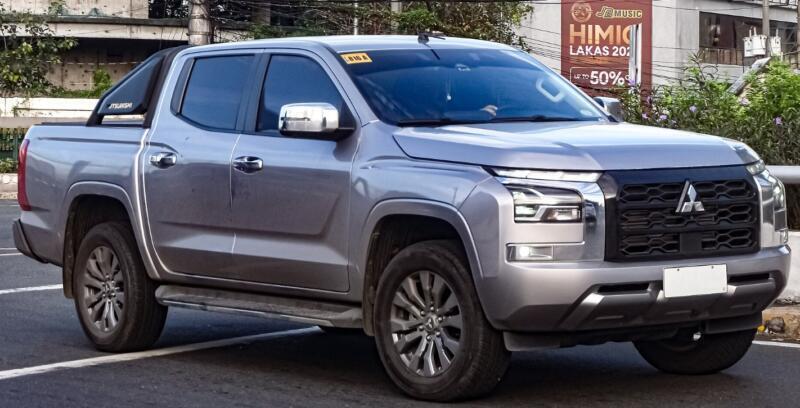
Choosing between the Mitsubishi Triton and Ford Ranger Wildtrak in New Zealand is not simply a matter of comparing two diesel engines and picking the one with the biggest number. These utes approach the same job from noticeably different directions.
The Triton is the sensible challenger. It offers serious towing ability, a practical cabin, strong four-wheel-drive hardware and attractive pricing without dressing every feature in designer clothing. The Ranger Wildtrak is the polished heavyweight. It feels more powerful, more technologically advanced and more premium, but you pay handsomely for that extra muscle and sophistication.
For New Zealand drivers, the decision becomes even more interesting. One ute may spend Monday carrying tools through Auckland traffic, Friday towing a boat toward Taupō and Sunday crawling along a muddy farm track. It must work like a commercial vehicle while behaving like a family SUV.
So, which ute handles that balancing act best?
In this detailed comparison, we place the current Mitsubishi Triton VRX 4WD against the Ford Ranger Wildtrak V6 4WD, the versions most likely to attract Kiwi buyers searching for a well-equipped lifestyle ute. Specifications, prices and equipment can change, so buyers should confirm the exact model-year details with a New Zealand dealer before signing an agreement.
- Mitsubishi Triton vs Ford Ranger Wildtrak at a Glance
- New Zealand Price Comparison
- Engine Performance: Four Cylinders vs V6 Muscle
- Transmission Comparison
- Towing Capacity and Trailer Confidence
- Payload and Work Capability
- Four-Wheel-Drive Systems
- Ground Clearance and Wading Ability
- Ride Comfort and Handling
- Interior Quality and Design
- Technology and Infotainment
- Safety Equipment
- Fuel Economy and Running Costs
- Warranty and Dealer Support
- Reliability Considerations
- Resale Value in New Zealand
- Mitsubishi Triton vs Ranger Wildtrak for Work
- Mitsubishi Triton vs Ranger Wildtrak for Family Use
- Mitsubishi Triton vs Ranger Wildtrak Off Road
- Key Pros and Cons
- Which Ute Should You Buy?
- Conclusion: Value Champion or Premium All-Rounder?
- Frequently Asked Questions
- 1. Is the Mitsubishi Triton better value than the Ford Ranger Wildtrak?
- 2. Which is better for towing, the Triton or Ranger Wildtrak?
- 3. Is the Triton’s Super Select 4WD better than the Ranger’s 4WD?
- 4. Which ute is more comfortable for family driving?
- 5. Does the Ford Ranger Wildtrak justify its higher price?
Mitsubishi Triton vs Ford Ranger Wildtrak at a Glance
Before diving beneath the sheet metal, here is the basic character of each contender.
| Category | Mitsubishi Triton VRX | Ford Ranger Wildtrak |
|---|---|---|
| Engine | 2.4-litre bi-turbo diesel | 3.0-litre V6 turbo diesel |
| Power | 150kW | Stronger V6 output |
| Torque | 470Nm | 600Nm |
| Transmission | Six-speed automatic | Ten-speed automatic |
| Braked towing capacity | Up to 3,500kg | Up to 3,500kg |
| Four-wheel-drive system | Super Select 4WD-II | Full-time capable advanced 4WD |
| Main advantage | Value and all-terrain versatility | Performance, refinement and technology |
| Main disadvantage | Less powerful and luxurious | Considerably more expensive |
Mitsubishi New Zealand lists the Triton’s 2.4-litre bi-turbo diesel at 150kW and 470Nm, with official combined fuel consumption of 8.6L/100km. Ford’s current New Zealand Ranger range continues to advertise maximum braked towing capacity of 3,500kg when correctly equipped.
The first conclusion is obvious: these utes can perform many of the same jobs, but they do not deliver the same experience.
New Zealand Price Comparison
Price may be the most important difference in this contest.
Current advertised pricing places the Ranger Wildtrak V6 considerably above the Triton VRX 4WD. Ford New Zealand lists the 2026 Wildtrak from NZ$85,990 plus on-road costs, while current Triton VRX 4WD pricing has appeared substantially lower, depending on model year, stock and dealer promotions.
That gap can represent tens of thousands of dollars.
For some buyers, the Ranger will justify its premium through stronger performance, better cabin presentation, towing confidence and more sophisticated technology. For others, paying extra for a ute that still tows the same headline 3,500kg may feel like buying an expensive outdoor jacket when a reliable raincoat would keep them equally dry.
The additional money generally brings:
- A larger and stronger V6 diesel engine
- A more polished automatic transmission
- A more SUV-like driving experience
- Advanced towing and camera technology
- A more premium interior
- Greater brand recognition in the New Zealand ute market
- A broader feeling of refinement
The Wildtrak does not merely add decorative trim. It offers meaningful mechanical and technological advantages.
However, the Triton’s lower purchase price leaves room in the budget for a tow bar, canopy, all-terrain tyres, suspension upgrades, roof racks, insurance and several years of diesel. That matters when we calculate ownership with our heads rather than our hearts.
The Value Question
Ask yourself one direct question: do we need the Ranger’s extra performance, or do we simply like knowing it is available?
There is nothing wrong with choosing the more desirable ute. Yet buyers focused on value should recognise that the Triton completes most everyday jobs at a noticeably lower entry cost.
Engine Performance: Four Cylinders vs V6 Muscle
Under the Triton’s bonnet sits a 2.4-litre four-cylinder bi-turbo diesel producing 150kW and 470Nm. It is a major improvement over the previous generation, delivering torque smoothly and making the ute feel more energetic than its engine size suggests.
The Ranger Wildtrak V6 uses a 3.0-litre turbo-diesel engine producing approximately 184kW and 600Nm in the established New Zealand specification.
That 130Nm difference is significant.
The Ford feels less strained when accelerating uphill, overtaking on an open road or pulling a heavy trailer. Its V6 does not need to shout. It gathers speed with the relaxed confidence of a large dog climbing onto a sofa—it simply assumes there will be enough room.
The Triton is not slow, but its power delivery is more functional. Press the accelerator firmly and the four-cylinder engine works harder, sounds busier and depends more heavily on the gearbox to maintain momentum.
Triton Engine Strengths
The Mitsubishi engine offers several advantages:
- Strong low- and mid-range torque
- Competitive official fuel consumption
- Predictable power delivery
- Lower purchase cost
- Enough performance for normal commuting and moderate towing
- A straightforward, work-focused character
Ranger Wildtrak Engine Strengths
The Ranger’s V6 provides:
- Quicker and easier acceleration
- More effortless towing
- Better performance on steep roads
- Reduced strain when heavily loaded
- Smoother power delivery
- Greater overtaking confidence
Which Engine Is Better for New Zealand Roads?
For regular driving around Christchurch, Hamilton or suburban Auckland, the Triton provides more than enough performance.
For repeated towing through hilly regions, including routes around the Coromandel, Central Plateau or South Island mountain passes, the V6 Wildtrak has a clear advantage. Its surplus torque creates a calmer and more controlled experience.
The Triton can pull the load. The Ranger makes the load feel lighter.
Transmission Comparison
The Triton uses a six-speed automatic transmission, while the Wildtrak V6 uses a ten-speed automatic.
More gears do not automatically create a better gearbox, but Ford’s ten-speed unit gives the Ranger a wider ratio spread. It can select a low gear for pulling power and then settle into a tall ratio during motorway cruising.
The Mitsubishi gearbox is simpler in character. Six ratios mean fewer shifts and less hunting under ordinary conditions. It generally suits the Triton’s broad torque delivery, although it cannot disguise the four-cylinder engine’s smaller reserves when the ute is heavily loaded.
Around Town
In urban traffic, both transmissions are easy to operate. The Triton’s six-speed automatic can feel pleasantly uncomplicated, while the Ranger’s gearbox may shift more frequently as it searches for the most efficient ratio.
The Ranger nevertheless feels smoother and more refined overall.
On Open Roads
At open-road speeds, the Ford feels quieter and more relaxed. The V6 barely needs to flex its muscles, while the ten-speed transmission keeps the engine within a useful operating range.
The Triton remains comfortable, but overtaking often requires a more obvious downshift and greater engine effort.
Towing Capacity and Trailer Confidence
Both utes advertise a maximum braked towing capacity of 3,500kg, placing them among the serious towing options in New Zealand’s mainstream ute market. Mitsubishi dealers and current product information promote a 3.5-tonne braked rating, while Ford specifies the same maximum when fitted and operated correctly.
That headline figure, however, does not tell the entire story.
A vehicle may be rated to tow 3,500kg while carrying only a restricted combination of passengers, cargo, accessories and tow-ball weight. The ute’s gross vehicle mass and gross combined mass still apply.
This content may interest you! Toyota Voxy Generations New Zealand: Complete Buyer’s Guide
Why Payload Matters While Towing
Payload includes more than whatever sits in the tray. It may include:
- The driver and passengers
- Luggage
- A canopy or hard lid
- A bull bar
- Side steps and underbody protection
- Tools
- A fridge or camping equipment
- Tow-ball download
- Other accessories
A heavy caravan can place several hundred kilograms on the tow ball. That weight counts against the ute’s available payload.
Ford explicitly notes that occupants or luggage may need to be restricted to remain within the Ranger’s gross combined and gross vehicle limits. The same principle applies to the Triton.
Which Ute Tows Better?
The Ranger Wildtrak V6 wins for towing experience.
Its 600Nm of torque, heavier feel and longer-legged drivetrain provide greater confidence, especially on hills or when joining fast traffic. The Triton remains a capable tow vehicle, but it needs more revs and more deliberate gearbox activity.
For towing a small boat, jetski, garden trailer or lightweight caravan, the Triton is entirely convincing. For hauling close to the maximum rating regularly, the Ranger is the more comfortable tool.
Payload and Work Capability
One of the Triton’s strongest qualities is that it remains a genuine working ute beneath its lifestyle trim.
Current-generation Triton variants provide payload figures of at least roughly one tonne, although the precise number varies by body style and specification. Independent New Zealand testing has noted that all models can carry at least 1,000kg.
Ranger payload also varies significantly across the range. Ford advertises up to 1,412kg for selected Ranger configurations, but that maximum does not represent the heavier, highly equipped Wildtrak.
Added luxury equipment increases kerb weight, reducing the remaining margin before reaching gross vehicle mass.
Tray Practicality
The Triton may look slightly smaller from the outside, but its tray is usefully proportioned. A 2026 New Zealand review measured its load area as 91mm longer and 25mm wider than the Ranger’s.
That is a meaningful advantage for:
- Builders carrying bulky equipment
- Campers installing drawer systems
- Cyclists loading bikes
- Families transporting outdoor gear
- Farmers carrying feed or tools
The Ranger counters with intelligent cargo-management features and, on relevant specifications, Ford’s Flexible Rack System. Ford states that this system can carry up to 80kg dynamically and 250kg when stationary, subject to correct setup.
Tailgate and Tray Access
The Triton’s redesigned tray has lower side walls and improved access compared with its predecessor. It feels designed for people who actually climb into the back.
The Wildtrak’s load area feels more sophisticated, particularly when equipped with accessories such as a powered roller shutter, integrated steps or movable rack components. Ford turns the tray into a flexible adventure platform, while Mitsubishi keeps it simple and practical.
Four-Wheel-Drive Systems
This is where the Triton delivers one of its strongest punches.
The high-specification Triton VRX uses Mitsubishi’s Super Select 4WD-II system. Unlike a basic part-time four-wheel-drive arrangement, it allows the driver to use four-wheel drive on sealed roads through a centre differential mode.
That flexibility is extremely useful in New Zealand, where wet highways, gravel roads, muddy tracks and dry tarmac may all appear during the same trip.
Triton Super Select Modes
Depending on specification, the system includes settings such as:
- 2H for normal rear-wheel-drive operation
- 4H for full-time four-wheel drive on sealed or loose surfaces
- 4HLc with the centre differential locked
- 4LLc for low-range off-road driving
The Triton also offers selectable terrain modes to adjust throttle response, transmission behaviour, traction control and braking.
Ranger Wildtrak 4WD System
The Wildtrak V6 also provides a sophisticated four-wheel-drive setup with full-time usability, selectable modes, low range and a locking rear differential.
It is an impressive system and easy to operate. The vehicle’s electronics do much of the thinking, making difficult terrain less intimidating for inexperienced drivers.
Which Is Better Off Road?
The result is close.
The Ranger has stronger power, a confident chassis and polished electronic assistance. The Triton counters with excellent drivetrain flexibility, a narrower-feeling body and a slightly more traditional sense of mechanical control.
On wide gravel tracks, the Ranger feels planted and powerful. On tighter trails, the Triton can feel easier to position.
For serious off-road travel, tyre choice may matter more than the badge on the grille. A Triton wearing appropriate all-terrain tyres can outperform a Wildtrak on road-oriented rubber, and the reverse is equally true.
Ground Clearance and Wading Ability
Ground clearance varies by model, equipment and measurement method. Current Triton VRX information lists approximately 222mm in relevant configurations, while Ranger variants are generally competitive and Ford advertises up to 800mm of wading depth across applicable models.
Numbers alone can be misleading.
A ute’s off-road ability also depends on:
- Approach angle
- Departure angle
- Breakover angle
- Wheelbase
- Tyres
- Underbody protection
- Traction-control calibration
- Driver experience
The Ranger’s larger body can feel cumbersome on narrow forestry tracks. The Triton feels a little more manageable, though neither is a compact vehicle.
Before entering deep water, we should always inspect the crossing, account for current and hidden obstacles, and check the owner’s manual. A manufacturer’s wading figure is not an invitation to treat every flooded road like a swimming pool.
Ride Comfort and Handling
Older utes often bounced down empty roads like wheelbarrows wearing number plates. Modern models are far better, though the rear leaf-spring layout still reminds us that these vehicles are designed to carry weight.
Mitsubishi Triton Ride
The latest Triton represents a substantial improvement over its predecessor. Its wider chassis, revised suspension and longer wheelbase create better stability.
Even so, the ride can feel firm when the tray is empty. Sharp bumps may produce noticeable movement from the rear axle, especially on rough urban streets.
Once loaded, the suspension settles and feels more natural.
Ford Ranger Wildtrak Ride
The Ranger Wildtrak generally offers the more settled and sophisticated ride. It controls body movement well, absorbs larger imperfections confidently and feels closer to an SUV from behind the wheel.
It is not soft, but it feels mature.
This content may interest you!Toyota Voxy vs Noah: Which Family Minivan Is Better?Cornering and Steering
The Triton’s steering is relatively light and direct, helping it feel smaller than it is. The Ranger’s steering is also easy to manage, but the vehicle carries a broader, heavier presence.
On winding roads, neither ute behaves like a low family wagon. The Ranger nevertheless maintains better composure, while its stronger engine makes climbing out of corners feel effortless.
Interior Quality and Design
Open the Triton’s door and the cabin looks tough, tidy and functional. Important controls are large, physical and easy to locate. Mitsubishi has resisted the temptation to bury every function inside a touchscreen.
The materials are durable rather than lavish. Some surfaces feel hard, but that is not necessarily a weakness in a vehicle expected to encounter muddy boots, tools, pets and children.
The Wildtrak interior makes a stronger first impression. Its upright touchscreen, digital instruments, carefully designed storage areas and textured materials create a more premium atmosphere.
Triton Interior Advantages
The Mitsubishi offers:
- Straightforward physical controls
- Good front-seat support
- Improved rear legroom
- Logical storage
- A durable, uncluttered design
- Less dependence on the touchscreen
Wildtrak Interior Advantages
The Ford provides:
- A more sophisticated dashboard
- Higher-quality visual presentation
- A larger portrait-style display
- More advanced camera views
- Better perceived luxury
- More polished infotainment integration
Which Cabin Is Better for Families?
The Ranger wins for technology and ambience, but the Triton is more competitive for space than many buyers expect.
The current Triton’s second row is significantly better than the previous generation, with generous legroom and a comfortable seating angle.
Child-seat installation, door opening and rear-seat comfort should still be tested personally. A specification sheet cannot tell us whether a rear-facing seat leaves enough space for a tall driver.
Technology and Infotainment
The Wildtrak is the technology leader.
Ford’s SYNC system, large central touchscreen, digital driver display and available 360-degree camera create a modern user experience. Trailer information and off-road views can also be displayed in ways that reduce guesswork.
The Triton’s infotainment system is smaller and less visually dramatic. However, it covers the essentials, including smartphone integration, navigation-related functions and common connectivity features, depending on specification.
Does More Technology Mean Better Usability?
Not always.
The Triton’s physical buttons are valuable when we are driving over rough ground, wearing gloves or simply trying to adjust a function without looking away from the road.
The Ranger’s interface is more attractive, but some controls require interaction with the screen. Technology should remove effort, not transform a simple adjustment into a treasure hunt.
Safety Equipment
Both utes offer comprehensive modern safety equipment in their upper specifications.
Expected features include:
- Autonomous emergency braking
- Adaptive cruise control
- Blind-spot monitoring
- Rear cross-traffic alert
- Lane-departure warning
- Lane-keeping assistance
- Parking sensors
- Reversing cameras
- Multiple airbags
Exact features can differ by model year and trim.
Driver-Assistance Calibration
The presence of a feature is only half the story. Its calibration matters.
Some systems intervene gently, while others behave like a nervous passenger grabbing the steering wheel. Buyers should test adaptive cruise control and lane assistance on familiar roads before deciding which vehicle feels more natural.
The Ranger’s camera technology is particularly useful around trailers, car parks and off-road obstacles. The Triton’s safety package is extensive, but the Ford presents information more elegantly.
Fuel Economy and Running Costs
Mitsubishi quotes combined fuel consumption of 8.6L/100km for the current bi-turbo Triton powertrain. Real-world results depend on load, terrain, tyres, traffic and driving behaviour.
The Ranger V6 is unlikely to match the smaller Triton for fuel consumption in comparable everyday use. Its extra cylinders and torque bring performance, but diesel still follows the laws of physics.
Real-World Fuel Consumption Factors
Consumption can rise significantly when we add:
- Roof racks
- A canopy
- Heavy all-terrain tyres
- A bull bar
- Lifted suspension
- Constant four-wheel-drive use
- A trailer
- Aggressive acceleration
- Short urban journeys
A one-litre-per-100km difference may appear small, but it becomes noticeable across 20,000 or 30,000km per year.
Road User Charges
Both diesel utes are subject to New Zealand road user charges. Buyers should include RUC, servicing, insurance, tyres and finance costs rather than comparing fuel prices alone.
The Ranger’s higher purchase value may also produce higher insurance premiums, although quotes depend on the driver, location, use, security and insurer.
Warranty and Dealer Support
Mitsubishi has historically competed strongly through warranty coverage and value-focused ownership packages. Current 2026 Triton listings describe a five-year, 130,000km vehicle warranty, though buyers should confirm applicable Diamond Advantage terms and servicing requirements directly with Mitsubishi Motors New Zealand.
Ford has an extensive New Zealand dealer network and strong Ranger familiarity among workshops, accessory suppliers and fleet operators.
Parts and Accessories
The Ranger has an enormous accessory ecosystem. Finding canopies, suspension packages, tow equipment, storage systems, bull bars and replacement parts is generally easy.
The Triton is also well supported, but its range of ute-specific accessories may be smaller than the Ranger’s in some categories.
For buyers planning a highly customised touring build, the Ranger offers more ready-made pathways. For a straightforward tow vehicle or work ute, the Triton has everything most owners genuinely require.
Reliability Considerations
No modern turbo-diesel ute should be purchased under the assumption that it will run forever without careful maintenance.
Both vehicles use complex systems, including:
- Turbocharging
- Diesel particulate filters
- Exhaust-emissions controls
- High-pressure fuel injection
- Electronic driver assistance
- Automatic transmissions
- Sophisticated four-wheel-drive hardware
Frequent short journeys can be unfriendly to diesel particulate filters, particularly when the engine rarely reaches normal operating temperature.
How to Improve Long-Term Reliability
We can reduce avoidable trouble by:
This content may interest you!Toyota Voxy vs Alphard Size: Which MPV Fits Your Life?- Following the severe-use servicing schedule where appropriate.
- Using the correct engine oil and fluids.
- Allowing particulate-filter regeneration cycles to complete.
- Inspecting cooling systems before heavy towing.
- Avoiding aggressive engine tuning.
- Checking transmission and differential requirements.
- Washing salt, sand and mud from the underbody.
- Keeping within GVM and GCM limits.
A well-maintained Triton may prove less expensive to own because of its simpler six-speed drivetrain and lower purchase value. The Ranger’s popularity, however, means technical knowledge and parts support are widespread.
Resale Value in New Zealand
The Ranger has a powerful position in the New Zealand market. Ford describes it as New Zealand’s leading vehicle for work and adventure, and its popularity generally supports buyer demand in the used market.
Wildtrak models are especially desirable because they combine towing capability with lifestyle appeal.
The Triton may depreciate more heavily in percentage terms, though its lower initial price softens the total-dollar loss. Discounted new-vehicle pricing can also affect used values.
Which Ute Is Easier to Sell?
The Ranger Wildtrak will probably attract more potential buyers and command a stronger advertised resale figure.
The Triton may appeal to budget-conscious buyers seeking a younger ute with fewer kilometres for the same money.
Resale is not only about the badge. Colour, service history, modifications, accident records, tyre condition and whether the vehicle has spent its life towing heavy equipment all influence value.
Mitsubishi Triton vs Ranger Wildtrak for Work
For work use, the Triton makes a persuasive argument.
It costs less, offers a large tray, carries roughly a tonne in relevant configurations and still tows up to 3,500kg. Owners may feel less anxious about scratching its interior or dropping muddy equipment into the tray.
The Ranger Wildtrak is capable, but it can feel almost too expensive and polished for harsh daily treatment.
Choose the Triton for Work When:
- Purchase value is a priority
- The ute will carry tools daily
- You want straightforward controls
- You drive on mixed sealed and gravel roads
- You need serious capability without luxury pricing
- Fuel economy matters more than maximum performance
Choose the Wildtrak for Work When:
- Heavy towing is frequent
- Long-distance comfort matters
- The vehicle doubles as an executive or family car
- Advanced trailer technology is valuable
- The business can absorb the higher purchase price
- Resale demand is important
Mitsubishi Triton vs Ranger Wildtrak for Family Use
The Wildtrak is the more convincing family substitute for an SUV.
It is quieter, more refined and more technologically advanced. Its road manners reduce the sense that we are driving a commercial vehicle.
The Triton remains a valid family choice, particularly in VRX specification. Its rear seating has improved dramatically, and its durable interior may survive family life better than a cabin filled with delicate finishes.
Daily-Life Considerations
Before choosing either ute, check:
- Whether it fits inside your garage
- How easily children can climb aboard
- Whether the turning circle suits your driveway
- How secure groceries are in the tray
- Whether a canopy is needed
- How much luggage space remains when towing
- Whether elderly passengers can access the cabin
A ute can look adventurous in a showroom and become inconvenient in a tight supermarket car park.
Mitsubishi Triton vs Ranger Wildtrak Off Road
Off road, the Triton performs like an underdog that has done its homework.
Super Select 4WD-II is a major advantage, allowing four-wheel-drive operation across changing surfaces. Its manageable dimensions and effective traction systems make it confident on muddy access roads and gravel.
The Ranger Wildtrak brings more torque and sophisticated electronic support. It feels exceptionally stable on fast gravel and powerful on steep climbs.
Our Off-Road Verdict
For slow, technical use, the Triton’s size and drivetrain flexibility are highly appealing.
For high-speed gravel touring and heavily loaded adventure travel, the Ranger’s stability, power and refinement give it an edge.
Neither should be confused with the Ranger Raptor, which uses specialised suspension designed for faster off-road driving. The Wildtrak remains a capable touring ute rather than a desert-racing toy.
Key Pros and Cons
Mitsubishi Triton VRX Pros
- Considerably lower purchase price
- Strong standard equipment
- Excellent Super Select four-wheel-drive system
- Competitive fuel economy
- Large and practical tray
- Improved rear-seat space
- 3,500kg towing capacity
- Easier to justify as a genuine work vehicle
Mitsubishi Triton VRX Cons
- Less powerful than the Ranger V6
- Busier engine under heavy loads
- Firmer and less polished ride
- Simpler cabin presentation
- Smaller technology display
- Potentially weaker resale demand
Ford Ranger Wildtrak Pros
- Strong 3.0-litre V6 diesel
- Excellent towing performance
- Refined ride and road manners
- Premium cabin
- Advanced infotainment and cameras
- Strong used-market appeal
- Extensive accessory availability
- Better long-distance comfort
Ford Ranger Wildtrak Cons
- Much higher purchase price
- Greater likely fuel consumption
- Expensive to insure and accessorise
- Large dimensions in urban areas
- Complex electronics and drivetrain
- Premium finishes may feel excessive for hard work
Which Ute Should You Buy?
The Mitsubishi Triton VRX is the smarter choice for buyers who prioritise value, practical four-wheel-drive ability, a useful tray and lower running costs.
It is not merely a cheaper imitation of the Ranger. It has its own strengths, particularly Super Select 4WD-II, accessible performance and a strong equipment-to-price ratio.
The Ford Ranger Wildtrak is the better ute in an absolute sense. It has more power, greater refinement, superior technology and a more premium cabin. Its V6 engine gives it a decisive advantage when towing heavily or travelling long distances.
But “better” and “better value” are not the same phrase.
Our Recommendation by Buyer Type
Choose the Triton VRX when you:
- Want to keep the purchase price under control
- Tow occasionally rather than constantly
- Need a practical work-and-family ute
- Value full-time four-wheel-drive flexibility
- Prefer physical controls and simple operation
- Expect to use the tray heavily
Choose the Ranger Wildtrak when you:
- Regularly tow a large caravan, horse float or boat
- Spend many hours on open roads
- Want SUV-level technology and comfort
- Prefer effortless V6 performance
- Care strongly about resale appeal
- Are comfortable paying a substantial premium
The Mitsubishi Triton vs Ford Ranger Wildtrak New Zealand comparison is less like choosing between a good ute and a bad ute and more like choosing between a capable hiking boot and a premium expedition boot.
The Triton is practical, tough and sensibly priced. It can tow 3,500kg, tackle slippery roads, carry family gear and work throughout the week without demanding luxury-car money.
The Ranger Wildtrak performs the same basic tasks with more strength and polish. Its V6 engine is the star, transforming heavy towing and open-road driving. Its cabin also feels more sophisticated, and its technology makes difficult manoeuvres easier.
If our budget is flexible and we want the most complete lifestyle ute, the Ranger Wildtrak wins.
If we want the strongest combination of capability and value, the Triton VRX wins.
The right answer therefore depends on what we intend to carry—not only in the tray, but in the finance agreement.
Frequently Asked Questions
1. Is the Mitsubishi Triton better value than the Ford Ranger Wildtrak?
Yes. The Triton VRX generally costs considerably less while still providing a 2.4-litre bi-turbo diesel engine, four-wheel drive, a well-equipped cabin and up to 3,500kg of braked towing capacity. The Ranger offers more power and refinement, but the Triton delivers stronger value for buyers who do not need V6 performance.
2. Which is better for towing, the Triton or Ranger Wildtrak?
The Ranger Wildtrak V6 is better for frequent heavy towing. Both utes can be rated to tow up to 3,500kg, but the Ranger’s 600Nm of torque gives it more effortless acceleration and stronger hill-climbing performance. Payload, tow-ball download, GVM and GCM limits must still be calculated carefully.
3. Is the Triton’s Super Select 4WD better than the Ranger’s 4WD?
Both are highly capable. Mitsubishi’s Super Select 4WD-II is particularly flexible because it allows full-time four-wheel-drive use on sealed roads as well as locked-centre and low-range modes off road. The Ranger counters with sophisticated drive modes, strong electronics and greater engine torque.
4. Which ute is more comfortable for family driving?
The Ranger Wildtrak is generally more comfortable and refined. It has a more premium cabin, smoother road manners and more advanced infotainment. The latest Triton has significantly improved rear-seat space and remains a practical family vehicle, especially for buyers prioritising durability and value.
This content may interest you! Mitsubishi Triton vs Nissan Navara New Zealand: Which Ute Wins?
5. Does the Ford Ranger Wildtrak justify its higher price?
It can justify the premium for buyers who regularly tow, travel long distances or want an SUV-like cabin. Its V6 power, technology, refinement and resale appeal are genuine advantages. For ordinary commuting, occasional towing and mixed work use, the Triton may accomplish everything required for much less money.
Leave a Reply