
Driving an Electric Vehicle Across New Zealand
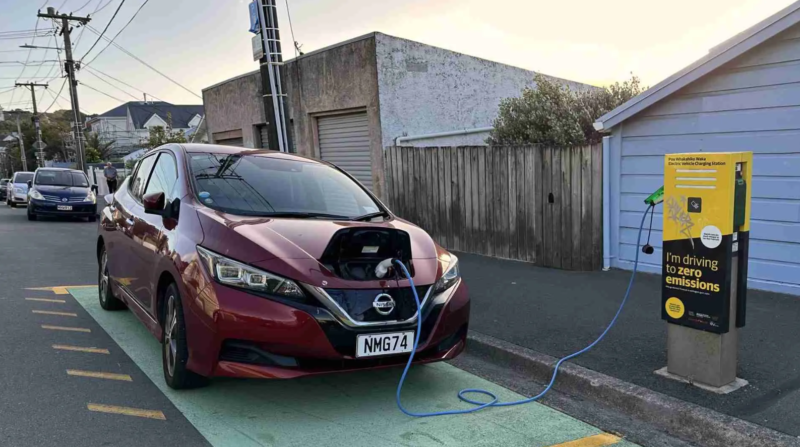
Driving an electric vehicle across New Zealand offers an unparalleled journey through some of the world’s most diverse landscapes, from rolling green hills to dramatic alpine passes and pristine coastlines. Yet, the endeavor requires careful planning due to the nation’s evolving charging infrastructure, particularly in remote areas.
This article explores the practical realities of traversing the country in an EV, covering route considerations, charging station availability, and the unique challenges posed by New Zealand’s rugged terrain.
Whether cruising through the North Island’s geothermal wonders or navigating the South Island’s fiords, discover how drivers can balance eco-friendly travel with the freedom of the open road.
- Essential Guide to Driving an Electric Vehicle Across New Zealand
- Essential Routes and Charging Infrastructure for EV Travel in New Zealand
- Frequently Asked Questions
- How far can I drive an electric vehicle in New Zealand on a single charge?
- Where can I charge my electric vehicle while traveling across New Zealand?
- Is it expensive to charge an electric vehicle compared to petrol in New Zealand?
- What should I know about driving an electric vehicle on New Zealand's remote roads?
Essential Guide to Driving an Electric Vehicle Across New Zealand
Driving an electric vehicle (EV) across New Zealand offers a unique blend of breathtaking scenery, eco-friendly travel, and modern convenience. With an expanding network of fast-charging stations, planning a road trip through both islands has become increasingly feasible.
The country's relatively compact size, combined with its commitment to renewable energy, makes it an ideal destination for EV enthusiasts. However, to ensure a smooth journey, you must understand the charging infrastructure, terrain challenges, and range considerations.
From the geothermal wonders of Rotorua to the alpine passes of the Southern Alps, every leg of the trip requires careful preparation.
Expect to encounter a rapidly growing number of DC fast chargers along major highways, but also plan for a few longer stops in remote areas. The key to success lies in balancing your desire for exploration with the need to keep your battery charged, turning potential range anxiety into an opportunity for scenic detours and local discoveries.
Understanding New Zealand's Charging Network
New Zealand's EV charging infrastructure is predominantly managed by networks like ChargeNet, which offers a reliable backbone of 50kW to 350kW DC fast chargers along most state highways. These stations are strategically placed at petrol stations, town centers, and popular tourist spots, typically spaced 80 to 150 kilometers apart.
For a comprehensive trip, you should also download apps like A Better Routeplanner or the ChargeNet app to locate real-time availability and pricing. Many accommodations, from holiday parks to motels, now provide destination chargers (usually 7kW to 22kW AC) for overnight top-ups.
While the North Island has denser coverage, the South Island's routes especially along the West Coast and through Central Otago require more deliberate planning.
Pay close attention to charger types like CHAdeMO and CCS2, as most modern EVs use CCS2, but older models may still rely on CHAdeMO. Always carry a Type 2 cable for slower AC charging and be prepared for occasional downtime, though network reliability has improved significantly.
Top Tips for Maximizing Range and Efficiency
To get the most out of your EV on New Zealand's varied roads, adopt a strategy of efficient driving. The country's topography includes steep hills, winding coastal roads, and long straights, all of which impact range. Use regenerative braking aggressively on downhill sections, especially on passes like the Lindis Pass or the Takaka Hill, to recapture energy.
This content may interest you! Best Cars for Long Road Trips Across New Zealand
Keeping your speed to around 90-100 km/h on highways can extend your range by up to 20% compared to 110 km/h. Climate control is a major factor; in cooler months, pre-heating the cabin while the car is plugged in uses grid power rather than battery capacity.
Similarly, in summer, relying on the car's ventilation system rather than full air conditioning can preserve kilowatt-hours. Plan your charging stops around meal and sightseeing breaks to avoid idle time, and always consult elevation profiles on your route app. For example, a trip from Christchurch to Queenstown via Tekapo requires careful battery management due to the high altitude and limited charging between towns.
Key Routes and Scenic Drives for EV Travelers
New Zealand offers several iconic EV-friendly routes that combine natural beauty with charging convenience. The Classic New Zealand Wine Trail from Hawke's Bay to Martinborough is a perfect loop, with chargers at wineries and small towns.
For a South Island adventure, the drive from Picton to Queenstown via the West Coast features chargers at Hokitika, Franz Josef, and Wanaka, allowing you to explore glaciers and rainforests without range stress. The Thermal Explorer Highway from Auckland to Rotorua is heavily dotted with fast chargers, making it a stress-free starting point for beginners.
Another stunning leg is the Otago Peninsula loop from Dunedin, where you can see penguins and albatrosses, with chargers in Portobello. Most chargers along these routes are located near cafes or tourist information centers, so you can comfortably charge while enjoying local food.
Always check for seasonal road closures (e.g., the Milford Road) and note that some remote chargers may be single-node, so having a backup plan is wise.
| Region | Recommended Charging Stop | Charger Type & Power | Nearby Attraction |
|---|---|---|---|
| Northland | Whangarei | DC Fast (50-150 kW) | Whangarei Falls |
| Waikato | Cambridge | DC Fast (50-350 kW) | Hamilton Gardens |
| Canterbury | Tekapo | DC Fast (50 kW) | Church of the Good Shepherd |
| Otago | Cromwell | DC Fast (50 kW) | Goldfields Mining Centre |
| West Coast | Franz Josef | DC Fast (50 kW) | Franz Josef Glacier |
Essential Routes and Charging Infrastructure for EV Travel in New Zealand
Planning an electric vehicle (EV) road trip across New Zealand requires strategic consideration of the country's expanding charging network and the most scenic, efficient routes. The two main islands offer distinct experiences; the North Island features the well-supported Thermal Explorer Highway connecting Auckland to Wellington, with numerous rapid DC chargers available at populated centers and key tourist stops.
On the South Island, the Southern Scenic Route from Christchurch to Queenstown demands more careful planning due to longer distances between chargers, especially through the rugged West Coast. New Zealand's network is increasingly reliable, with ChargeNet and Z Energy providing high-speed chargers every 70-100 km on major highways.
Tesla Superchargers are strategically placed, and many accommodations now offer destination charging. Key to success is using apps like PlugShare and A Better Route Planner (ABRP) to verify charger availability and account for the impact of elevation changes and headwinds on battery range, particularly through alpine passes like Arthur's Pass or the Desert Road.
The journey is not just possible but remarkably scenic, with charging stops often located at viewpoints, cafes, or small towns that enrich the travel experience.
Mastering Range Anxiety in New Zealand's Remote Terrain
Range anxiety diminishes quickly when you understand that New Zealand's distances are manageable for modern EVs with 300+ km of range, but the real challenge is topography. Driving from Queenstown to Wanaka drains battery faster than expected due to Crown Range Road's steep grades, while the flat Canterbury Plains offer better-than-rated efficiency.
Always plan to arrive with 20% battery as a safety buffer, especially on the West Coast where charging options are sparse. Regenerative braking is your ally on descents, and driving in Eco mode can add 10–15% extra range on long stretches.
This content may interest you! Best Road Trip Routes for SUV Owners in New Zealand
Top South Island Loop: Christchurch, Tekapo, Queenstown
This 1,100 km loop is the ultimate EV road trip, beginning in Christchurch with ample charging options. The drive to Lake Tekapo covers 230 km with a charger at the town's information center. Next, head to Wanaka (200 km) via the Lindis Pass, where a ChargeNet rapid charger awaits at a supermarket.
Finally, the 70 km dash to Queenstown is easy, though city chargers can be busy during peak ski season. The scenery is world-class, with turquoise lakes, mountains, and dark sky reserves.
North Island Highlight: Auckland to Bay of Islands
This 240 km route north is ideal for new EV drivers due to frequent charging infrastructure. Leave Auckland with a full charge and stop at Warkworth (50 km) or Whangarei (140 km) for a 30-minute top-up. The destination, Paihia in the Bay of Islands, has multiple destination chargers at hotels and marinas.
The drive is predominantly flat and coastal, allowing for efficient energy use. The payoff includes beautiful beaches, historic Waitangi Treaty Grounds, and dolphin-watching cruises.
Charging Etiquette and Smart Habits
Follow simple rules to avoid being "that EV driver." Never park at a rapid charger without actively charging, and move your car within 15 minutes of reaching 80% to avoid idle fees. Rapid chargers slow down above 80%, so it's often better to unplug and continue.
Always check plug type New Zealand uses Type 2 and CCS2 connectors, with CHAdeMO becoming rare. Call ahead to remote chargers in smaller towns to ensure they are operational, as some may be in unverified locations.
Weather, Wind, and Winter Driving Tips
New Zealand's weather is notoriously changeable, which significantly impacts EV range. Cold winter temperatures (5°C or lower) can reduce range by 20-30%, while strong headwinds on open plains (like the Desert Road) drain batteries faster.
Use pre-conditioning while plugged in to warm the battery and cabin before departure. In the South Island's winter, carry snow chains and check for road closures; the extra weight and rolling resistance from chains will further reduce range. Weigh your vehicle accurately, as payload affects efficiency.
Frequently Asked Questions
How far can I drive an electric vehicle in New Zealand on a single charge?
Most modern EVs can travel between 300-500 km on a full charge, depending on the model and driving conditions. With New Zealand's compact size, you can easily drive between major cities like Auckland and Hamilton on one charge. However, factors like hilly terrain, towing, or cold weather may reduce range by 10-20%.
Where can I charge my electric vehicle while traveling across New Zealand?
New Zealand has a rapidly growing charging network with over 1,000 public charging stations nationwide. Major providers like ChargeNet offer fast chargers along main highways and in towns. Apps like PlugShare or AA's EV app help locate stations. Many accommodations, like hotels and holiday parks, also provide slow chargers for overnight use.
Is it expensive to charge an electric vehicle compared to petrol in New Zealand?
Charging an EV in New Zealand is typically 50-70% cheaper than fueling a petrol car. Average public fast charging costs around NZ$0.55 per kWh, which equates to roughly NZ$15-20 for a 300 km range. Home charging is even cheaper, especially with off-peak electricity rates. Regular servicing costs are also lower due to fewer moving parts.
What should I know about driving an electric vehicle on New Zealand's remote roads?
For remote areas like the South Island's West Coast or Coromandel, plan your route carefully using charging apps. Some regions have limited fast-charging options, so carry a Type 2 cable for slower stations. Consider staying at accommodations with charging facilities. Also note that range drops on steep hill climbs, so account for this when traveling through mountainous terrain.
This content may interest you! Tesla Model Y Long Distance Driving Guide
Leave a Reply