
Driving a Toyota RAV4 on New Zealand Mountain Roads
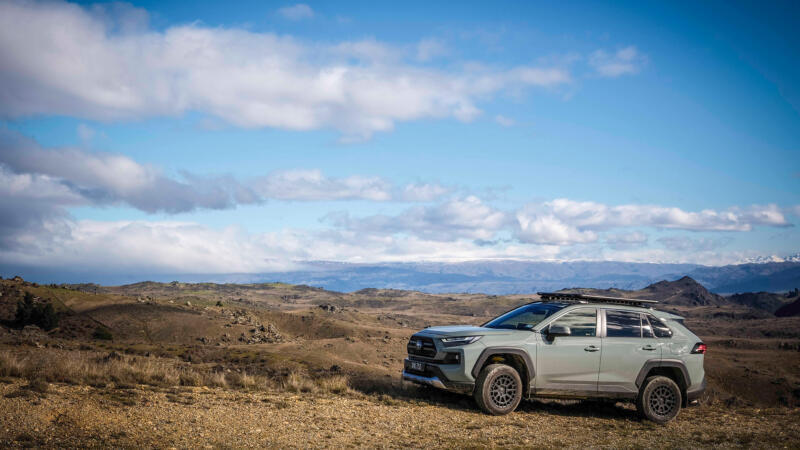
Navigating New Zealand’s mountain roads behind the wheel of a Toyota RAV4 offers an unforgettable blend of rugged adventure and refined comfort. The country’s winding, steep passes from the Southern Alps to the Coromandel Range demand a vehicle that balances stability with agility.
With its all-wheel-drive capability and responsive handling, the RAV4 conquers sharp curves and unpredictable gradients with surprising ease.
The cabin remains quiet and composed, even as gravel shifts under the tires. Whether ascending misty ridges or descending into valleys, the RAV4 transforms these challenging routes into a seamless, immersive journey, revealing landscape after stunning landscape with unwavering reliability.
Driving a Toyota RAV4 on New Zealand’s mountain roads is an experience that blends exceptional comfort with surprising off-road capability. The RAV4’s elevated driving position provides excellent visibility, crucial for spotting oncoming traffic on narrow, blind corners.
Its all-wheel-drive (AWD) system inspires confidence on loose gravel and wet asphalt, while the responsive steering ensures precise handling. The suspension strikes a fine balance: firm enough to minimize body roll during sharp turns, yet soft enough to absorb the bumps and ruts common on rural passes like the Crown Range Road or Arthur’s Pass.
Performance and Handling on Steep Gradients
The RAV4’s powertrain, whether a 2.5-liter gasoline engine or the hybrid version, delivers consistent torque to tackle steep ascents without hesitation. The hybrid model, in particular, shines on descents; its regenerative braking system reduces brake fade on prolonged downhill stretches, a common concern on roads like the Lindis Pass.
The transmission offers manual shift mode, allowing drivers to hold lower gears for engine braking—a key safety feature on gradients exceeding 10%. The overall handling is predictable and stable, even when the road surface transitions abruptly from tarmac to gravel.
All-Wheel Drive and Traction on Loose Surfaces
New Zealand’s mountain roads often feature unsealed sections or loose gravel from winter maintenance. The RAV4’s automatic AWD system, paired with traction control, distributes power seamlessly to maintain grip. On surfaces like the gravel stretches of the Dansey Pass, the vehicle remains composed, with minimal wheel spin.
The system also assists during tight switchbacks, preventing inside wheels from losing traction. While not a hardcore off-roader, the RAV4’s 8.4 inches of ground clearance allows it to clear rough tracks and potholes with ease, making it a versatile choice for scenic mountain routes.
Space, Safety, and Comfort for Long Drives
Long journeys through New Zealand’s mountain regions demand ergonomic seating and ample cargo space, both of which the RAV4 delivers. The rear seats provide generous legroom for passengers, crucial on drives exceeding five hours, like the journey from Queenstown to Milford Sound.
Safety features such as lane-keeping assist and adaptive cruise control mitigate fatigue on monotonous stretches, while blind-spot monitoring is invaluable on winding roads with limited visibility. The cabin’s low noise levels also enhance comfort, allowing the spectacular scenery—like the Southern Alps—to be the sole focus.
| Feature | Benefit on Mountain Roads | Rating (1-5) |
|---|---|---|
| All-Wheel Drive | Enhances grip on wet and gravel surfaces | 5 |
| Ground Clearance | Clears rough tracks and deep potholes | 4 |
| Regenerative Braking | Reduces brake fade on long descents | 5 |
| Seat Comfort | Supports proper posture during long drives | 4 |
| Cabin Noise | Low vibration and sound for a quiet ride | 4 |
Mastering the RAV4's Terrain Response on Rugged Alpine Passes
The Toyota RAV4's intelligent all-wheel-drive system becomes your greatest ally when navigating New Zealand's mountainous terrain.
On the sharp switchbacks of the Crown Range Road, the vehicle's torque distribution adjusts seamlessly, sending power to the wheels with most grip during steep inclines and loose gravel surfaces. The Sport mode tightens throttle response and steering feel, essential for maintaining momentum through high-altitude corners where road cambers can shift unexpectedly.
However, unlocking the "Trail" mode via the dial between the front seats provides maximum traction control for unsealed sections, allowing the RAV4 to climb surfaces that would leave lesser crossover struggling on the rain-slickened asphalt common in the Southern Alps.
This content may interest you! Top Safety Features Every New Zealand Driver Should Look For
Optimal Gear Selection for Continuous Descents
Using the paddle shifters to manually hold lower gears prevents brake fade on the legendary 12-kilometer descent into Queenstown from the Remarkables Ski Area.
The RAV4's CVT simulation responds instantly, letting you keep second gear at 4,000 RPM to use engine braking effectively while entering tight turns. This technique becomes crucial when following local drivers who expect consistent speeds through the hairpins with 15% gradients.
How Crosswinds Impact Stability at High Elevations
On exposed sections like Lindis Pass, sudden wind gusts from mountain valleys require constant steering micro-adjustments. The RAV4's lighter curb weight compared to SUVs makes it susceptible to lateral movement, so keeping both hands at 10 and 2 becomes essential.
When passing oncoming campervans, anticipate a pressure wave that pushes the vehicle toward the gravel shoulder counteract with steady throttle input rather than sudden brakes.
Managing the Turbo Lag on Thin Air Thrills
Above 1,500 meters near Arthur's Pass, the 2.5-liter four-cylinder naturally aspirated engine produces only 80% of sea-level power.
When overtaking sluggish tourist buses on short straightaways, you must build revs to 5,000 RPM before committing, utilizing the powerband's sweet spot. The lack of forced induction means planning passes with extra space a skill learned painfully when a Ford Ranger appeared suddenly around a blind corner.
Suspension Tuning for Corrugated Metal Roads
The RAV4's independent rear suspension soaks up the washboard surfaces of unsealed roads like the Mackenzie Country gravel routes surprisingly well. However, speed above 80kph induces rear axle hop that can cause traction loss during cornering.
Reduce to 65kph and let the electric power steering self-center through sand and small rock patches, but avoid hard braking which lifts the rear tires on descending slopes.
Essential Pre-Trip Checks for Alpine Safety
Before tackling Haast Pass or the Milford Road, ensure your RAV4's all-season tires have at least 6mm tread depth for aquaplaning resistance in persistent rain.
Lower cold tire pressure to 32 psi front/30 psi rear to improve contact patch on loose surfaces, and always disable traction control when stuck on ice patches to rock the vehicle free. Carry snow chains even in summer Arthur's Pass has recorded snowfall in January.
Frequently Asked Questions
Is the Toyota RAV4 powerful enough for steep New Zealand mountain roads?
Yes, the Toyota RAV4, especially models with the 2.5-liter engine, provides sufficient power for New Zealand's mountain roads. Its torque delivery is adequate for sustained climbs on gradients like the Crown Range or Arthur's Pass. While not a performance SUV, the RAV4 maintains steady momentum without struggling. For steep ascents, using Sport mode optimizes throttle response and gear holding, ensuring confident progress up winding alpine passes.
How does the RAV4 handle tight corners on narrow mountain passes?
The RAV4 handles tight corners well due to its balanced suspension and precise electric power steering. All-wheel-drive variants offer added grip on gravel or damp switchbacks typical of roads like the Haast Pass. The vehicle remains composed at moderate speeds, though body roll is present in sharp bends. Drivers should reduce speed before corners, as the RAV4 prioritizes comfort over sporty handling.
What safety features are useful for mountain driving in a RAV4?
Key safety features include Hill Descent Control for steep downhill sections, preventing wheel slip on loose surfaces. The Toyota Safety Sense package provides Lane Departure Alert and Adaptive Cruise Control, which assists on long, winding routes. Traction control is critical on wet or snowy roads. The RAV4's high ground clearance also helps avoid scraping on uneven terrain, reducing risks on unsealed mountain tracks.
Should I use two-wheel drive or all-wheel drive for mountain roads?
All-wheel drive (AWD) is strongly recommended for New Zealand's mountain roads, especially in winter or on gravel surfaces. AWD enhances stability on slippery gravel and tight corners, reducing wheel spin during acceleration. Front-wheel drive (FWD) is adequate for dry, sealed roads but struggles on steep, loose terrain. If you encounter frequent rain, snow, or unsealed passes like the Skippers Canyon, choose AWD for greater safety and control.
This content may interest you! Best Tyre Pressure for New Zealand Driving Conditions
Leave a Reply