
How to Handle Strong Winds While Driving
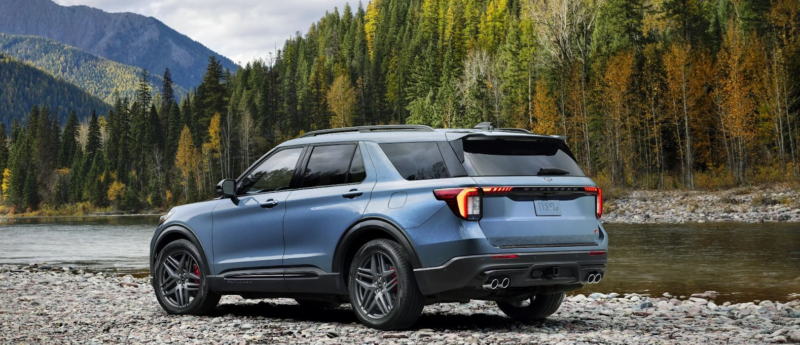
Driving in strong winds can be a daunting experience, especially for those unprepared for the sudden gusts that can affect vehicle stability. Understanding how to maintain control is crucial for safety on highways or exposed roads. High winds demand heightened awareness, as they can push your car off course, particularly in light or high-profile vehicles.
This guide offers practical strategies, from proper grip techniques and speed adjustments to anticipating gusts. By staying alert and adopting these measures, you can navigate windy conditions confidently, reducing risk for yourself and others. Preparation is key to managing this natural challenge effectively.
How to Handle Strong Winds While Driving
Driving in strong winds requires heightened awareness and specific techniques to maintain vehicle control. The key is to anticipate gusts, adjust your speed, and keep a firm grip on the steering wheel. Winds can suddenly push your car off course, especially on open highways, bridges, or when passing large vehicles.
Reducing your speed is the most effective measure, as it gives you more reaction time and reduces the force of the wind on your vehicle. Always keep both hands on the wheel, be prepared for sudden crosswinds, and watch for debris or falling objects on the road. If conditions become too severe, find a safe place to pull over and wait for the wind to subside.
Maintain a Firm Grip and Reduce Speed
When encountering strong winds, your immediate action should be to slow down gradually and grip the steering wheel firmly with both hands.
A lower speed reduces the impact of sudden gusts, making it easier to keep your vehicle centered in your lane. Avoid using cruise control, as it can cause your car to accelerate into a gust, worsening the situation. Focus on making small, smooth steering corrections rather than overcorrecting, which can lead to loss of control.
Be Aware of High-Risk Areas and Vehicles
Certain locations and situations amplify wind hazards. Be particularly cautious on bridges, overpasses, and open highways, where wind has unobstructed access to your car.
This content may interest you! Tips for Driving in Heavy Rain in New Zealand
Also, be extremely careful when passing or being passed by large trucks, buses, or SUVs, as the sudden change in airflow can push your vehicle sideways. Give these vehicles extra space and anticipate a strong gust when they move away. Watch for warning signs indicating 'High Winds' and prepare to slow down in those zones.
Reacting to a Sudden Gust
If a strong gust suddenly pushes your car, remain calm and do not slam on the brakes. Instead, ease off the accelerator and steer gently in the direction you need to go.
Overcorrecting can cause your vehicle to sway dangerously or even spin out. Focus on the road ahead and maintain a steady, gentle pressure on the wheel. If the wind is severe and you feel unstable, turn on your hazard lights to alert other drivers and find a safe, sheltered place to stop, such as a rest area or a parking lot away from trees.
| Situation | Key Action | Common Mistake |
|---|---|---|
| Driving on an open highway | Reduce speed and keep both hands on the wheel | Using cruise control |
| Passing a large truck | Anticipate a gust and hold the wheel steady | Driving too closely |
| Crossing a bridge | Slow down gradually before entering the bridge | Maintaining normal speed |
| Feeling a sudden gust | Ease off gas and steer slightly into the wind | Jerking the steering wheel |
| Severe, uncontrollable winds | Turn on hazards and pull over safely | Continuing to drive |
Essential Techniques for Steering Control in Gusty Conditions
When faced with strong winds while driving, maintaining steady steering control is critical. Keep both hands firmly on the wheel at the 9 and 3 o’clock positions to maximize leverage and stability. Reduce your speed significantly, as lower speeds reduce the risk of being pushed off course by sudden gusts.
Avoid sudden braking or sharp turns, which can cause loss of traction, and instead use smooth, gradual adjustments to correct your path. If a gust hits, counter-steer gently without overcorrecting, and anticipate wind shifts by watching for signs like swaying trees or debris on the road.
Recognizing High-Risk Driving Conditions
Identify areas prone to strong winds, such as open highways, bridges, and tunnels, where gusts are unpredictable. Pay attention to weather warnings and wind speed forecasts sustained winds over 30 mph or gusts exceeding 40 mph demand extra caution.
Tall vehicles like trucks, SUVs, and vans are more vulnerable, so check for advisory signs that indicate high wind zones.
This content may interest you! How to Drive Safely on New Zealand Gravel Roads
Adjusting Your Speed and Following Distance
Reduce your speed by at least 10-15 mph below the posted limit in windy conditions to improve tire grip and reaction time. Increase your following distance to four to six seconds to account for longer stopping distances. Lower speeds also minimize the intensity of crosswind impacts, particularly when passing large vehicles or driving on elevated roads.
Proper Grip and Steering Wheel Technique
Hold the steering wheel with both hands firmly, using a balanced grip that allows controlled corrections without jerking. Avoid gripping too tightly, as this can cause fatigue, but maintain enough tension to counter unexpected gusts. Use small, precise steering inputs rather than wide turns to stay centered in your lane.
Managing Crosswinds on Bridges and Open Roads
On bridges and exposed stretches, expect sudden crosswinds that can push your vehicle sideways. Slow down before entering these areas and keep a steady throttle to maintain consistent momentum. If you feel your car drifting, steer slightly into the wind but avoid overcompensating, which could lead to swerving.
Know how to react if you encounter debris, downed trees, or hydroplaning due to wind-driven rain. If wind becomes uncontrollable, pull over to a safe location away from traffic, ideally in a sheltered area like behind a building or tree line. Keep your hazard lights on to alert other drivers and wait until conditions improve.
Frequently Asked Questions
What should I do if my car is suddenly hit by a strong crosswind?
When hit by a crosswind, grip the steering wheel firmly with both hands. Gently steer into the wind direction to keep your vehicle straight, but avoid overcorrecting. Gradually reduce speed by lifting off the accelerator—do not brake suddenly. Keep your headlights on for better visibility. Maintain a safe distance from other vehicles, especially larger ones like trucks or RVs that can be affected more severely.
How can I prepare my vehicle to handle strong winds before driving?
Before heading out, check your vehicle's tire pressure and tread depth, as proper traction is crucial. Secure any loose cargo inside or on roof racks that can become projectiles. Ensure all windows and sunroofs are closed tightly. Fill your gas tank early for added stability. Check weather forecasts for wind advisories and plan an alternative route that avoids exposed highways or bridges.
What is the safest speed to drive during high winds?
There is no single safe speed, but reducing your speed by 10–15 mph below the posted limit is generally recommended. Slower speeds give you more time to react to sudden gusts and require less steering effort to maintain control. On bridges, overpasses, or open plains, reduce speed even more. Avoid using cruise control in windy conditions, as it may keep your vehicle accelerating into gusts.
This content may interest you! Best Driving Techniques for Wet New Zealand Roads
What should I do if a large truck passes me in high winds?
When a large truck passes in strong winds, prepare for sudden turbulence. Grip the wheel firmly and anticipate a push or pull of air as it passes. Avoid swerving by staying in your lane and slightly reducing your speed. Keep a safe distance from the truck before the pass, and after it passes, expect another gust from its wake. If the wind becomes too risky, pull off safely at a rest area or sheltered spot.
Leave a Reply