
How to Prepare Your Car for a South Island Road Trip
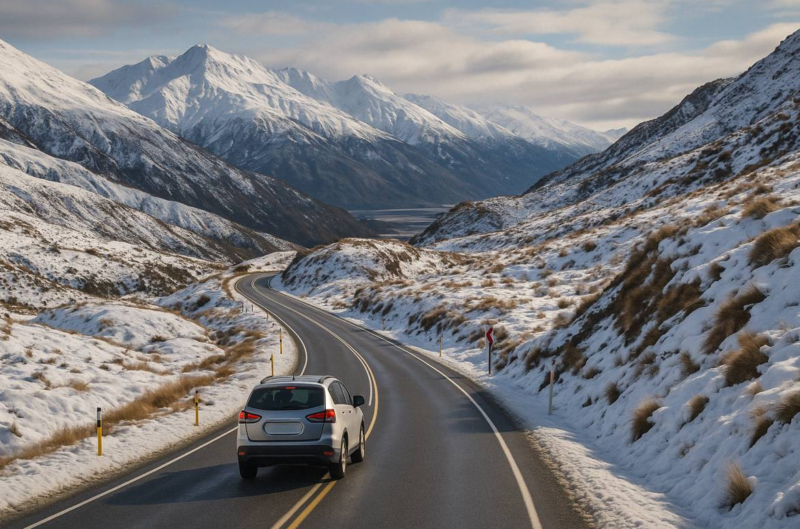
A South Island road trip promises dramatic alpine passes and rugged coastlines, but your vehicle must be ready for the challenge. This rugged destination demands more than a full tank of gas and a playlist. You need to prepare for isolated stretches where services are scarce, unpredictable weather shifts, and steep, winding roads.
Proper preparation ensures your adventure stays safe and seamless. From checking your spare tire and packing emergency supplies to understanding the unique demands of driving on New Zealand’s backcountry gravel roads, this guide will help you transform your car into a reliable travel companion for the unforgettable journey ahead.
How to Prepare Your Car for a South Island Road Trip
Preparing your vehicle for a road trip across New Zealand's South Island requires careful attention to safety, mechanics, and the unique geography of the region.
The South Island features long stretches of remote highways, steep mountain passes, unpredictable weather, and gravel roads, so your car must be in top condition to handle everything from alpine frost to coastal winds.
Before you set off, ensure every system is checked, you carry appropriate supplies, and you understand the demands of driving in this stunning but challenging environment.
Essential Mechanical Checks and Fluid Levels
Before tackling the winding roads of the South Island, you must perform a thorough mechanical inspection. Start by checking your engine oil, coolant, and brake fluid levels, topping them off as needed especially if you are driving high-altitude passes like Arthur's Pass or the Lindis Pass.
Inspect your tyres for proper tread depth, correct inflation, and any signs of wear, as punctures are common on unsealed roads. Additionally, test your brakes for responsiveness, replace worn wiper blades, and ensure your battery terminals are clean and your charging system is functioning, as cold overnight temperatures can drain weaker batteries.
Packing a Comprehensive Road Trip Emergency Kit
Given the remote nature of many South Island routes, an emergency kit is non-negotiable. Your kit should include a first aid kit, a high-visibility vest, a torch with spare batteries, and basic tools like a tyre repair kit and a jump starter.
Also pack warm clothing and a blanket, as conditions can change rapidly, and consider carrying extra water and non-perishable snacks in case of breakdowns. A paper map is invaluable when mobile reception drops, and a warning triangle or flares will help alert other drivers if you stop on a narrow shoulder.
This content may interest you! Essential Spare Parts Every New Zealand Driver Should Keep
Understanding Local Driving Conditions and Regulations
Driving in the South Island demands knowledge of specific rules and hazards. Always carry your valid driver's license and ensure your vehicle has a current Warrant of Fitness (WOF) and registration. Be prepared for single-lane bridges, fords that may flood after rain, and sections of gravel road where speeds should be reduced to avoid losing control.
On passes, use low gear for long descents to avoid brake overheating, and remember that distances between fuel stations can exceed 100 km, so fill up whenever you see a station below half a tank.
| Checklist Item | Recommended Action |
|---|---|
| Tyres | Check tread depth, pressure, and spare tyre condition |
| Brakes | Test for wear and responsiveness |
| Fluids | Top up oil, coolant, brake fluid, and windshield washer |
| Lights | Ensure headlights, taillights, and indicators work |
| Wipers | Replace if streaking or worn |
| Battery | Clean terminals and test charge level |
| Emergency Kit | Include first aid, tools, warmth, and map |
| Documents | Carry WOF, registration, license, and insurance |
Essential Mechanical Checks for South Island Terrain
Before embarking on a South Island road trip, your vehicle must withstand diverse conditions, from winding coastal highways to steep alpine passes. Start with a comprehensive brake inspection; the Coromandel Peninsula and routes like the Crown Range demand reliable stopping power.
Check your engine oil, coolant, and transmission fluid levels, as the long climbs can stress components. Ensure your tires including the spare have adequate tread depth (at least 4mm) and are inflated to manufacturer specifications, considering the load you’ll carry.
Finally, verify your battery’s health; cold overnight temperatures in places like Wanaka or Mount Cook can drain weak batteries quickly.
Verify Your Vehicle’s Cooling System and Hoses
The South Island’s steep gradients and occasional summer heat can push your cooling system to its limit. Inspect all radiator hoses for cracks, bulges, or leaks, and confirm the coolant mixture is 50/50 antifreeze and water to prevent freezing in higher altitudes.
Replace the radiator cap if it’s worn, and ensure the cooling fan operates correctly during idle. A thermostat failure could lead to overheating on long uphill sections.
Test Your Tyres for Gravel and Snow Conditions
Gravel roads like the Nevis Valley or the Haast Pass require tyres with strong sidewalls and appropriate load rating. Consider fitting all-weather or all-terrain tyres for better grip on loose surfaces.
Check tread depth and pressure frequently, as underinflation increases the risk of punctures. If traveling in shoulder seasons, carry snow chains and practice fitting them before your trip chains are mandatory on some alpine passes in winter.
This content may interest you! Best Cars for Long Road Trips Across New Zealand
Inspect Lighting and Wiper Blades for Visibility
New Zealand’s road rules require fully functional lights at all times, especially in tunnels and during fog. Replace headlight bulbs that appear dim and clean fog light lenses. Upgrade your wiper blades to high-quality silicone versions, as sudden rain or snow can obscure your view on twisty roads. Top up windshield washer fluid with a low-freeze formula for alpine areas.
Pack an Emergency Kit Tailored to Isolation
The South Island’s remote stretches you may drive for hours without cell service. Your kit should include a first-aid supplies, extra water and non-perishable food, a torch with spare batteries, and a warning triangle.
Add a jump starter pack and a tyre repair kit for quick fixes. Include warm blankets or sleeping bags temperatures can drop sharply at night even in summer.
Review Your Vehicle’s Load Capacity and Roof Rack Security
Overloading your car affects braking distance and stability on bends. Check your Gross Vehicle Mass (GVM) and distribute weight evenly, securing heavy items low.
For roof racks, verify torque settings and use rubber straps to prevent movement. Ensure roof boxes are waterproof and lockable; sudden gusts on the Lindis Pass can destabilize a poorly secured load.
Frequently Asked Questions
What are the essential vehicle checks to perform before a South Island road trip?
Ensure your car's engine oil, coolant, brake fluid, and windshield washer levels are topped up. Inspect all tires, including the spare, for adequate tread depth (at least 4mm) and correct pressure. Check your battery terminals for corrosion and ensure it holds a charge, as cold mountain temperatures can reduce battery performance. Finally, test your brakes, headlights, and indicators for full functionality on long, remote highways.
Why is a spare tire and repair kit critical for driving in the South Island?
The South Island has many remote stretches with sparse cell service and limited roadside assistance. A flat tire far from a town can leave you stranded for hours. Carry a fully inflated spare tire, a jack, and a lug wrench. Also, pack a tire repair kit and portable air compressor to temporarily fix minor punctures from sharp gravel roads common near Fiordland or the Southern Alps.
What winter driving items should I pack for a South Island road trip?
Even in summer, alpine passes like Arthur's Pass or the Crown Range can experience sudden frost or snow. Pack snow chains that fit your car's tires precisely, and practice fitting them before your trip. Also include a ice scraper, warm blankets, a flashlight, high-energy snacks, and a full bottle of water. Check local weather alerts daily, and carry a shovel in case of heavy snow accumulation.
How do I fuel up properly for long distances in the South Island?
Fuel stations can be 100–200 km apart, especially on the West Coast or through the Mackenzie Country. Always fill your tank when it drops below half, and carry a spare fuel can if traveling to isolated areas like the Catlins or Milford Sound. Use high-quality fuel and consider carrying a fuel additive for older cars, as altitude can affect combustion on long mountain climbs.
This content may interest you! Driving an Electric Vehicle Across New Zealand
Leave a Reply