
Tesla Model Y Long Distance Driving Guide
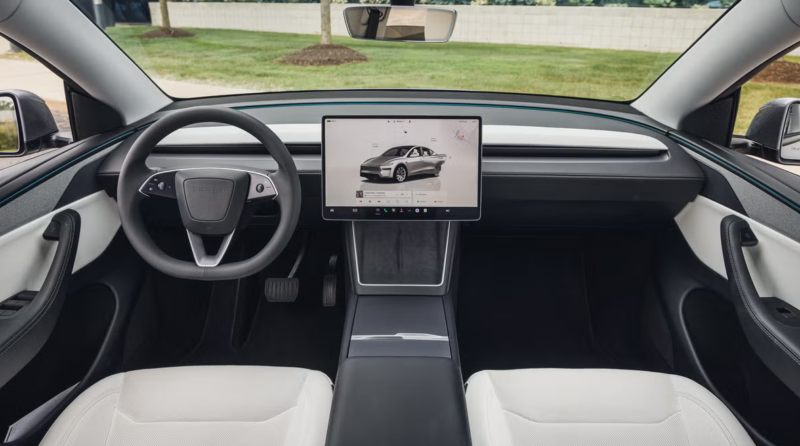
Embarking on a long-distance journey in a Tesla Model Y requires more than just a full battery; it demands strategic planning and an understanding of the vehicle's unique capabilities. This guide unlocks the secrets to stress-free highway cruising, from maximizing range through efficient driving techniques to mastering the Supercharger network.
Learn how to pre-condition the battery for optimal charging speeds, navigate Tesla’s trip planner for seamless routing, and manage cabin comfort without draining energy. Whether tackling a cross-country road trip or a weekend getaway, these expert tips will transform your electric driving experience, ensuring every mile is smooth, efficient, and enjoyable.
Essential Strategies for a Successful Tesla Model Y Long Distance Driving Experience
Planning a long-distance journey with a Tesla Model Y requires a shift in mindset from traditional gasoline-powered trips. The key to a stress-free experience lies in understanding range management, leveraging the Supercharger network, and utilizing the vehicle’s advanced technology.
Unlike a conventional car, the Model Y benefits from pre-conditioning the battery, planning routes through the navigation system, and adopting efficient driving habits.
Proper preparation before you depart such as ensuring a full charge, checking tire pressure, and loading the vehicle efficiently can significantly enhance your range. By mastering these fundamentals, you can transform a potentially daunting electric road trip into a seamless, enjoyable, and cost-effective adventure.
Maximizing Range and Efficiency on the Highway
To get the most out of every kilowatt-hour on a long trip, driving at a steady speed and using Autopilot can dramatically improve efficiency. The Tesla Model Y is most efficient at speeds between 55 and 65 mph; traveling faster significantly increases aerodynamic drag and energy consumption.
Using regenerative braking by lifting your foot off the accelerator early, rather than using the brake pedal, recaptures energy that would otherwise be lost.
Additionally, avoiding full throttle acceleration and keeping the climate control on Auto mode (rather than manually setting high fan speeds) helps conserve battery. Using the Energy app on the touchscreen to monitor your consumption in real-time allows you to adjust your driving style on the fly to ensure you reach your next charging stop with confidence.
Smart Route Planning and Supercharger Network Utilization
The most critical aspect of any electric road trip is leveraging the Tesla Supercharger network, which is designed for long-distance travel. Always use the in-car navigation system for route planning, as it automatically plots stops based on your current battery level, traffic, and elevation changes.
When you navigate to a Supercharger, the Model Y will pre-condition the battery to ensure it is at the optimal temperature for the fastest possible charging speeds upon arrival. A typical stop might last 15-30 minutes, providing enough range to reach the next charger.
This content may interest you! Is the Tesla Model Y Practical for New Zealand Drivers?
To minimize wait times, plan to arrive with a low battery (around 10-20%) and only charge to 60-80% before moving on, as charging speeds slow significantly beyond that point. This strategy maximizes your time and keeps the journey moving efficiently.
Leveraging Vehicle Technology and Comfort Features
Long-distance driving is made significantly more comfortable by the Model Y's suite of features. Autopilot is an invaluable tool for reducing fatigue on long highway stretches, managing speed, and maintaining lane position. The spacious interior with a panoramic glass roof creates an open, airy feeling that helps prevent claustrophobia on long hauls.
Using the full-sized infotainment screen for navigation, music, podcasts, and even streaming while charging (such as on Netflix or YouTube) turns a charging stop into a short break. To further enhance comfort, plan to use the seat massagers or take advantage of the Dog Mode if you need to leave your pet briefly.
Ensuring you have a comfortable seating position, using the cabin overheat protection, and keeping the car well-organized with the large front trunk and sub-trunk storage will make the entire journey more pleasant and manageable.
| Charging Stop | Start Battery Level | Target Charge Level | Estimated Stop Time | Optimal Driving Speed |
|---|---|---|---|---|
| First Stop | 10% | 70% | 20-25 minutes | 65 mph |
| Second Stop | 15% | 65% | 18-22 minutes | 60 mph (hilly) |
| Final Stop | 20% | 80% | 25-30 minutes | 70 mph |
Maximizing Efficiency and Range for Extended Road Trips
To ensure a seamless long-distance journey in the Tesla Model Y, mastering the art of efficiency and range optimization is crucial.
This involves understanding how external factors like weather, terrain, and driving habits directly impact battery consumption, allowing you to plan stops strategically and reduce anxiety about reaching your destination.
Leveraging the Tesla Supercharger Network
The Tesla Supercharger network is the backbone of any long road trip, offering reliable and fast charging stations strategically located along major highways.
By using the vehicle’s in-car navigation system, the Model Y automatically plans optimal charging stops, preconditions the battery for faster charging, and estimates the required charging time to minimize delays. Prioritizing stations with V3 Superchargers (250 kW) can reduce stop durations significantly compared to older versions.
Preconditioning the Battery Before Charging
Battery preconditioning is a critical step that involves heating the battery pack to its optimal temperature when you navigate to a Supercharger.
This process, initiated automatically by the vehicle, ensures you achieve the maximum charging speed from the moment you plug in, especially in cold weather. Activating this feature can reduce charging time by up to 25%, making it one of the most effective methods for efficient long-distance travel.
This content may interest you! Choosing the Right Tyres for a Tesla Model Y
Adjusting Driving Techniques for Maximum Mileage
Adopting efficient driving techniques, such as using Autopilot or Traffic-Aware Cruise Control, can dramatically extend the Model Y’s range.
Maintaining a steady speed around 65 mph (105 km/h) on highways, avoiding aggressive acceleration and heavy braking, and utilizing the regenerative braking system to capture energy during deceleration are key. Additionally, reducing the use of climate control and opting for seat heaters can conserve battery power for travel.
Planning Routes with Third-Party Charging Apps
While Tesla’s native navigation is excellent, supplementing it with third-party apps like A Better Routeplanner (ABRP) or PlugShare provides enhanced flexibility.
These tools allow you to filter chargers by power output, availability, and user reviews, enabling you to avoid busy stations during peak travel times. They also offer more precise energy consumption estimates based on real-time traffic and elevation changes.
Managing Cargo and Aerodynamic Load
The Model Y’s roof rack, tow hitch, or bulky cargo can significantly reduce efficiency by increasing drag and weight. To maximize range, store items inside the vehicle rather than on the roof, use a sleek cargo box if necessary, and avoid carrying unnecessary weight.
Even a small reduction in aerodynamic resistance (e.g., removing roof bars when not in use) can add several miles of range per charge at highway speeds.
Frequently Asked Questions
How can I maximize the range of my Tesla Model Y on a long-distance trip?
To maximize range, maintain a steady speed below 65 mph on highways and use Autopilot for efficient acceleration and braking. Precondition the battery while plugged in via the Tesla app, and minimize use of climate control by relying on seat heaters instead. Ensure tires are properly inflated and remove excess roof racks or cargo to reduce drag. Plan charging stops using the in-car navigation to keep battery between 20-80% for optimal efficiency.
What is the best strategy for planning charging stops during a long drive?
Use Tesla’s built-in navigation to automatically route via Superchargers, which calculates arrival times and battery levels. Plan stops every 150-200 miles, charging only to 60-80% at high-speed Superchargers to save time—charging slows above 80%. Select stalls with higher power (250 kW) if available. Avoid last-minute charging by arriving with at least 10-20% battery to ensure a buffer against delays.
Should I use Autopilot or Full Self-Driving on a long trip?
Autopilot is highly recommended for reducing driver fatigue and improving efficiency on highways. It maintains speed, lane positioning, and adaptive cruise control, which can save energy. Full Self-Driving (FSD) beta may assist with navigating traffic and interchanges but requires active supervision. Enable both only if comfortable; rely on Autopilot as a reliable assistant for long stretches to maintain consistent energy consumption.
How do I handle extreme weather conditions on a long journey?
In cold weather, precondition the battery while plugged in to retain range and use heated seats rather than cabin heating. In hot climates, set climate control to a moderate temperature and use vented seats if available. Reduce speed by 5-10 mph in strong winds or rain to conserve energy and maintain control. Check tire pressure and pack emergency supplies like blankets and charging adapters for unexpected delays.
This content may interest you! Toyota RAV4 Transmission Problems You Should Know
Leave a Reply