
Tesla Model Y Suspension Problems
The Tesla Model Y has garnered widespread acclaim for its efficiency, performance, and cutting-edge technology, yet a growing number of owners report troubling suspension issues that compromise ride quality and safety.
From premature wear of control arms to excessive noise and harshness over uneven roads, these problems have sparked debates online and raised concerns about long-term durability. While some faults stem from manufacturing inconsistencies, others may result from the vehicle’s heavy weight and stiff tuning.
This article examines the most common suspension failures, their causes, and potential solutions, offering a balanced look at how Tesla addresses these challenges and what owners should know to maintain their vehicle’s performance.
Common Issues With Tesla Model Y Suspension
The Tesla Model Y, while praised for its performance and technology, has been subject to numerous reports regarding suspension problems. Many owners have experienced issues ranging from premature wear of components to more serious structural concerns.
These problems often manifest as clunking noises, uneven tire wear, and a harsh ride quality, particularly in earlier production models.
The primary culprits include faulty upper control arms, weak ball joints, and compromised rear lateral links. Addressing these issues is crucial for maintaining vehicle safety, handling, and overall driving comfort, as the suspension system takes significant strain from the vehicle's heavy battery pack and high torque output.
Premature Upper Control Arm Failure
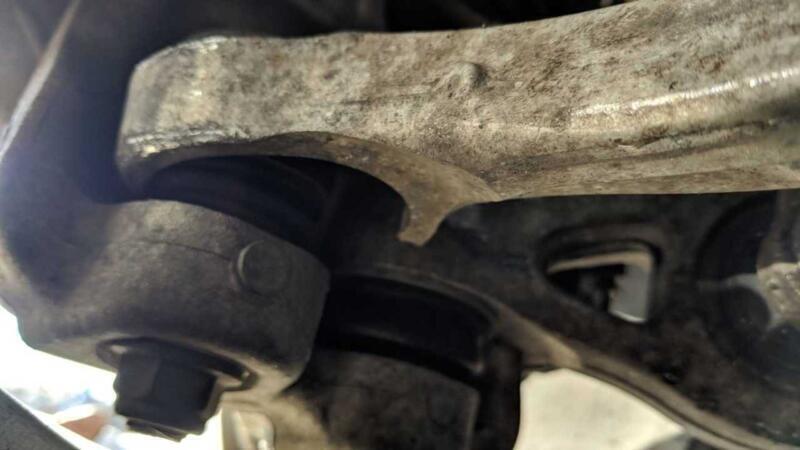
One of the most frequently reported problems is the premature failure of the front upper control arms. Owners often notice a clunking or creaking sound when turning the steering wheel at low speeds or going over bumps, which is a classic sign of worn ball joints at the control arm's connection point.
This defect can lead to degraded steering response and alignment issues, causing the vehicle to pull to one side. Tesla has issued revised parts to address this, but the failure is often attributed to the high unsprung weight and aggressive driving dynamics, making it a recurring concern for many Model Y owners outside of warranty.
This content may interest you! When Should You Replace Ford Ranger Shock Absorbers?
Rear Lateral Link and Toe Link Wear
The rear suspension of the Tesla Model Y is also prone to specific failures, particularly in the lateral links and toe links. These components are critical for maintaining the rear wheel's geometry and stability. Over time, the bushings in these links can deteriorate, leading to excessive play.
Symptoms include a vague rear-end feel, wandering on the highway, and accelerated tire wear on the inner edges. This problem is exacerbated by the vehicle's instant torque and often results in a costly replacement of the entire link assembly, as the bushings are not serviceable separately.
Strut and Shock Absorber Leaks
Many Tesla Model Y owners have reported issues with leaking struts and shock absorbers, particularly in the front suspension. A loss of hydraulic fluid compromises the damping ability, leading to a bouncy, uncontrolled ride. This not only reduces comfort but also negatively impacts traction and braking performance.
The problem is frequently detected by the presence of oil on the shock absorber body or visible drips underneath the vehicle. While Tesla has made some revisions to these components, the issue remains prevalent, especially in colder climates where road salt can accelerate seal degradation.
| Suspension Component | Common Failure | Primary Symptoms | Typical Repair Cost (Est.) |
|---|---|---|---|
| Front Upper Control Arms | Ball joint wear & bushing tear | Clunking noise, steering play | $400 - $800 |
| Rear Lateral/Toe Links | Bushing degradation | Wandering rear, uneven tire wear | $300 - $700 |
| Struts & Shock Absorbers | Fluid leakage & seal failure | Bouncy ride, poor damping | $500 - $1,200 |
The Root Causes of Tesla Model Y Suspension Issues
The Tesla Model Y’s suspension problems primarily stem from its high curb weight, aggressive performance tuning, and suboptimal component durability. The vehicle’s heavy battery pack places enormous stress on control arms, bushings, and struts, leading to premature wear.
Owners frequently report clunking noises when turning or driving over bumps, often traced to faulty upper control arms or loose stabilizer links. Additionally, the air suspension system on higher trims can suffer from compressor failures and air leaks, further compromising ride quality.
These issues are exacerbated by temperature fluctuations and road salt corrosion, which accelerate metal fatigue in suspension joints. Tesla’s over-the-air updates sometimes adjust damping settings, but physical component weaknesses remain unresolved in many early production models.
Premature Control Arm Bushing Wear
The lower and upper control arm bushings on the Model Y are notorious for cracking and tearing within 20,000 to 30,000 miles. This is due to insufficient rubber thickness and improper alignment angles from the factory.
This content may interest you! Tesla Model Y Wind Noise Problems
When bushings degrade, drivers experience excessive steering wheel vibration and uneven tire wear, often requiring full control arm replacement rather than simple bushing swaps.
Rear Suspension Knuckle Fractures
A structural weakness in the rear lower knuckle has been reported, especially in 2020-2022 Model Y units. The cast aluminum component can develop microfractures under heavy loads, such as full passenger capacity or towing. This leads to sudden noise and loss of stability, with some cases requiring complete knuckle and hub assembly replacement.
Air Suspension Compressor Overheating
For Model Ys equipped with adaptive air suspension, the compressor unit often overheats during frequent ride height adjustments or in hot climates. This triggers error messages and system shutdowns, leaving the vehicle stuck in a lowered stance. Dust and moisture ingress into the air dryer further shorten the compressor’s lifespan.
Stabilizer Bar Link Failure
The front and rear stabilizer links (sway bar links) are prone to loosening or breaking due to thin ball joint design. Symptoms include knocking sounds during low-speed turns and excessive body roll during cornering. Replacement with aftermarket heavy-duty links is a common fix, as factory links often fail again within 15,000 miles.
Strut Mount and Bearing Noise
The front strut top mounts and bearings can develop creaking and popping noises due to insufficient lubrication and weak bearing race construction. This is most noticeable during parking lot maneuvers or when driving over sharp bumps. The issue often progresses to steering feedback loss, requiring full strut and mount assembly replacement for a permanent fix.
Frequently Asked Questions
What are common suspension problems in the Tesla Model Y?
Frequent issues include creaking or clunking noises from the front or rear, often due to worn ball joints, control arm bushings, or sway bar links. Some owners report a harsh ride from improperly set dampers, especially on early 2020-2021 models. Vibrations at highway speed may indicate loose upper control arms. Tesla has issued service bulletins for leaking dampers in some units, but overall, these problems usually emerge after 20,000–40,000 miles depending on road conditions and driving habits.
Does the Tesla Model Y have a problem with the upper control arms?
Yes, many Model Y owners experience premature failure of front upper control arm bushings. This manifests as a loud clunk when turning at low speeds or going over bumps. The rubber bushings can tear, allowing metal-to-metal contact. Tesla has revised these components with higher-durometer bushings, but older vehicles often require replacement. A repair typically costs $400–$800 per side at a service center, though aftermarket upgrades are also available for better durability.
Why does my Tesla Model Y make noise when hitting bumps?
A creaking or knocking sound over bumps usually points to loose sway bar end links or worn rear subframe mounts. The Model Y’s heavy battery pack and stiff suspension can accelerate wear on these parts. Some drivers also report noise from loose brake calipers or misaligned bump stops. Inspecting for play in the links or checking torque on suspension bolts often resolves it. A Tesla service center can tighten or replace faulty hardware under warranty if the car is still covered.
This content may interest you! Tesla Model Y Software Issues You May Experience
Can suspension problems affect the Tesla Model Y's warranty?
If a suspension component fails due to a manufacturing defect, it is covered under the Basic Vehicle Limited Warranty (4 years/50,000 miles). Leaking dampers, broken springs, or faulty control arms typically qualify. However, wear-and-tear items like bushings or ball joints may require an adjustment by the service advisor if the damage appears premature. Owners should document noise or handling issues early to ensure warranty coverage, as out-of-pocket repairs can be expensive—often $1,500–$3,000 for full front suspension replacement.
Leave a Reply