
Tesla Model Y Door Handle Issues Explained
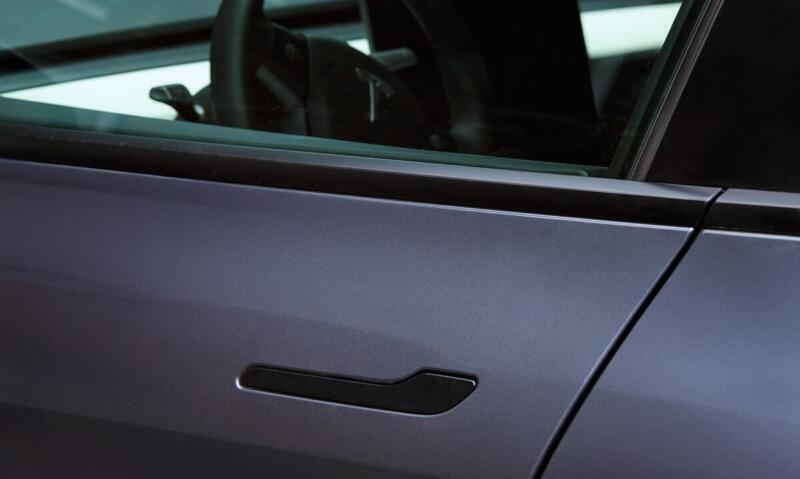
The Tesla Model Y, celebrated for its minimalist design and cutting-edge technology, employs flush door handles that blend seamlessly with the vehicle's sleek exterior. While these handles enhance aerodynamics and aesthetics, they have also become a notable pain point for owners.
Common issues include handles failing to present upon unlocking, sticking in cold weather, or malfunctioning due to sensor glitches. These problems can range from minor inconveniences to more serious reliability concerns, often requiring software updates or mechanical repairs.
Understanding the root causes, from electrostatic interference to hardware wear, is essential for troubleshooting. This article explores these common door handle problems, their triggers, and potential solutions to help drivers navigate these frustrations effectively.
Tesla Model Y Door Handle Issues Explained
The Tesla Model Y features flush, aerodynamic door handles that retract when not in use, but this design has led to several common issues. Owners frequently report problems with handles failing to present properly, getting stuck in the extended position, or making unusual noises during operation.
These issues often stem from ice buildup in cold climates, sensor calibration errors, or mechanical wear over time. While Tesla has released software updates and revised hardware to address some concerns, understanding the specific causes and troubleshooting steps can help you decide between DIY fixes and professional service.
Common Symptoms of Door Handle Malfunctions
Owners typically notice their Tesla Model Y door handles not flushing correctly with the body, failing to extend when the key fob or phone key is used, or producing a grinding or clicking sound. In cold weather, handles may freeze in the retracted position, making entry difficult.
Another frequent symptom is the handle partially presenting but not fully extending, often accompanied by an error message on the touchscreen. These issues can be intermittent, becoming worse in extreme temperatures or after car washes that force water into the mechanism.
Causes: Design Flaws and Environmental Factors
The primary cause of Model Y door handle problems is the design itself, which relies on a complex motorized mechanism with microswitches and springs that can fail. Ice and snow easily block the handle’s movement, while road salt and debris can corrode internal components over time.
Software glitches from earlier firmware versions also caused handles to misbehave, though updates have improved this. Additionally, low-voltage battery issues or 12V battery problems can prevent handles from receiving proper power, leading to intermittent failures.
DIY Fixes and When to Visit a Service Center
For minor issues like frozen handles, gently tapping the edge of the handle or using a hairdryer on low heat can thaw the mechanism. If a handle is stuck in the extended position, you may need to manually push it back flush. Always first try a steering wheel and scroll wheel reset (holding both scroll buttons for 10 seconds) to resolve software glitches.
For persistent mechanical failures, such as a handle that won’t present at all, visiting a Tesla Service Center is recommended, as they can replace faulty handle assemblies under warranty or at a cost typically between $300 and $600 per handle.
| Issue | Likely Cause | Recommended Action |
|---|---|---|
| Handle not presenting | Frozen mechanism or dead microswitch | Thaw with warm air or schedule service |
| Handle stuck extended | Broken spring or misaligned sensor | Manually push flush or reset car |
| Grinding noise | Worn gear or debris inside assembly | Inspect for debris or replace handle |
| Intermittent failure | Low 12V battery or software bug | Check battery voltage or update software |
Common Causes and Early Signs of Tesla Model Y Door Handle Problems
Tesla Model Y door handle issues often stem from engineering design choices aimed at aerodynamics and aesthetics, where flush-mounted handles require precise mechanical and electronic coordination to present. Early signs include hesitation during handle extension, unusual grinding noises, or the handle failing to retract fully.
These problems are frequently linked to faulty door handle control modules, misaligned mechanical linkages, or moisture intrusion affecting sensors.
Owners report that cold weather exacerbates stickiness due to lubricant thickening, while software glitches can cause inconsistent behavior. Diagnostic alerts via the vehicle’s touchscreen often precede complete failure, making early intervention crucial.
This content may interest you! Why Does My Toyota RAV4 Make a Clicking Noise?
Failed Handle Actuator Motor
The electric actuator motor inside each door handle is a common failure point, often showing symptoms like slow or partial extension. This motor can fail prematurely due to manufacturing tolerances or continuous strain from repeated use.
When the motor wears out, the handle may click without moving or require manual assistance to extend, eventually leading to complete inoperability. Replacement involves removing the door panel and accessing the sealed actuator assembly, which some owners attempt as a DIY fix but often requires professional recalibration.
Frozen or Stuck Handles in Cold Weather
Temperature extremes frequently cause Tesla Model Y handles to freeze or stick, as moisture traps in the pivot points solidify. Owners in colder climates report handles refusing to present when temperatures drop below freezing, sometimes accompanied by ice accumulation around the seals.
This issue is worsened by inadequate drainage in the handle housing, leading to water pooling. Solutions include preheating the cabin via preconditioning, applying silicone-based lubricants to pivot areas, and using weather-resistant covers to block snow.
Flush Handle Misalignment After Collision Repair
After bodywork or minor collisions, Tesla Model Y handles often become misaligned, failing to sit flush or operate smoothly. Structural shifts in the door’s sheet metal can alter the handle’s mounting points, causing binding or gaps. Repair shops must adjust the handle’s mechanical bracket and recalibrate touch sensors using Tesla’s diagnostic tooling.
If ignored, misalignment accelerates wear on seal gaskets and leads to software error codes like “door handle obstruction detected.”
Software Bugs Affecting Handle Deployment
Tesla’s over-the-air software updates occasionally introduce glitches where handles fail to deploy when unlocked or retract prematurely. This is often tied to sensor calibration errors or communication faults between the door control module and central computer.
Owners can try rebooting the touchscreen or performing a power-off cycle, but persistent issues require service center reprogramming. Tesla has issued recalls in some regions to address handle-related firmware flaws, fixing sporadic deployment delays.
Wear and Tear on Handle Mechanism Springs
The stainless steel return springs inside Model Y door handles gradually lose tension from thousands of cycles, causing handles to sag Or not retract flush. This mechanical fatigue becomes noticeable after 2-3 years of use, with handles feeling loose when pulled. Lubricating the spring can temporarily reduce friction, but spring replacement is the only permanent fix.
If a spring breaks, the handle may dangle outward, posing a safety hazard and increasing wind noise at high speeds.
Frequently Asked Questions
Why do Tesla Model Y door handles fail to present?
Tesla Model Y door handles sometimes fail to present due to frozen mechanisms in cold weather or electrical glitches. The handles use a motorized system that requires a 12V battery signal to pop out. When temperatures drop below freezing, ice can block the handle’s movement, or a weak battery may disrupt power delivery. Restarting the vehicle or manually pushing the handle inward can often reset it, but persistent issues may require a software update or service visit to replace faulty motors or wiring.
Are Tesla Model Y door handles prone to breaking?
While not widespread, some Tesla Model Y owners report handle breakage from mechanical stress or design flaws. The flush-mounted handles rely on a small plastic internal gear and spring mechanism, which can wear out or snap after repeated use. Corrosion from moisture or debris may also accelerate wear, leading to handles that get stuck or fail to flush. Tesla has issued minor revisions in newer models, but older units might need replacement. Routine checks and avoiding excessive force can mitigate risks, though repairs typically cost $200–$400 per handle.
How do you open a Tesla Model Y door when power fails?
If the Model Y’s battery dies or handles malfunction, you can manually open doors using the physical release cable located behind the window switch panel on each door. Pulling this cable disengages the latch, allowing the door to open normally. For rear doors, use the emergency release near the bottom of the door pocket. Front doors also have a secondary mechanical handle inside the armrest. This bypasses the electronic system, ensuring access during total power loss. Familiarize yourself with these locations during normal operation to avoid panic in emergencies.
Can Tesla fix Model Y door handle issues under warranty?
Yes, Tesla covers door handle problems under the standard 4-year/50,000-mile warranty if caused by defective parts or workmanship. This includes faulty motors, broken gears, or electronics that cause sticking or failure to present. Wear-and-tear from ice or abuse is typically excluded. For newer Model Ys (2023+), Tesla has improved handle durability with reinforced internals, reducing failures. If you experience repeated issues, schedule a mobile service appointment; Tesla may replace handles or update software. Extended warranty plans like Tesla’s used vehicle warranty also cover handle repairs, but check your specific coverage terms.
This content may interest you! Tesla Model Y Wind Noise Problems
Leave a Reply