
Ford Ranger Turbo Problems and Warning Signs
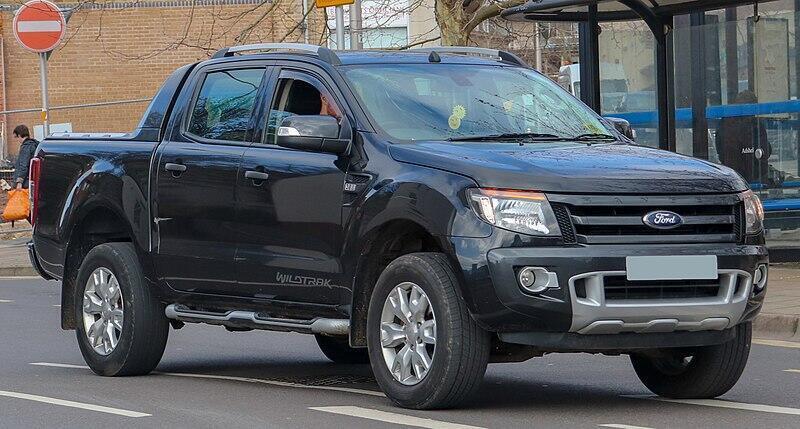
The Ford Ranger, renowned for its durability and off-road prowess, is not immune to turbocharger issues, which can significantly impact performance and longevity. Common warning signs include a noticeable loss of power during acceleration, often due to boost leaks or a failing wastegate.
Drivers may also hear unusual whistling or whining noises from the turbo, indicating worn bearings or damaged blades. Black or blue smoke from the exhaust suggests excessive oil burning, while the check engine light may illuminate with trouble codes related to boost pressure.
Recognizing these symptoms early can prevent costly repairs and maintain engine health, making awareness crucial for Ranger owners.
Common Ford Ranger Turbo Problems and Key Warning Signs
Ford Ranger turbo systems, while durable, can encounter specific issues over time that manifest through distinct symptoms. Early detection is crucial to avoid costly repairs, as common problems include turbocharger bearing wear, oil supply blockages, and wastegate actuator malfunctions.
Drivers should be alert to warning signs such as whistling noises, loss of power, excessive exhaust smoke, or illuminated check engine lights. Understanding these issues helps in diagnosing whether the turbo requires servicing, cleaning, or replacement, ensuring the engine maintains its performance and longevity.
Whistling or Squealing Noises from the Turbocharger
A high-pitched whistle or a metallic squealing sound emanating from the turbo area while accelerating is a primary indicator of underlying issues. This noise often points to worn turbo bearings, a damaged compressor wheel, or an air intake leak disrupting airflow.
If the sound is more of a grinding or whining, it suggests severe internal wear that may require a complete turbo replacement. Ignoring these auditory clues can lead to catastrophic turbo failure and potential debris entering the engine.
Loss of Power and Sluggish Acceleration
A noticeable drop in engine power, especially during uphill driving or when trying to overtake, is a classic symptom of a faulty turbocharger. This occurs when the turbo fails to produce adequate boost pressure, often due to a sticking wastegate, a boost leak in the intercooler pipes, or a clogged exhaust system.
The Ford Ranger may feel unresponsive, with the car struggling to reach higher RPMs. Addressing this early can prevent additional strain on the engine and maintain fuel efficiency.
Excessive Exhaust Smoke and Oil Leaks
Blue or grey smoke billowing from the exhaust, particularly during acceleration, indicates that engine oil is leaking into the turbo and being burned. This problem is frequently linked to worn oil seals, a blocked oil return line, or a damaged turbo cartridge.
Additionally, you might notice oil drips or wetness around the turbo housing or intercooler pipes. If left unchecked, oil starvation can cause the turbo to seize, leading to complete engine damage and expensive repairs.
| Warning Sign | Potential Cause | Severity Level | Recommended Action |
|---|---|---|---|
| Whistling noise | Worn bearings or boost leak | Moderate | Inspect turbo and intake hoses |
| Loss of power | Wastegate failure or boost leak | High | Check boost pressure and wastegate |
| Blue/grey exhaust smoke | Failed oil seals in turbo | Critical | Replace turbo or rebuild seals |
| Check engine light | Boost sensor or actuator fault | Variable | Scan for trouble codes (P0299, P0234) |
Recognizing the Early Signs of Ford Ranger Turbo Failure
Ford Ranger turbo problems often stem from issues like oil starvation, contamination, or excessive wear in the variable geometry turbocharger system. A failing turbo may produce a noticeable whining or siren-like noise during acceleration, which differs from the normal spooling sound.
Drivers might also experience significant power loss, especially when climbing hills or overtaking, as the turbo fails to deliver the required boost pressure. Additionally, you may see blue or black exhaust smoke blue indicates oil leaking into the combustion chamber, while black signals over-fueling due to improper boost.
Another subtle early sign is the check engine light accompanied by codes like P0299 (underboost) or P2262 (turbo boost pressure not detected). These symptoms, if ignored, can lead to catastrophic turbo or engine damage, so prompt diagnosis is critical.
Loss of Power and Acceleration Hesitation
One of the most common Ford Ranger turbo problems is a sudden loss of power during acceleration, often described as a “turbo lag” that becomes extreme. This occurs when the wastegate gets stuck open or the variable vanes in the VGT turbo fail to adjust, preventing proper boost buildup.
You may notice the vehicle struggling to reach highway speeds or hesitating when pressing the accelerator. This issue is frequently paired with an OBD code P0299 (turbo underboost), indicating that the turbo is not producing the expected pressure.
Whining or Siren-Like Noises from the Engine Bay
A high-pitched whining or screeching sound that intensifies with acceleration is a clear indicator of turbo trouble. This noise often results from worn turbocharger bearings or a damaged compressor wheel that is contacting the housing.
If the sound resembles a siren or has a metallic grinding tone, it may point to foreign object damage or severe oil starvation. Continuing to drive under these conditions can lead to a complete turbo seizure.
Excessive Smoke from the Exhaust
When your Ford Ranger’s turbo is failing, you may notice thick blue smoke from the exhaust, which signals oil leaking past the turbo seals into the exhaust stream.
Alternatively, black smoke indicates an over-fueling condition caused by the ECU compensating for low boost, often due to a boost leak or faulty actuator. White smoke could suggest coolant ingestion from a cracked turbo housing. Each smoke color points to a different root cause, but all require immediate inspection.
Illuminated Check Engine Light with Specific Fault Codes
A check engine light that turns on during highway driving or heavy loads often links to the turbo system. Common codes include P0299 (turbo underboost), P2262 (turbo boost pressure not detected), and P0045 (turbo boost control circuit malfunction).
These codes frequently arise from a stuck wastegate, boost leak in the intercooler piping, or a faulty boost pressure sensor. Neglecting these codes can result in reduced fuel economy and drivability issues.
Oil Leaks Around the Turbocharger Area
Visible oil leaks near the turbocharger, often seen as dripping oil from the compressor or turbine housings, indicate failing seals or a clogged oil return line.
You might also notice oil in the intercooler or intake piping, which can cause a rough idle and smoke. If the oil supply line becomes restricted, the turbo may overheat and seize, leading to costly repairs. Regular inspection of turbo oil feed lines is essential for longevity.
Frequently Asked Questions
What are the most common turbo problems in a Ford Ranger?
Common turbo problems include oil starvation due to clogged oil lines, causing bearing failure. You might also experience wastegate sticking issues, which leads to overboosting or underboosting. Boost leaks from cracked intercooler pipes or worn seals are frequent as well. These issues typically result in reduced power and noticeable performance loss.
What warning signs indicate turbo failure in a Ford Ranger?
Look out for a loud whistling or whining noise from the turbo, which often suggests worn bearings or a damaged compressor wheel. You may also notice excessive exhaust smoke—blue smoke indicates oil burning. Additionally, a check engine light with codes related to turbo boost pressure is a clear warning that something is wrong.
How does a faulty turbo affect Ford Ranger engine performance?
A faulty turbo significantly reduces engine power and acceleration, making the vehicle feel sluggish while climbing hills or merging onto highways. You’ll also experience poor fuel economy as the engine compensates for the lack of boost. In severe cases, the engine may go into limp mode to prevent further damage, limiting speed drastically.
Can driving with Ford Ranger turbo problems cause further engine damage?
Yes, ignoring turbo problems can lead to serious engine damage. Oil leaks from a failing turbo can contaminate the intake system and eventually damage the catalytic converter. Additionally, bearing debris can enter the engine oil, causing catastrophic internal wear. Prompt diagnosis and repair are essential to avoid expensive repairs like a complete engine replacement.
This content may interest you! When Should You Replace Ford Ranger Shock Absorbers?
Leave a Reply