
Common Ford Ranger Electrical Problems
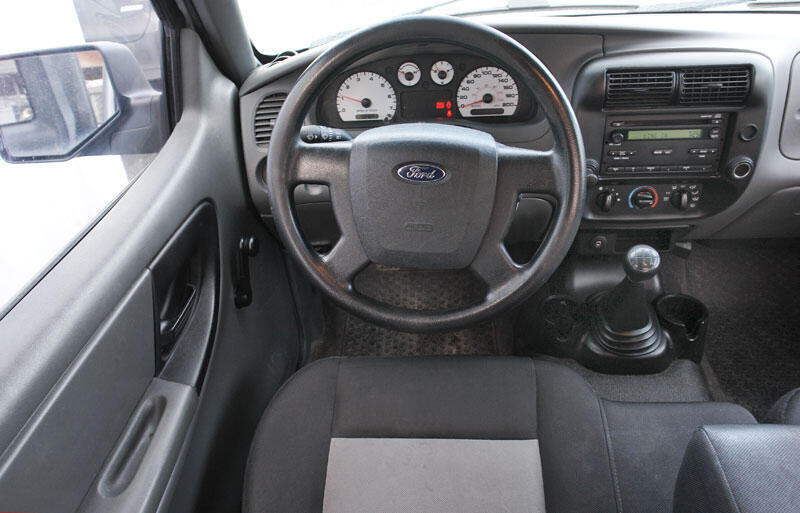
The Ford Ranger, a stalwart in the midsize pickup segment, is celebrated for its rugged durability and off-road capability. However, like any complex vehicle, it is not immune to electrical gremlins that can disrupt daily operation. Owners frequently encounter issues ranging from flickering dashboard lights to complete starting failures.
These problems often stem from specific failure points, including the battery management system, alternator diodes, and grounding circuits. Understanding these common electrical maladies is crucial for diagnostics, as modern Rangers rely heavily on intricate electronics for engine management, safety systems, and comfort features.
This article explores the most frequent electrical complaints, providing insight into symptoms, causes, and practical troubleshooting steps to help keep your truck reliable.
Common Ford Ranger Electrical Problems and Their Causes
Battery Drain Issues in Ford Rangers
One of the most frequent complaints among Ford Ranger owners is unexpected battery drain, often caused by a parasitic draw from a faulty module or aftermarket accessory. Common culprits include the SYNC system, interior lights that stay on, or a malfunctioning alternator that fails to charge properly.
To diagnose this, owners can perform a simple multimeter test to measure amp draw with the vehicle off; a draw above 50 milliamps typically indicates a problem. Left unresolved, this can lead to a completely dead battery within hours, making the vehicle unreliable for daily use.
Faulty Ignition and Starter System Wiring
Many Ford Rangers experience intermittent starting problems due to corroded or loose wiring in the ignition and starter circuit. The most common issue is a worn ignition switch that fails to send power to the starter solenoid, or a broken starter relay that clicks without engaging the starter motor.
Additionally, the ground cables connecting the battery to the chassis and engine block can corrode over time, leading to voltage drops that prevent the starter from turning. Regular inspection of these connections and replacing any frayed wires can often resolve this issue.
Alternator Failure and Charging System Faults
When the Ford Ranger's alternator begins to fail, drivers may notice dimming headlights, a flickering instrument cluster, or a warning light on the dashboard.
This content may interest you! Tesla Model Y Software Issues You May Experience
This is often due to worn brushes or a faulty voltage regulator inside the alternator, which can cause overcharging or undercharging of the battery. In some models, the charging system wiring harness near the alternator can chafe against the engine, causing shorts and intermittent power loss.
Replacing the alternator or its belt tensioner promptly is essential to avoid a complete electrical breakdown while driving.
| Common Problem | Typical Symptom | Primary Cause | Recommended Fix |
|---|---|---|---|
| Battery Drain | Dead battery overnight | Parasitic draw from SYNC module or aftermarket accessories | Disconnect modules; test with multimeter |
| Starter Circuit Fault | Clicking noise, no engine crank | Corroded ground cables or worn ignition switch | Clean/replace wiring; test starter relay |
| Alternator Failure | Dim headlights, battery warning light | Worn brushes or failing voltage regulator | Replace alternator or belt tensioner |
Understanding the Root Causes of Common Ford Ranger Electrical Problems
Common electrical failures in the Ford Ranger often stem from aging wiring harnesses, faulty ground connections, and degraded sensors. These issues frequently manifest as intermittent power loss, slow cranking, or dashboard warning lights. For instance, the battery terminal corrosion is a frequent culprit, as it interrupts the flow of electricity to the starter.
Additionally, the alternator regulator can fail, causing either overcharging or undercharging of the battery. Moisture ingress into the central junction box or door switch modules often leads to phantom battery drain or non-functional interior lights. Regular inspection of the fusible links and relay contacts is recommended to prevent these recurring problems.
1. Battery and Charging System Malfunctions
The Ford Ranger's battery and alternator are prone to premature failure due to heat buildup from the engine bay. Symptoms include slow engine cranking, dim headlights, and the battery warning light illuminating. A common issue is the alternator's voltage regulator failing, which can cause the battery to overcharge and bulge.
Testing the alternator output at idle (should be 13.5–14.5 volts) and inspecting the battery terminals for white or blue corrosion is essential. In many cases, replacing the battery cables with higher-gauge wires resolves consistent starting troubles.
2. Faulty Ignition Switch and Starter Circuit
A failing ignition switch can cause the engine to crank but not start, or accessories to lose power while driving. This problem is often linked to worn contact pins inside the switch mechanism. The starter solenoid may also stick due to carbon buildup on the armature, resulting in a single loud click when turning the key.
Checking the starter motor current draw and verifying ground strap continuity from the engine block to the chassis can pinpoint the fault. Replacing the ignition switch is a common fix for intermittent start failures.
This content may interest you! Tesla Model Y Charging Problems and Fixes
3. Wiring Harness Wear and Ground Corrosion
Under the hood, chafed wiring near the radiator support or firewall frequently shorts circuits, causing blown fuses or erratic gauge readings. The engine ground strap is a known weak point; corrosion here leads to dim lighting and slow window operation.
Look for green/white powdery residue on ground points behind the headlights and under the dashboard. Cleaning these connections with a wire brush and applying dielectric grease prevents recurrence. Damaged fusible links in the engine bay fuse box should be replaced with OEM-spec units.
4. Sensor and Module Communication Errors
The crankshaft position sensor (CKP) is a frequent failure, causing no-start conditions or stalling without warning. Similarly, the throttle position sensor (TPS) can develop corroded contacts, leading to jerky acceleration or check engine light activation.
The PCM (Powertrain Control Module) sometimes loses communication with the ABS module due to a open ground circuit at the right-rear of the engine bay. Reading OBD-II codes like P0335 or P0122 helps identify these faults. Replacing sensors with OEM-grade components is vital for reliability.
5. Interior Electronics and Switch Failures
Power window switches often fail due to plastic linkage wear or water intrusion from rain. The central locking actuator is notorious for failing on the driver’s door, leaving the door unlocked. Horn contacts in the steering wheel become intermittent because of worn slip rings.
Testing the switch resistance with a multimeter and cleaning contacts with electrical contact cleaner can restore function. For the blower motor resistor, a common symptom is only high-speed fan operation. Replacing the resistor pack is straightforward but requires disassembling the glove box area.
Frequently Asked Questions
What causes the Ford Ranger's battery to drain overnight?
The most common cause is a parasitic draw from the Body Control Module (BCM) not entering sleep mode after the vehicle is shut off. Faulty aftermarket accessories, a failing alternator diode, or a defective battery can also contribute. To diagnose, check for interior lights staying on, test the alternator's output for AC voltage, and perform a parasitic draw test using a multimeter to isolate the circuit consuming power.
Why does my Ford Ranger's dashboard warning lights flicker while driving?
Flickering dashboard warning lights typically point to a weak alternator or a failing voltage regulator, especially in 2012-2019 models. Loose or corroded battery terminals, a damaged ground cable, or a faulty BCM can also cause this. If the flickering occurs alongside dimming headlights, test the alternator's output at idle (should be 13.5-14.5 volts). Inspect all battery connections and the main ground strap for tightness and corrosion.
This content may interest you! Most Popular Cars in New Zealand and Why
How can I fix the Ford Ranger's intermittent start-stop feature malfunction?
The start-stop system often fails due to a weak or degraded auxiliary battery located under the main battery tray, which powers the system. Also check the brake pedal switch for proper operation and inspect the battery voltage sensor for readings above 12.5 volts. A software update from a dealer can resolve BCM logic errors. Ensure both the main and auxiliary batteries are tested and replaced if necessary.
What causes the Ford Ranger's engine to misfire under load?
Common causes for misfires under load include faulty ignition coils (especially in EcoBoost engines), clogged fuel injectors, or a weak fuel pump. Spark plugs worn beyond 60,000 miles are another frequent culprit. Moisture in the engine bay from rain or washing can short coils. Use an OBD-II scanner to read misfire codes per cylinder. Replace coils and plugs in pairs, and test fuel pressure to confirm pump health.
Leave a Reply