
Ford Ranger vs Isuzu D-Max: Which Pickup Is Better?
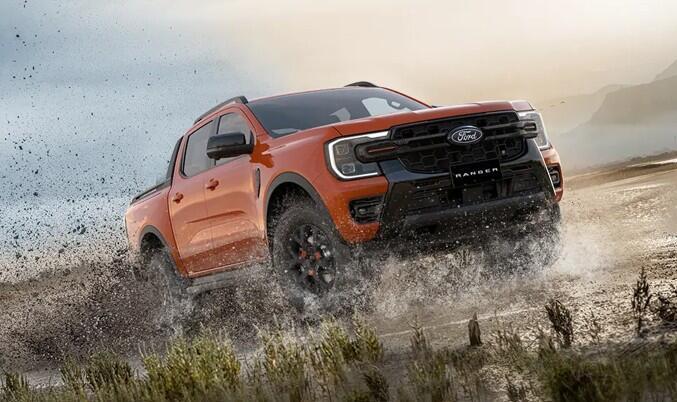
Choosing between the Ford Ranger and Isuzu D-Max is not simply a matter of comparing horsepower figures and picking the truck with the bigger touchscreen. Both pickups have earned loyal followings because they can work hard during the week, tow serious equipment, and still carry a family toward the horizon on Saturday morning.
Yet these trucks approach the same mission from different directions.
The Ford Ranger feels like the ambitious all-rounder. It offers a broad engine range, strong performance, modern technology, premium trim levels, and several specialised variants. The Isuzu D-Max follows a more traditional formula: a durable diesel engine, straightforward capability, practical controls, and the kind of reputation that appeals to buyers who value dependability above drama.
So, which one should we buy?
The answer depends on whether we want stronger performance and a more polished driving experience or simpler engineering and work-focused value. Let us place both pickups under the same spotlight and find out where each one shines.
- Ford Ranger vs Isuzu D-Max at a Glance
- A Tale of Two Pickup Philosophies
- Exterior Design: Bold Ranger or Tough D-Max?
- Engine Performance and Power Delivery
- Ford Ranger vs Isuzu D-Max Towing Capacity
- Payload and Load-Carrying Ability
- Driving Comfort and Everyday Behaviour
- Interior Design and Cabin Quality
- Technology and Infotainment
- Safety and Driver-Assistance Systems
- Off-Road Capability
- Bed Practicality and Storage
- Reliability and Long-Term Ownership
- Fuel Economy and Running Costs
- Warranty and Dealer Support
- Ford Ranger vs Isuzu D-Max for Work
- Ford Ranger vs Isuzu D-Max for Families
- Which Pickup Is Better for Towing a Caravan?
- Which Pickup Offers Better Value?
- Ford Ranger Advantages and Disadvantages
- Isuzu D-Max Advantages and Disadvantages
- Who Should Buy the Ford Ranger?
- Who Should Buy the Isuzu D-Max?
- Ford Ranger vs Isuzu D-Max: Final Verdict
- Frequently Asked Questions
Ford Ranger vs Isuzu D-Max at a Glance
Before we climb into the details, here is the broad picture:
| Category | Ford Ranger | Isuzu D-Max |
|---|---|---|
| Performance | Stronger engine choices available | Adequate, steady diesel performance |
| Towing | Up to 3,500 kg on regular models in many markets | Up to 3,500 kg in many markets |
| Payload | Competitive, configuration-dependent | Strong work-focused payload ratings |
| Interior | More modern and premium | Practical and straightforward |
| Technology | More advanced overall | Useful but less elaborate |
| On-road comfort | Generally smoother and quieter | Firm, truck-like character |
| Off-road ability | Excellent, especially specialised trims | Dependable and predictable |
| Running costs | Potentially higher | Often easier to manage |
| Best suited to | Mixed lifestyle and work use | Heavy work and long-term practicality |
Specifications vary considerably according to market, cab style, engine, drivetrain, trim and model year. For example, Ford lists a maximum 3,500 kg towing capacity for the regular Ranger in Australia, while Isuzu advertises up to 3.5 tonnes across the Australian D-Max range when properly equipped.
A Tale of Two Pickup Philosophies
The Ranger and D-Max are direct competitors, but they do not feel like copies of one another.
Ford has pushed the Ranger toward the lifestyle end of the pickup market. Even work-oriented versions can be equipped with large displays, sophisticated driver assistance, multiple driving modes and powerful engines. Higher trims sometimes feel closer to premium SUVs than agricultural workhorses.
The Isuzu D-Max remains more focused on the fundamentals. It is designed to carry, tow and survive long days without surrounding the driver with unnecessary theatre. That does not mean it is outdated. Newer D-Max models include modern safety systems, smartphone connectivity and increasingly comfortable cabins. However, the overall personality remains honest and functional.
Think of the Ranger as a multitool with polished handles and extra attachments. The D-Max is the heavy steel wrench that lives in the toolbox for twenty years. Both are useful, but they appeal to different instincts.
Exterior Design: Bold Ranger or Tough D-Max?
Ford Ranger Styling
The Ranger wears a broad, confident face. Its grille, C-shaped lighting elements and muscular wheel arches give it the visual presence of a larger truck. Higher trims add larger wheels, distinctive grille treatments, sports bars and elaborate lighting.
This design helps the Ranger feel substantial without becoming unnecessarily intimidating. It looks at home beside a construction site, outside an office or parked near a campsite.
The Ranger also offers considerable visual variety. A basic work truck can look restrained and purposeful, while a Wildtrak, Platinum or Raptor can appear almost like a completely different vehicle.
Isuzu D-Max Styling
The D-Max has a narrower, more upright appearance. Recent revisions have added sharper lighting, more aggressive grilles and updated tailgate details, but the truck still communicates function before fashion. Isuzu describes its newer range as receiving grille, tailgate, lighting and wheel-design updates across various trims.
Its exterior may not turn as many heads as a high-spec Ranger, although that can be part of the appeal. A work truck does not always need to arrive wearing jewellery.
Which Pickup Looks Better?
We would give the Ranger the advantage for styling diversity and road presence. The D-Max, however, looks appropriately tough and may age more quietly because it relies less on dramatic design features.
Engine Performance and Power Delivery
Ford Ranger Engine Options
Engine availability depends heavily on the country. In Australia, for example, regular Ranger variants are available with a 2.0-litre turbo-diesel producing 125 kW and 405 Nm, while selected models offer a 3.0-litre V6 turbo-diesel producing 184 kW and 600 Nm. Both can be paired with a 10-speed automatic transmission.
North American Ranger models follow a different path, using petrol EcoBoost engines. Ford Canada lists a 2.3-litre turbocharged engine with 270 horsepower and 310 lb-ft of torque, plus an available 2.7-litre twin-turbo V6 with 315 horsepower and 400 lb-ft.
That variety is one of the Ranger’s greatest advantages. Buyers can select an economical work-focused engine, a muscular diesel V6, a petrol turbo engine or, in certain markets, a plug-in hybrid.
How the Ranger Feels on the Road
The Ranger usually feels eager for a pickup. Its stronger engines deliver confident acceleration, particularly when overtaking or joining fast traffic. The 10-speed automatic keeps the engine within its useful torque range, although it can occasionally feel busy as it works through numerous ratios.
With the V6 diesel, the Ranger pulls with the relaxed strength of a locomotive leaving a station. There is no need to chase the accelerator. The torque arrives early and carries the truck forward with little strain.
Isuzu D-Max Engine Options
The D-Max traditionally relies on a smaller selection of turbo-diesel engines. In Australia, current information highlights a 3.0-litre turbo-diesel producing 450 Nm and a newer 2.2-litre diesel offering 400 Nm. The 3.0-litre version uses a six-speed automatic, while the 2.2-litre version can be paired with an eight-speed automatic.
This simpler range reflects Isuzu’s priorities. The D-Max is not trying to win an acceleration contest. Its engines are tuned to provide usable low-speed torque, towing confidence and predictable response.
How the D-Max Feels on the Road
The D-Max accelerates adequately, but it rarely feels fast. The diesel engine can sound more noticeable under load, and the transmission may not feel as polished as the Ranger’s unit.
Still, there is something reassuring about its delivery. The D-Max does not pretend to be a sports truck. It builds speed steadily and feels comfortable settling into a rhythm.
Performance Winner: Ford Ranger
The Ranger wins this round because it provides more choice and greater performance potential. Buyers who frequently tow on steep roads, overtake at highway speeds or carry heavy accessories may appreciate its additional power and torque.
The D-Max counters with uncomplicated, dependable-feeling performance that should satisfy owners who do not need to race the sunrise.
Ford Ranger vs Isuzu D-Max Towing Capacity
Towing is one of the main reasons people buy either truck, and the headline figures are extremely close.
Regular Ford Ranger models can tow up to 3,500 kg in many global markets when properly configured. Ford notes that the Ranger Raptor has a lower Australian maximum of 2,500 kg, illustrating why buyers must check the exact variant rather than relying on the model name alone.
The Australian D-Max range is advertised with up to 3.5 tonnes of braked towing capacity when fitted with the required Isuzu towing equipment and electronic brake controller.
Headline Capacity Is Only the Beginning
A 3,500 kg towing figure does not mean we can automatically load the tray, fill every seat and attach a 3,500 kg caravan.
This content may interest you! Ford Ranger vs Nissan Navara: Which Pickup Is Better?
We must also consider:
- Gross vehicle mass
- Gross combination mass
- Rear axle load
- Tow-ball download
- Accessories
- Passenger weight
- Cargo weight
- Fuel and water
- Legal requirements in the relevant country
Tow-ball weight counts against payload. Add a canopy, bull bar, winch, passengers and camping equipment, and the available capacity can disappear like ice beneath the summer sun.
Which Pickup Tows Better?
The Ranger’s stronger diesel V6 provides a clear advantage when climbing, merging or pulling a heavy trailer into a headwind. Its broader torque reserve can make towing feel less demanding.
The D-Max does not have the same performance surplus, but it remains a serious tow vehicle. Its 3.0-litre diesel is predictable, and many buyers value the simplicity of a six-speed transmission when hauling regularly.
For pure towing performance, we would select the Ranger V6. For steady towing at sensible speeds with a focus on straightforward operation, the D-Max remains compelling.
Payload and Load-Carrying Ability
Payload ratings change according to cab configuration, drivetrain and equipment level.
Ford Australia states that the regular Ranger can offer up to 1,412 kg of payload depending on body style, grade and configuration. Ford also stresses that payload includes passengers, cargo, accessories and tow-ball download.
In the United Kingdom, Ford advertises a maximum gross Ranger payload of 1,098 kg across the range, showing how regional specifications and homologation rules affect the published figure.
Isuzu UK lists up to 1,205 kg of payload for the D-Max range.
Work-Truck Configurations Matter Most
The highest payload usually belongs to simpler single-cab or cab-chassis models. Luxury double-cab trims weigh more because they include larger wheels, powered seats, additional sound insulation and extra technology.
That means a basic D-Max Utility or Ranger XL may carry considerably more than a premium lifestyle version.
When comparing payload, we should examine the exact compliance plate or official specification for the vehicle we intend to buy. Comparing the maximum figure from one body style with a completely different trim is like comparing the carrying capacity of a wheelbarrow with the comfort of an armchair.
Payload Winner: Too Close to Call
Both pickups offer excellent load-carrying potential. The correct winner depends on the body, engine and trim selected. Work-focused buyers should compare the exact kerb weight, gross vehicle mass and axle ratings rather than choosing based on marketing headlines.
Driving Comfort and Everyday Behaviour
Ranger Ride Quality
The Ranger generally feels more refined on paved roads. The suspension still reminds us that this is a body-on-frame pickup, particularly when the tray is empty, but sharp impacts are usually controlled well.
Steering is relatively light, and the cabin remains composed at highway speeds. Higher variants add better seats, more sound insulation and advanced convenience features.
The Ranger’s wider-feeling body may require attention in narrow city streets, but cameras and parking sensors make the truck easier to place than its dimensions suggest.
D-Max Ride Quality
The D-Max has a firmer, more traditional pickup ride. An unloaded rear suspension can bounce over rough surfaces, and road noise may be more obvious.
Put weight in the bed, however, and the D-Max settles. The suspension begins to make sense. This is a truck engineered to work rather than float through city traffic like a luxury crossover.
Its steering feels predictable, visibility is good, and the controls are generally easy to understand. We may not feel pampered, but we rarely feel confused.
Comfort Winner: Ford Ranger
The Ranger is the more comfortable choice for long commutes, family trips and mixed urban use. The D-Max is acceptable, especially in higher trims, but it retains more of a commercial-vehicle character.
Interior Design and Cabin Quality
Inside the Ford Ranger
The Ranger’s cabin is one of its strongest selling points. Large portrait-oriented touchscreens are available, the dashboard looks modern, and many controls feel more sophisticated than we might expect from a utility vehicle.
Ford also integrates clever storage areas throughout the cabin. There are useful door pockets, cupholders, dashboard compartments and spaces for phones or small equipment.
Higher trims add premium materials, digital instruments, advanced climate systems and decorative finishes. Although some plastics remain durable rather than luxurious, the overall presentation is polished.
Inside the Isuzu D-Max
The D-Max cabin is more conservative. The dashboard is simple, the buttons are clearly arranged, and essential features are easy to reach.
Depending on trim and market, equipment can include touchscreen infotainment, wireless Apple CarPlay, Android Auto, a digital information display, multiple USB ports and upgraded seating. For example, Isuzu UK lists wireless smartphone integration, an eight-inch touchscreen and a seven-inch multi-information display on the D-Max DL40.
The D-Max does not feel as futuristic as the Ranger, but that may be helpful when wearing gloves or working in dusty conditions. Physical controls often remain easier to operate than menus buried inside a screen.
Interior Winner: Ford Ranger
The Ranger offers the more attractive and versatile cabin. The D-Max earns points for simplicity and functional design.
Technology and Infotainment
Ford has placed technology near the centre of the Ranger experience. Depending on trim, equipment may include:
- A large central touchscreen
- Digital instrument displays
- Wireless smartphone connectivity
- Multiple exterior cameras
- Trailer-related assistance
- Drive-mode selection
- Remote vehicle functions
- Advanced parking support
- Built-in power outlets
The D-Max offers the technology most buyers genuinely use, but it does not surround the driver with the same digital ecosystem.
This difference raises an important question: do we want more technology because it improves ownership, or simply because it looks impressive in the showroom?
Ford’s system may feel more contemporary, yet additional complexity can create a steeper learning curve. The D-Max’s simpler interface may remain easier to operate as the truck ages.
Technology Winner: Ford Ranger
The Ranger wins decisively for display quality, available features and overall integration. The D-Max covers the essentials without chasing every digital trend.
This content may interest you!Ford Ranger vs Maverick: Which Ford Truck Fits Your Life?Safety and Driver-Assistance Systems
Both trucks offer modern safety technology, although availability depends on trim and region.
Commonly available features include:
- Autonomous emergency braking
- Lane-departure warning
- Lane-keeping assistance
- Blind-spot monitoring
- Rear cross-traffic alert
- Traffic-sign recognition
- Adaptive cruise control
- Trailer stability assistance
- Front and rear parking sensors
- Multiple airbags
The D-Max has made safety a major component of its modern identity. Even work-oriented versions can include substantial driver-assistance equipment.
The Ranger’s technology often feels more integrated and refined, especially in premium versions. However, neither truck should be purchased based solely on a generic equipment list. Buyers should confirm which systems are standard on the exact trim and whether they operate with a manual or automatic transmission.
Off-Road Capability
Ford Ranger Off Road
The Ranger combines strong ground clearance, low-range gearing on suitable 4x4 variants, electronic traction systems and multiple drive modes. Higher-specification models may offer full-time four-wheel drive, locking differentials and more advanced off-road displays.
Specialised versions take capability further. The Raptor focuses on high-speed off-road performance, while market-specific heavy-duty or adventure variants target different needs.
The Ranger’s electronics can make difficult terrain feel surprisingly manageable. Select the correct mode, point the vehicle toward the obstacle and allow the systems to coordinate throttle, transmission and traction.
Isuzu D-Max Off Road
The D-Max follows a simpler route. Four-wheel-drive versions provide low-range gearing and traction-focused systems, while certain trims include a rear differential lock.
It may not offer as many selectable modes, but it feels predictable. The steering communicates where the wheels are placed, and the diesel’s controlled response is useful on loose surfaces.
The D-Max also benefits from a practical philosophy. We may be less worried about scratching a simple work trim than damaging expensive wheels or decorative panels on a premium Ranger.
Which Is Better Off Road?
For advanced electronics, higher performance and specialised variants, the Ranger takes the lead.
For traditional low-speed trail work, farms and remote routes, the D-Max remains highly credible. Its lack of theatrics can become a strength when the nearest workshop is several hours away.
Bed Practicality and Storage
The Ranger’s cargo bed is designed with both work and recreation in mind. Depending on trim, features may include integrated steps, bed lighting, tie-down points, power outlets and clever loading solutions.
Ford also promotes the Ranger’s ability to accommodate bulky items between the wheel housings, although exact dimensions vary by body configuration.
The D-Max tray is simpler but functional. It offers a broad selection of cab-chassis and pickup bodies, allowing commercial buyers to choose trays, canopies or specialist conversions.
Practicality Winner
The Ranger wins for clever factory-installed details. The D-Max may be better for buyers who plan to install a custom tray or commercial body and do not need lifestyle accessories.
Reliability and Long-Term Ownership
Reliability is one of the most sensitive parts of any vehicle comparison. No modern truck is perfect, and outcomes depend on maintenance, operating conditions, production year and how the vehicle is used.
The D-Max has built much of its reputation around Isuzu’s commercial diesel experience. Its traditional powertrain and work-focused design appeal to buyers who want a vehicle that feels mechanically straightforward.
The Ranger has become more sophisticated. Its engines, transmissions, driver-assistance systems and infotainment offer considerable benefits, but they also create more potential points of complexity.
That does not automatically make the Ranger unreliable. It simply means that maintenance history, software updates and correct servicing matter enormously.
What Should Used Buyers Inspect?
Regardless of model, we should examine:
- Complete servicing records
- Signs of heavy towing
- Transmission behaviour
- Diesel particulate-filter history
- Injector and fuel-system condition
- Four-wheel-drive operation
- Suspension wear
- Underbody damage
- Electrical warning messages
- Evidence of poor aftermarket modifications
A pickup with 150,000 kilometres of responsible highway use may be a better purchase than one with 60,000 kilometres spent dragging trailers through mud.
Reliability Verdict
The D-Max has the stronger simplicity-based appeal. The Ranger offers more performance and refinement but deserves especially careful inspection when purchased used.
Fuel Economy and Running Costs
Real-world fuel use depends on the engine, transmission, tyres, accessories, terrain, payload and driving style.
The D-Max’s modest power output can help it return sensible diesel consumption when driven gently. However, a smaller engine must sometimes work harder while towing, which can narrow the efficiency advantage.
The Ranger’s four-cylinder diesel can also be economical, while the V6 uses more fuel in exchange for stronger performance. Petrol-powered Rangers in North America will naturally produce different results from global diesel models.
Factors That Increase Fuel Consumption
Both vehicles will use more fuel when fitted with:
- All-terrain or mud-terrain tyres
- Roof racks
- Bull bars
- Canopies
- Suspension lifts
- Heavy toolboxes
- Towing mirrors
- Underbody protection
- Large trailers
Aerodynamic drag can be particularly punishing. A roof rack or tall caravan pushes through the air like a wardrobe in a hurricane.
Running-Cost Winner: Isuzu D-Max
The D-Max may be less expensive to operate for buyers who choose a basic trim, keep modifications under control and prioritise routine maintenance. The Ranger’s higher trims, larger engines and complex technology can increase tyre, insurance, servicing and repair costs.
Actual costs, however, depend heavily on the country and dealer network.
Warranty and Dealer Support
Warranty coverage varies by market. Isuzu UK, for example, advertises a five-year or 125,000-mile warranty for the current D-Max range.
Ford coverage differs across regions, as do roadside-assistance programs and service intervals.
This content may interest you! Mitsubishi Triton Years to Avoid in New Zealand: A Used-Buyer’s Guide
The best warranty is not necessarily the one with the largest number printed in the brochure. We should also consider:
- Distance to the nearest dealer
- Availability of replacement parts
- Labour rates
- Warranty exclusions
- Commercial-use conditions
- Service scheduling
- Support in remote regions
A generous warranty loses some value when the nearest authorised workshop is 400 kilometres away.
Ford Ranger vs Isuzu D-Max for Work
The D-Max makes a persuasive case as a dedicated work truck. Basic versions are straightforward, payload ratings are competitive, and the cabin is designed to tolerate daily use.
It is especially suitable for:
- Farms
- Construction businesses
- Fleet operators
- Rural contractors
- Utility companies
- Buyers installing custom trays
- Drivers prioritising mechanical simplicity
The Ranger is also an excellent work vehicle, particularly in XL or chassis-cab form. It adds stronger engines, clever bed features and greater comfort for employees who spend many hours behind the wheel.
The final choice depends on the job. A fleet manager may prefer the predictable D-Max. An owner-operator towing heavy machinery across long distances may appreciate the Ranger V6.
Ford Ranger vs Isuzu D-Max for Families
The Ranger is the easier family recommendation.
Its quieter cabin, more comfortable ride, stronger infotainment and premium trim options make it better suited to school runs, holidays and everyday driving.
The D-Max can still serve as a family vehicle, especially in a well-equipped double-cab version. Yet its firmer ride and more utilitarian atmosphere remain noticeable.
Families should check rear-seat space personally. Child seats, tall teenagers and bulky front passengers can expose limitations that a specification table cannot.
Which Pickup Is Better for Towing a Caravan?
For a large caravan, the Ranger V6 is our preferred choice because its additional torque provides greater confidence on steep roads and during overtaking.
The D-Max remains capable of towing up to 3.5 tonnes in suitable configurations, but drivers may need to plan overtakes more carefully and accept slower progress on demanding gradients.
In both trucks, payload calculations are essential. A caravan near the maximum towing rating can apply substantial weight to the tow ball, reducing the amount available for passengers and cargo.
Never assume that a 3.5-tonne towing badge guarantees a legal 3.5-tonne touring setup.
Which Pickup Offers Better Value?
The D-Max often represents better value for buyers focused on work, durability and essential equipment. We pay for the truck rather than a long menu of optional luxuries.
The Ranger offers a different kind of value. It may cost more, but it provides better performance, greater comfort, broader engine choice and more advanced technology.
Value is not always the lowest purchase price. A contractor who drives 50,000 kilometres each year might gladly pay more for better seats and lower cabin noise. Conversely, a farmer who needs a simple vehicle for muddy local roads may see little benefit in a giant touchscreen or premium audio system.
Ford Ranger Advantages and Disadvantages
Main Ranger Advantages
- Wider engine selection
- Strong V6 diesel performance in applicable markets
- More refined road manners
- Better infotainment
- More premium trim choices
- Clever cargo-bed features
- Strong towing ability
- Specialised off-road models
- More lifestyle appeal
Main Ranger Disadvantages
- Can become expensive in higher trims
- More complicated electronics
- Ten-speed transmission may feel busy
- Premium models may have reduced payload
- Potentially higher running costs
- Large displays may distract some drivers
Isuzu D-Max Advantages and Disadvantages
Main D-Max Advantages
- Straightforward diesel performance
- Strong work-truck identity
- Competitive payload
- Up to 3.5-tonne towing in many markets
- Functional cabin
- Attractive long-term ownership proposition
- Broad commercial body choices
- Potentially lower operating costs
Main D-Max Disadvantages
- Less powerful than top Ranger engines
- Firmer ride
- More diesel noise
- Simpler infotainment
- Fewer premium choices
- Slower acceleration under load
- Less polished automatic transmission
Who Should Buy the Ford Ranger?
The Ranger is the better choice when we want one vehicle to perform several jobs.
It suits buyers who:
- Tow heavy trailers over long distances
- Want strong acceleration
- Use their pickup as a family vehicle
- Appreciate advanced technology
- Travel frequently on highways
- Want a premium interior
- Need serious off-road capability
- Enjoy choosing from numerous trims and engines
The Ranger is particularly convincing when comfort matters almost as much as capability.
Who Should Buy the Isuzu D-Max?
The D-Max is ideal for buyers who want a truck that remains focused on work.
It suits drivers who:
- Prefer simpler engineering
- Value predictable diesel performance
- Operate in rural areas
- Carry equipment regularly
- Need a cab-chassis conversion
- Want competitive payload
- Keep vehicles for many years
- Prioritise operating costs over luxury
- Do not need class-leading acceleration
The D-Max is the sensible pair of boots beside the Ranger’s high-tech hiking shoes. It may not look as exciting, but it is ready to get dirty.
Ford Ranger vs Isuzu D-Max: Final Verdict
The Ford Ranger wins the overall comparison because it delivers stronger performance, a more comfortable cabin, better technology and greater versatility.
It is the more complete pickup for buyers who mix work, family duties, towing and recreation. With the correct engine and trim, it can feel powerful on the highway, capable in the wilderness and surprisingly civilised in town.
The Isuzu D-Max remains the better choice for simplicity-conscious buyers. It offers serious towing ability, strong payload potential, practical body configurations and an honest work-focused personality. It may not accelerate as quickly or impress passengers with an enormous display, but it does the essential jobs without constantly asking for applause.
Our final recommendation is straightforward:
- Choose the Ford Ranger for performance, comfort, technology and all-round versatility.
- Choose the Isuzu D-Max for practical work use, straightforward ownership and long-term value.
The best truck is not automatically the one with the most torque or the brightest screen. It is the one whose strengths match the roads, loads and responsibilities waiting outside our door.
Frequently Asked Questions
1. Is the Ford Ranger better than the Isuzu D-Max?
The Ford Ranger is better for buyers who prioritise engine performance, ride comfort, cabin technology and lifestyle versatility. The Isuzu D-Max may be better for work-focused owners who value simplicity, competitive payload and potentially lower long-term costs.
2. Which is more reliable, the Ford Ranger or Isuzu D-Max?
The D-Max has a strong reputation for durable, commercially influenced diesel engineering. The Ranger can also provide dependable service, but its more complex engines, electronics and transmission options make maintenance history especially important. Reliability varies by model year and usage.
3. Can the Isuzu D-Max tow as much as the Ford Ranger?
In many markets, properly configured versions of both pickups can tow up to 3,500 kg. However, towing limits vary by trim, drivetrain and equipment. Ford’s Ranger Raptor, for example, may have a lower rating than regular Ranger variants in some countries.
4. Which is more comfortable for everyday driving?
The Ford Ranger is generally more comfortable. It offers a smoother ride, quieter cabin, more refined transmission behaviour and better infotainment. The D-Max feels firmer and more commercial, although higher trims improve comfort considerably.
This content may interest you!What Ford Ranger Engine Is Best in New Zealand?5. Is the Isuzu D-Max cheaper to own than the Ford Ranger?
It can be. The D-Max’s simpler trim structure and work-focused powertrain may help control purchase, fuel, tyre and repair costs. However, local servicing prices, insurance, warranty coverage and annual mileage ultimately determine which vehicle costs less to own.
Leave a Reply