
How to Keep Your Hybrid Battery Healthy
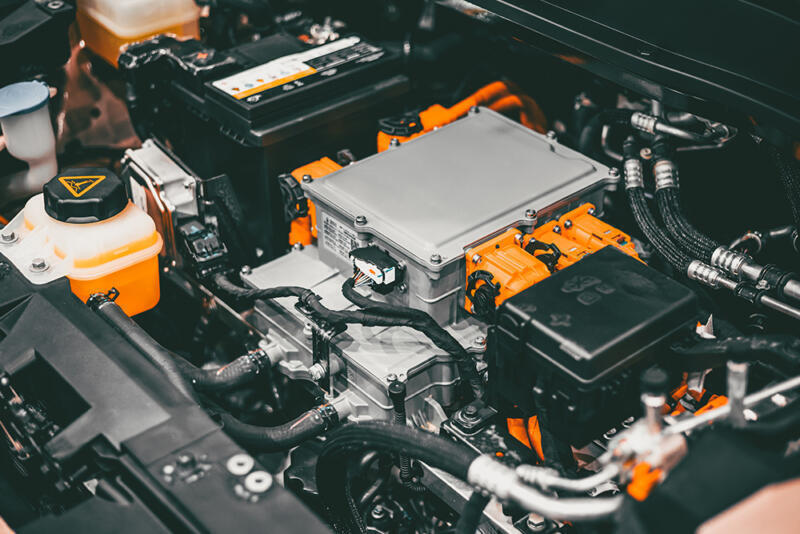
Maintaining the health of your hybrid vehicle’s battery is crucial for longevity and performance. Unlike traditional batteries, hybrid batteries operate under a complex charge-discharge cycle that demands careful attention. Factors like extreme temperatures, frequent short trips, and improper charging habits can accelerate degradation.
By understanding optimal driving patterns, routine maintenance checks, and smart storage practices, you can extend your battery’s lifespan and maximize fuel efficiency. This guide explores practical steps to preserve capacity, avoid costly replacements, and ensure your hybrid runs smoothly for years to come.
Understanding the Key Practices for Hybrid Battery Longevity
Maintaining the health of your hybrid vehicle's high-voltage battery is essential for maximizing fuel efficiency, performance, and the overall lifespan of the car. A hybrid battery, typically a nickel-metal hydride (NiMH) or lithium-ion (Li-ion) pack, operates under specific thermal and electrical conditions.
The most critical factors for keeping it healthy involve managing its state of charge, avoiding extreme temperature exposure, and ensuring regular use. Unlike the 12-volt starter battery, the hybrid battery is designed to be charged and discharged cyclically, but it should never remain at a very low or very high charge for extended periods.
Furthermore, the cooling system plays a vital role; ensuring the air intake vents are clear of dust and debris prevents overheating, which is the primary cause of accelerated degradation. By adhering to simple but consistent habits, owners can often exceed the battery's warranty period, which is typically 8-10 years or 100,000 miles.
Avoid Deep Discharges and Extreme State of Charge
One of the most effective ways to prolong your hybrid battery's life is to avoid letting it sit at either a very low or a very high state of charge for long periods. The battery management system (BMS) is designed to keep the battery in a sweet spot, usually between 40% and 80% of its full capacity.
It is harmful to run the vehicle completely out of fuel and force the hybrid system to drain the battery entirely, as this can cause irreversible voltage sag and damage to the cells. Similarly, while you cannot typically prevent the system from fully charging the battery during regenerative braking, you should avoid storing the car for weeks or months with a maximally charged battery.
If you plan to store the car, it is best to leave it with the battery near a 50% charge, as this minimizes internal chemical stress and significantly slows down the natural self-discharge degradation process.
Maintain the Cooling System and Air Vents
Hybrid batteries rely on an active cooling system, often drawing cabin air through a dedicated intake vent, usually located near the rear seats or in the trunk. Overheating is the single greatest enemy of a hybrid battery, permanently reducing its capacity and power output. You must keep these intake vents clean and unobstructed.
Check them at least twice a year and use a vacuum cleaner attachment to remove dust, pet hair, lint, and other debris that can block airflow. If you frequently carry large cargo that could cover the vent, be mindful of its location. Additionally, ensuring that the cabin air filter is changed regularly helps maintain overall airflow quality.
This content may interest you! How to Drive Efficiently in Hybrid SUVs
A battery that operates at a cooler, consistent temperature will have a significantly longer service life than one that regularly exceeds its thermal threshold due to a clogged cooling system.
Drive Smartly and Understand Regenerative Braking
Your driving habits have a direct impact on hybrid battery health. While you do not need to drive tensely, aggressive driving that forces frequent, high-power regenerative braking events and rapid acceleration can increase the internal temperature of the battery pack.
Instead, practice smooth acceleration and gentle braking. Anticipating stops allows the regenerative system to capture energy more efficiently without a sudden, high-current dump into the battery. Furthermore, do not be afraid to use your hybrid's electric-only mode (EV mode) when appropriate, such as in stop-and-go traffic or parking lots.
Allowing the battery to cycle through its normal charge and discharge patterns during everyday driving is far healthier than constantly letting the engine take over completely. However, avoid consistently using EV mode at highway speeds, as this can strain the battery if it is forced to maintain high voltage output for extended periods.
| Practice | Benefit | Key Action |
|---|---|---|
| Optimal State of Charge | Reduces chemical stress and slows degradation | Never run out of fuel; avoid long-term storage at full charge |
| Thermal Management | Prevents capacity loss and cell damage | Vacuum battery vents regularly; avoid exposure to extreme heat |
| Smooth Driving | Lowers peak current loads and operating temperature | Anticipate stops; practice gentle acceleration and coasting |
| Regular Use Cycle | Keeps cells active and prevents sulfation | Drive the car at least once a week; periodically use EV mode |
Optimizing Your Driving Habits for Battery Longevity
The way you drive directly impacts the lifespan of your hybrid battery. Aggressive acceleration and hard braking force the battery to discharge and recharge rapidly, generating excessive heat that degrades cells over time. Instead, practice smooth, gradual acceleration and anticipate stops to maximize regenerative braking efficiency.
This allows the battery to recharge gently rather than in abrupt bursts, reducing thermal stress. Additionally, avoid consistently running the battery to extremely low charge levels; maintaining a charge between 20% and 80% helps preserve chemical stability.
On long highway drives, using cruise control can minimize unnecessary power fluctuations, further protecting the battery from wear.
Maintaining the Battery Cooling System
Your hybrid battery relies on a dedicated cooling system to regulate temperature, and keeping this system clean is vital. Dust, debris, and pet hair can block the cooling intake vents, typically located near the rear seats or under the cargo area. Check these vents monthly and use a soft brush or vacuum attachment to clear obstructions.
A clogged vent forces the cooling fan to work harder, leading to overheating and accelerated battery degradation. If the fan itself becomes noisy or fails, replace it promptly to prevent permanent damage to the battery cells.
Performing Regular Diagnostic Checks
Proactive monitoring through diagnostic tools can catch early signs of battery weakness. Use an OBD-II scanner compatible with hybrid systems to read the state of health (SOH) and state of charge (SOC) metrics.
This content may interest you! How to Maintain Your Tesla Model Y Battery
Look for voltage imbalances between battery modules a difference greater than 0.3 volts often indicates a failing cell. Many scanners also log error codes like P0A80 (replacement battery) or P3000 (battery control module). Addressing these issues early, such as rebalancing the cells or replacing a single module, is far cheaper than a full battery replacement.
Controlling Extreme Temperature Exposure
High heat and extreme cold are the two biggest enemies of hybrid battery health. Park in shaded areas or use a sunshade during summer to prevent cabin and battery temperatures from skyrocketing. In winter, precondition the car while plugged in (if your model supports it) to avoid taxing the battery during cold starts.
Battery thermal management systems work best when the ambient temperature stays between 20°C and 30°C (68°F–86°F). If you live in a hot climate, consider insulating the battery pack or installing a heat shield in the trunk area if your vehicle’s design allows.
Using the Correct Charging Practices
For plug-in hybrid vehicles (PHEVs), how you charge matters significantly. Always use a level 1 or level 2 charger designed for your car model; cheap third-party chargers may deliver unstable voltage. Avoid fully discharging the battery to 0% repeatedly, as this stresses the lithium-ion cells. Instead, plug in when the charge drops to around 30% or 40% for optimal cycles.
In extreme heat, delay charging until evening when temperatures drop, as charging generates additional heat. Similarly, never leave the battery at 100% charge for extended periods (days or weeks), which accelerates capacity loss.
Monitoring and Replacing the 12V Auxiliary Battery
Many hybrid owners overlook the 12V auxiliary battery, but its failure can cause the main hybrid battery to work incorrectly. This small battery powers the car’s computer and contactors; if it weakens, the hybrid system may fail to engage or recycle power properly.
Test its voltage every three months it should read 12.4 to 12.8 volts when the car is off. Replace it every 4 to 5 years, or sooner if you notice slow accessory power or dashboard warning lights. A dying 12V battery can put unnecessary load on the hybrid battery, shortening its lifespan.
Frequently Asked Questions
What is the most important maintenance task for my hybrid battery?
Keeping your hybrid battery's cooling system clean is critical. Most batteries are air-cooled, and a clogged fan or intake filter restricts airflow, causing the battery to overheat. Check and clean the battery cooling fan filter, usually located near the rear seats or in the trunk, every 15,000 to 20,000 miles. Overheating significantly shortens battery life.
How does my driving style affect hybrid battery health?
Smooth and moderate driving helps your battery last longer. Frequent, hard acceleration demands high power discharge, while aggressive regenerative braking creates rapid charging. Both extremes generate excess heat, which degrades battery cells over time. Maintaining a steady speed, coasting when possible, and using Eco mode reduces thermal stress and preserves your battery's capacity.
Should I keep my hybrid battery charged to a full 100%?
No, modern hybrids are designed to operate best between 40% and 80% state of charge. The car's computer never lets the battery fully deplete or overcharge. For plug-in hybrids, avoid consistently charging to 100% unless you need the full electric range. A partial 'top-off' charge is healthier for long-term cell chemistry than constantly forcing a full charge, which generates more heat.
This content may interest you! How to Improve Fuel Economy While Driving
Does extreme weather require special hybrid battery care?
Yes, extreme temperatures are the battery's biggest enemy. In hot climates, parking in the shade is vital to prevent overheating the battery pack. In freezing weather, allow your car a few minutes to warm up before driving hard, as a cold battery delivers less power and can be stressed by sudden high demand. A temperature-controlled garage is ideal for extending battery lifespan.
Leave a Reply